AR-15 Accessories: A Safety-First Guide to Choosing Essentials
A practical, non-purchasing overview of common AR-15 accessory categories, compatibility questions, and safety considerations. Start with secure storage and lawful use, and verify all details with the firearm maker and relevant authorities.
AR-15 accessories include items intended to support safe storage, transport, observation, maintenance, or lawful range and hunting use. The term covers a wide range of equipment, but a longer list is not automatically a better setup: compatibility, safe handling, the firearm maker’s guidance, and local law all matter. This guide explains accessory categories at a high level so readers can identify what to research without relying on unverified claims or treating any configuration as universally suitable.
The AR-15 name is commonly associated with a family of semiautomatic rifles, and products described as accessories may not fit every model or configuration. Before considering any item, identify the exact firearm and consult its manufacturer’s documentation. This article does not provide installation, modification, or tactical instructions. For broader context, visit the ODU Magazine guns hub and read our overview of firearm safety and responsible ownership or the general explainer on how ammunition is made.
Start with purpose, safety, and the law
A sound decision begins with the intended lawful setting—not with a trend or a promise of performance. A person focused on responsible storage has different needs from someone seeking eye protection for a supervised range. Hunting rules can also restrict firearm types, equipment, or use in particular places and seasons. Requirements vary by jurisdiction and may change, so consult current state and local authorities rather than assuming a general guide settles a legal question.
Treat the firearm as loaded unless you have verified otherwise according to its manual and accepted safety practices. Keep it pointed in a safe direction, keep your finger away from the trigger unless prepared to fire in a lawful setting, and be certain of the target and what lies beyond it. Accessories do not replace training, supervision, or safe handling. Keep firearms secured from unauthorized access, especially children and visitors, using storage practices appropriate to the household and local requirements.
Common accessory categories—and what to verify
The categories below are broad. They are not endorsements, and no single item is right for every firearm or owner.
| Category | Typical role | Questions to resolve before use |
|---|---|---|
| Secure storage | Restricts unauthorized access and protects equipment | Does the storage method fit the household, comply with local rules, and prevent access by children or other unauthorized people? |
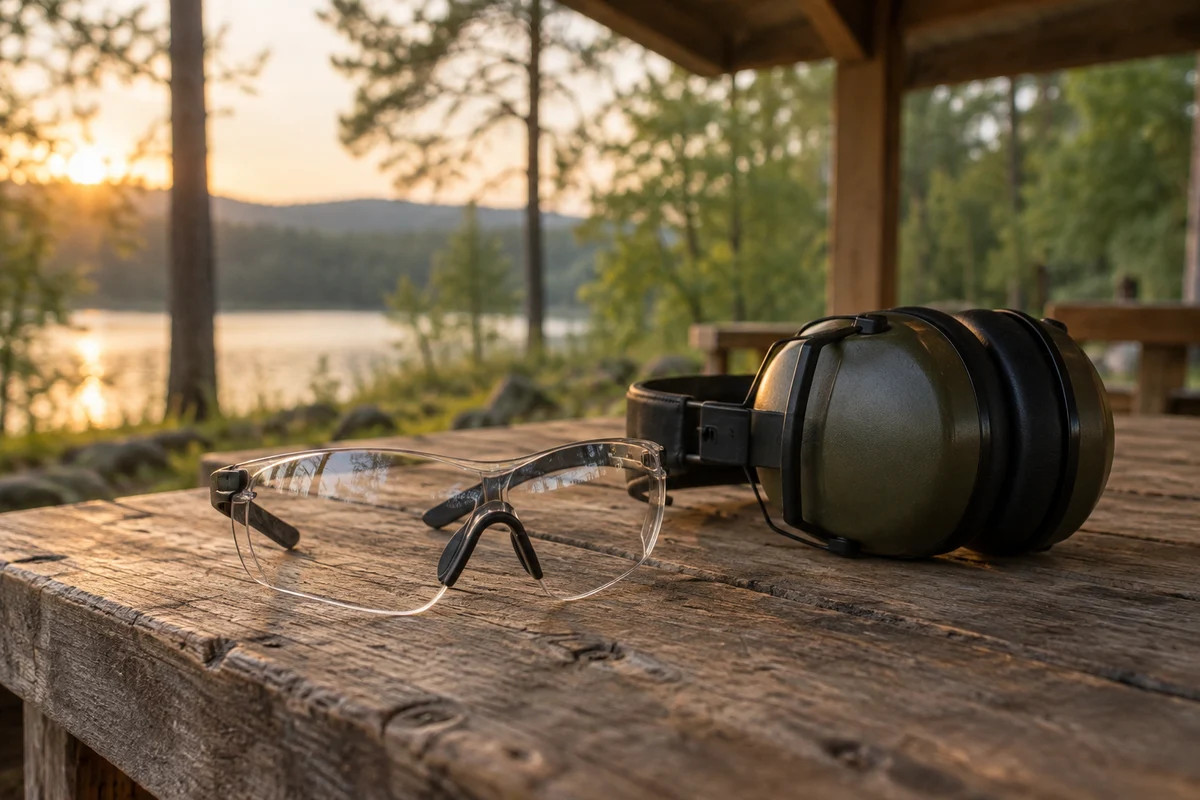
| Eye and hearing protection | Helps reduce exposure to range hazards | Is the equipment appropriate for the activity and correctly fitted? Follow its maker’s instructions. |
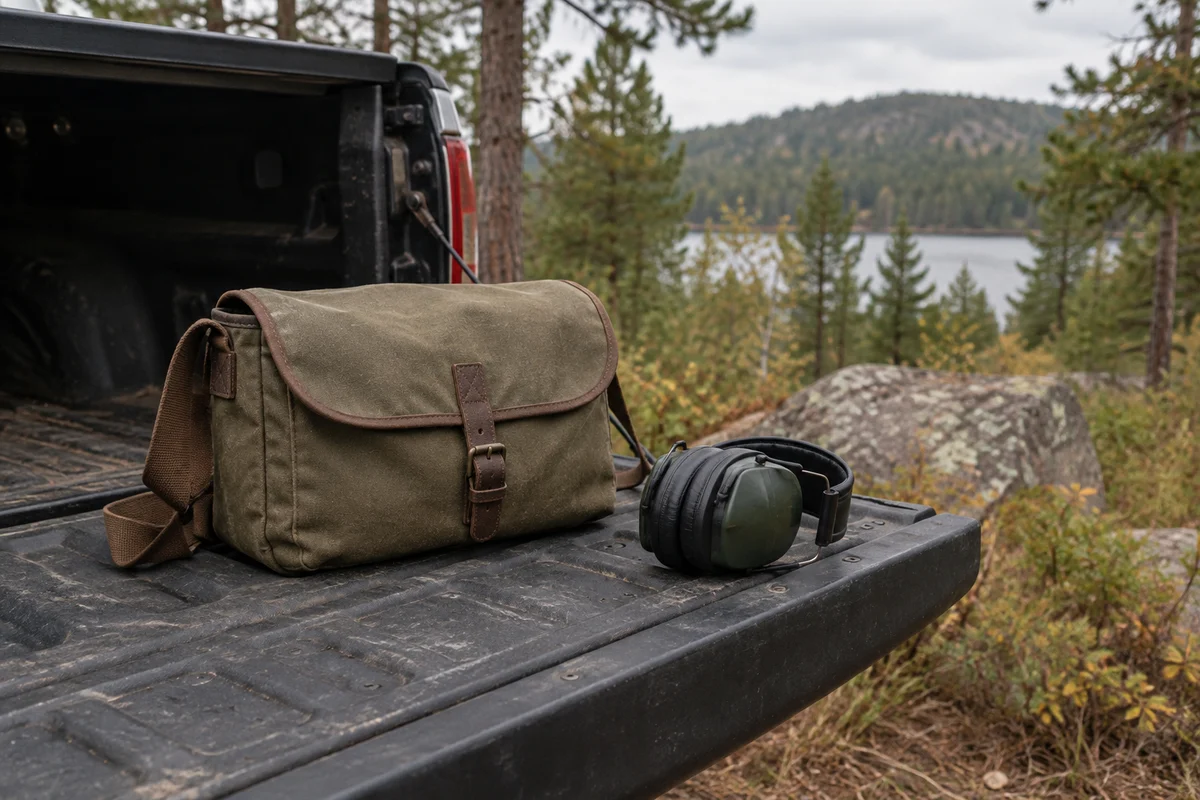
| Carrying case | Helps contain and transport a firearm | Does it suit the firearm’s dimensions, provide secure closure, and meet transport rules where you travel? |
| Optics | Supports observation or aiming in settings where lawful | Is the product intended for the firearm and use? What does the firearm and optic maker say about compatibility and care? |
| Sling or carrying aid | Supports carrying in some contexts | Does it interfere with safe handling, storage, or the firearm’s controls? Seek qualified, model-specific guidance. |
| Cleaning and care supplies | Supports maintenance described by the manufacturer | Are the supplies suitable for the specific firearm and used only as its manual directs? |
This table is a screening tool, not a compatibility chart. Model names can conceal important differences, and accessories advertised for one platform may not be appropriate for another. Check the exact firearm manual and the accessory maker’s current documentation. If either source is unclear, ask a qualified, reputable professional rather than guessing.
Compatibility: verify the exact model
Compatibility is more than whether a product’s packaging mentions AR-15. Manufacturers may use different dimensions, interfaces, materials, or restrictions across models and production periods. A part that appears similar may still be unsuitable, and a fit claim does not prove that a combination is safe or supported.
Record the firearm’s exact make and model from its documentation, then compare that information with the accessory’s official specifications and compatibility notes. Check for explicit exclusions and any requirement that the work be handled by a qualified professional. Do not rely on forum anecdotes, copied product listings, or a photo that merely looks similar. If the firearm’s manual warns against a change or the maker cannot confirm compatibility, do not assume the item is acceptable.
Avoid making changes to a firearm’s operating components based on online instructions. This guide intentionally does not explain installation, alteration, or troubleshooting. Questions involving fit or function belong with the firearm maker or a qualified gunsmith, and any work must comply with applicable law.
A simple decision framework
Use this sequence to narrow research without turning accessory selection into a checklist of upgrades:
- Define a lawful purpose. Identify whether the need is safe storage, transport, protective equipment, observation, or manufacturer-directed care. If the purpose is unclear, pause.
- Check legal constraints. Review current federal, state, and local rules relevant to ownership, transport, hunting, and the particular item. Ask the appropriate authority when wording is uncertain.
- Read the firearm manual. Look for the maker’s warnings, approved uses, care instructions, and restrictions. Do not treat silence as proof that a change is safe.
- Verify product-specific fit. Use the accessory maker’s official documentation for the exact firearm model. Resolve conflicting or incomplete claims before proceeding.
- Consider household security. Make sure storage and transport plans prevent unauthorized access and follow relevant requirements.
- Get qualified help when needed. For fit, function, or maintenance questions not answered by official documentation, consult the manufacturer or a qualified professional.
This framework favors prevention over experimentation. A useful accessory should solve a clearly identified, lawful need without undermining safe storage, reliable handling, or the firearm maker’s instructions.
Optics and observation: avoid assumptions
Optics are often discussed as if one product or feature suits every use. In practice, intended setting, the exact firearm, the product’s specifications, and the user’s ability to observe safely all matter. Outdoor conditions can also affect visibility. A general product description does not establish that a particular optic is suitable for a specific firearm or lawful activity.
Use manufacturer documentation to confirm intended compatibility and care. Follow applicable rules for hunting and other field use, including restrictions that may apply to equipment or seasons. Do not use an accessory as a substitute for identifying a target, understanding the surroundings, or following safe firearm practices. When an optic’s fit or use is uncertain, seek qualified advice rather than relying on an informal recommendation.
Storage and transport deserve priority
Storage is a practical concern, not an afterthought. Choose a secure method that limits access by unauthorized people and fits the realities of the home. Consider who can reach the storage location, how keys or access codes are controlled, and whether the chosen method is suitable for the firearm and household. Local laws may set specific expectations; check current official guidance.
Transport rules differ across jurisdictions and circumstances. Before traveling, verify the requirements that apply to the route and destination, and follow the firearm and case manufacturers’ instructions. A case that closes securely is not, by itself, proof that every transport requirement has been met. Do not rely on assumptions drawn from another state or an old online post.
Maintenance: follow the manual, not a generic recipe
Care instructions can differ by model, and generic advice may conflict with a manufacturer’s directions. Use only supplies and procedures the maker identifies as appropriate. Keep maintenance separate from handling ammunition, and follow the manual’s safety precautions. If a firearm’s condition or operation raises a concern, stop using it and contact the manufacturer or a qualified gunsmith. Do not attempt an unfamiliar repair or modification based on a short video or an accessory advertisement.
Common mistakes to avoid
- Choosing by platform label alone: A broad label does not guarantee fit for a particular model.
- Treating popularity as proof: Recommendations and online photos do not establish compatibility, safety, or legality.
- Overlooking local rules: Hunting, transport, and possession requirements can differ and change.
- Neglecting secure storage: Accessories do not compensate for access by an unauthorized person.
- Making unsupported changes: If the manual or maker does not confirm a proposed use, do not infer approval.
- Confusing a product claim with independent verification: Confirm important details directly with the manufacturer and relevant authorities.
The useful accessory is the one that fits the real need
For AR-15 accessories, a careful approach is more valuable than a long list. Define a lawful purpose, prioritize secure storage and protective equipment, verify exact-model compatibility through official documentation, and seek qualified help when a question involves fit or function. Specs and availability can vary by manufacturer and model, so confirm current information directly with the maker. No accessory removes the responsibility to handle, store, and transport a firearm safely or to follow the law.
Frequently asked questions
Are AR-15 accessories compatible with every AR-15 model?
No. Compatibility can vary by make, model, and configuration. Check the exact firearm manual and the accessory maker’s current documentation; do not assume a general platform label guarantees fit.
Which accessory should be considered first?
There is no universal first accessory. Prioritize a clearly identified lawful need, secure storage, and suitable protective equipment before considering optional items.
Can an accessory be used for hunting everywhere?
No. Hunting regulations vary by location, species, season, and equipment. Check current state and local wildlife rules before using any firearm or accessory in the field.
Where should owners verify compatibility or care information?
Start with the firearm’s official manual and the accessory manufacturer’s official documentation. For unresolved fit or function questions, contact the manufacturer or a qualified gunsmith.
Sources & further information
Consult these primary sources for current regulations, technical information and local guidance.