Benelli Ethos 28 Gauge: What to Know About the Lightweight Shotgun
A practical, non-commercial overview of the Ethos 28 gauge concept, with guidance on fit, field use, public specifications and safe verification before a hunt.
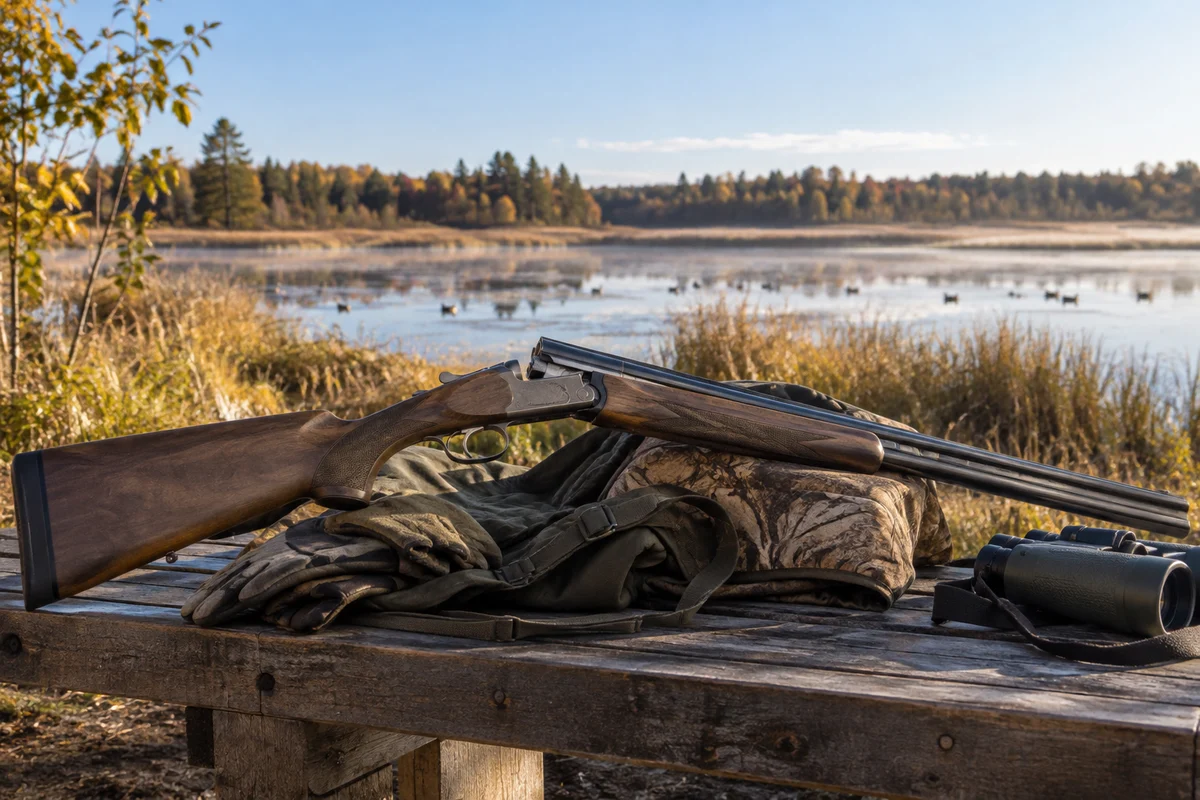
The ethos 28 gauge name points to a smaller-bore member of Benelli’s Ethos shotgun family. For an upland hunter, the appeal of a 28 gauge is often its light handling and modest, appropriately matched payload—not a promise that it will suit every shooter or every bird. Exact configuration details can vary by model and market, so verify current specifications with Benelli and consult the owner’s manual rather than relying on an old headline or a name alone.
What does a 28 gauge add to the Ethos family?
Gauge describes the shotgun bore class; it does not by itself tell you the gun’s weight, stock dimensions, chamber length, capacity, or included accessories. A 28 gauge is commonly considered for upland use where a lighter, more compact-feeling shotgun can be useful over a long walk. That general role should not be confused with a universal recommendation: the right choice depends on the quarry, lawful seasons and ammunition, individual fit, and the shooter’s proficiency.
The Ethos designation identifies a product family, not a guarantee that every member shares the same components or handling characteristics. If a particular 28-gauge configuration is under consideration, look for its exact model name and manufacturer-published manual. Confirm the chamber marking on the firearm and use only ammunition of the gauge and length specified by the manufacturer. Never infer compatibility from a similar-looking model or from a product-family name.
Why do hunters choose the 28 gauge?
Hunters often value a 28 gauge for carrying comfort and quick, controlled handling in appropriate upland settings. The smaller bore can encourage careful shot selection and disciplined range expectations. It is not inherently more accurate or ethical than another gauge, and a light shotgun does not make a poor shot a good one.
A useful choice begins with the likely hunting conditions. Consider the size and behavior of the bird, the kind of cover, expected shooting distances, and the ammunition permitted by local rules. A hunter who expects larger game, longer shots, or conditions requiring a different payload should assess those needs rather than choosing by reputation. Legal shot restrictions and season rules can change by jurisdiction and species; check the relevant wildlife agency’s current regulations.
How should fit and handling be evaluated?
Fit matters more than a model’s reputation. A shotgun should mount consistently without forcing the head into an awkward position or requiring a strained reach to the trigger. Stock length, drop, cast, balance, and overall weight all affect how the firearm feels. These are personal factors, and they should be assessed with the firearm unloaded, in a safe setting, following the manual and basic firearm-safety practices.
If possible, arrange a supervised, lawful evaluation through a qualified instructor or a range that permits the relevant activity. Check whether the stock dimensions and available adjustments suit the intended shooter; do not assume features from another Ethos variant carry over. A comfortable mount is not a substitute for instruction, safe muzzle awareness, or reliable control.
People comparing different firearm platforms may also find our overview of the Blaser R8 Professional useful as a separate example of how intended use and handling preferences shape a platform. It is a different firearm type, so the comparison is about evaluation criteria, not interchangeable applications.
What specifications should be confirmed?
Before drawing conclusions about a specific Ethos 28 gauge, verify the details in current manufacturer materials. Useful items to confirm include:
- Exact model and configuration name.
- Gauge and chamber length marked on the firearm and stated in the manual.
- Overall weight and dimensions for that configuration.
- Stock fit, included components, and any adjustment options.
- Approved ammunition and choke compatibility, as specified by the manufacturer.
- Cleaning, inspection, and storage guidance in the owner’s manual.
Do not assume a specification reported for a different gauge or trim applies to the 28-gauge version. Product pages and manuals can be updated, and regional configurations may differ. When a detail is unclear, ask Benelli or a qualified professional to confirm it against the exact model identification. This is especially important for ammunition and accessory compatibility.
What are realistic recoil and range expectations?
Recoil depends on the firearm’s weight and fit as well as the ammunition load and the shooter. A lighter shotgun can transmit a sharper sensation than a heavier one under some conditions, so “small gauge” should not be taken to mean recoil-free. A new shooter should learn under qualified supervision and choose a lawful, suitable load based on instruction and the manufacturer’s guidance.
Effective range is not a fixed number that applies to every hunter, load, choke, target, and condition. Ethical hunting requires knowing personal limits, identifying the target clearly, and taking only shots with a reasonable chance of a clean result. Patterning with the intended lawful ammunition at a safe, approved range can help a competent shooter understand the setup; follow range rules and seek instruction if unfamiliar with the process. Do not use a generic internet claim as a substitute for practice or judgment in the field.
What safety and legal checks matter in the field?
Treat every firearm as loaded until you have personally verified otherwise, keep the muzzle pointed in a safe direction, and keep your finger outside the trigger guard until ready to fire at a clearly identified legal target. Use the safety as directed by the manual, but never rely on it in place of safe handling. Transport and store the firearm unloaded and secured in accordance with applicable law and the manufacturer’s instructions.
Before a hunt, check current local regulations for seasons, species, legal equipment, ammunition restrictions, and any required licenses or access permissions. Rules vary, and a general article cannot establish what is legal at a particular place or time. For broader context on responsible firearm handling and outdoor coverage, see more outdoor coverage. Keep the discussion informational: the central questions are safe use, lawful use, and whether the equipment fits the intended field activity.
How does it compare with other firearm topics?
A shotgun designed for upland hunting serves a different role from a precision rifle or an airgun. For instance, our Bergara chassis overview discusses a rifle configuration and the factors that matter when assessing its platform. That is not a direct performance comparison with a hunting shotgun; it illustrates why the use case should guide evaluation.
The useful takeaway is to separate a product-family announcement from verified configuration facts. Consider the 28 gauge in the context of your hunting needs, then confirm the exact model’s current details and lawful use. Fit, safe handling, sound judgment, and familiarity matter more than a headline or a general claim about a gauge.
A practical decision checklist
Before settling on any shotgun for an upland season, identify the lawful quarry and conditions, review the manufacturer’s exact model information, and ensure the firearm fits the intended shooter. Confirm ammunition and accessory compatibility in the manual, check local regulations, and get appropriate instruction and practice. If any key detail is uncertain, pause and seek confirmation rather than guessing. Those steps make the decision more informed without assuming that one gauge or model is right for every hunter.
Frequently asked questions
Does every Benelli Ethos 28 gauge configuration have the same specifications?
Not necessarily. Model details and regional configurations can differ. Check the exact model’s current Benelli materials and owner’s manual for dimensions, chamber, approved ammunition, and included features.
Is a 28 gauge suitable for every upland hunt?
No. Suitability depends on the lawful quarry, conditions, ammunition, the shooter’s skill and personal limits, and local regulations. Evaluate the specific use rather than assuming one gauge fits all situations.
How can I confirm ammunition compatibility?
Read the firearm’s markings and the owner’s manual for the exact model, and use only ammunition specified by the manufacturer. If anything is unclear, ask Benelli or a qualified professional before use.
Sources & further information
Consult these primary sources for current regulations, technical information and local guidance.