How to Prepare for Camping: A Practical Plan for Any Trip
A sound camping trip starts with matching plans and equipment to the place, season, forecast and people going. Use this practical framework to prepare, pack, and make safe adjustments when conditions change.
Camping is easier when preparation is a process rather than a last-minute pile of gear. To understand how to prepare for camping, begin with the trip itself: where you will sleep, what conditions are likely, what facilities are available, and what your group can comfortably manage. Then build a plan around those answers instead of buying or packing for every imaginable emergency.
This guide works for established campgrounds and simpler trips, but it cannot predict local conditions. Check the land manager’s current notices, weather information and rules shortly before departure. If a forecast or access issue makes the trip unsafe, postpone or choose another destination.
Start with the place, season and group
Write down the destination, dates, route, expected arrival time and type of campsite. A developed site may provide drinking water, toilets, picnic tables or a fire ring; a more primitive site may provide none of those. Never assume a facility is operating because it appears in an old listing. Confirm directly with the campground or land manager.
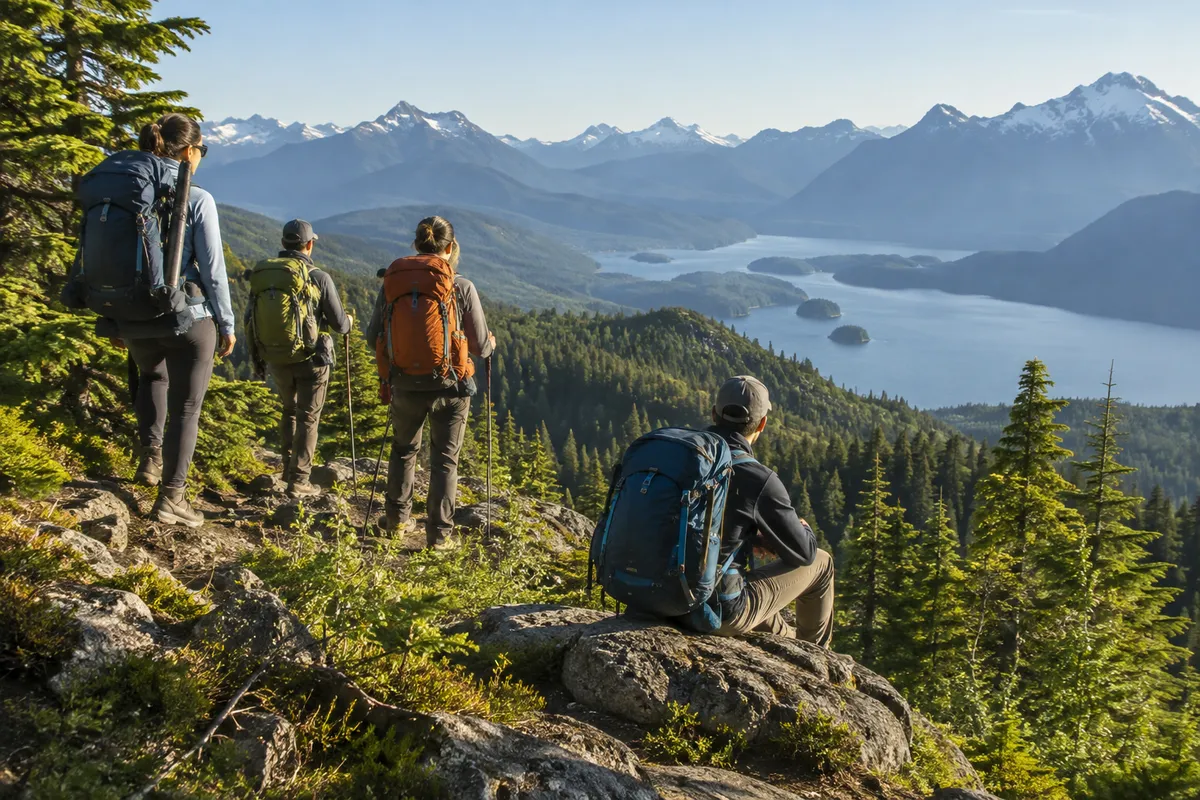
Consider the least experienced camper in the group. Children, older adults and people with medical or mobility needs may require shorter walks, warmer sleep systems, easier access to water or a different site. Agree on a realistic daily plan, including time to set up before dark. If the trip involves a hike to camp, account for distance, elevation, trail conditions and the weight each person can carry comfortably.
For ideas about pacing and outdoor styles, see our guide to types of hikers. The right plan is the one that fits the people going—not the most ambitious itinerary.
Check the forecast and make a backup plan
Look at the forecast for the actual destination and dates, not just the nearest city. Review expected overnight lows, precipitation, wind and any alerts. Mountain, coastal and desert conditions can differ sharply from nearby towns, and forecasts become less certain farther out. Recheck the day before leaving and again if conditions are changing.
Decide in advance what would make you change plans. Examples include a severe-weather warning, a closed road, unsafe fire conditions, flooding, extreme heat or a cold snap beyond your group’s equipment and experience. Identify a safer alternative, such as a different campground or a shorter trip. Tell someone not going where you plan to be, when you expect to return, and how you will communicate if plans change.
A forecast is guidance, not a guarantee. Pack clothing and shelter for plausible variation, but do not treat extra gear as permission to ignore official warnings or push through dangerous conditions.
Use this planning checklist
The checklist below is a starting point. Adapt it to the site, activity, season and local rules; remove items provided by the campground only after confirming they are available.
| Before departure | What to confirm |
|---|---|
| Reservation and access | Dates, check-in time, site rules, road status, parking and current closures |
| Weather | Forecast, alerts, overnight conditions and a go/no-go threshold |
| Shelter and sleep | Tent or other shelter, ground protection, sleep system and dry storage |
| Food and water | Menu, safe water source, treatment or carrying plan, cooler needs and waste rules |
| Safety | First-aid supplies, medications, communication plan, map and emergency contacts |
| Group needs | Clothing sizes, mobility, dietary needs, allergies and who carries shared gear |
| Leave no trace | Toilets, trash, food storage, fire restrictions and sensitive areas |
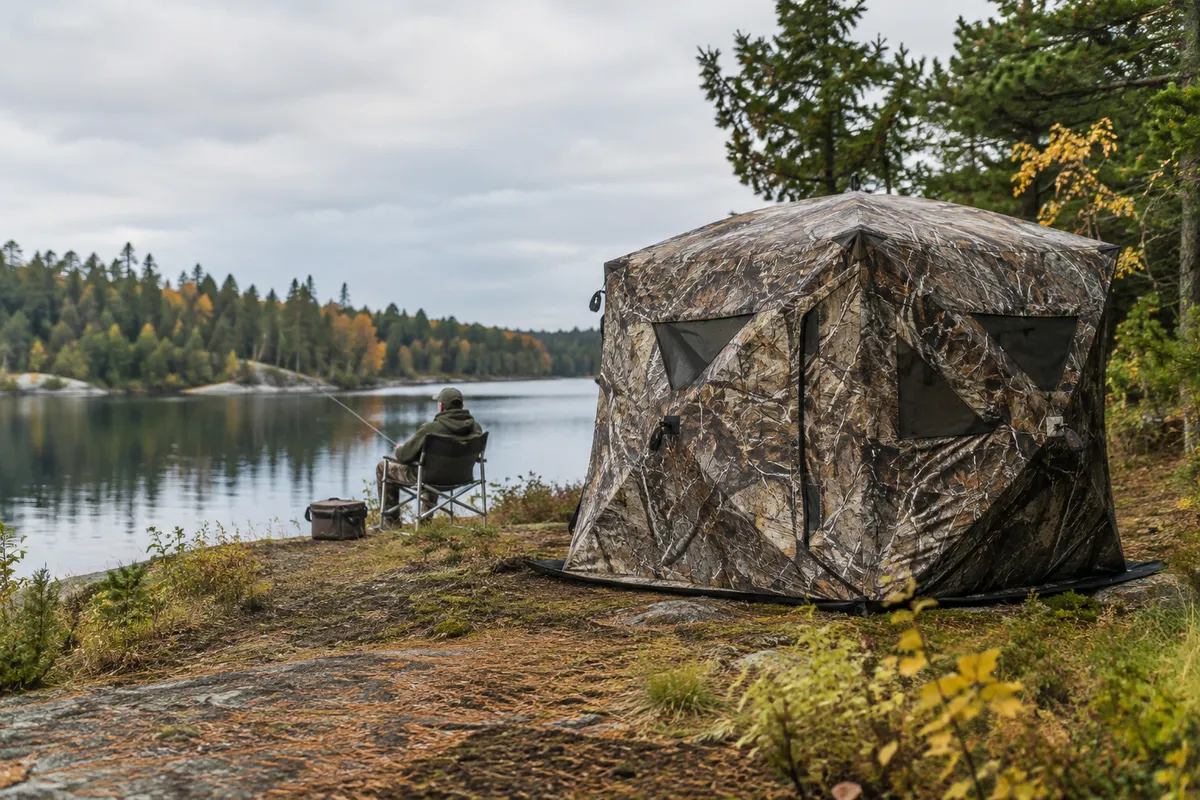
A day or two before departure, physically check essential gear rather than relying on memory. Look for missing tent components, damaged seams, a depleted battery, an empty fuel canister or footwear that no longer fits. Follow product instructions for inspection and use. For a basic equipment overview, consult our article on the Clam Bigfoot XL2000 shelter as one example of how shelter features and intended use can vary; verify current details with the manufacturer because model specifications and availability may change.
Build a sleep and clothing system
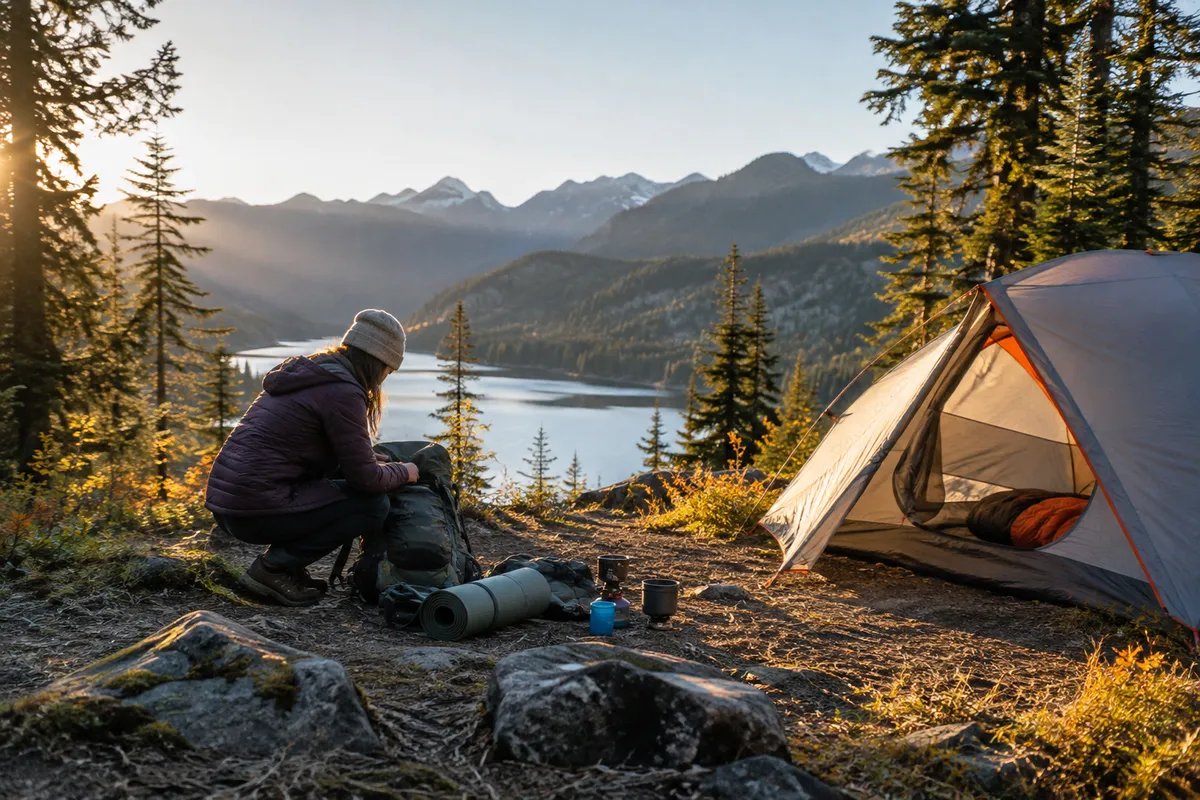
A comfortable night depends on the combination of shelter, insulation, ground protection and clothing—not a single item. Choose a tent or shelter suitable for the expected conditions and the number of occupants, with enough space for people and essential gear. Check that all parts are present and that you know how the shelter is pitched. If practical, practice at home before the trip.
The ground can draw away warmth, so use an appropriate sleeping pad or other ground insulation beneath your sleep system. Choose a sleeping bag or quilt for conditions you reasonably expect, and account for personal comfort and the possibility of colder-than-forecast nights. Product temperature labels are not a promise that every sleeper will feel warm at that temperature. If you are unsure, plan a conservative alternative or choose a trip with easier access to shelter.
Pack clothing in layers that can be adjusted: a comfortable base layer, insulation and a weather-resistant outer layer as conditions require. Bring dry sleep clothing and spare socks in a sealed bag. Cotton can stay wet and uncomfortable in cool conditions; fabric choice should reflect the forecast, activity and personal needs. Include sun protection and rain protection when relevant, even if the departure morning is clear.
Plan food, water and sanitation
Choose meals that are simple to prepare with the equipment and time available. Account for every person, dietary restrictions, allergies and the possibility of a delayed return. Keep raw foods separate from ready-to-eat items, and use a cooler or other safe storage method appropriate to the food. Do not leave food or scented items unattended where wildlife can reach them.
Find out whether potable water is available. If it is not, determine how much water you need to carry and what treatment method is suitable for the source and local guidance. A clear stream is not proof of safe drinking water. Treatment methods have limits, so follow the product instructions and public-health or land-manager advice. Carry extra water when heat, exertion or distance makes resupply uncertain.
Know the site’s rules for toilets, dishwashing, trash and food storage. Use provided facilities correctly. Where there are no facilities, follow the land manager’s requirements for human waste and pack out what must be carried out. Keep soap and food scraps away from natural water, and leave the campsite clean for the next visitors.
Prepare for common problems without overpacking
A compact first-aid kit should suit the group, destination and activities. Include personal medications and know how to access them; a shared kit does not replace prescribed treatment. Check expiration dates and replenish used items. For remote trips, consider whether anyone has the training and communication equipment needed for the route. A phone may have no service, so carry an appropriate map and understand the planned route before setting out.
Bring lighting for each person, plus a way to manage power if the trip depends on electronic devices. A lantern can make camp tasks easier, but it is not a substitute for a headlamp or other hands-free light when walking in the dark. Our overview of the Fenix CL25R LED lantern illustrates why it is useful to compare the role of a camp light with the needs of your whole lighting plan. Check current manufacturer information for exact features and charging details.
Keep a small repair kit matched to your equipment: for example, the correct patch material, cord or fasteners. Avoid carrying a collection of tools without knowing what they are for. Review safe handling instructions for any fuel or cooking equipment, and store it as directed. Never use outdoor cooking appliances in an enclosed tent or vehicle; carbon monoxide can be deadly and may have no smell.
Set up camp thoughtfully
Arrive with enough daylight to inspect the site and set up without rushing. Use the designated tent pad or previously established area where required. Avoid low spots that could collect water, fragile vegetation, dead branches overhead and places that block roads or paths. Follow posted instructions and keep a clear route to facilities.
If fires are permitted, use only the designated location and follow current restrictions. Keep fires small and attended, have a means to extinguish them, and ensure the fire is completely out before leaving or sleeping, as required by local guidance. Conditions can change during a trip; a fire ban overrides an earlier plan. A stove may also be restricted, so check the rules rather than assuming it is allowed.
Store food and scented items exactly as the land manager directs. Wildlife behavior and storage requirements vary by location. Do not feed animals, approach them for photographs or leave scraps behind. If an animal enters camp, give it space and follow local wildlife guidance rather than trying to chase or handle it.
Make a final go/no-go check
Before loading the vehicle, confirm the reservation, route, access and current alerts. Put critical items—medications, water, weather layers, map and communication device—where they are easy to reach. Share your itinerary with a trusted person and set a check-in time. At camp, reassess conditions each day; turn around or seek help if weather, health or access becomes unsafe.
Preparation is not a guarantee of a perfect trip. It is a way to make informed choices, reduce avoidable surprises and recognize when circumstances call for a change of plan. Match your gear to the destination, verify what is uncertain, and leave room in the schedule for the best part of camping: being outside without having to rush.
For more, explore our camping hiking guides.
Frequently asked questions
How early should I start preparing for a camping trip?
Check reservations, rules and major equipment as soon as you choose dates. Recheck weather, access and alerts shortly before departure, then do a final gear check before loading.
What should I check before choosing a campsite?
Confirm access, current operating status, facilities, water availability, rules, weather exposure and any restrictions. Choose a site that suits your group’s experience and needs.
How do I prepare for cold or rainy camping weather?
Use a shelter and sleep system suited to the expected conditions, pack adjustable layers and keep dry clothing protected. Recheck the forecast, and change plans if conditions exceed your equipment or experience.
How much water should I bring camping?
Needs vary with weather, exertion, people and resupply options. Confirm whether potable water is available, plan for the full route and use an appropriate treatment method when needed.
Sources & further information
Consult these primary sources for current regulations, technical information and local guidance.