How to Choose Bogs Boots for Wet, Cold Outdoor Conditions
A practical guide to choosing and caring for Bogs boots for muddy trails, camp chores, and rainy days. Learn how to assess fit, warmth, traction, and the limits of waterproof footwear.
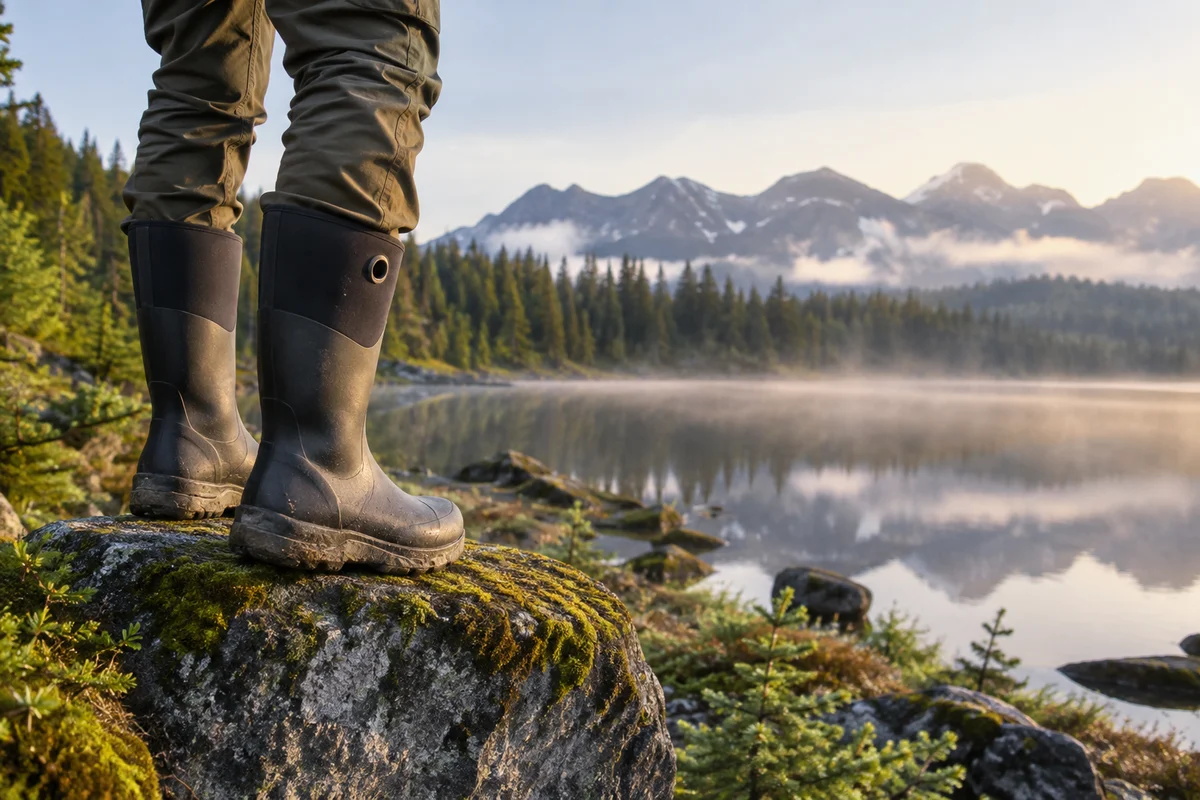
Bogs boots are often considered for muddy paths, rainy commutes, garden work, and cold-weather chores—but the right pair depends on more than whether the label says waterproof. Match the boot’s height, insulation, tread, and fit to the conditions you actually face, then account for socks and the time you’ll spend moving or standing still. Product details differ by model and season, so confirm current construction and care guidance with the manufacturer before buying or treating a pair.
This guide focuses on choosing and using rubber and waterproof outdoor boots responsibly. For a broader look at day-hike planning, see our guide to types of hikers; for overnight trips, our advice on how to wash a sleeping bag helps keep another important piece of camp gear in good shape. Find more field-ready advice in the camping and hiking hub.
What are Bogs boots designed for?
Bogs is a footwear brand known for waterproof boots, but the name covers different styles and intended uses. Depending on the model, a boot may emphasize easy pull-on wear, insulation, a particular shaft height, or a lighter build. Those distinctions matter: a tall, warm boot can be useful in slush or wet grass, while a less insulated style may feel more comfortable for active work in mild weather.
Waterproof footwear can help keep outside water from soaking through intact materials and seams, but it does not make every situation safe or comfortable. Water can enter over the top, through damage, or where a boot meets clothing. Waterproofing also does not guarantee warmth, grip on ice, or protection from every workplace hazard. Think of the boot as one part of a clothing system rather than a substitute for weather judgment.
How to choose a pair: a practical framework
Start with the setting, then narrow the choice by fit and conditions. Product names and specifications change; verify the exact model rather than assuming that features from one Bogs boot apply to another.
| Your conditions | What to prioritize | What to check before use |
|---|---|---|
| Rain, mud, and wet grass in mild weather | Waterproof construction and a comfortable, not overly warm lining | Whether the shaft height suits the vegetation and water depth you encounter |
| Cold, mostly stationary chores | Model-specific insulation, room for appropriate socks, and a secure fit | Manufacturer guidance on temperature claims; personal comfort varies |
| Active walking in cool, wet weather | Flexibility, manageable weight, and enough toe room | Walk on a safe surface in the socks you plan to wear |
| Slush or snow near roads and buildings | Waterproof coverage and tread suitable for the surfaces involved | Ice traction is limited; use extra caution and suitable traction aids where appropriate |
| Long hikes or uneven terrain | Support and stability appropriate to the route, not just waterproofing | Test comfort on short walks; a pull-on rain boot may not suit every trail |
Fit should come before extra thickness
Try boots on with the socks you expect to wear. Your toes should have room to move without the heel lifting excessively, and the boot should not pinch across the instep or forefoot. A boot that is too tight can restrict circulation and leave little room for a warm sock; one that is too loose may rub and feel unstable. If you use orthotics, check whether the footbed is removable and follow the maker’s fit guidance.
If possible, walk indoors on a clean surface before committing to extended use. Pay attention to heel movement, pressure points, and whether the shaft rubs your calf. Fit can vary among styles, so do not assume the same size will feel identical across a brand’s range. If uncertainty remains, consult the retailer’s current return and sizing information.
Choose warmth for activity, not just the forecast
Insulation can be helpful when you are standing in cold, wet conditions, but a warm boot can feel clammy during vigorous activity. The outcome depends on the model, your socks, pace, weather, and individual sensitivity to cold. Treat temperature claims as guidance rather than a guarantee, and avoid using a boot beyond the conditions described by its maker.
Use moisture-managing socks suited to the outing, and change damp socks when practical. If your feet become numb, painful, unusually pale, or persistently cold, get to a warmer place and address the exposure. Footwear alone cannot prevent cold injury.
Traction, water, and terrain: know the limits
Tread patterns can help on some muddy or soft surfaces, but no outsole makes every surface secure. Wet rock, smooth boards, packed snow, and ice can be slippery. Shorten your stride, slow down, use handrails where available, and choose another route if conditions exceed your confidence or equipment. Do not treat “all-weather” or similar marketing language as a promise of ice safety.
Water depth matters too. A waterproof boot can keep water out only while it remains below the entry point and the boot’s waterproof barriers are intact. Deep water, flooding, fast-moving water, and cold-water crossings bring hazards beyond wet feet. Avoid entering water when depth, current, footing, or temperature is uncertain; use established crossings and local safety guidance.
For hiking, consider ankle support, pack weight, trail length, and how the boot behaves on uneven ground. A waterproof pull-on boot that is comfortable around camp may not provide the support or secure fit you want on a rocky, steep route. Our types of hikers guide can help frame your activity level and trip style, but select footwear for the specific trail and conditions.
Care that helps waterproof boots last
After use, rinse or wipe away mud and road grime with clean water and a soft cloth or brush. Let boots air-dry at room temperature, away from direct heaters, open flames, and prolonged intense sunlight. High heat can damage materials or adhesives. Remove insoles if the manufacturer permits, and dry them separately. Before storing boots, make sure they are clean and thoroughly dry; a cool, ventilated place is generally preferable to a damp gear bin.
Inspect the upper, sole, seams, and entry area regularly. Cracks, separation, worn tread, or persistent leaks can signal that the boot needs repair or replacement. Do not assume household solvents, oils, or waterproofing sprays are compatible with every material. Check the care label or current product instructions, and contact the manufacturer if the appropriate treatment is unclear.
A quick pre-trip checklist
- Confirm the exact model’s intended use, materials, insulation, and care instructions.
- Try the boots with outing-appropriate socks and any orthotics you use.
- Check for pressure points, excessive heel slip, and calf rubbing.
- Inspect tread and waterproof barriers before a wet or cold outing.
- Match the boot to terrain; plan for slippery surfaces rather than relying on the tread alone.
- Pack dry socks for longer trips and turn back if conditions become unsafe.
For other camp equipment, our overview of how to wash a sleeping bag offers practical care considerations. Gear upkeep is useful, but always follow the individual manufacturer’s instructions because materials and construction vary.
Are Bogs boots right for you?
They may be a reasonable option if your regular conditions call for waterproof coverage and the specific style fits comfortably. They may be a poor match if you need a highly supportive hiking boot, dependable grip on ice, or footwear designed for a specialized job. Compare the intended use, fit, and care requirements rather than choosing by brand name alone. For current models and exact specifications, consult Bogs’ official site and product information; availability and features can change.
Ultimately, a good choice is the one that fits your feet and the conditions—not simply the warmest or tallest boot. If you will be outdoors for extended periods, check the forecast, plan an exit, and bring suitable layers and dry socks. Waterproof footwear is useful gear, but it cannot remove the risks of cold, water, or unstable ground.
Frequently asked questions
Are Bogs boots suitable for hiking?
Some styles may work for easy, wet walks, but fit, support, weight, and terrain vary. Check the specific model and test it on a short walk before a longer hike.
Are Bogs boots warm enough for winter?
Warmth depends on the model, insulation, socks, activity, and conditions. Check the manufacturer’s current guidance; temperature claims are not a guarantee for every wearer.
Do waterproof Bogs boots prevent slipping on ice?
No boot can guarantee secure footing on ice. Slow down, use appropriate traction aids where suitable, and avoid surfaces or routes beyond your confidence.
How should I dry and clean waterproof boots?
Rinse off dirt, then air-dry at room temperature away from direct heat. Follow the care instructions for the exact model and avoid unapproved cleaners or treatments.
Sources & further information
Consult these primary sources for current regulations, technical information and local guidance.