8 Types of Hikers: Find Your Trail Style
The types of hikers are best understood as trail styles, not rigid labels. Learn how day hikes, backpacking, family outings, and other approaches differ—and how to pick a route that fits your time, skills, and conditions.
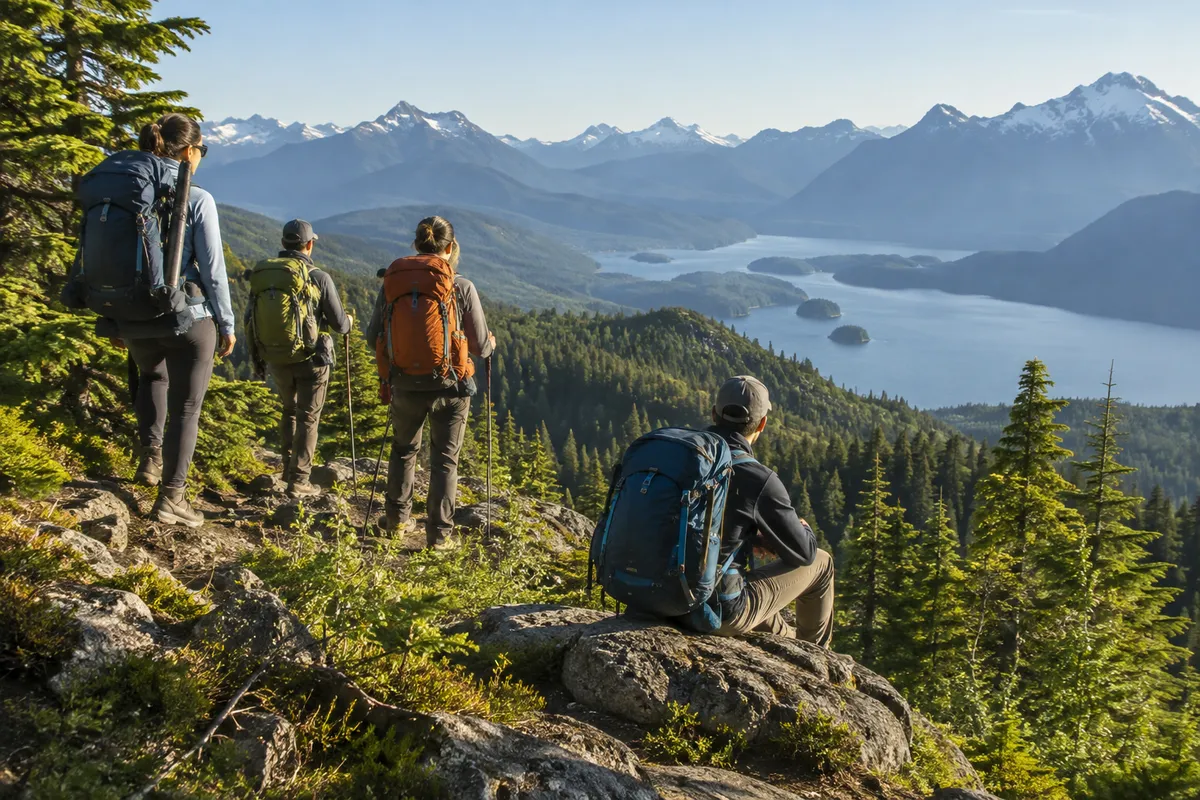
Hikers rarely fit one category all the time. You might take a short nature walk on a busy week, then spend a long weekend carrying a pack. Understanding the types of hikers is useful because each style calls for different choices about distance, pace, preparation, and equipment. Treat these categories as a starting point, not a test: your best trail is the one that matches your current ability, interests, and conditions.
1. The casual day hiker
A casual day hiker heads out for a few hours and returns to the same starting point. The route may be a local woodland loop, a lakeside path, or a modest climb with a view. Convenience and enjoyment matter more than covering maximum distance.
Keep the plan simple, but do not mistake a short outing for a risk-free one. Check the route and weather, bring water and a snack, and carry a way to navigate and contact help. Wear footwear suited to the terrain rather than assuming every trail requires specialized boots. If you are new to hiking, choose a marked route with a clear turnaround point.
2. The fitness-focused hiker
For this hiker, walking is also a workout. They may favor steady climbs, a brisk pace, or repeated outings on familiar paths. A fitness goal can make hiking motivating, but it should not override attention to footing, heat, daylight, or fatigue.
Build effort gradually. On steeper terrain, shorten your stride and slow down before you feel spent. A route that is easy in cool weather can become demanding in heat or on slick ground. Keep enough time and energy in reserve to return safely; a personal pace target is not a reason to push through worsening conditions.
3. The scenic or photography hiker
This trail style is about looking closely and taking time. Scenic hikers may pause for a landscape, birds, plants, or changing light, and often prefer routes with varied views over a fast, direct climb.
Plan around the experience rather than a mileage target. If you want to catch early or late light, check access rules and leave enough daylight for the walk back. Stay on durable trail surfaces, avoid disturbing wildlife, and follow local guidance about photography near sensitive habitats. A small daypack with water, weather protection, and a snack is usually more useful than carrying gear for every possible shot.
4. The family and group hiker
Families and mixed-ability groups need a route that works for the least experienced or slowest member—not just the strongest walker. Short loops, frequent points of interest, and straightforward navigation can make an outing more enjoyable for everyone.
Before setting off, agree on the route, pace, and regrouping plan. Bring more water and snacks than you expect to need, and make sure each person has weather-appropriate layers. With children, choose a route where turning around early is easy. Keep the group together at junctions and exposed areas, and explain simple trail habits such as yielding appropriately and leaving plants and wildlife undisturbed.
5. The long-distance day hiker
Long-distance day hikers cover substantial ground without camping overnight. Their challenge is managing time and energy over many hours, especially when a route includes elevation gain, rough footing, or limited water access.
Research the full route, not just its headline distance. Check elevation, surface, expected conditions, water availability, and whether transportation or permits affect the plan. Start early enough to finish with a margin of daylight. Carry navigation, food, water, and a layer for changing weather; do not rely on a phone signal or a single water source. For more practical camp preparation, see our guide to how to wash a sleeping bag, especially if your long day is part of a larger trip.
6. The backpacker
Backpackers hike with the equipment and supplies needed to spend one or more nights outdoors. Their pace is shaped by pack weight, terrain, camp choices, and the need to reach a suitable site before dark. A backpacking trip rewards careful planning more than sheer speed.
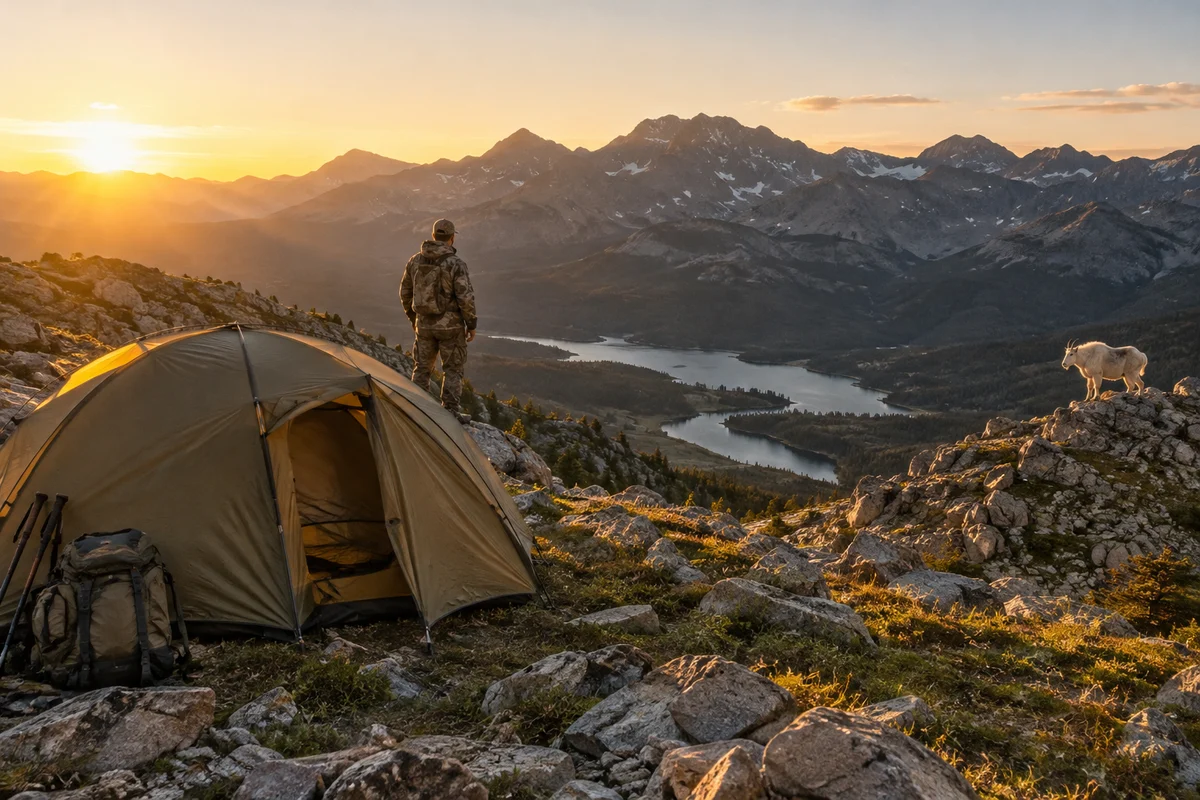
Learn the local rules for permits, camp locations, fires, food storage, and waste. Match the route to your experience carrying a loaded pack, and make a realistic plan for water and weather. Test-fit your pack on shorter walks before a major trip. For broader shelter considerations, our overview of camping gear and a high-country hunting tent discusses the role of shelter in camp planning; always verify current specifications and suitability with the manufacturer.
7. The fast-and-light hiker
Fast-and-light hikers aim to move efficiently with less equipment. This can mean a quick day outing or a multi-day route with a carefully reduced load. The approach is not simply carrying as little as possible: it depends on choosing gear and a plan that still address foreseeable needs.
Reduce weight thoughtfully. Keep navigation, water, food, weather protection, and basic emergency supplies appropriate to the route. Do not remove an essential item just to reach a target pack weight. A light setup also does not make difficult terrain safer or guarantee a fast pace. Conditions, skills, and the consequences of a mistake should guide what you carry.
8. The nature-focused or accessible-trail hiker
Some hikers prioritize wildlife, plants, quiet, or routes designed for a wider range of mobility and experience. A wide, relatively even trail can offer a rewarding outdoor visit without a steep ascent. Accessibility varies widely, so it is worth checking current trail information before traveling.
Look for details such as surface, grade, width, seating, restrooms, and barriers—not only a general label like “easy.” Contact the land manager when published information is unclear. Respect closures and habitat protections, and remember that weather can change a route’s conditions. The most suitable hike is not necessarily the most remote or strenuous one.
Choose a style with this quick framework
| If your priority is… | A good starting style | Before you go |
|---|---|---|
| A relaxed outing | Casual day hike | Pick a short, marked route and check weather |
| Exercise | Fitness-focused hike | Build effort gradually and set a turnaround time |
| Views and observation | Scenic or photography hike | Allow extra time and follow habitat guidance |
| Shared time outdoors | Family or group hike | Plan for the least experienced participant |
| Covering more ground | Long-distance day hike | Check elevation, water, daylight, and navigation |
| Overnight travel | Backpacking | Confirm permits, camp rules, and resupply needs |
| Efficient movement | Fast-and-light hiking | Reduce weight without dropping essentials |
| A lower-barrier outing | Nature-focused or accessible trail | Verify surface, grade, facilities, and current access |
Match the hike to the day you have
Before choosing a route, ask four questions: How much time do I have? What is the terrain and forecast? Who is coming, and what experience do they have? What would make us turn back? The answers can change from one outing to the next, so avoid treating a familiar trail or identity as a guarantee of safety.
Use official land-manager information for closures, permits, and local hazards. Leave your route and expected return time with someone when appropriate, carry a map or other dependable navigation, and adjust the plan when conditions change. The best of the types of hikers is simply the one that lets you enjoy the outdoors while making sound decisions for the place and the people on the trail.
For more ideas and practical outdoor guidance, visit the camping and hiking hub.
Frequently asked questions
What are the main types of hikers?
Common styles include casual day hikers, fitness-focused hikers, scenic hikers, family and group hikers, long-distance day hikers, backpackers, fast-and-light hikers, and nature-focused or accessible-trail hikers.
How do I know which hiking style fits me?
Start with your available time, fitness, experience, route conditions, and what you want from the outing. Choose a route that suits the least experienced person in your group and adjust as conditions change.
Do beginners need special hiking gear?
Not necessarily. For a suitable short route, prioritize weather-appropriate clothing, water, food, navigation, and footwear suited to the trail. Equipment needs increase with distance, remoteness, terrain, and overnight plans.
Is a short hike always safe for beginners?
No route is automatically risk-free. Weather, footing, heat, navigation, and access can affect even short walks. Check local conditions, carry essentials, and choose a route with a practical turnaround option.
Sources & further information
Consult these primary sources for current regulations, technical information and local guidance.