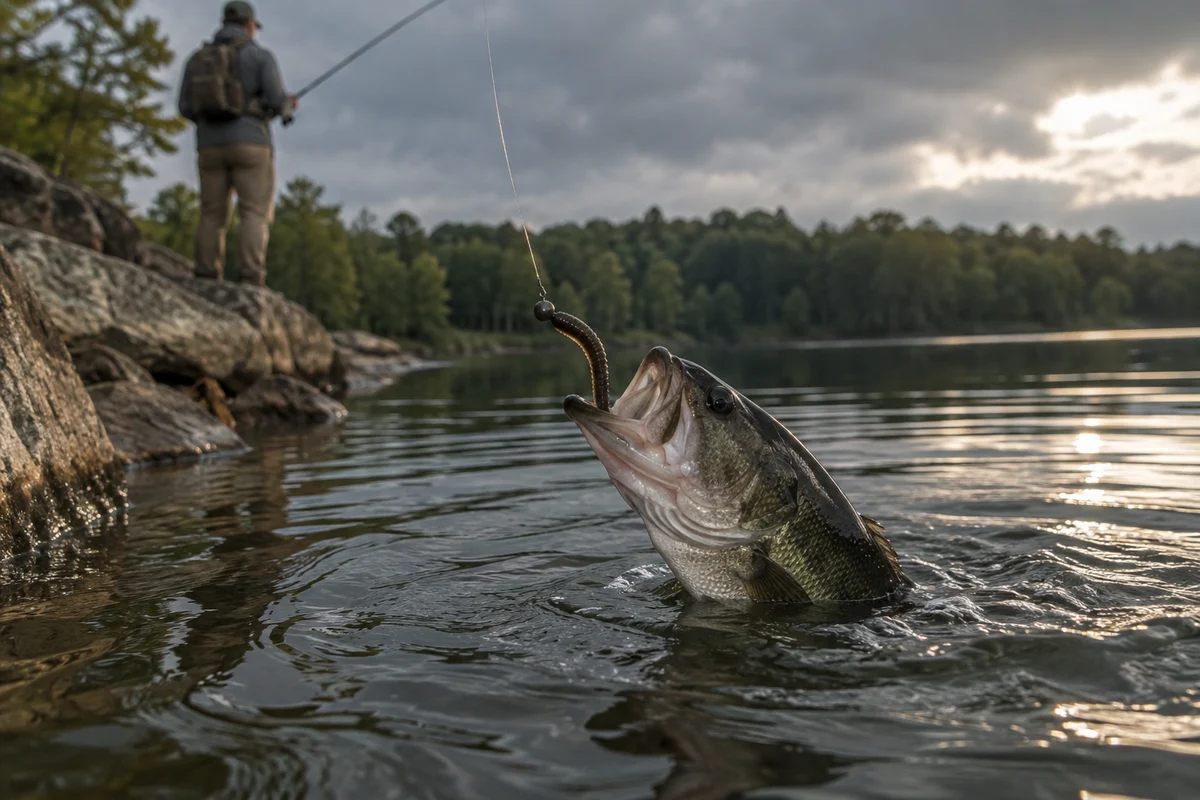
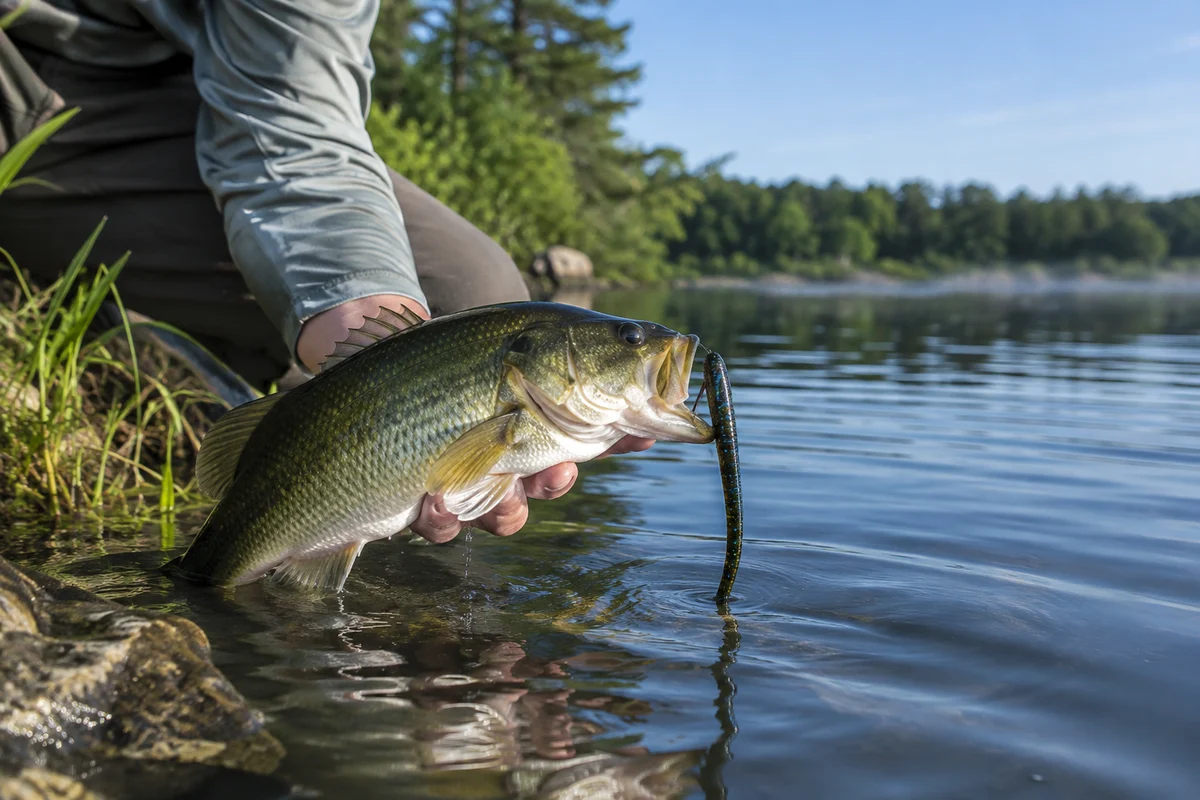
Modo Jackhammer: How to Fish a ChatterBait Effectively
The Modo Jackhammer is a bladed jig built to create vibration and flash around cover. This practical guide explains how to select conditions, choose a trailer, control the retrieve and adapt without assuming every bass or lake responds the same way.
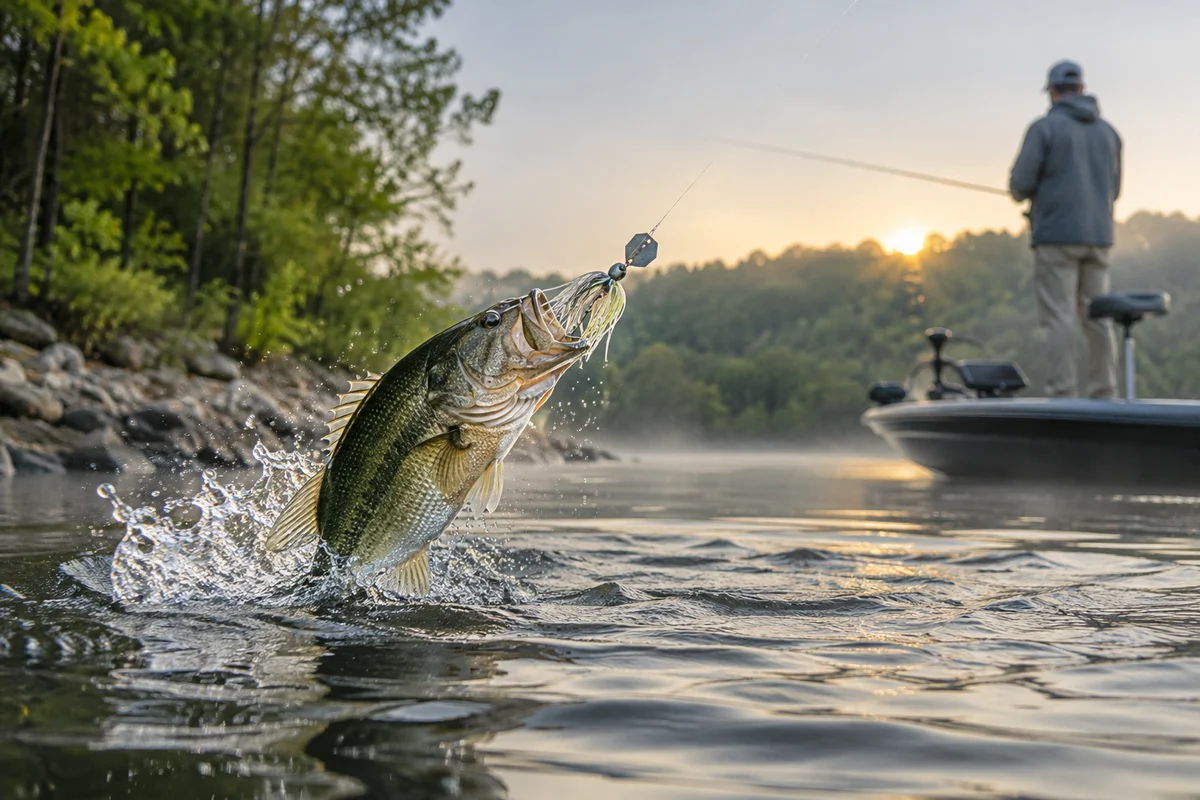
The modo jackhammer is best understood as a bladed jig designed to send vibration through the water as it moves. That makes it a useful search lure when you want to cover water and prompt a reaction, but it is not a magic answer for every season, depth or cover type. Its value lies in presenting a moving profile that can be varied by speed, depth and trailer. The right starting point is not a particular color or a claim about guaranteed action; it is a clear read of the water and a deliberate retrieve you can adjust.
The ChatterBait Jack Hammer is associated with Z-Man and Japanese lure maker Evergreen International. Product details can vary by model and market, so consult the current manufacturer information and packaging for exact specifications. The broader approach below applies to bladed jigs while keeping the distinction between general fishing technique and model-specific facts clear.
What makes a bladed jig useful?
A bladed jig combines a jig-style hook and head with a metal blade at the front. As the lure is retrieved, the blade moves and produces vibration and flash. The resulting disturbance can help a bass locate a moving lure, especially when visibility is limited or fish are spread across an area. It can also be fished beside vegetation, along edges or over submerged structure, provided the cover and local rules suit the presentation.
Vibration does not guarantee a strike. Water temperature, forage, fishing pressure, light, depth and fish behavior all matter. A bladed jig can be one option within a broader approach to bass fishing—remove the space inside the link syntax when publishing. Better, use this correct link: the freshwater bass fishing hub. If fish are tracking but not committing, a more subtle or slower-moving lure may be worth trying rather than simply retrieving the same bait harder.
When should you try a Modo Jackhammer?
Start with conditions in which a moving lure is practical: a shoreline or weed edge you can cover, scattered cover with room to retrieve, or a likely feeding area where bass may respond to vibration. Wind and reduced visibility can make a conspicuous moving presentation worth testing, but neither condition is a rule. In clear, calm water or around wary fish, a restrained speed, a smaller profile or a different lure may be more appropriate.
Think in terms of depth and contact. If the lure reaches the surface immediately, slow down or use a deeper route. If it repeatedly plows into vegetation, change the path or choose a presentation better suited to that cover. A bladed jig is not weedless in every situation; its exposed hook can collect grass or snag branches. Avoid forcing it through dense cover where you cannot retrieve it safely or responsibly.
| Water and cover | Starting adjustment | What to observe |
|---|---|---|
| Shallow edge or flat | Begin with a steady, controlled retrieve | Does the lure track at a consistent depth? |
| Wind-rippled bank | Cover a manageable stretch with a moderate pace | Are bites or follows concentrated near objects or transitions? |
| Clear, calm water | Try a measured retrieve and avoid unnecessary disturbance | Do fish follow without striking? Consider changing profile or lure. |
| Grass or scattered weeds | Retrieve above or along the edge rather than grinding blindly | Is the blade fouling, and can you keep the hook clear? |
| Unknown depth | Make a short test cast and vary retrieve speed | How quickly does the lure rise or descend? |
This is a field decision framework, not a promise that a specific condition will produce fish. Keep notes about location, depth, weather and retrieve; those observations are more useful than treating any one color or cadence as universally best.
How do you retrieve it and choose a trailer?
Begin with a smooth, steady retrieve. Make a short test cast near shore or in open water to confirm the lure is running cleanly and to get a feel for its vibration. Then vary one factor at a time: retrieve speed, depth, pause length or casting angle. If you change several things together, it becomes harder to tell what improved the presentation.
A brief change of pace can help the lure pass a weed edge or an isolated object, but repeated aggressive jerks are not necessary. When the blade stops pulsing or the lure feels unusually heavy, reel in and check for vegetation or debris. A clean-running lure gives you a consistent presentation and helps distinguish a true change in bottom or cover from a fouled bait.
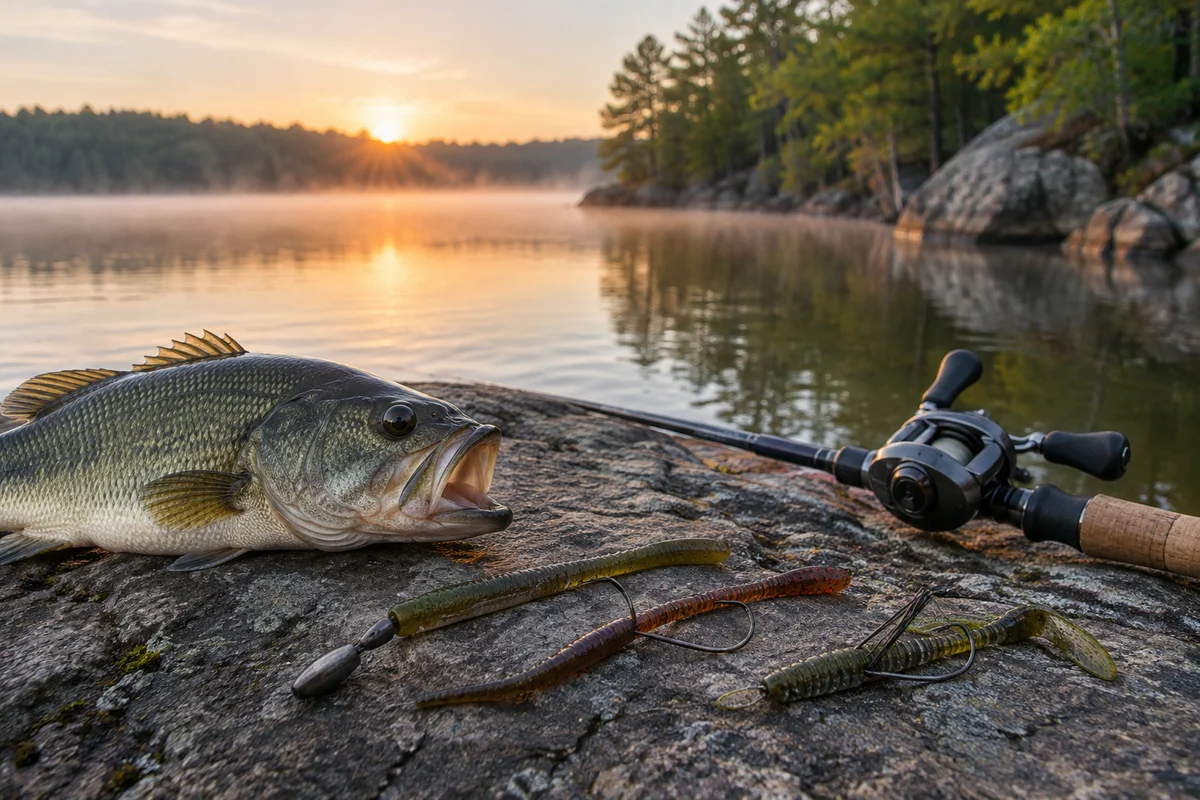
A soft-plastic trailer changes the lure's profile and movement. Choose a trailer that fits the hook and does not prevent the blade from working freely. A compact trailer can keep the overall silhouette restrained; a longer or bulkier one presents more material in the water and may alter the retrieve. These are practical tradeoffs, not fixed prescriptions. Check that the trailer is aligned straight, and replace or reposition it if it slides down or interferes with the hook.
If bass follow but do not take the lure, first test a slower pace or a different angle. Then consider a different trailer size or a switch to another bait. For other moving-lure options, compare the retrieve and conditions in this guide to choosing a spinnerbait for bass and early-season lipless crankbait fishing. These presentations overlap in their ability to cover water, but their profiles, action and snagging behavior differ.
What tackle and safety checks matter?
Use tackle suited to the lure’s listed weight and your local fishing conditions; check the package or current manufacturer specifications rather than guessing. Rod power, line and reel choices affect casting control and how the lure behaves, but there is no single setup that suits every angler, cover type and fishery. Keep the hook covered during transport, handle it with care when removing weeds, and use pliers where appropriate. Follow local regulations, including rules on hooks, seasons and access.
Before fishing, inspect the blade, connection points, hook and trailer for visible damage or looseness. After a snag, avoid pulling hard toward yourself or another person; change your angle if safe, and use suitable retrieval practices. Handle caught fish carefully and release them promptly when required or when choosing to release. The U.S. Fish and Wildlife Service provides broader information about aquatic resources and responsible stewardship; state wildlife agencies are the right authority for local regulations.
A simple on-water decision checklist
- Locate a useful route: Choose an edge, open lane or shoreline stretch you can cover without dragging through dense snags.
- Test the action: Make a short cast and confirm the lure runs cleanly and produces consistent blade movement.
- Set a baseline: Start with a steady retrieve and note the approximate depth and speed.
- Change one variable: Adjust pace, angle, depth or trailer—not all at once.
- Read the response: A strike, follow, fouled blade or lack of contact each suggests a different next step.
- Switch when needed: If conditions or cover do not suit the lure, try another presentation instead of forcing it.
The Modo Jackhammer is most useful when treated as a tool for a particular job: covering water with a vibrating, moving profile. It can help organize a search, but observation should guide what happens next. Let the fishery, cover and lure’s actual behavior determine whether you keep it moving, slow down, change the trailer or reach for something else.
Frequently asked questions
What is a Modo Jackhammer?
It is a ChatterBait-style bladed jig associated with Z-Man and Evergreen International. Verify current model details with the manufacturer, since specifications may vary.
When is a bladed jig useful for bass?
It can be a practical search lure around fishable edges and scattered cover when a moving, vibrating presentation makes sense. Conditions and fish response—not a fixed rule—should determine whether to keep using it.
How should I start retrieving a Jack Hammer?
Check that it runs cleanly, then begin with a steady retrieve. Adjust one variable at a time, such as speed, angle or trailer, and check the lure if its vibration changes or it collects weeds.
Sources & further information
Consult these primary sources for current regulations, technical information and local guidance.