YUM Warning Shot: A Finesse Bait for Tough Bass
The YUM Warning Shot is a compact finesse bait for presenting a subtle profile when bass are cautious. Learn a simple way to choose a rig, control the fall, and adjust your retrieve without overworking it.
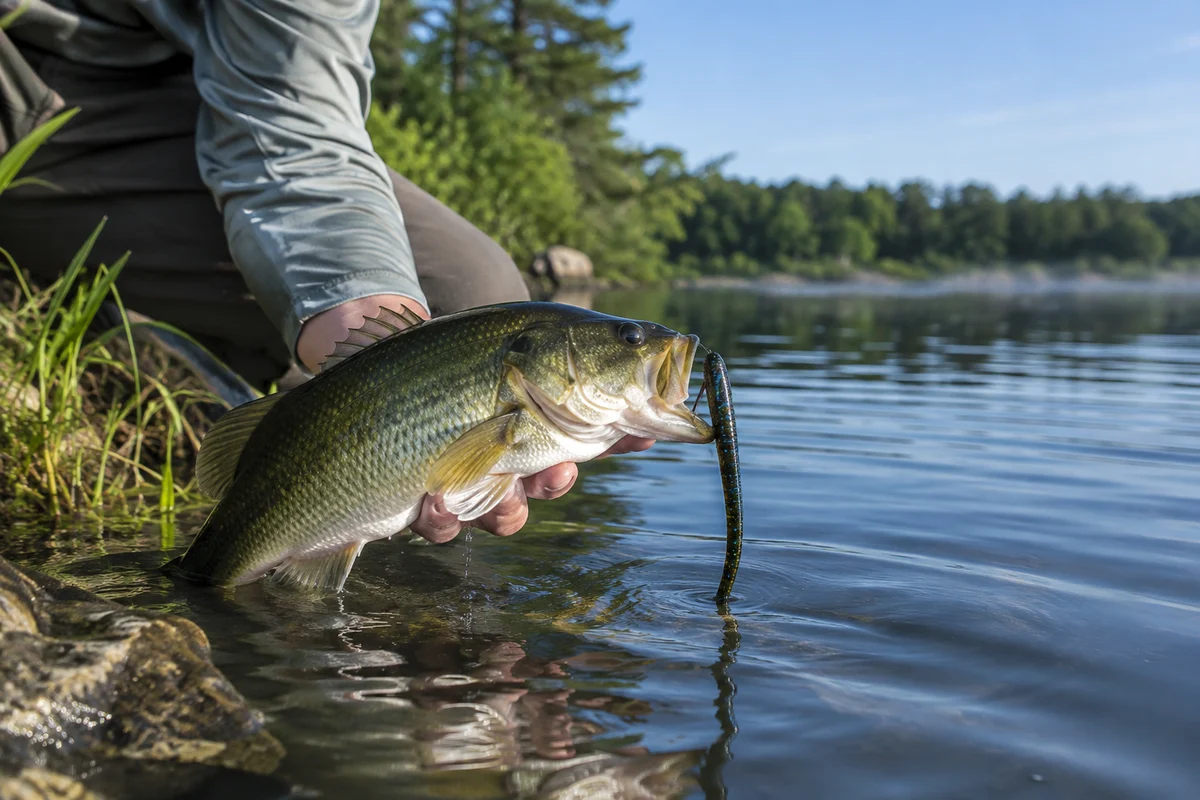
The YUM Warning Shot is a compact soft-plastic finesse bait worth considering when bass are following larger offerings without committing, or when clear water and fishing pressure call for a restrained presentation. Its value is not a promise of more bites; it is a way to show a smaller, quieter profile and keep the bait in a likely strike zone. The best setup depends on the particular package and hook style, so check the manufacturer’s current product information and use the bait’s actual shape and size as your guide.
Think of finesse fishing as a way to manage visibility, fall speed, and contact—not simply as downsizing everything. A light presentation can be especially useful around docks, sparse grass, rock edges, and other places where bass can inspect a lure. For broader seasonal choices, visit the bass-fishing hub, then compare this subtle approach with early-season lipless crankbaits or a larger 10-inch worm presentation.
When does the YUM Warning Shot make sense?
Start with the conditions, not the lure’s name. A compact bait is a sensible option when fish are present but show little interest in a fast-moving or bulky offering, when water is clear enough for bass to inspect details, or when you need a controlled presentation around cover. It can also help you test whether fish are holding close to bottom or suspended just above it.
That does not mean finesse is automatically best in cold water, clear water, or pressured lakes. Bass behavior varies with forage, weather, depth, and local conditions. If fish are actively feeding, a moving bait may cover water more efficiently. A finesse bait is most useful when you can present it accurately and leave it in the relevant zone long enough for a fish to respond.
Use the Warning Shot as one option in a rotation. If there is no interest after several careful presentations to likely holding spots, change one variable: location, depth, fall speed, or bait profile. Changing all of them at once makes it harder to learn what the fish respond to.
How should you rig and fish it?
First inspect the package and the bait. Confirm the intended orientation and any rigging guidance from the manufacturer. Match a suitable hook to the bait’s dimensions and the cover; avoid forcing a hook through the plastic in a way that makes it twist or sit crooked. A straight, natural presentation is easier to control and less likely to spin during the retrieve.
For a basic finesse approach, cast beyond or alongside a target, let the bait settle, and maintain enough line awareness to detect a change in its fall. Use small rod-tip movements or a slow drag to make the bait shift position, then pause. The pause is part of the presentation: it lets the bait remain near a fish rather than pulling it out of the area immediately. Keep movements measured and repeatable before experimenting with sharper hops or a faster retrieve.
A practical starting sequence is:
- Choose a visible target or likely edge, such as a dock corner, a weedline opening, or a transition in bottom composition.
- Cast so the bait reaches the target without landing directly on top of it if that could spook fish.
- Let it sink under control. Watch the line and feel for an unexpected stop or change in tension.
- Move it a short distance, pause, and repeat while keeping contact without dragging it continuously.
- After a few presentations, alter the angle or depth before deciding the spot is unproductive.
If the bait is difficult to feel, use the line as a visual indicator and keep the rod in a position that allows a controlled response. Do not assume every unusual sensation is a bite; rocks, vegetation, and slack line can all change how a finesse bait feels. When you are unsure, pause briefly and make a smooth, controlled hook-setting motion appropriate to your tackle and hook style.
What tackle and conditions should you consider?
A light or medium-light spinning setup is a common starting point for compact soft plastics, but the right rod, line, and hook depend on the bait’s actual size, the cover, and local rules. In open water, lighter line may help a small bait cast and move naturally. Near wood, thick vegetation, or other abrasion hazards, use tackle with enough strength to manage fish safely and avoid leaving line or hooks behind. Do not choose line so light that it compromises fish handling or breaks repeatedly.
Wind and current can make a very light bait difficult to control. In those conditions, improve your casting angle, shorten the distance, or select a suitable rig that keeps the bait manageable. Any added weight changes the fall and feel, so treat it as a deliberate adjustment rather than an automatic upgrade. Check that the hook, weight, and bait are compatible and that the presentation remains balanced.
| What you notice | First adjustment to try | What to watch for |
|---|---|---|
| Bass follow but do not strike | Slow the retrieve and add a pause | Whether fish remain near the bait during the pause |
| The bait falls too quickly | Reduce added weight if the rig allows | Whether you can still reach and hold the target depth |
| Wind bows the line | Cast with the wind or shorten the cast | Better line control without losing contact |
| The bait twists or tracks crooked | Recheck orientation and hook alignment | A straighter fall and more consistent movement |
| Snags or abrasion are frequent | Choose a more suitable path or tackle for cover | Fewer lost rigs and safer fish handling |
Treat this as a decision framework, not a fixed recipe. Product versions, packaging, and recommended rigging can change. If the current manufacturer listing or package differs from an approach described here, follow the current product guidance.
How do you know when to change the presentation?
Give a promising location a few deliberate casts from different angles. If the bait repeatedly passes through the same water without a response, move to another depth or target rather than making endless identical casts. When bass are visibly chasing bait or responding to a faster lure, switch to a moving presentation. For example, lipless crankbaits for early-season bass can help cover water when fish are willing to pursue a more active offering.
If you see a fish but cannot get a response, first consider whether your cast, line, or boat position is disturbing the area. Make the next presentation quieter and allow the bait to settle. If fish are buried in cover, a finesse bait that cannot be delivered or retrieved cleanly is not a useful choice; prioritize a manageable, lawful setup and avoid pulling fish through obstacles in a way that risks injury.
The larger lesson is to use the Warning Shot to answer a fishing question. Is a smaller profile more appealing? Are fish holding near bottom? Does a slow pause matter? Changing one factor at a time gives you a better read than cycling through several colors and rigs without a plan.
Responsible use and product checks
Before fishing, check local regulations for seasons, waters, hook restrictions, and any rules governing live or artificial bait. Handle bass carefully, minimize time out of water, and use tackle appropriate to the cover so you can bring fish in promptly. Retrieve discarded line and damaged plastics; soft-plastic fragments left at a launch or shoreline can become litter and a hazard to wildlife.
Because product details can vary by model and over time, verify dimensions, materials, and recommended rigging with YUM’s current product information or the package in hand. Do not infer a specific feature from a product name or an old listing. For more context on bass presentations and seasonal options, browse the freshwater bass-fishing section and use the conditions on your water to decide whether finesse is the right tool today.
Frequently asked questions
What is the YUM Warning Shot used for?
It is a compact soft-plastic finesse bait that anglers can use when they want a smaller, more restrained presentation. Check the current packaging for the specific model’s details and recommended rigging.
How should I fish a YUM Warning Shot for bass?
Use a controlled cast, watch the bait’s fall, and try short movements followed by pauses near likely holding areas. Adjust depth, angle, and retrieve based on conditions rather than repeating an unproductive cast.
What tackle should I use with the YUM Warning Shot?
Choose a hook and rod-and-line setup that match the bait’s dimensions and the surrounding cover. A light spinning setup is a common starting point, but confirm current manufacturer guidance and use tackle strong enough for responsible fish handling.
Sources & further information
Consult these primary sources for current regulations, technical information and local guidance.