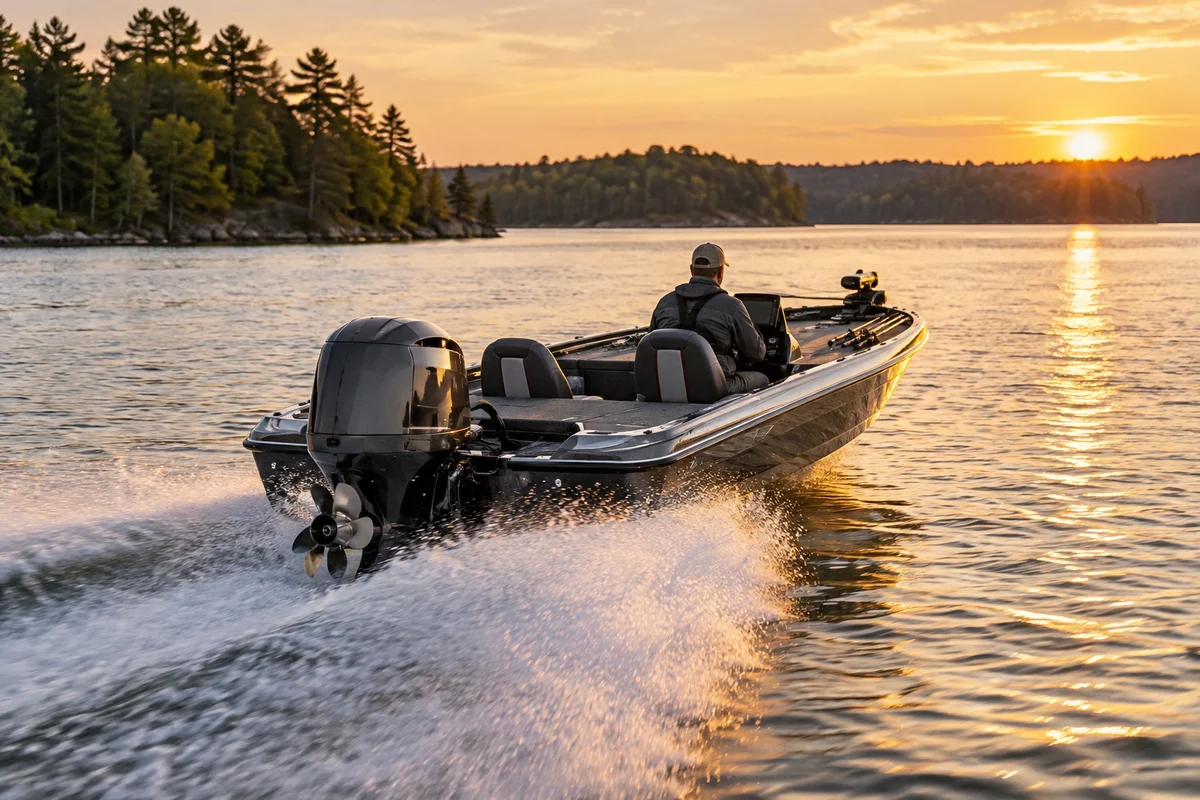
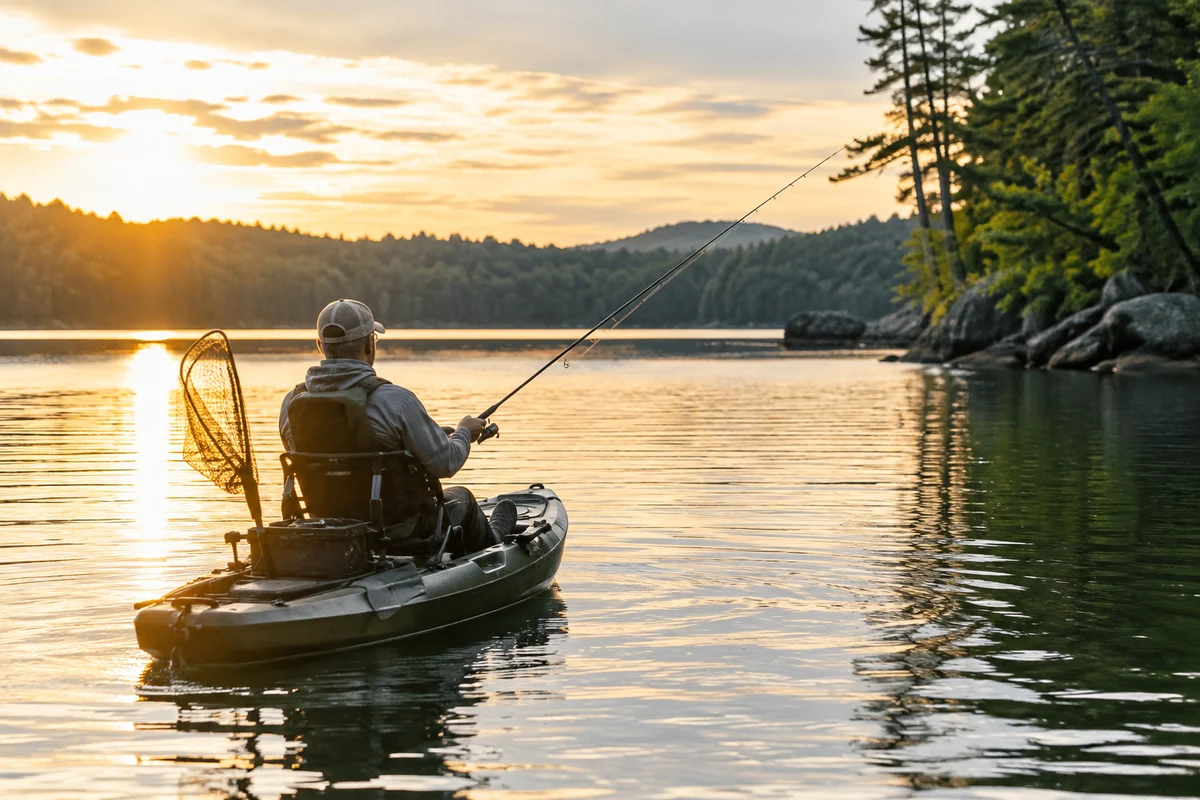
How to Choose Aluminum Boat for Your Fishing Style
The right aluminum fishing boat is the one that fits your water, passengers, launch routine and real gear—not simply the longest or most heavily equipped model. Use this practical framework to compare hulls and layouts before you commit.
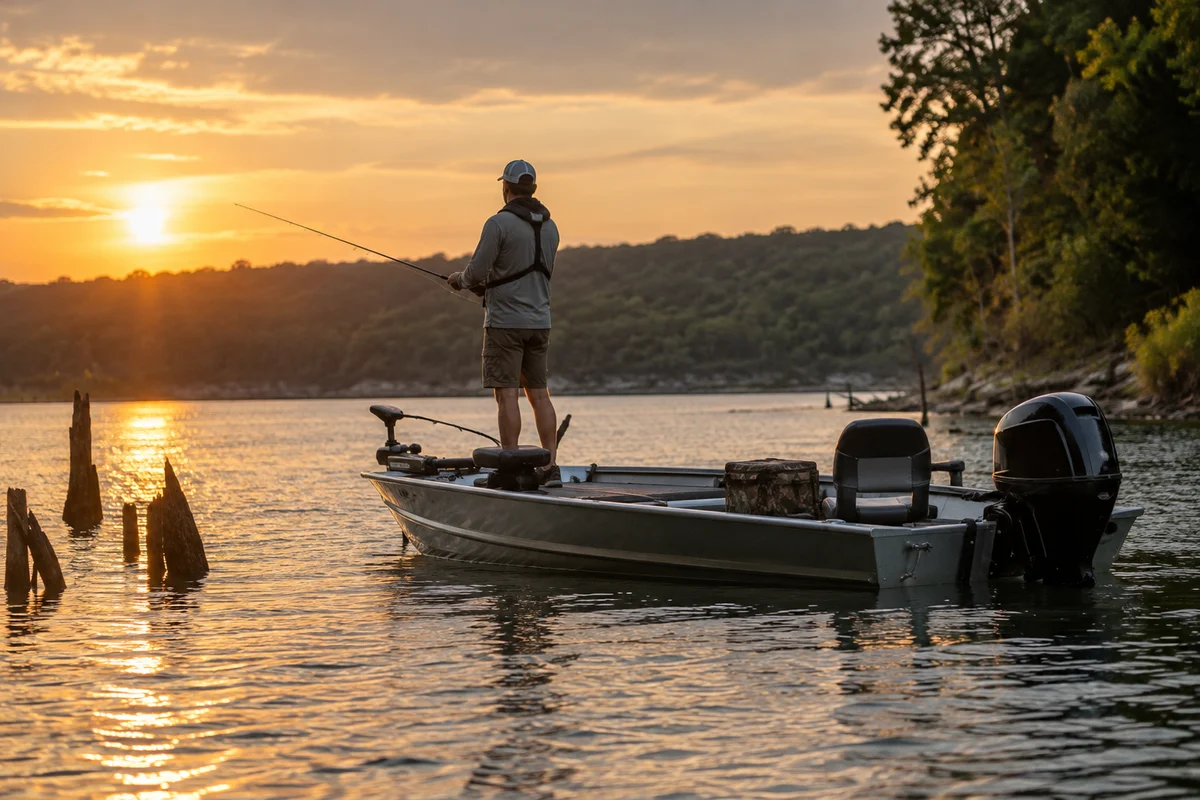
Choosing an aluminum fishing boat starts with a simple question: where will you use it most? If you are researching how to choose aluminum boat options, match hull shape, interior layout, capacity and power to your usual water and crew before comparing brands or feature lists. A boat that feels roomy at a showroom can be awkward at a shallow ramp, while a light rig suited to a small lake may be a poor fit for exposed water.
Xpress Boats is one manufacturer in the aluminum-boat market, but the same evaluation process applies across brands. Model names and specifications change, so verify current capacities, dimensions, equipment and operating guidance with the manufacturer and the specific boat’s capacity plate and documentation. Think first about your use, then compare boats that meet those needs.
What water will the boat need to handle?
Start by listing the places you fish most often, not the most ambitious trip you might take once a year. Note whether you launch on small lakes, reservoirs, rivers, shallow backwaters or larger water with frequent wind and chop. Also consider ramp conditions, how far you travel from the launch, and whether you must load and unload alone.
Hull shape influences how a boat behaves, but no design makes every water condition safe. A flatter-bottomed hull can be practical in shallow, protected water, yet may deliver a firmer ride when waves build. A modified-V or deeper-V aluminum hull generally has a more pronounced entry through chop, though its draft, interior space and handling differ by model. These are broad tendencies, not guarantees: hull dimensions, load, trim, speed, water state and operator experience all matter.
For rivers, consider current, shallow obstacles and the ability to maneuver at low speed. For open lakes, prioritize a suitable hull and enough freeboard for the conditions you actually encounter. Do not treat a marketing label such as “rough-water” or “all-purpose” as permission to exceed the boat’s limits. Follow the manufacturer’s operating guidance, local rules and prudent weather decisions.
Which layout fits the way you fish?
Make a rough inventory of the people and equipment aboard on an ordinary trip. Count passengers, rods, tackle, safety gear, batteries, fuel, anchors and any portable electronics. Then picture each person fishing at the same time. Can anglers move without crossing lines or stepping over stored gear? Is there a safe place to sit while underway? Can you reach essential equipment without blocking the operator?
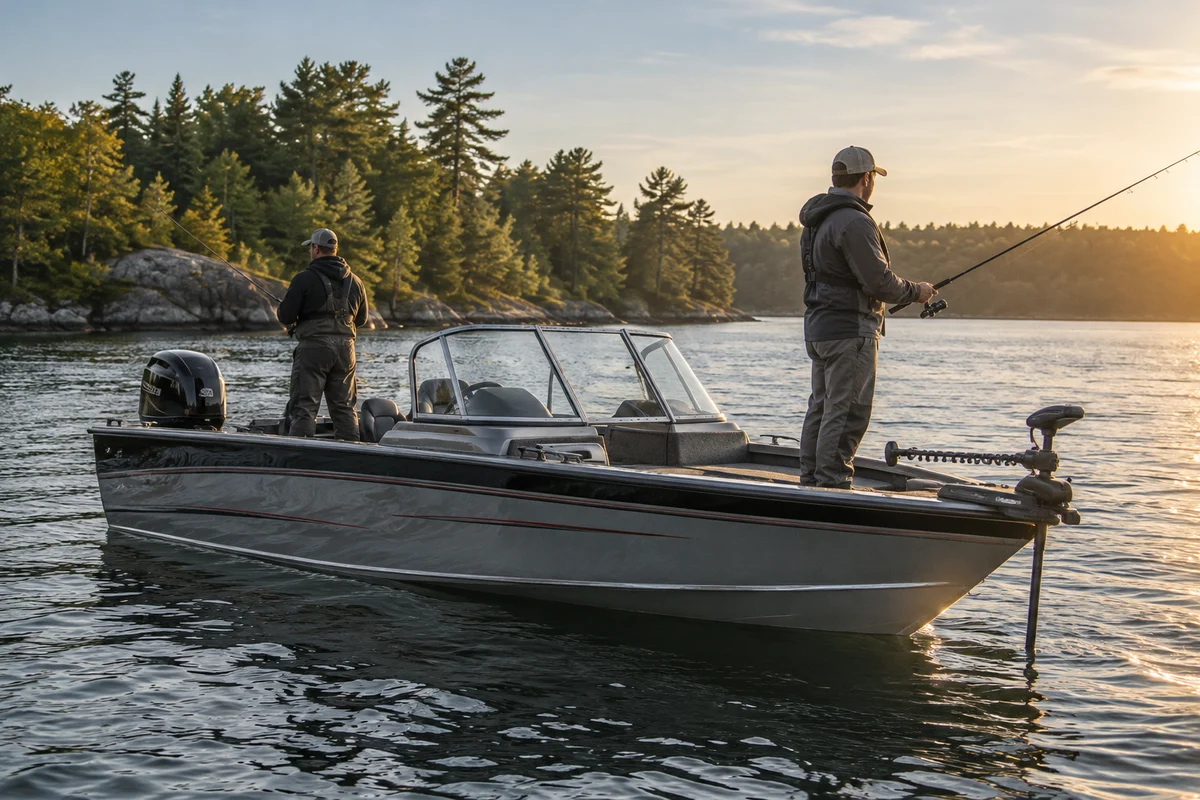
A casting deck may suit anglers who fish while standing and want open floor space. Bench seating and a more open interior can be useful for mixed activities or carrying bulky items. A multi-species arrangement may balance seating, storage and fishing positions, but the actual fit depends on the particular model. Visit or inspect the exact configuration rather than assuming that boats with similar names share the same layout.
Think about access as well as storage volume. A deep compartment is less useful if you cannot retrieve tackle quickly or keep wet equipment separate. Check whether lids stay secure, whether walkways remain clear, and whether frequently used items have a sensible place. If you fish with children or guests, consider stable movement, handholds and seating—not just casting room.
For an existing boat comparison, a Tracker Targa V-20 WT overview can help you think through how a particular fishing layout is presented; verify its current details independently. A Tracker Deep V multi-species boat guide offers another example of the trade-offs implied by a multi-species format. These are comparison points, not endorsements or substitutes for model-specific documentation.
How should you compare capacity, weight and power?
Use the capacity plate and manufacturer’s documentation for the specific hull. Confirm the maximum persons or weight, recommended or maximum horsepower where stated, and any limits that apply to the boat’s configuration. Never infer a safe load from deck size or from a different boat in the same product family.
Remember that capacity is not simply the number of passengers. People, motor, fuel, batteries, tackle and other equipment all contribute to the load. A crowded boat can lose freeboard and maneuverability; unevenly distributed weight can affect handling. Stay within posted limits, distribute cargo as directed by the manufacturer and keep required safety equipment accessible.
| Decision point | What to check | Why it matters |
|---|---|---|
| Hull and water | Hull shape, draft information and intended use | Helps screen for your usual lakes, rivers and conditions |
| Capacity | Capacity plate and exact-model manual | Establishes the boat’s stated limits; do not estimate |
| Motor | Manufacturer’s compatible power guidance | Supports appropriate operation and handling |
| Load | Passengers, fuel, batteries and gear together | Shows whether your normal outing fits within limits |
| Trailer and storage | Overall dimensions, tow vehicle limits and storage space | Prevents a boat that is impractical to move or keep |
| Service and parts | Local service access and manufacturer support | Matters when maintenance or repairs are needed |
Horsepower alone does not tell you how a rig will perform. Hull design, propeller selection, load, setup and water conditions affect operation. For a particular boat, follow the manufacturer’s recommendations and have setup questions answered by a qualified dealer or marine professional. Avoid relying on a top-speed claim from a different configuration as a prediction for your own use.
What should you inspect before deciding?
If evaluating a specific new or used boat, review its documentation and inspect the boat with the seller or a qualified marine professional. Look for visible damage, corrosion, loose or altered fittings, water intrusion, damaged wiring and signs of poor repairs. On a used boat, ask for maintenance records and confirm the identity and configuration of the hull, motor and trailer against their documents. A visual check cannot establish the condition of hidden structures or systems.
Confirm what is included and what is optional. Electronics, trolling motors, batteries, covers and trailer equipment can vary between model years and individual boats. Ask for written confirmation rather than assuming a photograph or general brochure depicts the exact package. Specifications and availability may change; consult Xpress Boats or the relevant manufacturer for current model information and original manuals.
Take time to assess the launch routine, too. Can the towing vehicle handle the fully loaded trailer within its ratings? Is the boat’s width and length compatible with your storage? Do you have a safe way to launch and retrieve in the places you frequent? A boat that is difficult to tow or store may see less use, regardless of its fishing features.
Which trade-offs deserve priority?
A useful decision framework is to separate essentials from preferences. Essentials are the conditions that rule a boat in or out: lawful capacity for your crew, suitable intended water, manageable transport, and a layout that allows safe movement. Preferences include color, added storage, upholstery and optional electronics. Compare price or package details only after confirming a boat meets the essentials; do not let a long feature list obscure a basic mismatch.
If you fish alone, handling, launch convenience and reachable controls may matter more than maximum seating. If you regularly bring several anglers, usable movement and stated capacity deserve extra attention. If your trips span sheltered lakes and larger water, identify which conditions dominate and choose conservatively rather than assuming one hull is ideal everywhere.
A Falcon F195 model overview is another example of how model-specific details can enter a comparison, but verify any current specifications directly. For navigation and electronics planning, the Garmin relief-shading overview may help you frame questions about mapping tools; electronics do not replace local knowledge, safe navigation or attention to conditions.
A practical shortlist before you visit
Write down your usual waters, typical crew, normal load and storage constraints. Set a minimum standard for each, then compare only boats with documentation that supports those needs. At a dealer or inspection, sit in the actual seating positions, open storage compartments, check access to controls and imagine launching with your normal equipment. If possible, ask how the specific configuration is intended to be operated and maintained.
Finally, consult the boat-news hub for related boat coverage, and use primary manufacturer information for current specifications. The best choice is not an abstract “best boat”; it is a well-matched, properly documented aluminum boat that fits your fishing, transport and safety requirements. Leave room in your decision for changing weather, local water conditions and the limits of both boat and operator.
Frequently asked questions
What matters most when choosing an aluminum fishing boat?
Match its hull and layout to your usual water, crew, load, transport and storage. Confirm capacity and operating limits in the exact boat’s documentation.
Is a flatter or deeper-V aluminum hull better?
Neither is universally better. Hull shapes involve trade-offs in shallow-water use, ride and handling; compare the specific boat’s design with your typical conditions and follow its operating guidance.
How do I check an aluminum boat’s safe capacity?
Use the capacity plate and manufacturer’s documentation for that exact boat. Account for passengers and equipment together, and do not exceed the stated limits.
Sources & further information
Consult these primary sources for current regulations, technical information and local guidance.