Wilderness Systems Ride 115X Review: A Practical Fit Guide
A useful, spec-conscious guide to evaluating the Wilderness Systems Ride 115X for fishing, transport and storage. Because versions and equipment can differ, use the checklist to confirm the exact boat in front of you rather than relying on assumptions.
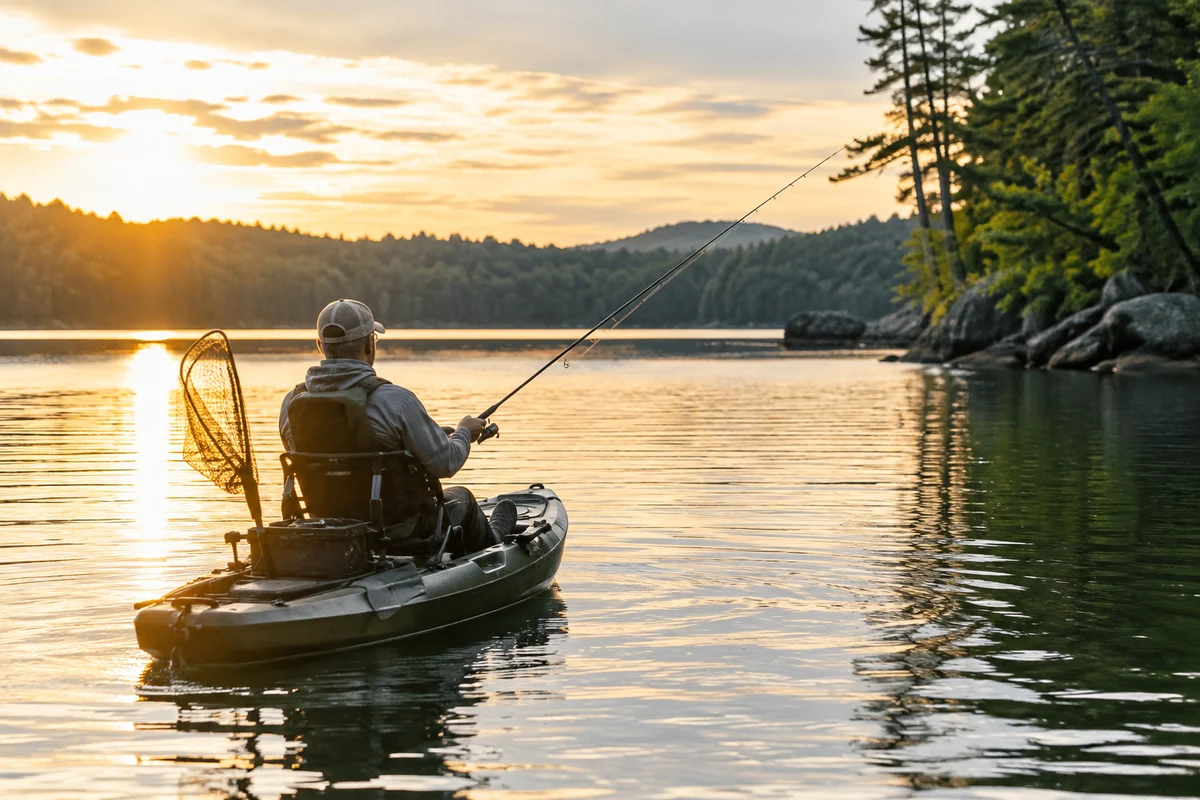
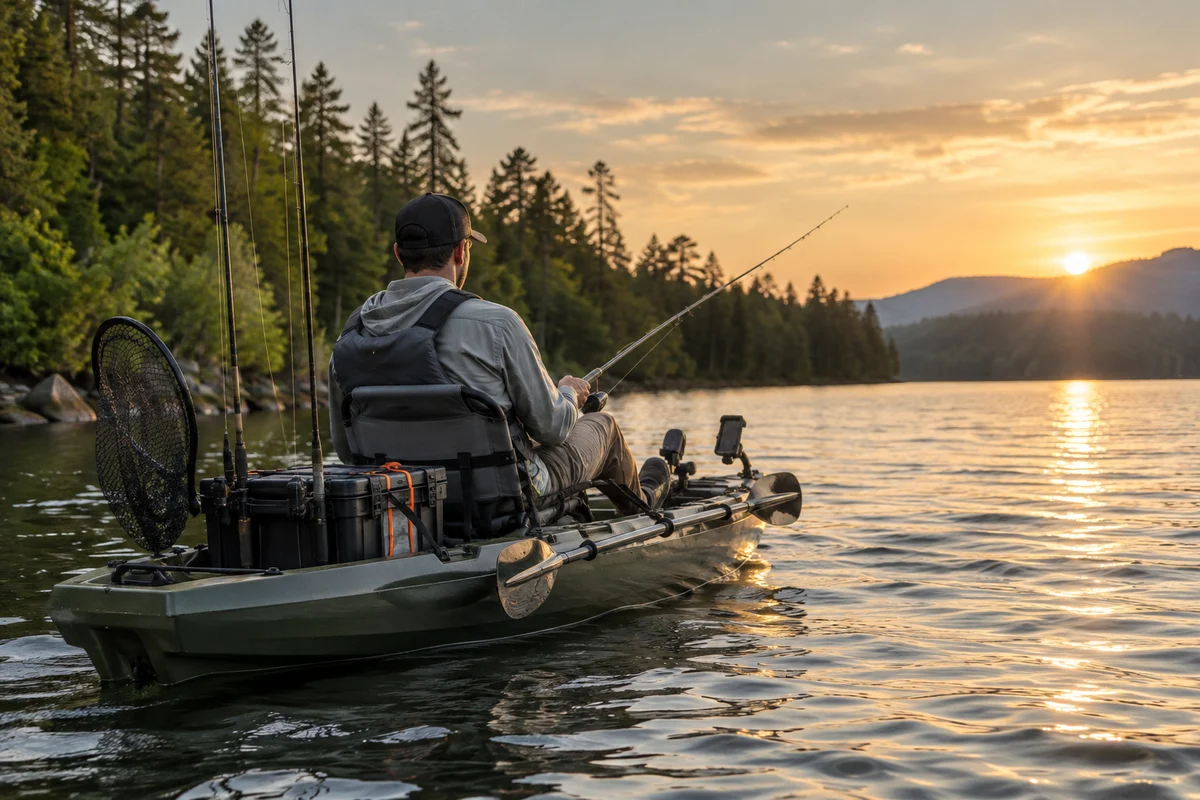
The Wilderness Systems Ride 115X review question is less about whether a fishing kayak looks capable and more about whether a particular hull, outfitting package and transport setup suit your waters. The Ride 115X is a sit-on-top fishing kayak model, but model-year details and included equipment can vary. Treat the name as a starting point: verify the actual boat, its labels and its documentation before making a decision.
This guide focuses on practical evaluation rather than claiming a hands-on test or assuming specifications. If you are considering a used example, inspect it in person where possible and compare it with the owner’s manual and manufacturer information for that exact version. A kayak that fits one angler’s local launches and storage may be a poor match for another’s.
What should a Ride 115X review help you decide?
A useful review should help answer four questions: Can you move and store the kayak safely? Does the cockpit and seating arrangement fit your body and fishing style? Are its condition and outfitting appropriate for your water? And can you transport it without an improvised or unstable setup?
Start with the model identification. Check the hull label, serial or identification information, owner documents and any manufacturer literature available for the specific year. Ask the seller which accessories are included and which have been added later. A rod holder, seat, hatch cover or electronics mount may be original, aftermarket, missing or replaced. Do not assume that two boats with the same model name have identical outfitting.
For official product details, consult Wilderness Systems’ current manufacturer information and request the relevant manual when assessing an older boat. If a specification is not confirmed for that exact version, leave it unknown rather than inferring it from a later model or a similarly named kayak.
How do you judge fit and stability before a trip?
A kayak’s stability is not a single universal feeling. It depends on hull shape, loading, water conditions, posture, experience and how weight is distributed. A broad-feeling platform does not make every movement safe, and standing to cast should never be treated as guaranteed simply because a kayak is marketed for fishing.
If possible, sit in the boat on level ground before purchase. Check that your legs have comfortable room, the seat supports you, and you can reach controls and storage without twisting sharply. Imagine the clothing and personal flotation device you will actually wear. The fit that seems acceptable in a parking lot can feel restrictive after hours on the water.
Before fishing, practice entry, exit and basic paddle strokes in a sheltered, shallow area with a properly fitted, approved personal flotation device. Keep your center of gravity low, avoid sudden reaching, and do not stand unless the manufacturer permits it and you have practiced in safe conditions. Cold water, wind, current and boat traffic can turn a minor wobble into an emergency. Local boating rules and safety recommendations apply regardless of the kayak model.
What should you inspect on a used Ride 115X?
Use a methodical inspection, not a quick glance. Clean the hull enough to see its surface, examine the deck and fittings, and ask about storage and repairs. A used kayak can be serviceable after cosmetic wear, but damage near stressed areas or persistent water entry deserves careful evaluation.
| Area | What to check | Why it matters |
|---|---|---|
| Hull and deck | Deep gouges, cracks, distortions, soft-looking areas or repairs | Damage can affect durability and watertightness; seek qualified advice if uncertain |
| Hatches and seals | Covers seat correctly; seals are present and not obviously damaged | Loose or degraded closures can allow water into storage spaces |
| Seat and adjustment | Supports you; straps, buckles and attachment points are intact | Comfort and secure seating affect control over a long outing |
| Hardware and fittings | Mounts, handles, tracks and fasteners are secure and suitable | Missing or altered parts may require replacement or a compatible setup |
| Identification and papers | Model information and any available manual correspond to the boat | Helps confirm version-specific limits, care and equipment |
| Transport points | Hull sits securely on your rack or cart without shifting | A sound boat still needs a safe, correctly supported transport system |
This is a screening checklist, not a structural certification. If you find a crack, questionable repair or unexplained water inside a compartment, ask a qualified kayak shop or the manufacturer for guidance before relying on the boat. Check the exact manual for capacity and loading limits; do not estimate them from appearance or another year’s specifications.
Is it practical for your fishing routine?
Think through a complete outing, from the driveway to the launch and back. Measure the kayak and your available storage rather than relying on a rough visual estimate. Consider whether you can lift and secure it with help or an appropriate loading aid. A kayak that is manageable on the water can still be awkward on a roof rack, in a garage or on a long walk to the launch.
Next, map the gear you actually use. A compact tackle selection, water, safety equipment and a landing tool all take space. Keep heavy items low and balanced, secure loose gear, and preserve access to essential safety equipment. Avoid loading the deck with accessories merely because mounting space exists; added clutter can snag lines and make movement harder.
For anglers learning to manage wind and drift, our guide to using a drift sock in a kayak explains the role of that tool and the need to account for conditions. Pair equipment choices with sound location planning: our kayak fishing tips for catching more fish offers broader preparation ideas. For a different kind of small-water craft comparison, see the Old Town Penobscot 174 canoe review; a canoe and a sit-on-top kayak serve different needs, so compare your use rather than treating them as interchangeable.
You can also browse the boat news and fishing-boat coverage hub for related craft and equipment topics. Use it as context, not as a substitute for the model-specific manual or a careful inspection.
What setup and safety questions deserve attention?
Before the first outing, check the kayak’s condition, closures, seat attachments and transport hardware. Confirm the manufacturer’s loading guidance for your exact version and distribute gear accordingly. Carry a properly fitted personal flotation device and the safety equipment required by local law. Check weather, water temperature, wind, current, launch access and any local restrictions; postpone if the conditions exceed your skill or the craft’s appropriate use.
A paddle leash can help prevent losing a paddle, but any tether should be arranged so it does not create an entanglement hazard. Keep a whistle or other required signaling device accessible. Tell someone where you are going and when you expect to return, and use a phone or communication device protected for the conditions. These are general paddling precautions, not model-specific guarantees.
If the boat has electronics or aftermarket mounts, inspect installation quality and verify that wiring and attachments do not interfere with hatches, drainage or movement. For navigation equipment questions, our NMEA 0183 reader overview can help clarify terminology; it does not establish which electronics are included with a Ride 115X.
Who may find this kayak a good match?
The Ride 115X may merit consideration if its verified configuration fits your body, fishing approach, transport ability and usual waters. It may be less suitable if you need a craft that is especially easy to carry alone, your storage is constrained, or your normal conditions demand capabilities you have not confirmed for this particular boat. Those are questions to settle with exact measurements, documentation and a realistic launch plan—not assumptions based on a model name.
Use this decision framework:
- Fit: Can you sit comfortably and reach what you need without unstable movement?
- Condition: Are the hull, closures, seat and fittings sound, with questionable damage checked by an expert?
- Capacity: Have you confirmed the exact version’s loading guidance and included gear in its calculation?
- Logistics: Can you store, carry, launch and secure it with your available equipment and help?
- Water: Are your planned locations and conditions appropriate to your experience and the manufacturer’s guidance?
If any answer is unclear, pause and verify it. That is especially important with used boats, modified outfitting and older product documentation. Availability and specifications can vary; contact Wilderness Systems or consult the original manual rather than guessing. The strongest buying decision is a documented match between the actual kayak and your routine, not a broad claim that one model is right for every angler.
Frequently asked questions
Is the Wilderness Systems Ride 115X suitable for a beginner?
It may suit a beginner if its fit, condition and verified capacity match the paddler and intended water. Practice basic handling in sheltered conditions, wear a properly fitted personal flotation device and follow local boating rules.
What should I verify before buying a used Ride 115X?
Confirm the exact model version, available manual, loading guidance and included accessories. Inspect the hull, hatches, seat, fittings and any repairs; get expert advice about damage or unexplained water entry.
Can you stand and fish from a Ride 115X?
Do not assume standing is safe or supported for every version or paddler. Check the manufacturer’s guidance and practice only in suitable, sheltered conditions after assessing your balance, load and water conditions.
Sources & further information
Consult these primary sources for current regulations, technical information and local guidance.