Bush Pilot Survival Kit: Build a Practical Backcountry List
A useful bush pilot survival kit is compact, redundant, and matched to the aircraft, route, season, and time you may need to wait for help. Use this framework to prioritize essentials without treating any checklist as a substitute for flight training or an emergency plan.
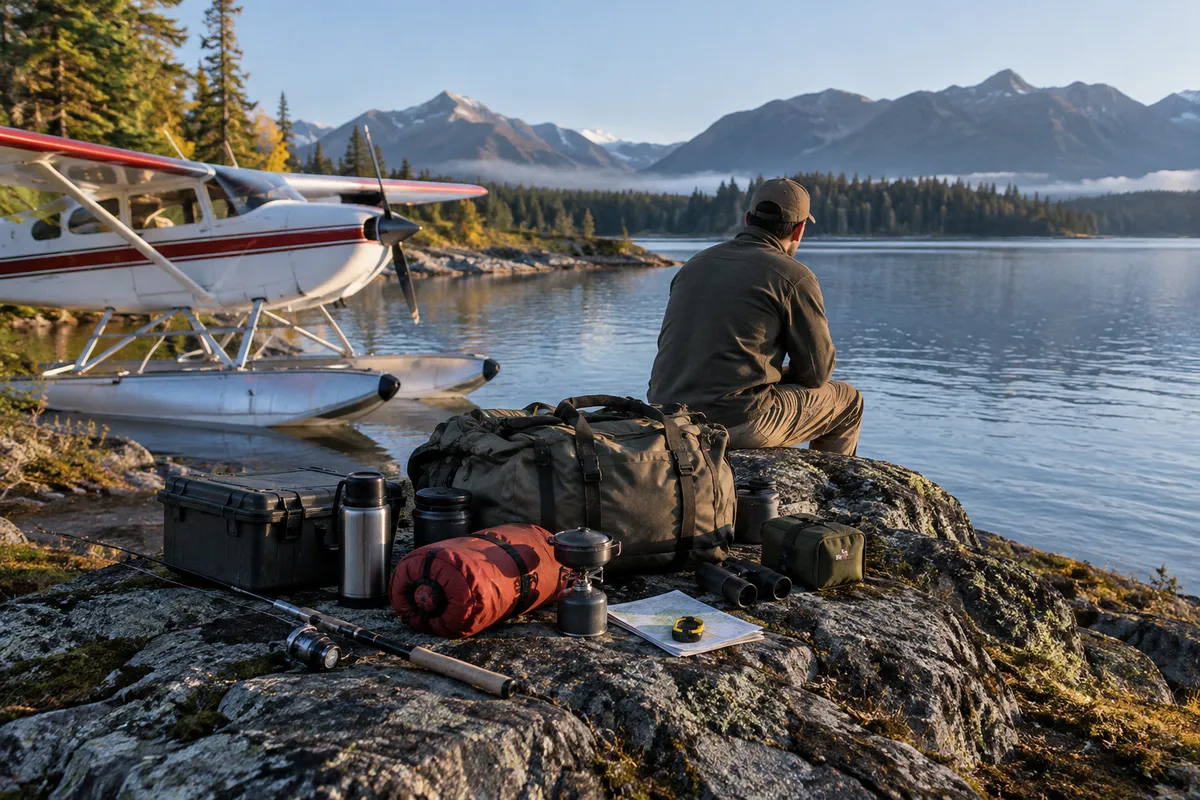
A bush pilot survival kit should help you stay warm, hydrated, visible, and able to communicate if an unplanned landing leaves you waiting for assistance. The right contents depend on the aircraft, passenger count, route, weather, terrain, and local regulations; a small kit for a short summer flight is not a universal answer for a winter crossing. Start with the risks on your route, then choose compact gear that you know how to use and can reach after landing.
Think in layers: communicate and signal, protect people from exposure, provide first aid, and support safe drinking water. Keep critical items secured against movement but accessible, and check the kit before each season and after every use. For broader trip-planning context, browse the camping and hiking hub.
What should a bush pilot survival kit do first?
Prioritize the needs that can become urgent quickly: calling for help, avoiding exposure, and treating immediate injuries. A kit is not a guarantee of rescue. It is one part of a plan that includes a filed route, realistic fuel and weather decisions, passenger briefing, and a clear overdue-aircraft procedure coordinated with the appropriate aviation authorities or operator.
A personal locator beacon or satellite communicator may be appropriate where coverage is limited, but devices differ in how they send distress alerts, whether they support two-way messages, and what subscriptions or registration they require. Learn the exact operation before departure, follow its manufacturer’s instructions, and verify registration and battery condition. Carry a signaling whistle and a bright visual marker as backups; a phone alone may have no service or power when needed.
How do you choose shelter and warmth?
Choose protection for the coldest plausible wait, not merely the forecast at departure. A lightweight emergency bivy or shelter, insulating layer, hat, gloves, and a ground barrier can reduce heat loss, but they do not replace proper clothing or judgment. Wet conditions, wind, snow, and injury can make modest temperatures dangerous.
Pack warmth in waterproof, clearly marked bags. Keep the emergency layer separate from routine clothing so it remains dry if ordinary baggage gets wet. If selecting a sleeping bag for broader camping use, the guide to how to wash a sleeping bag offers maintenance context; for an aircraft kit, favor compact emergency protection that suits the aircraft’s weight and space limits.
Avoid open flames around fuel, spilled fluids, dry vegetation, or an aircraft. Do not use a stove inside an enclosed shelter, and do not assume a fire is practical or safe at every landing site. Any survival tool should be chosen and carried consistently with aviation rules, local laws, and safe handling practices.
What belongs in a field-ready checklist?
Use the table as a starting framework, then tailor it with a qualified flight instructor, operator, or local aviation-safety resource. More equipment is not automatically better: gear that is inaccessible, unmaintained, unfamiliar, or too heavy can undermine the plan.
| Need | Practical kit category | Check before departure |
|---|---|---|
| Communication | Approved aircraft radio procedures; suitable emergency beacon or communicator | Battery, registration, operating instructions, and coverage limits |
| Signaling | Whistle, high-visibility panel, flashlight or headlamp | Working light and spare power stored dry |
| Shelter | Emergency bivy or compact shelter; ground insulation | Suitability for season, passengers, and expected conditions |
| Warmth | Dry insulating layer, hat, gloves, rain protection | Fit, condition, and waterproof packing |
| First aid | Personal medications and a compact first-aid kit | Expiration dates, allergies, and passenger-specific needs |
| Water | Safe container and a treatment method appropriate to local sources | Instructions, shelf life, and ability to use it in cold weather |
| Food | Small, durable emergency rations suited to the group | Dietary needs, packaging, and expiration dates |
| Navigation and light | Map or route information, compass where appropriate, headlamp | Familiarity, spare batteries, and protected storage |
| Repair and utility | Simple, legal tools selected for likely field needs | Secure storage and safe access; avoid unnecessary duplication |
This is a decision aid, not a prescribed aviation checklist. Equipment requirements and recommended practices vary by jurisdiction, aircraft, and operation. Keep aircraft-required equipment separate from personal survival supplies, and confirm the applicable rules with the relevant aviation authority and operator.
How should first aid and water supplies be tailored?
A useful first-aid kit covers foreseeable minor needs while making room for the people actually aboard. Include prescribed personal medication in its original or clearly labeled packaging, and account for allergies, age, mobility, and medical conditions. Learn basic first aid from a recognized provider; packing supplies without knowing their limits can create false confidence. Serious injuries require professional help and careful decision-making, not improvised procedures beyond your training.
Water planning must reflect the route and season. Carry some dependable drinking water when practical, and consider a treatment method only if likely water sources and conditions make it useful. Filters, chemical treatments, and boiling have different limitations; frozen water, sediment, and contamination type can affect what works. Follow product instructions and guidance from public-health or land-management authorities. A water filter is not a substitute for carrying water where no safe source is likely.
Where should the kit go, and how often should you inspect it?
Store the kit so it remains reachable without blocking controls, exits, or required equipment. Secure it against shifting, label it plainly, and brief passengers on where it is and which items are for emergencies. A compact flashlight or whistle may be easier to reach than a large bag buried beneath other cargo, so consider a small personal layer alongside the shared kit.
Inspect supplies before the season and before trips where conditions change substantially. Replace expired medicines and degraded batteries, recharge devices, update registrations where needed, and check seals against moisture. Practice locating key items during a ground briefing. When changing aircraft or passengers, reconsider access, quantity, and weight rather than assuming the old arrangement still fits.
For camp lighting and general outdoor equipment comparisons, see the article on the Fenix CL25R LED lantern. A lantern is not a replacement for an aviation-approved communication or signaling device, but thinking through power, weather protection, and reachable controls is useful when organizing any emergency load.
What mistakes make a survival kit less useful?
The most common failure is choosing gear by appearance rather than by the actual route and the user’s ability to operate it. A second is allowing essential equipment to become inaccessible under luggage. Other avoidable problems include relying on one communication method, packing batteries without checking them, carrying supplies unsuitable for cold, and never explaining the plan to passengers.
Keep the kit simple enough to inspect and use. Avoid adding equipment whose operation you do not understand or whose presence encourages risky decisions. If the aircraft is forced down, follow training and official guidance, protect people from immediate hazards, communicate when possible, and make decisions with the aircraft, site, weather, and rescue plan in mind. The kit supports sound judgment; it does not replace it.
Before the next flight, write down the route-specific hazards, the likely wait for help, and the needs of everyone aboard. Confirm the applicable aviation requirements, then make the kit accessible, dry, and familiar. That process is more reliable than copying a generic list and assuming it covers every remote flight.
Frequently asked questions
What is the most important item in a bush pilot survival kit?
There is no single item for every route. Reliable emergency communication, exposure protection, and a practiced plan are core priorities; choose equipment for the aircraft, region, season, and applicable rules.
Should a survival kit be kept inside the aircraft cabin?
Keep essential items secured and reachable without obstructing controls, exits, or required equipment. Follow aircraft and operator procedures, and brief passengers on access.
How often should I check an aircraft survival kit?
Inspect it before the flying season and before trips when conditions or passengers change. Check batteries, device registration, medication dates, packaging, and familiarity with operation.
Sources & further information
Consult these primary sources for current regulations, technical information and local guidance.