Pontoons as Fishing Machines: Room, Stability and Setup
A pontoon can make fishing comfortable and organized, but open deck space alone does not make it the right boat. Learn how to assess layout, handling, storage and safety before choosing a fishing setup.
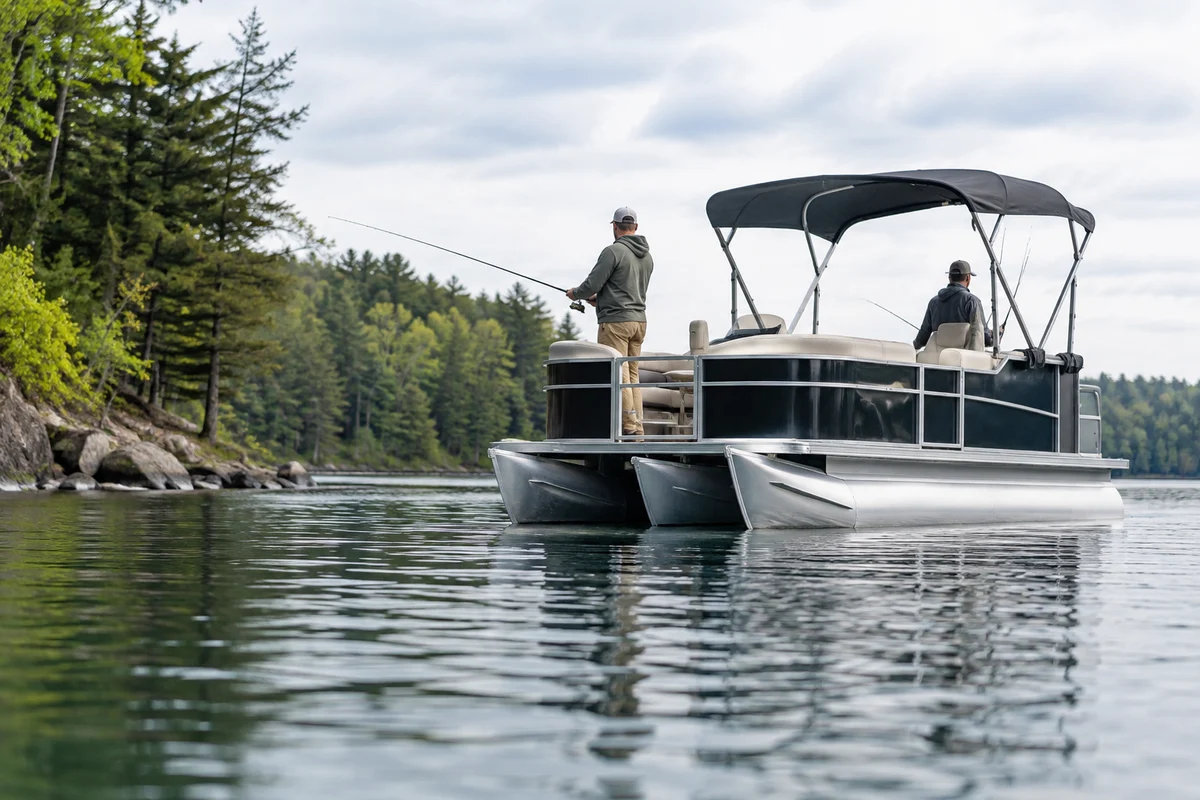
Pontoons as fishing machines make sense when anglers value room to move, a steady-feeling platform at rest and space for people as well as tackle. The tradeoff is that a spacious deck still has to suit the water, fishing methods and crew. Think through how you will use the boat before choosing seating, storage or fishing equipment; those choices affect how usable the platform feels on an ordinary outing.
What makes a pontoon useful for fishing?
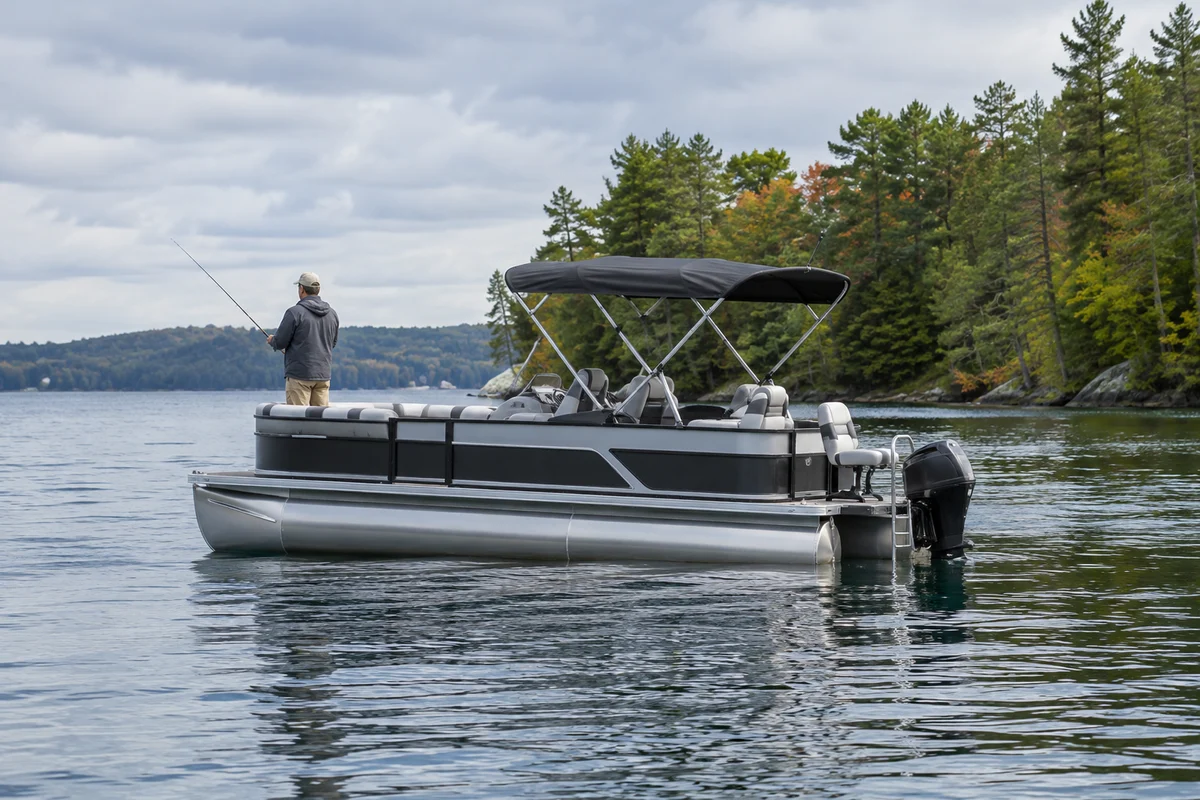
The basic appeal is its open, relatively level deck. Several people can sit or move without being crowded into a narrow cockpit, and the layout can accommodate different activities on the same trip. That can matter to families where some passengers fish while others prefer to relax. A broad deck also gives anglers room to organize rods, tackle and landing tasks, provided those items do not obstruct walkways or overwhelm the space.
A pontoon is not automatically a specialized fishing boat. Some layouts emphasize passenger seating, while others make more room for fishing positions and gear. Look beyond the word “fishing” in a model description: consider where an angler can cast, whether seats interfere with movement, and how a fish can be brought aboard without tangling lines or creating a hazard. A family-oriented design such as the one discussed in this Lowe SD224 overview illustrates the broader crossover question: how much of the boat’s space should serve fishing, and how much should serve shared recreation?
How should you match the layout to your fishing style?
Start with the way you actually fish, not an imagined all-purpose setup. Casting from several positions calls for clear space and sensible separation between anglers. Trolling places different demands on rod placement and keeping lines clear of passengers. Still-fishing may put more value on comfortable seating and easy access to bait and tackle. If your outings combine fishing with swimming or cruising, a flexible layout may matter more than maximizing specialized equipment.
Before settling on a configuration, map the routine: where each person sits or stands, where rods are kept, where tackle is reached, and how someone moves from a seat to the rail. Make sure a landing net, cooler or storage lid will not block the path. Keep heavy items low and distributed sensibly, and avoid stacking loose gear where it can slide or become a trip hazard. If children or less mobile passengers are aboard, prioritize unobstructed paths and stable handholds over adding another fishing accessory.
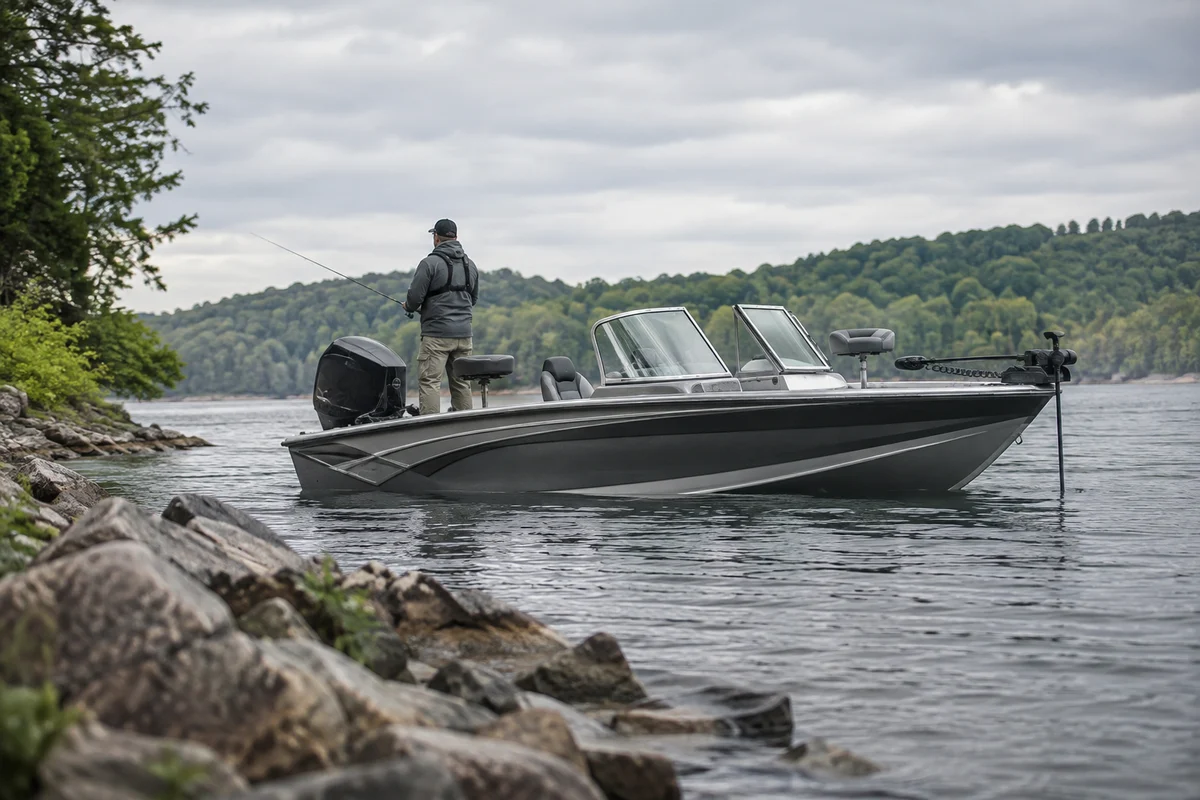
A useful comparison is the Ranger 1880 Angler, which represents a different kind of fishing-boat layout. Comparing a pontoon with a more fishing-focused hull helps clarify what you value: open social space, a dedicated casting arrangement, or a balance between them. Neither format is best for every angler or body of water.
What should you check before choosing a pontoon?
Match the boat to the places you plan to use it. Check the water’s typical exposure to wind and waves, the routes between launch and fishing areas, and any restrictions that apply to your intended destinations. A wide deck is appealing in calm conditions, but open water, changing weather and boat traffic require careful judgment. Do not assume that room or a stable feel at rest means a boat is suitable for every condition.
Review the manufacturer’s stated capacity and operating guidance for the specific boat. Account for passengers, equipment and supplies together rather than treating capacity as a target to fill. Ask how the boat is intended to be loaded and operated, and whether its configuration suits your expected crew. When comparing aluminum fishing boats more generally, this guide to matching an aluminum boat to your fishing style offers another useful lens: choose for the water and methods you use, not just the features that look impressive on a list.
Also consider launching, storage and transport. A boat that fits your fishing plan on the water must still work with your access, towing arrangement and off-season storage. Confirm those practical requirements with the manufacturer and the relevant service providers before making plans.
How can you keep fishing gear organized and safe?
Treat organization as part of the boat’s layout. Stow tackle so it can be reached without leaving gear scattered across the deck. Secure rods when they are not in use, and keep hooks, knives and other sharp tools contained. Coolers and tackle containers should be secured for the conditions rather than left loose. Keep walkways and exits open, especially when several people are aboard.
Consider how electrical equipment, batteries and charging arrangements will fit into the boat. Follow the boat and equipment manufacturers’ installation and use instructions; have uncertain electrical work assessed by a qualified marine professional. Avoid improvised mounting or wiring that could obstruct movement, interfere with controls or create a hazard. For equipment exposed to spray or weather, use products and installation methods appropriate to the marine environment.
Fishing gear also changes the deck over the course of a day. A setup that feels clear at departure may become cluttered after bait, wet clothing and catches accumulate. Decide where those items will go and make a habit of returning tools to their storage location. That small routine helps preserve usable space for everyone.
What are the main limitations of a fishing pontoon?
The same broad shape that provides deck area can bring compromises. A pontoon may not handle like a narrower fishing boat, and wind can affect maneuvering and positioning. Its turning response, draft, speed and ride depend on the particular design, load, power and conditions; avoid assuming one model’s behavior applies to another. Ask for model-specific information and, where possible, assess the boat in conditions resembling your usual use.
Pontoons also reward thoughtful positioning. If anglers fish from several sides, lines can cross, and movement around the boat can disturb casts. Establish simple onboard expectations—where casting is allowed, how hooks are handled and where people move when a fish is being landed. If your fishing depends on stealth, precise maneuvering in tight water or reaching places inaccessible to a larger craft, compare other hull types before deciding.
The key question is not whether a pontoon can be used to fish; it is whether its size and layout fit your particular fishing. A boat designed around passenger comfort can still support casual angling, but frequent, specialized fishing may call for a more dedicated arrangement.
What safety details belong in the plan?
Check weather and water conditions before departure and continue monitoring them while underway. Make sure every passenger has a properly fitting life jacket and knows where safety equipment is kept. The U.S. Coast Guard’s recreational boating safety resources provide official guidance; follow applicable federal, state and local requirements, including any rules for required equipment and operation.
Brief passengers on safe movement, keeping clear of controls and avoiding standing or shifting weight unexpectedly while underway. Keep the operator attentive and free from distractions, and designate a sober operator. Respect capacity limits and the boat’s operating instructions. If conditions change beyond the crew’s comfort or the boat’s intended use, adjust the plan rather than pressing on.
How do you decide whether a pontoon fits?
Write down your usual crew size, fishing methods, typical water and the amount of non-fishing activity you expect. Then use that list to evaluate a real layout: casting room, storage access, clear paths, seating, operating guidance and transport needs. Ask the manufacturer or dealer for model-specific details you cannot confirm from published information, and compare the full arrangement rather than relying on a feature name.
Pontoons work best as fishing machines when the deck supports the people and routines aboard without compromising safe movement. If open space and shared outings are central, a pontoon may be a strong match. If your priority is a specialized fishing platform for particular water or techniques, compare alternatives honestly. The right choice is the one that fits the conditions you fish and keeps the boat manageable for the entire crew. For more boat-related coverage, visit the freshwater boat news hub.
Frequently asked questions
Are pontoons good boats for fishing?
They can be, particularly when anglers want an open deck, room for several passengers and flexible seating. Suitability depends on the boat’s layout, the fishing methods, the water and the crew.
What should I look for in a fishing pontoon layout?
Check for clear casting positions, accessible and secure storage, unobstructed walkways, suitable seating and room to manage rods and landing gear. Compare those features with your usual crew and fishing routine.
Can a pontoon be used on any lake or in any weather?
No. Conditions, boat design, loading and local rules all matter. Follow the manufacturer’s operating guidance, check conditions before and during a trip, and choose water suited to the specific boat and crew.
Sources & further information
Consult these primary sources for current regulations, technical information and local guidance.