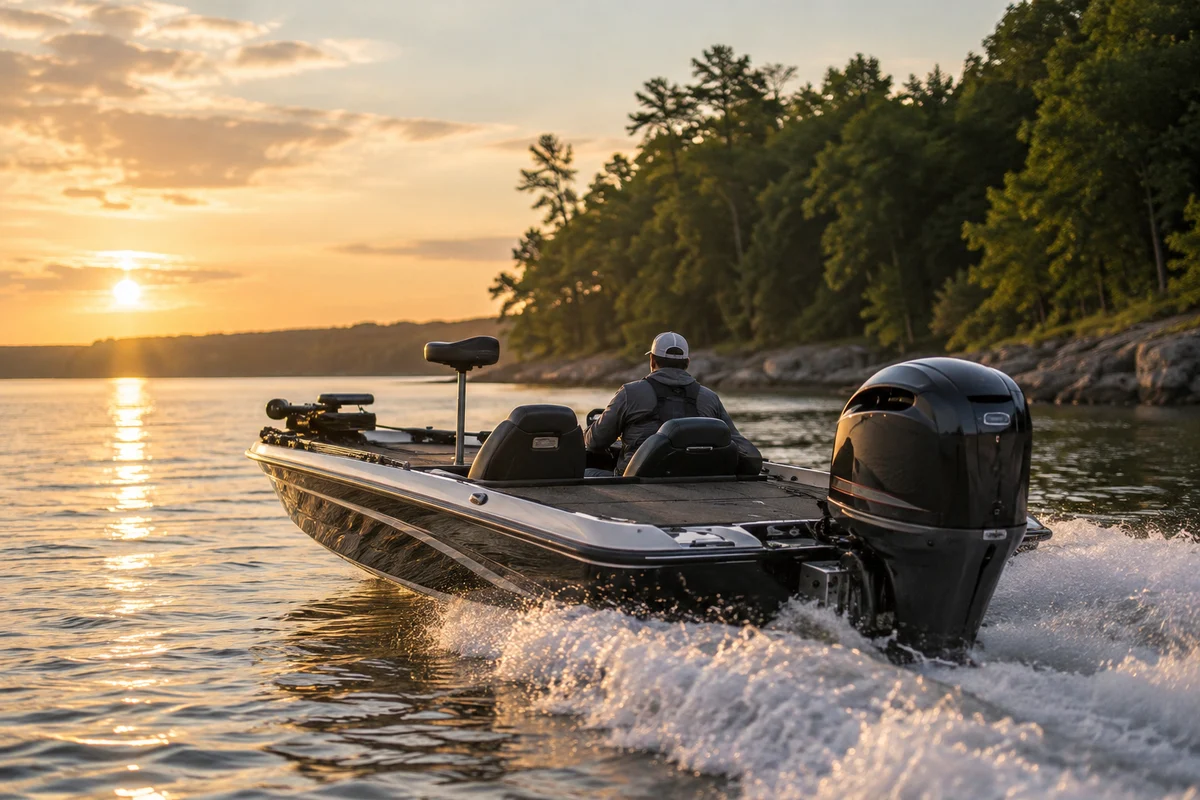
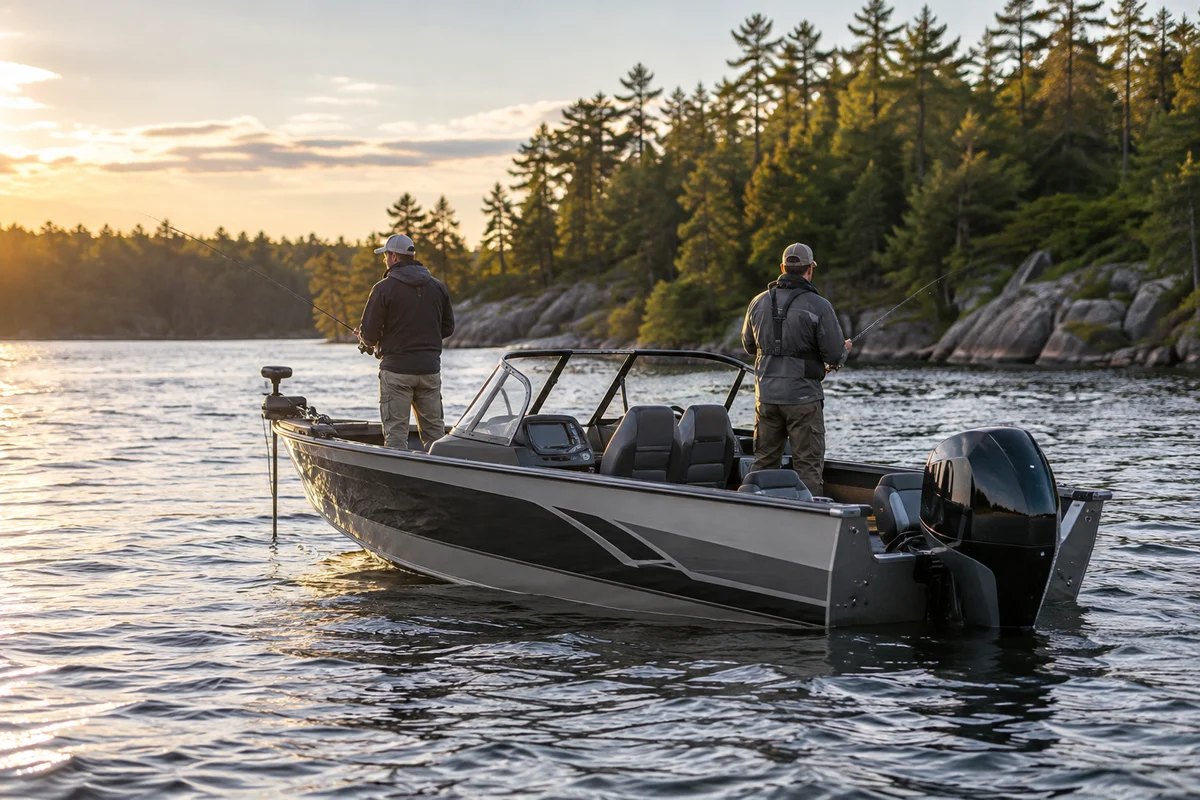
Ranger 1880 Angler: What to Verify Before You Choose One
A model name alone cannot confirm a boat’s year, equipment, or condition. Use this practical checklist to identify a Ranger 1880 Angler, assess its systems, and decide whether its setup suits the waters you fish.
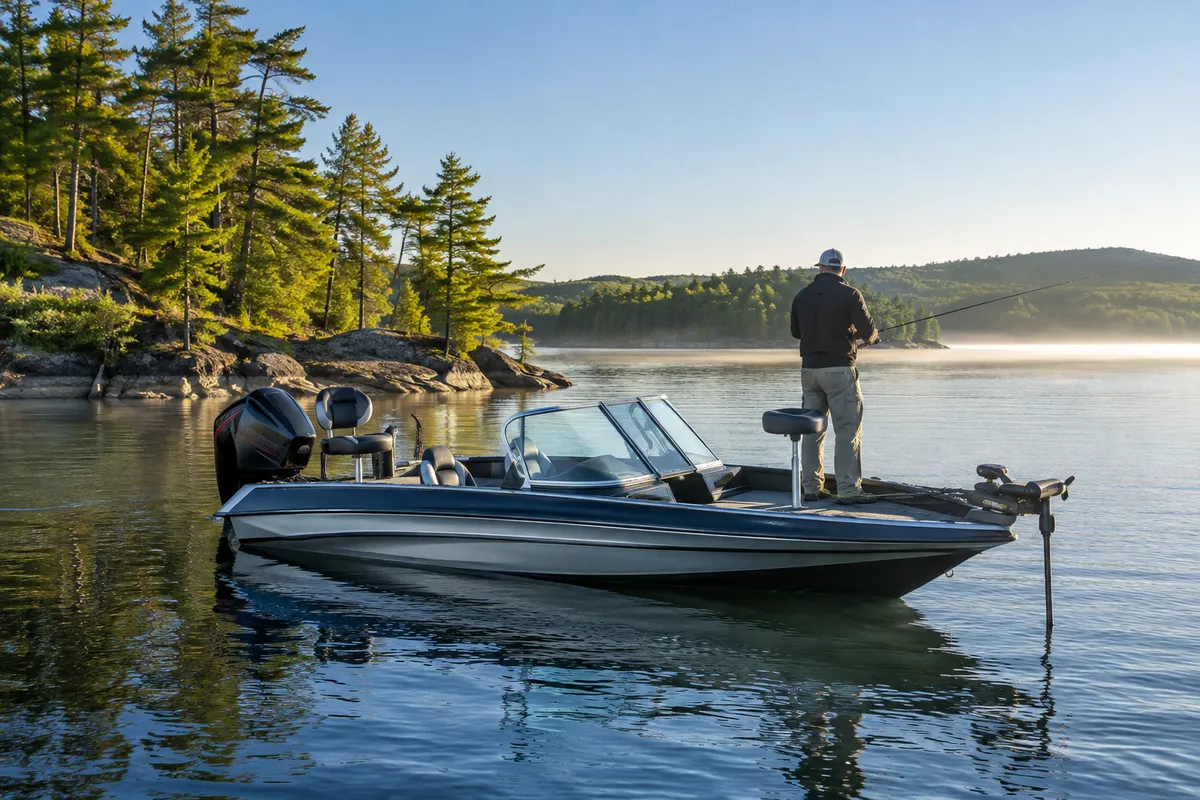
The Ranger 1880 Angler is a name that can lead to an immediate question: what exactly is included on the particular boat you are considering? A model designation does not establish its year, options, condition, or present equipment. Those details matter more than assumptions based on a listing or a familiar name. Start with the boat’s identification and records, then assess its hull, systems, layout, and behavior on the water. The result is a more useful picture of the individual boat—not a guess based on a model label.
How do you identify the exact boat and model year?
Begin with the capacity or certification plate, hull identification number, registration documents, and any available original paperwork. Compare the identifying details across those sources; if they conflict or are difficult to read, ask the relevant registration authority or a Ranger Boats representative how to verify them. Do not infer a year from upholstery, electronics, paint, or a seller’s recollection alone.
Ask for the owner’s manual and any equipment records that remain with the boat. The manufacturer’s official Ranger Boats site is a reasonable starting point for current company information and support, but a current product page may not describe an older boat’s original configuration. If a feature or specification cannot be confirmed for that exact year and version, treat it as unknown until reliable documentation settles the question.
Record what is physically present, including accessories added after the boat left the factory. This distinction helps prevent a replacement component or later upgrade from being mistaken for original equipment.
What should you inspect on the hull and trailer?
Look over the hull in good light, both above and below the waterline where practical. Check for impact marks, repairs, cracks, separation, corrosion, and signs that water may have entered enclosed areas. Pay particular attention to transitions, fittings, and repaired sections. A cosmetic mark is not automatically a structural problem, but neither should a fresh coating or sealant be treated as proof that an issue has been resolved. Have a qualified marine professional assess concerns you cannot confidently evaluate.
Inspect the trailer as a separate system rather than assuming it is sound because it accompanies the boat. Review the frame, coupler, safety chains, tires, wheels, lights, winch, and visible brake components. Confirm that the trailer’s identification and capacity information are legible and appropriate for the boat and equipment it carries. A mismatched or neglected trailer can turn an otherwise suitable boat into a costly project.
If trailering is part of your routine, compare your launch and storage needs with practical options such as the general-purpose considerations discussed in this utility trailer overview. It is a separate trailer topic, not a specification source for this Ranger.
Which onboard systems deserve close attention?
Test the electrical equipment methodically. Check the battery condition and connections, navigation lights, bilge pump, livewell equipment, gauges, switches, and installed electronics. Ask the owner to demonstrate each system and note anything intermittent, disconnected, or untested. A powered-up screen does not prove that its transducer, wiring, or other components work correctly.
Inspect fuel and steering systems for visible damage, leaks, stiffness, or unusual movement. Have a qualified technician examine suspected problems; avoid treating a quick visual check as a substitute for professional assessment. Review maintenance records for the engine and related systems, then compare the engine’s identifying information with the available documentation. Do not assume that an engine, propeller, or electronic unit is original simply because it is installed now.
Create a written list with three columns: confirmed working, present but not tested, and needs attention. This is more useful than a vague overall impression and gives you a clear agenda for a professional inspection.
How can a water trial reveal whether it fits?
A supervised water trial, where permitted and safe, can show how the specific boat behaves under ordinary conditions. Agree in advance on who operates it, which systems will be checked, and what conditions are suitable. Observe starting, steering response, engine operation, vibration, alarms, leaks, and the function of key onboard equipment. Stop if anything seems unsafe or abnormal, and arrange a qualified inspection rather than trying to diagnose a serious fault on the water.
Assess the boat with the people and gear you expect to carry. Consider visibility from the helm, movement between fishing positions, storage access, seating, and how easily passengers can board. A boat can look spacious while empty and feel quite different when loaded with the people and equipment you actually use. Avoid drawing conclusions about capacity from appearance; use the boat’s verified capacity information and follow applicable rules.
Electronics and mapping can also affect how well a boat suits a particular waterbody. For background on one mapping feature, see this explanation of Garmin relief shading; confirm compatibility and installed equipment on the boat itself.
Does the layout match the fishing you do?
Think through a normal outing instead of judging the boat by a list of accessories. Where do passengers sit while underway? Is there room to cast without crowding? Can you reach tackle and safety equipment without blocking movement? Does the livewell or storage arrangement suit your intended use? These questions help connect the boat’s actual layout to your fishing style without assuming that every example has the same options.
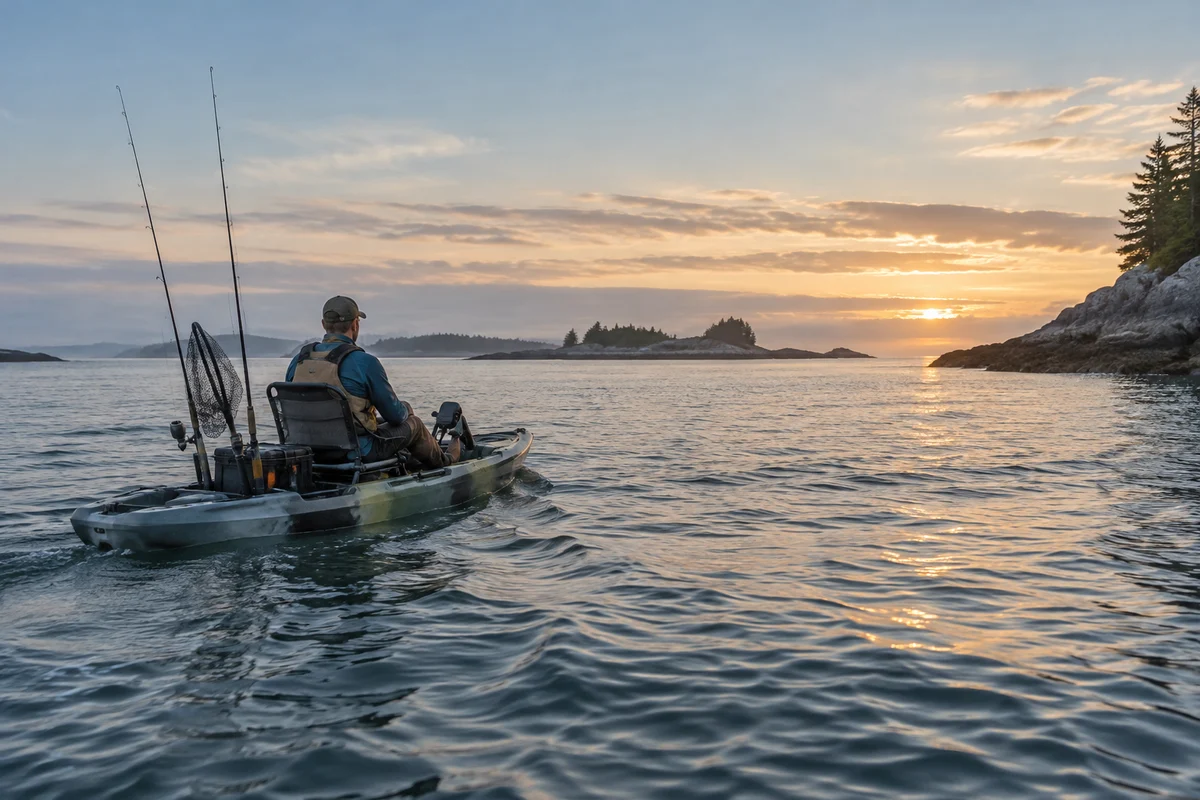
Also consider the places you fish: launch access, typical depth, exposure to wind and waves, and restrictions that apply to the waterbody. Match the boat and its verified capacity to those conditions, and check local regulations before heading out. If your plans include fishing from smaller craft as well, this guide to kayak fishing techniques and planning offers a useful comparison of the different demands involved—not a substitute for boat-specific guidance.
For related coverage of fishing boats and equipment, browse the boat news section. Use it for broader context, while relying on the individual boat’s documents and inspection for model-specific facts.
What records and safety details should you confirm?
Ask for registration and ownership documents, available service records, manuals, and receipts for substantial repairs or upgrades. Check that identification numbers correspond and find out whether any reported damage or repair has supporting documentation. Missing paperwork does not prove a problem, but it leaves questions unresolved; note those gaps and verify what you can through the appropriate authority or a qualified marine professional.
Before using any boat, review the current rules for the jurisdiction and waterbody, including required safety equipment, operator requirements, and registration. The U.S. Coast Guard’s boating safety resources provide general safety information; state and local requirements may add details. Check the boat’s capacity information, keep required safety gear serviceable and accessible, and make sure everyone aboard understands basic emergency procedures.
A sound decision comes from joining the evidence: verified identity, a condition assessment, functioning systems, a suitable layout, and a safe, legal plan for use. If any critical point remains uncertain, pause and get the right documentation or inspection before committing. That careful process is more reliable than treating “1880 Angler” as a complete description of the boat in front of you.
Frequently asked questions
Does the name Ranger 1880 Angler confirm the boat’s year or equipment?
No. Verify the individual boat’s identification, registration, manuals, and installed equipment. Options and later changes can differ, so do not infer a specific configuration from the model name alone.
What should I check first when evaluating a Ranger 1880 Angler?
Confirm the boat’s identity and paperwork, then inspect the hull, trailer, electrical and mechanical systems, and safety equipment. Arrange a qualified marine inspection for concerns you cannot assess yourself.
Can I rely on an online listing for model-specific specifications?
Treat a listing as a starting point, not proof. Compare its claims with documentation for the exact year and configuration, and ask the manufacturer or a qualified marine professional about unresolved details.
Sources & further information
Consult these primary sources for current regulations, technical information and local guidance.