Plano Minnow Bucket: Keep Live Bait in Better Shape
A minnow bucket is only one part of keeping live bait in good condition. Learn what to check on a Plano bucket, how to manage water and temperature, and how to clean it after a trip.
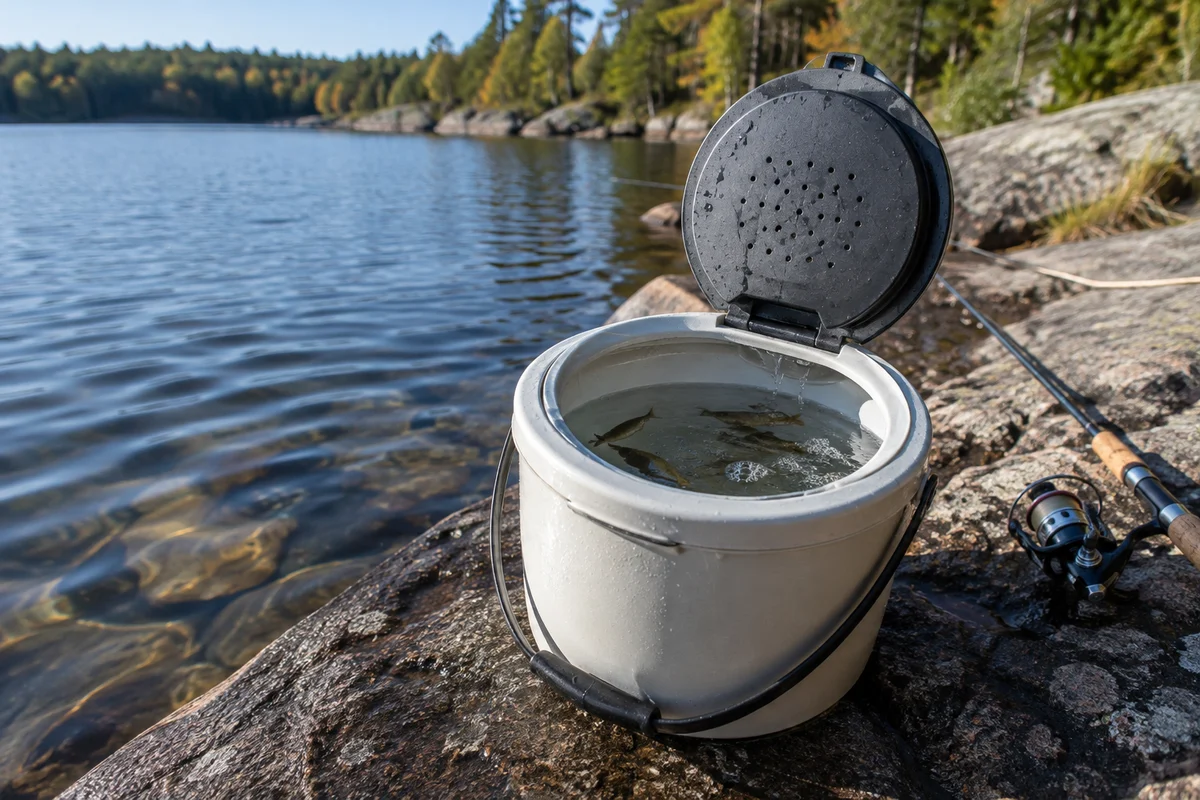
The Plano minnow bucket is a familiar kind of bait container, but the name alone does not identify one fixed design: product versions and features can differ. Instead of assuming a particular bucket has a specific insert, lid, or aeration system, check the model label and manufacturer instructions. The sound approach is to match the container to your bait, keep the water conditions stable, and make handling and cleanup easy. These basics fit into a broader freshwater fishing tips hub, whether you are preparing for a short outing or carrying bait to a fishing spot.
What should you know about the Plano minnow bucket?
A minnow bucket is meant to hold live bait in water during transport and use. Some bait containers have a removable perforated inner basket that can be lifted to separate bait from water; others may use a different arrangement. Do not assume that a product described informally as a Plano minnow bucket includes a particular feature. Look at the exact model, its current product information, and any instructions supplied with it.
The word “drainer” in an old headline or description is not enough to establish which model or design revision it referred to. If you are comparing a bucket you already own with a listing or a replacement part, use the model name or number printed on the item and confirm compatibility directly with the manufacturer. When those details are unavailable, treat the bucket as a general bait container rather than guessing at its capacity or construction.
What should you check before choosing a bucket?
Start with the bait and the trip, not with a feature claim. Consider how much bait you need, how far you will carry it, whether the container will be exposed to sun, and whether you can refresh or manage the water along the way. A container that is easy to carry when empty may be awkward when filled, so think about the weight of the water as well as the bucket itself.
Inspect the lid and closures for a secure fit, the handle and attachment points for damage, and the body for cracks or rough edges. If the design has an inner basket, check that it sits securely and can be lifted without spilling. If it has an aeration accessory, confirm that the accessory is included, works as directed, and is suitable for your planned use; do not assume aeration is built in. Product details can change, so consult the manufacturer rather than relying on an old description or a visually similar model.
A wide opening can make it easier to add or retrieve bait, while a stable shape can reduce the chance of tipping on a level surface. Those are practical considerations, not guarantees about any particular Plano model. Bring only the amount of bait you can reasonably care for, and avoid crowding the container.
How do you keep minnows in better condition?
Begin with clean water appropriate for the bait and the location where it was obtained. Sudden changes in water temperature or chemistry can stress fish. When practical, avoid moving minnows directly from very cold or warm water into water with a noticeably different temperature. Keep the bucket shaded, out of a hot vehicle, and away from direct sun. Shade does not replace attention to water condition, but it helps limit rapid warming.
Give bait room. Too many fish in too little water can quickly make conditions harder to manage, especially in warm weather or during a long journey. If the water becomes dirty or the bait shows signs of stress, respond carefully: use clean, suitable water and avoid abrupt changes. An aerator can help maintain dissolved oxygen when used correctly, but it is not a substitute for sensible stocking, temperature management, or checking the bait. Follow the instructions for any equipment and keep batteries or electrical components protected from water as directed.
Keep the lid secured when carrying the bucket, while making sure any ventilation or aeration arrangement is not obstructed. Avoid leaving the container in a closed, sunlit car. For a long drive, plan a way to monitor conditions and refresh water safely rather than assuming a bucket will keep bait healthy indefinitely. Bait needs vary by species and conditions; if you are unsure, ask a local bait professional or consult your state wildlife agency’s guidance.
When is a removable basket useful?
If your particular bucket has a perforated inner basket, it can make some routine handling simpler: lifting the insert may let water drain back into the outer container while you select bait. Verify that the basket is designed for that purpose and fits securely. A basket can reduce the need to reach into the water, but it does not make handling risk-free; lift steadily, keep the opening over the bucket, and return unused bait promptly.
A draining insert is not necessarily a water-treatment feature. It does not by itself add oxygen, control temperature, or keep bait alive for a guaranteed period. If your bucket has no insert, use a small bait net or another appropriate method rather than improvising with a tool that could injure the fish or damage the container. The precise setup depends on the model and the bait you are using.
How should you transport bait and follow local rules?
Secure the bucket upright so it cannot slide or tip. Keep it shaded and accessible enough to check, but do not place it where it can spill onto a road or interfere with safe driving. At the fishing site, set it on stable ground near the water without letting it roll or fall in. Keep the lid closed between uses and minimize unnecessary handling.
Before transporting or using live bait, check the rules for the state and waterbody. Regulations can address which species may be used, where bait may be collected, and whether bait or water may be moved between waters. Do not release unused bait or dump its water into another lake or stream unless local rules expressly allow it. The Minnesota Department of Natural Resources is one example of a state agency that publishes fishing and bait guidance; anglers should consult the agency responsible for their own location. For more on a different cold-water outing, see these ice fishing tips for tullibee on Lake Winnibigoshish.
How do you clean and store the bucket?
After the trip, empty the container responsibly and follow local rules for bait and water disposal. Rinse away residue, then clean the bucket and any removable parts using a method appropriate to the manufacturer’s instructions. If you use a cleaning product, make sure it is thoroughly rinsed away before the bucket is used again; residue can harm live bait. Let the parts dry fully before storage to discourage odor and buildup, and inspect the lid, handle, seams, and basket for wear.
Store the bucket out of direct sun and away from chemicals, fuel, and sharp objects. Keep small accessories together so they are available next time, but do not store batteries in an aerator or accessory if its instructions advise removing them. A quick inspection before leaving home can catch a loose closure or damaged handle before the container is filled.
How does a bait bucket fit into a fishing setup?
A dependable bait routine is part of preparation, not a guarantee of a catch. Match the bait to the fishery and legal rules, keep handling simple, and organize tackle so you are not leaving the bucket open while searching for gear. For example, review a San Diego jam knot guide before rigging if that knot suits your line and connection, and learn how a Kastmaster XL spoon differs as an artificial-lure option. Those approaches serve different situations, but both underscore the value of preparing equipment before you reach the water.
The best Plano minnow bucket for your use is the exact model you can identify, carry, close, and clean reliably. Verify its features from current manufacturer information, manage water and temperature with care, and check local bait rules. Those habits matter more than an unverified claim about a design revision.
Frequently asked questions
Does every Plano minnow bucket have a removable drainer basket?
Not necessarily. Designs and versions can differ, so check the model label and current manufacturer information to confirm whether a particular bucket includes a removable basket or other feature.
Does a minnow bucket keep bait alive all day?
No container can guarantee that. Bait condition depends on factors such as water quality, temperature, crowding, duration, and whether any aeration equipment is used correctly. Monitor conditions and follow guidance for the bait species.
Can I move unused minnows or bucket water to another lake?
Do not assume that is allowed. Rules vary by location and can restrict transporting bait, moving water, or releasing bait. Check the regulations for the specific waterbody and follow local disposal guidance.
Sources & further information
Consult these primary sources for current regulations, technical information and local guidance.