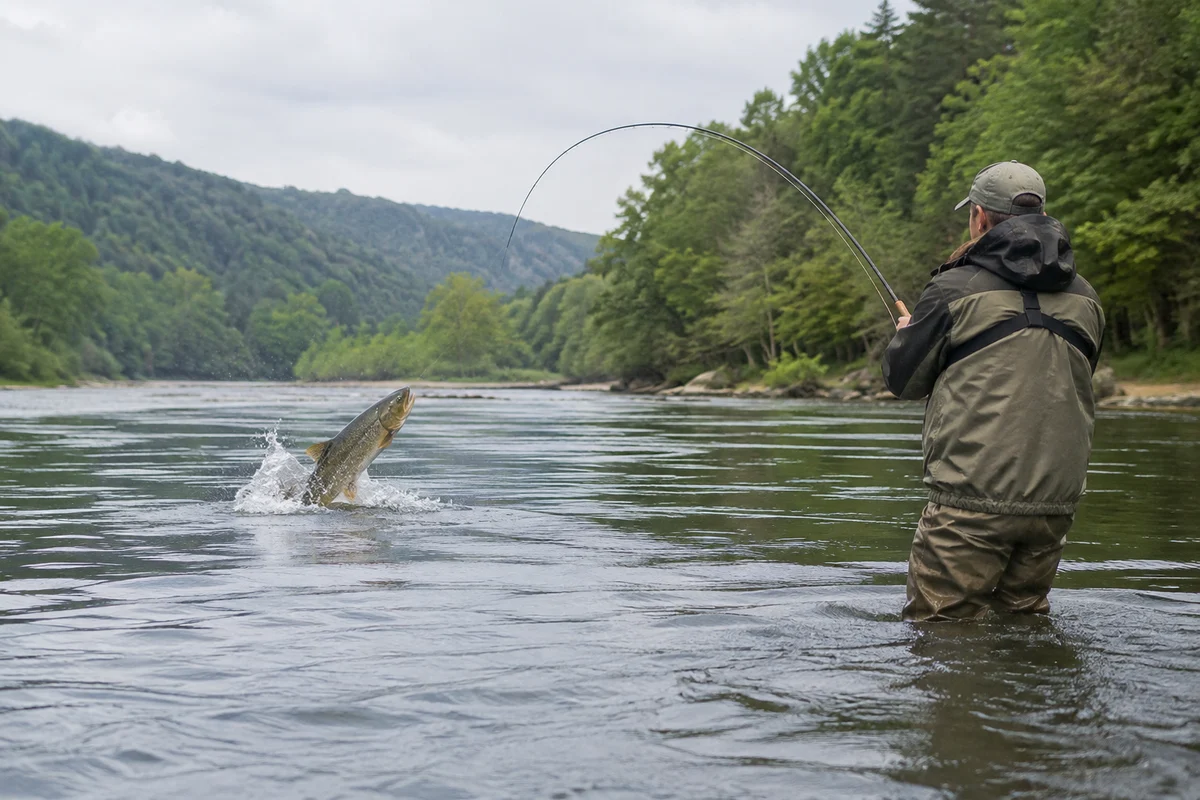
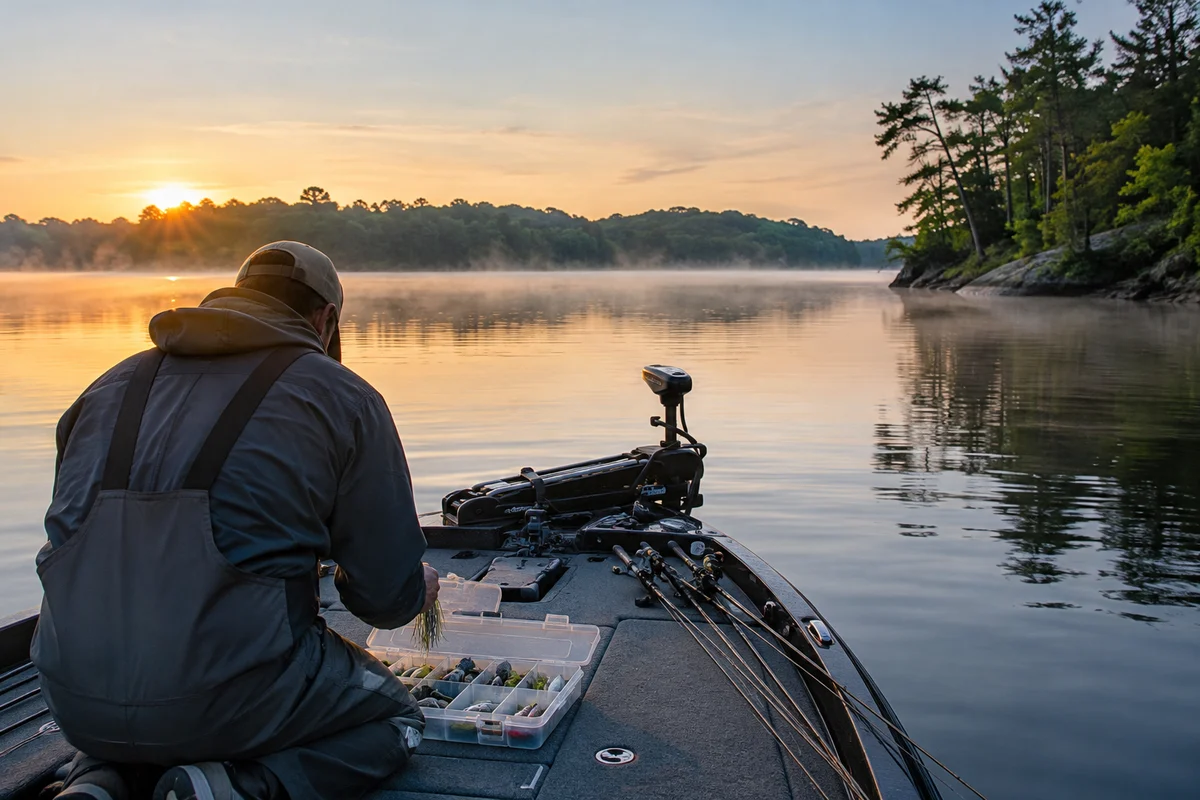
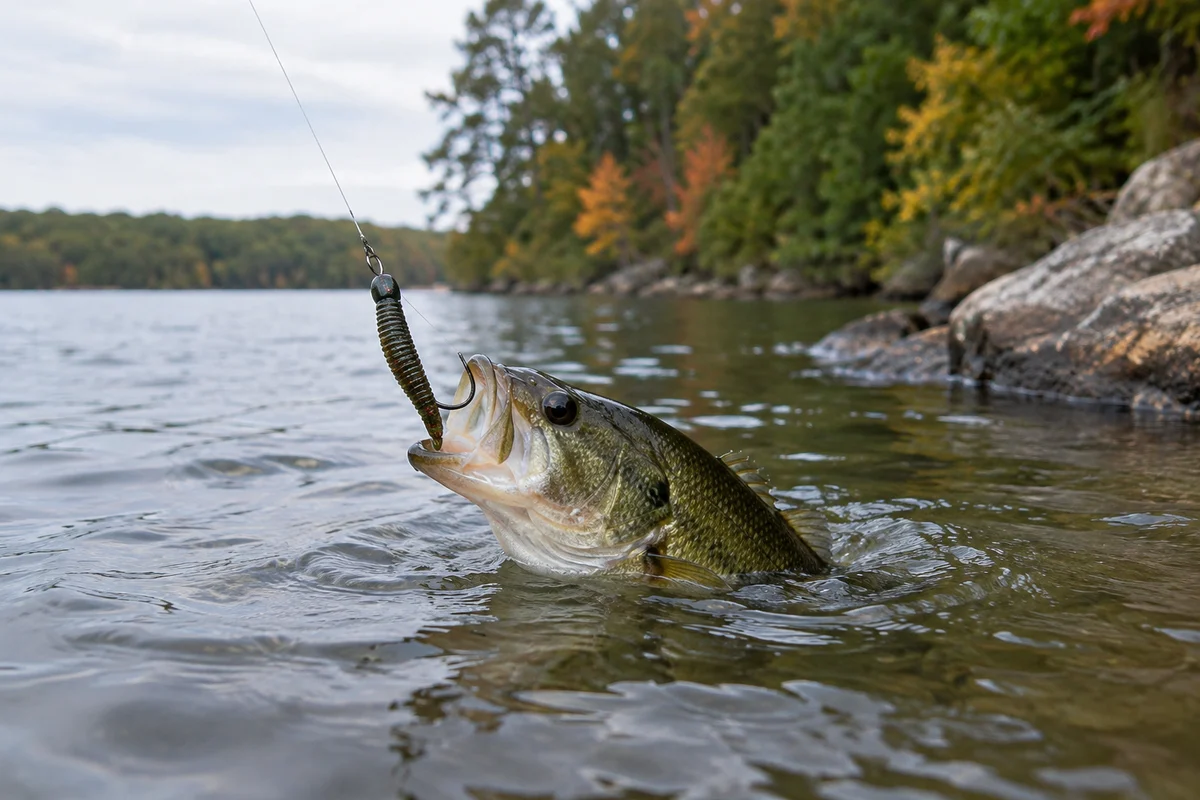
Lake Blackshear, GA Destination: A Practical Fishing Guide
Lake Blackshear is a worthwhile south Georgia fishing destination when you match your plans to its broad reservoir setting, changing conditions, and available access. Use this guide to prepare, make sound decisions on the water, and verify current rules before you go.
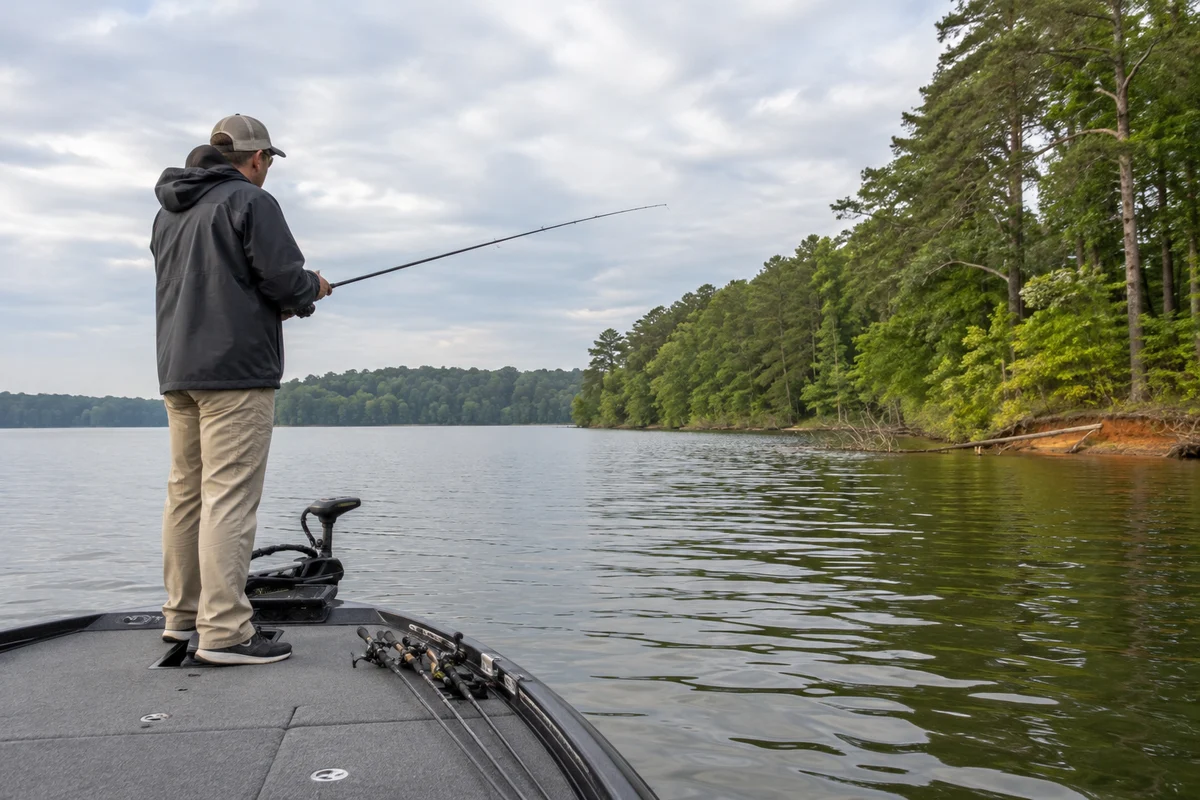
Lake Blackshear, GA destination planning starts with a simple truth: a productive reservoir trip depends less on a single promised hot spot than on timing, access, weather, and a flexible approach. The lake lies on the Flint River in southwest Georgia and offers a large-water setting where anglers can pursue familiar freshwater species while enjoying the surrounding landscape. Conditions, access, and regulations can change, so treat this as a planning framework—not a claim about current fishing reports.
What makes Lake Blackshear a fishing destination?
Lake Blackshear is a reservoir associated with Georgia Veterans State Park and the town of Cordele. Its scale gives visitors options for a full day on the water, but that same scale means it pays to choose a manageable area rather than roam without a plan. The lake’s setting includes open water, shoreline, creek arms, and aquatic cover; the exact mix you encounter depends on where you launch and on recent water and weather conditions.
Before traveling, decide whether your priority is fishing from a boat, bank access, a family outing, or a longer stay. Check park and public-access information directly, confirm any launch or facility arrangements, and identify a backup access point. A nearby campground or park visit may shape the trip as much as the fishing itself, especially for groups with mixed interests.
For broader planning ideas, browse the freshwater fishing tips hub. If you are comparing equipment for navigation and locating structure, this overview of fishfinder choices can help frame what electronics can—and cannot—tell you. Anglers who prefer simple presentations may also find this guide to organizing spinnerbaits useful before packing a tackle box.
When should you fish Lake Blackshear?
There is no universally best date. Seasonal movement, water temperature, rainfall, wind, and water level all influence fish location and comfort on the lake. Spring and fall can offer pleasant conditions, while summer outings may call for an early start and careful heat planning. Winter can be quieter on the water, but cold fronts and changing conditions still matter.
Use the calendar as a starting point, not a guarantee. In the days before departure, check a reliable local forecast and official lake or park notices. Look for wind direction and speed, thunderstorms, heat advisories, and any water-level or access updates. A strong crosswind can make an exposed shoreline or long open-water crossing less suitable, particularly for small craft. If conditions exceed your experience or boat’s capabilities, shorten the route or reschedule.
| Trip factor | Practical decision | Why it matters |
|---|---|---|
| Wind and storms | Choose protected water or delay if conditions are beyond your craft or skill | Open-water exposure and sudden storms can make a routine outing unsafe |
| Heat | Start early, bring drinking water, and plan shade and breaks | Hot weather adds strain even when fishing is slow |
| Water level | Verify launch and shoreline access before leaving | Ramps and bank access can be affected by changing conditions |
| Time available | Pick one area and a backup rather than covering the whole reservoir | A realistic plan leaves more time to fish and less time rushing |
| Regulations | Confirm current license, seasons, size, and creel rules | Requirements can vary by species and may be updated |
How should you approach the water?
Start with observation. From a safe, lawful access point, note wind, water clarity, visible cover, bait activity, and how the shoreline changes. Avoid assuming that yesterday’s reports or a map symbol describe today’s conditions. A contour map or chart can help you understand transitions and likely travel routes, while electronics may show depth and objects beneath the boat; neither identifies a guaranteed catch.
Build a modest plan around the conditions. In clearer water, natural-looking colors and measured retrieves can be a reasonable starting point. In stained water or low light, anglers may choose a more visible presentation. Work a few types of habitat methodically—such as edges, points, or cover you can approach safely—then adjust based on what you observe. Use tackle appropriate to the fish you are seeking and the cover, and handle fish in line with conservation guidance.
If you are unfamiliar with the reservoir, do not make a long crossing just to reach a promising-looking feature. Mark your launch location, monitor weather, keep a charged phone in a protected place, and carry required safety equipment. Let someone know your general plan when heading out alone. A local marina, park office, or Georgia wildlife authority may be able to direct you to current access and rule information, though no source can promise a catch.
Boat, bank, or family visit: which plan fits?
A boat provides range, but it also adds preparation: launch logistics, navigation, safety equipment, fuel or battery planning, and attention to wind. A bank outing can be simpler, provided you verify that the chosen shoreline is open to fishing and has safe footing. For a mixed-interest group, keeping the fishing session short and pairing it with a park visit can create a more flexible day.
Use this quick decision framework:
- Choose a boat outing if you have a suitable, properly equipped craft and can navigate changing conditions conservatively.
- Choose bank access if you want a lower-complexity session and have confirmed public access and permitted fishing areas.
- Choose a short trial visit if you are learning the lake; explore one access area before committing to a long route or overnight stay.
- Choose another day if storms, high winds, heat, or access uncertainty would make the plan uncomfortable or unsafe.
Whatever the format, pack for the whole outing rather than just the expected fishing window: water, sun protection, weather-appropriate clothing, basic first aid, and a way to communicate. Keep a clean, orderly deck or shoreline area, and follow posted rules about waste and restricted areas.
What should you verify before leaving?
Rules are species-specific and may change. Check Georgia’s current fishing regulations for license requirements, seasons, size limits, creel limits, and any special water rules. Do not rely on an old forum post, a tackle-shop conversation, or a previous year’s printed summary as the final word. The Georgia Department of Natural Resources is the authoritative place to begin.
Also confirm practical details directly: park hours, ramp availability, fees or reservations if applicable, local closures, and whether the access point fits your vehicle and craft. Check the forecast again on the morning of the trip. If fishing from a boat, review safety requirements and use a properly fitted personal flotation device; children should be supervised closely near the water.
A realistic Lake Blackshear trip has room for adjustments. Fish may not cooperate, water may look different from photos, and the best decision can be to change locations or call it early. Arrive prepared, respect the lake and its regulations, and judge the day by good decisions as well as what comes to hand.
Frequently asked questions
Where is Lake Blackshear in Georgia?
Lake Blackshear is a reservoir on the Flint River in southwest Georgia, near Cordele and Georgia Veterans State Park. Confirm current access details with the park or local authorities before traveling.
What should I check before fishing Lake Blackshear?
Check Georgia’s current fishing regulations, weather, water and access notices, and the status of your intended launch or bank-access site.
Can you fish Lake Blackshear from shore?
Shore access depends on the location and current rules. Verify that the specific area is open to public fishing, and use safe footing and posted access routes.
Sources & further information
Consult these primary sources for current regulations, technical information and local guidance.