River Carp Rig: Build a Setup That Holds in Current
A reliable river carp rig starts with reading the flow and bottom, then matching the lead system and hookbait presentation to those conditions. Use this practical checklist to keep the setup simple, effective and considerate of fish and other river users.
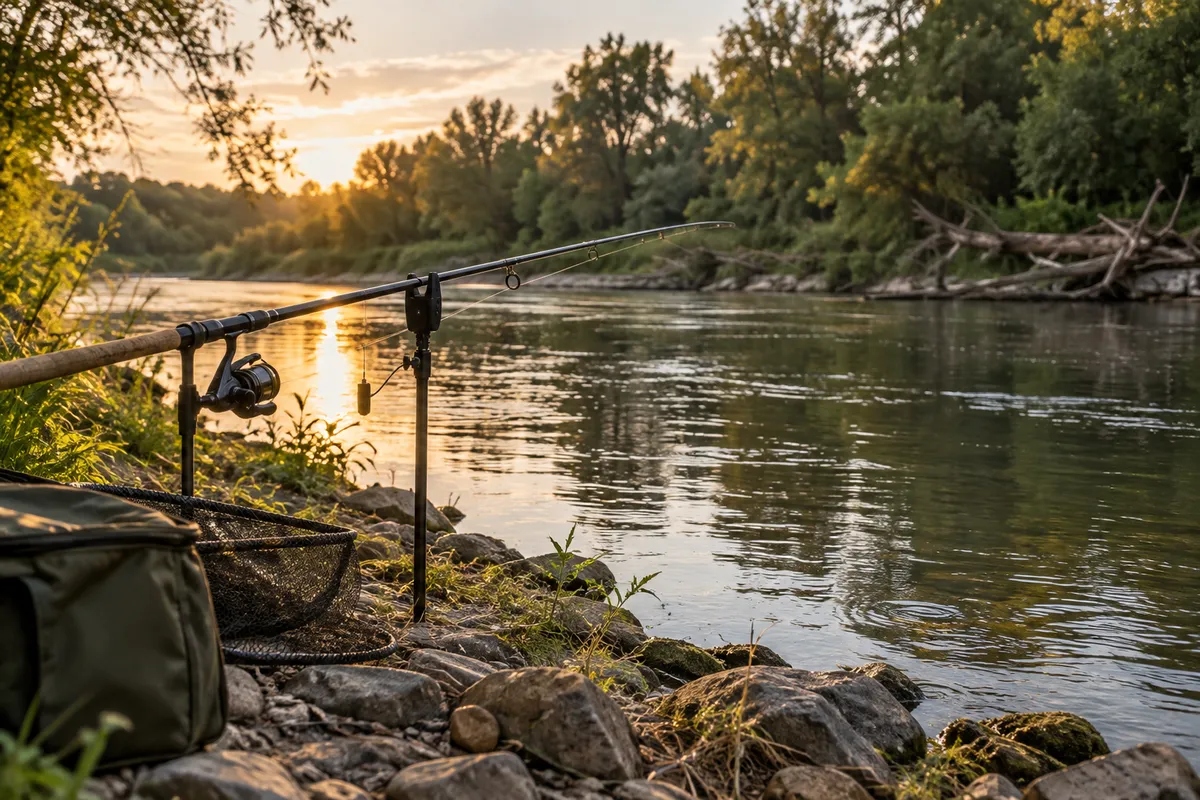
River carp rig choices are shaped by moving water, uneven bottoms and the way a swim changes with flow. A setup that sits neatly in a quiet margin may roll or snag in a faster channel, so begin by observing the river rather than copying a fixed recipe. Identify the likely feeding area, check for weed or obstructions, and choose components that let you present a bait securely without making the tackle unnecessarily complicated. The principles below help you adapt a basic carp setup while keeping fish care and local rules in view.
How do you read a river swim before choosing tackle?
Watch the water for a few minutes before casting. Look for seams where fast and slow water meet, sheltered edges, deeper bends, and quieter pockets behind natural features. These can hold food and offer carp a break from the strongest flow, but no single feature guarantees fish. Consider how recent rain, water level and debris may have changed the swim; a spot that looks calm at one level can become turbulent or inaccessible at another.
Pay attention to the bottom as well as the surface. A lead landing on clean gravel behaves differently from one dropping into soft silt, weed or snags. Use a cautious test cast where it is safe and permitted, and retrieve slowly enough to notice changes in resistance. Avoid casting across boat routes, near people in the water, or into areas where a fish could be drawn into an obstruction. For broader freshwater techniques and related guidance, browse the freshwater fishing tips hub.
What basic components make a dependable river carp rig?
Keep the first version straightforward: a suitable main line, a lead arrangement, a hooklink, a hook matched to the bait and fish size, and a hookbait presentation you can inspect and reset consistently. Every connection should be tied carefully and checked before fishing. There is no universal line strength or hook size for all rivers: likely fish size, snags, local rules and the condition of your tackle all matter.
A running or otherwise fish-safe lead arrangement is often considered where the bottom is clear enough for it to work as intended. The essential principle is that a fish should not be left tethered to a heavy lead if the line breaks. Inspect the components and follow the tackle maker’s guidance for the particular system; do not assume that a setup is safe merely because it is familiar. If the swim is snaggy, reconsider the location before simply making the tackle heavier. Safety also includes your own footing: keep a stable stance, avoid steep undercut banks, and do not wade into unfamiliar current.
How should the lead system cope with current?
Current can shift a lead, especially when the cast lands on a sloping or smooth surface. A heavier lead may stay put better in some circumstances, but adding weight is not an automatic solution: it can increase the force on the tackle and make retrieving or landing a fish more difficult. First try a position with a calmer flow or firmer bottom, and check whether the line is being pulled by surface drift.
Choose a lead shape and weight that remain settled under the conditions you actually encounter, within the safe limits of your rod and line. Make controlled test casts rather than repeatedly casting into a place where the rig rolls toward snags. Keep the line angle and any slack appropriate to the swim: too much exposed line can catch debris or be pushed by flow, while an overly tight line can pull the lead or disturb the presentation. Reassess after a change in water level, wind or river debris instead of assuming the rig remains correctly positioned all session.
Which hookbait and presentation should you use?
A simple presentation is easier to inspect and less likely to be compromised by debris. A hair-rigged bait keeps the hook point available while the bait sits close by, but it needs to be tied and sized so the hook can turn and the bait does not mask it. Other presentations can work too; what matters is that the hook remains exposed enough to function and that the bait is securely attached for the cast and current.
Use a hookbait that matches the fishery rules and the feeding approach you intend to take. Avoid introducing large quantities of bait simply because the river is broad or fast. If you want to prepare a loose-feed mix, the practical ideas in groundbait recipes for carp fishing can help you think about consistency and bait choice; adapt any recipe to local rules and conditions. Keep bait and tackle organized so you can rebait without leaving litter, and remove damaged line or discarded packaging from the bank.
How can you keep the rig from tangling or collecting debris?
A tangle often starts before the rig reaches the bottom. Check that the hooklink is not wrapped around the lead or main line after casting, and use a setup that is easy to reset if it comes back fouled. A small amount of anti-tangle tubing or a compatible boom can help separate components in some arrangements, but these are not substitutes for a safe lead system or a properly tied rig. Use components according to their instructions and verify that any safety mechanism can work freely.
After a cast, watch the line settle and avoid immediately dragging the rig across a likely snag. Retrieve steadily, stopping if the tackle catches so you can assess the direction of resistance rather than yanking hard. Examine the hook point, knot and hooklink after contact with rocks or branches. If a knot needs refreshing, review a reliable knot method such as the San Diego jam knot guide and confirm it is suitable for the materials and connection in your setup. A neat, tested connection is more useful than adding extra components without a reason.
What should you check before fishing and when landing a carp?
Rules differ by location and can cover seasons, permitted tackle, bait, lead use, access and fish handling. Check the relevant fisheries authority and posted local rules before fishing; the Pennsylvania Fish and Boat Commission is one example of an official source, not a substitute for the authority governing your river. Respect closures, private property, navigation and other river users. Where current is strong or banks are unstable, choose a safer swim rather than trying to reach a difficult cast.
Prepare fish-care equipment before the first cast: a suitable landing net, a damp unhooking surface where appropriate, and a plan to return the fish promptly. Keep the fish low over a safe surface while handling it, wet your hands, and minimize time out of water. Use forceps or an appropriate disgorger carefully, and seek experienced help if the hook is not easy to remove. Do not lift a large fish by the line or hold it over a steep bank. Once released, support it in the water until it can swim away on its own, without placing yourself in unsafe current.
How do you know when to adjust the setup?
Change one variable at a time. If the lead repeatedly shifts, first reassess casting position and bottom rather than immediately changing every component. If the rig returns with weed or silt, try a cleaner patch or a presentation suited to that bottom. If bites are absent, consider whether carp are present, whether the bait is being presented cleanly, and whether disturbance or changing conditions explain the result. A quiet session does not prove the rig is defective.
Keep brief notes on water level, flow, where you cast and what the rig retrieves. Those observations make the next adjustment more informed and help distinguish a tackle problem from a location or timing issue. The best river carp rig is not the most elaborate one: it is a safe, well-checked setup that stays where intended, presents bait cleanly and can be adapted when the river changes.
Frequently asked questions
What is the best lead arrangement for a river carp rig?
There is no single best arrangement for every river. Choose a fish-safe system that remains settled on the bottom, suits the flow and is used according to its instructions; reassess the swim before simply adding weight.
Should a river carp rig use a hair rig?
A hair rig is one common way to present hookbait beside the hook, but it is not essential in every situation. Make sure the bait is secure, the hook point is not masked and the setup complies with local rules.
How do I stop a river carp rig from snagging?
Choose a clearer casting lane where possible, test the bottom carefully, and retrieve steadily rather than dragging blindly through obstructions. Inspect and reset the rig if it returns with debris or damaged tackle.
Sources & further information
Consult these primary sources for current regulations, technical information and local guidance.