Rumble B Crankbait: How to Fish It for Bass
A practical guide to identifying a Rumble B crankbait and fishing it around bass habitat without assuming unverified model specifications. Learn how to choose a retrieve, read the cover, and make useful adjustments.
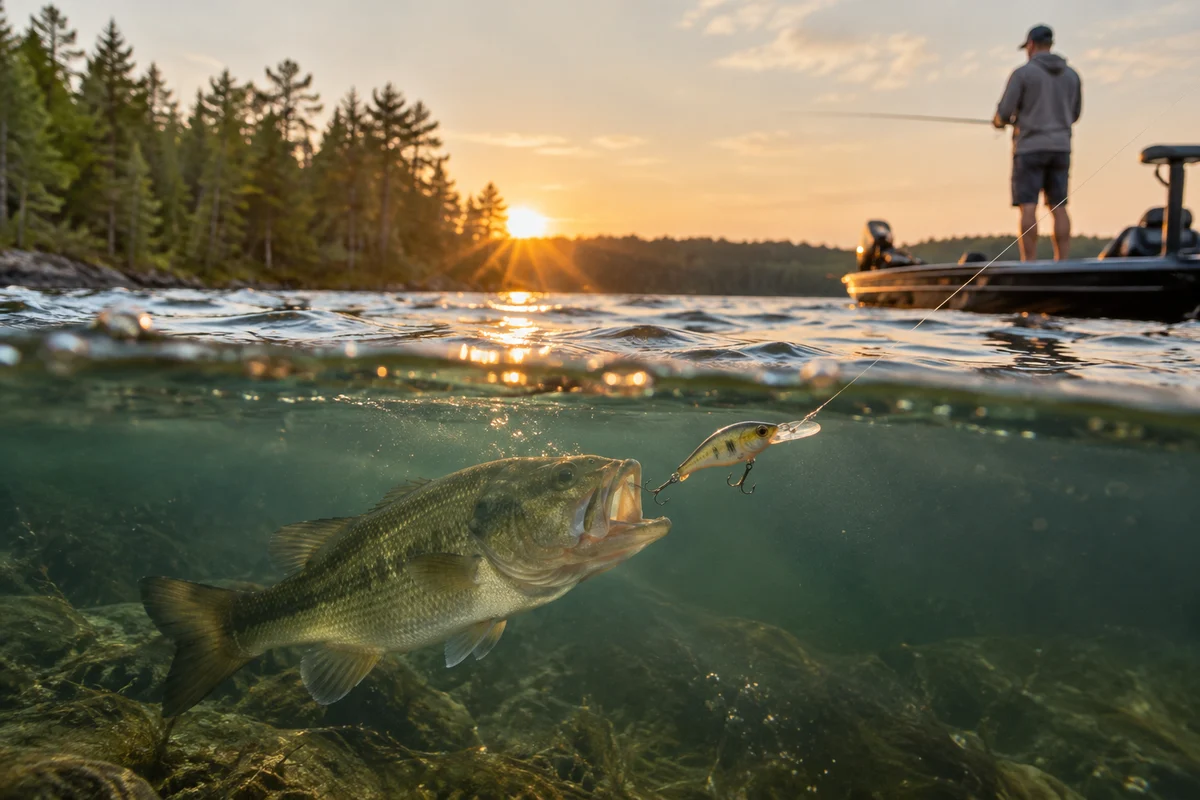
The Rumble B is a crankbait name anglers may encounter while looking for a bass lure, but a name alone does not confirm its maker, model generation, bill shape, or running depth. Those details matter: two lures with similar names can behave differently. Before choosing a spot or retrieve, check any packaging, markings, or manufacturer information you have, then treat the lure’s action as something to observe rather than assume.
That careful approach still leaves plenty of ways to fish it effectively. Crankbaits are useful for covering water and presenting a moving target near likely bass habitat. This guide focuses on how to assess the Rumble B in hand, adapt it to conditions, and decide what to change when bass do not respond.
How can you identify a Rumble B crankbait?
Start with the physical lure and any reliable documentation—not a retailer description copied from an unknown listing. Note the maker’s name, model wording, bill shape, body size, hook arrangement, and any stated depth or buoyancy information. If the lure is loose or the lettering is unclear, compare those details with a manufacturer’s current or archived product information when available. Do not infer a precise dive range from appearance alone; line diameter, line length, retrieve speed, and the lure’s design all influence how a crankbait runs.
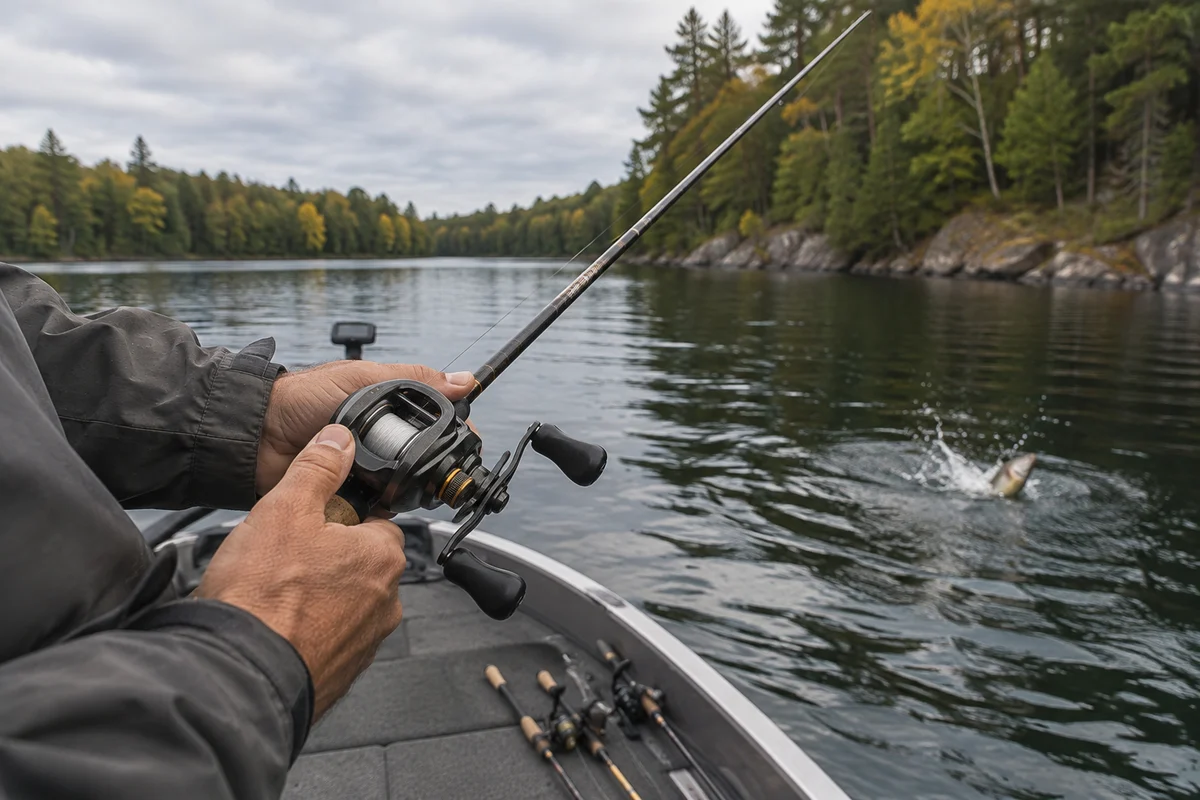
Next, observe the lure in clear, shallow water close to shore or beside the boat. Make a short, controlled retrieve and watch whether it tracks straight, wobbles, rolls, or rises when paused. This quick check can reveal damage, a bent attachment point, or an action that differs from what you expected. Avoid testing near swimmers, other anglers, or fragile vegetation.
If you cannot verify the model-specific details, fish it as an unknown crankbait. That means beginning in open water or along a forgiving edge, watching its path, and avoiding claims about a particular depth or special feature. For broader bass-lure context, browse the freshwater bass-fishing hub.
Where should you fish it for bass?
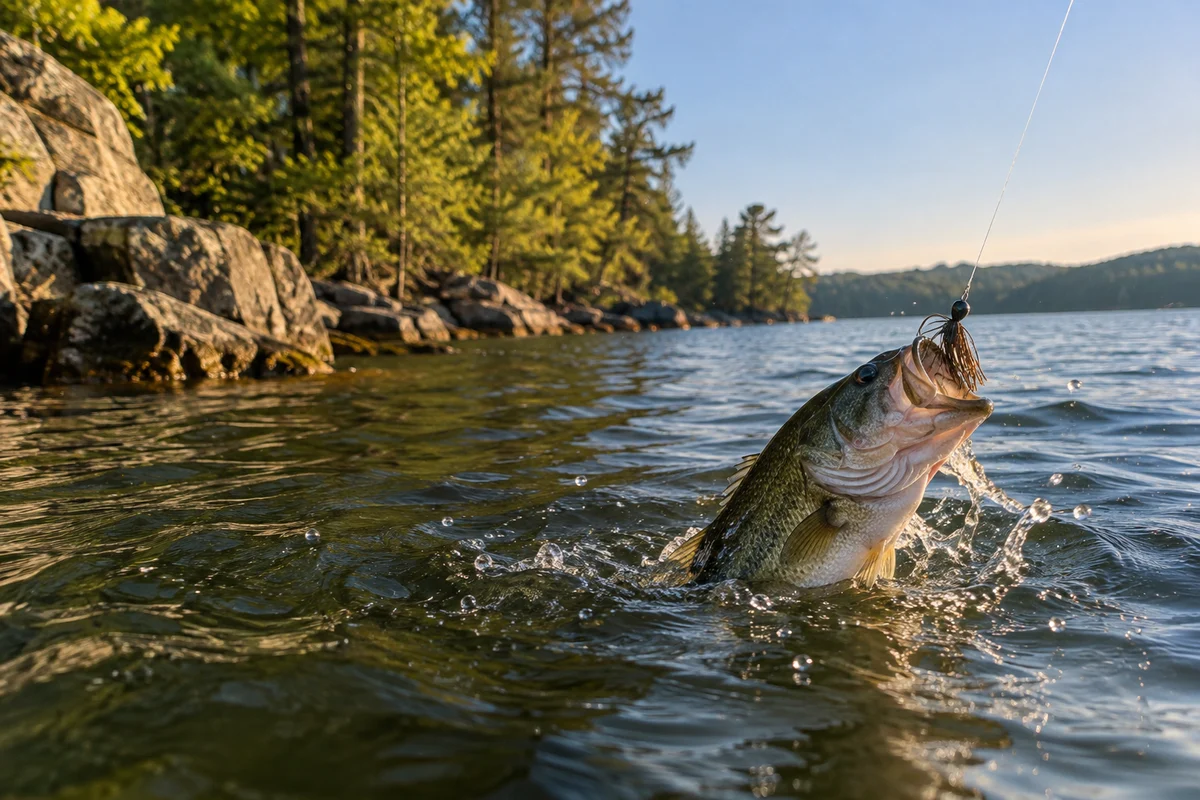
Look for places where bass can hold near a change in depth, cover, or current: the outside edge of weeds, a rocky transition, a dock line, a submerged point, or the edge of a creek channel. A crankbait is most useful when its path passes near a likely holding area without repeatedly burying in snags. Start with a cast that runs alongside the edge, then change the angle so the lure approaches the same cover from another direction.
Depth is the first constraint. If the lure repeatedly hits bottom and catches debris, move to a nearby lane with more clearance, shorten the time it spends near the cover, or choose a lure whose verified running range better fits the spot. If it passes well above the likely fish, adjust your position or retrieve before assuming bass are absent. Where vegetation is dense, make casts along openings and outer edges rather than dragging a treble-hooked lure through the thickest growth.
Wind can make a bank or point worth checking because it changes surface conditions and may concentrate moving prey, but it is not a guarantee of feeding fish. Consider safety and boat control first. On a lake with smallmouth, seasonal location can change the search; this guide to Lake Erie smallmouth by season offers a regional example of how timing and habitat shape the approach.
What retrieve should you try first?
Begin with a steady pace that lets the lure work consistently. The goal is not to retrieve as fast as possible; it is to keep the bait in a useful lane and notice whether it contacts cover, tracks cleanly, or draws a follow. Use a few casts at the same speed before changing one variable. If every cast is different, it becomes difficult to tell which adjustment made a difference.
Then test a modest change: slow down, speed up slightly, pause briefly after clearing an obstacle, or vary the cast angle. A pause is only useful if the lure’s buoyancy and action are known; if you do not know how it behaves, watch it first in shallow water. When the lure ticks a rock or brushes a weed edge, a brief change in pace can make the presentation less repetitive, but avoid forcing it into cover where it is likely to snag.
If bass follow without striking, try a change in angle or speed before changing lures. If there is no sign of fish, cover a nearby depth band or move to another piece of structure. A subtle topwater presentation can be a useful contrast when fish are visibly feeding near the surface; compare approaches in this overview of the Rebel Micro Pop-R.
How should you set up tackle and manage snags?
Use tackle suited to the lure’s actual size and hook configuration, not a guessed specification. Check that the rod can cast it comfortably, the reel retrieves smoothly, and the line is in sound condition. A balanced setup helps you make accurate casts and maintain control when a fish changes direction near cover. If the lure’s manufacturer gives specific tackle guidance, use that as the starting point and adapt to local conditions.
Inspect the hooks and split rings before fishing. Look for rust, bent points, or hardware that no longer closes securely; replace damaged components with compatible parts rather than improvising a mismatch. Keep fingers clear of treble-hook points when removing a lure from a fish or clearing a snag. Long-nose pliers or a hook-removal tool can help maintain distance from the hooks.
When a crankbait hangs up, stop pulling hard against the line. Change your angle if it is safe to do so, ease slack into the line, and use a purpose-made lure retriever only according to its instructions. If the snag cannot be cleared safely, protect your hands and cut the line rather than reaching into submerged brush or rocks. Retrieve discarded line and tackle where possible, and follow local rules for fishing access and protected areas.
What should you change when bass ignore it?
Treat a quiet stretch as information, not proof that the lure is defective. First check whether it is running straight and whether the chosen lane actually passes near cover. Then make one deliberate adjustment: cast parallel to an edge, move to a different depth, vary the retrieve, or give the area a short rest before returning. These changes help distinguish a location problem from a presentation problem.
Consider conditions as well. Water clarity affects how far away a fish may detect a moving lure; in clearer water, a longer cast can keep the presentation at a distance, while in stained water, placing the lure close to cover may matter more. Current, wind, light, and seasonal movement can also shift where bass hold. None of these conditions guarantees a bite, so use fish activity and the structure you can observe to guide the next move.
If the Rumble B’s identity remains uncertain, compare it with a lure whose action and depth you know. A contrasting option such as a jerkbait can help determine whether fish respond to a different cadence; see the overview of the Smithwick Elite 8 Rogue. Keep notes on the location, cover, retrieve, and observed lure behavior. Those details are more useful on a return visit than an assumed model specification.
What safety and local rules belong in the plan?
Check the fishing regulations for the water you plan to fish, including license requirements, seasons, size limits, and any special-area rules. Rules vary by location and can change, so consult the responsible state or regional agency rather than relying on a general lure article. The Minnesota Department of Natural Resources is one example of an official agency providing state-specific outdoor information; anglers elsewhere should use their own jurisdiction’s agency.
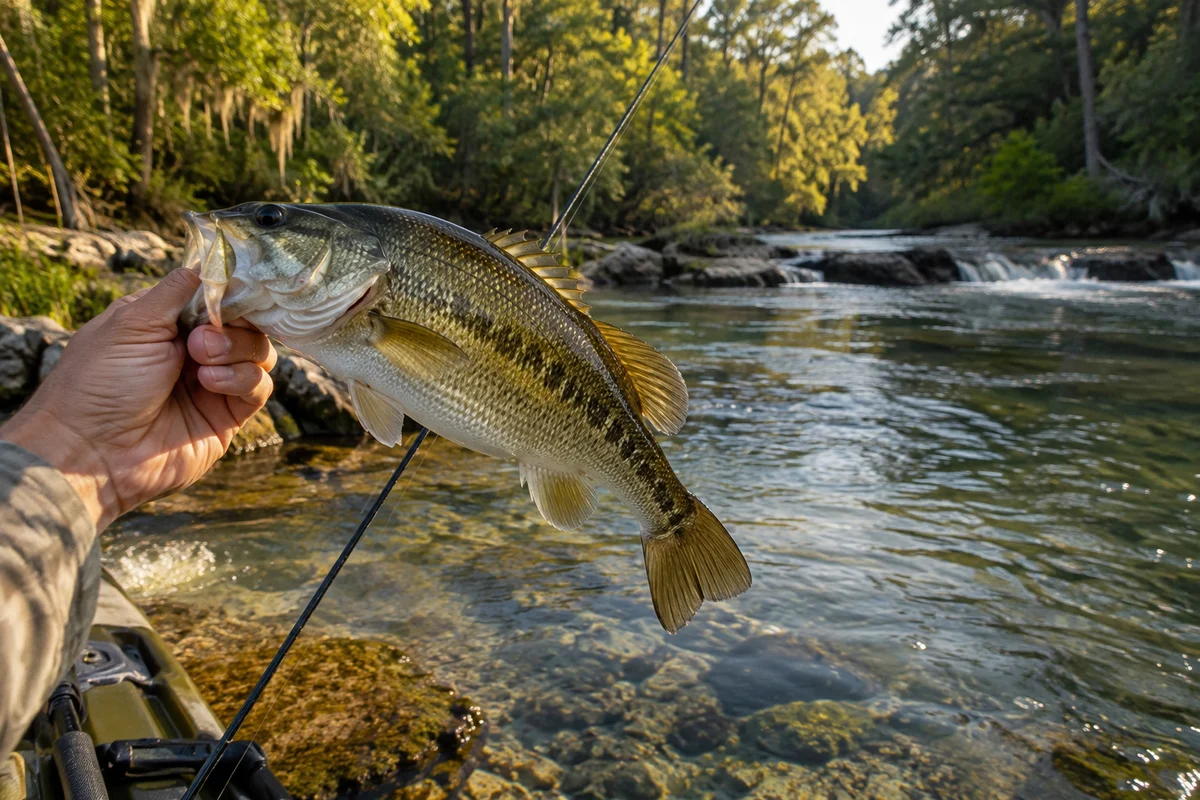
Handle fish carefully, wet hands before contact when practical, and minimize time out of the water if releasing the catch. Keep hooks secured when moving between spots, and store the lure where it cannot catch clothing, upholstery, or another person. With the Rumble B, the most reliable plan is simple: verify what you can, observe how it behaves, and let the water and fish—not an unconfirmed product claim—determine your next adjustment.
Frequently asked questions
What depth does a Rumble B crankbait dive to?
A reliable depth cannot be assigned from the name alone. Check the exact model’s manufacturer information, then account for line, retrieve speed, and casting conditions; verify its path in shallow water if possible.
Can you use a Rumble B for bass?
If the lure is a crankbait in sound condition, it can be fished around bass habitat using a retrieve and depth suited to its observed action. Confirm the lure’s identity and local fishing rules before relying on model-specific claims.
What should you do if a Rumble B keeps snagging?
Move to a clearer lane, adjust your cast angle or retrieve, and avoid forcing the lure into thick cover. If it hangs up, try to free it safely without reaching into submerged hazards or pulling hard against the line.
Sources & further information
Consult these primary sources for current regulations, technical information and local guidance.