Hunting the Rut Tips for Reading Deer and Choosing a Stand
The rut can change deer movement quickly, but it is not a single predictable event. Learn how to interpret local signs, plan low-impact sits, and adjust your approach without assuming every deer behaves alike.
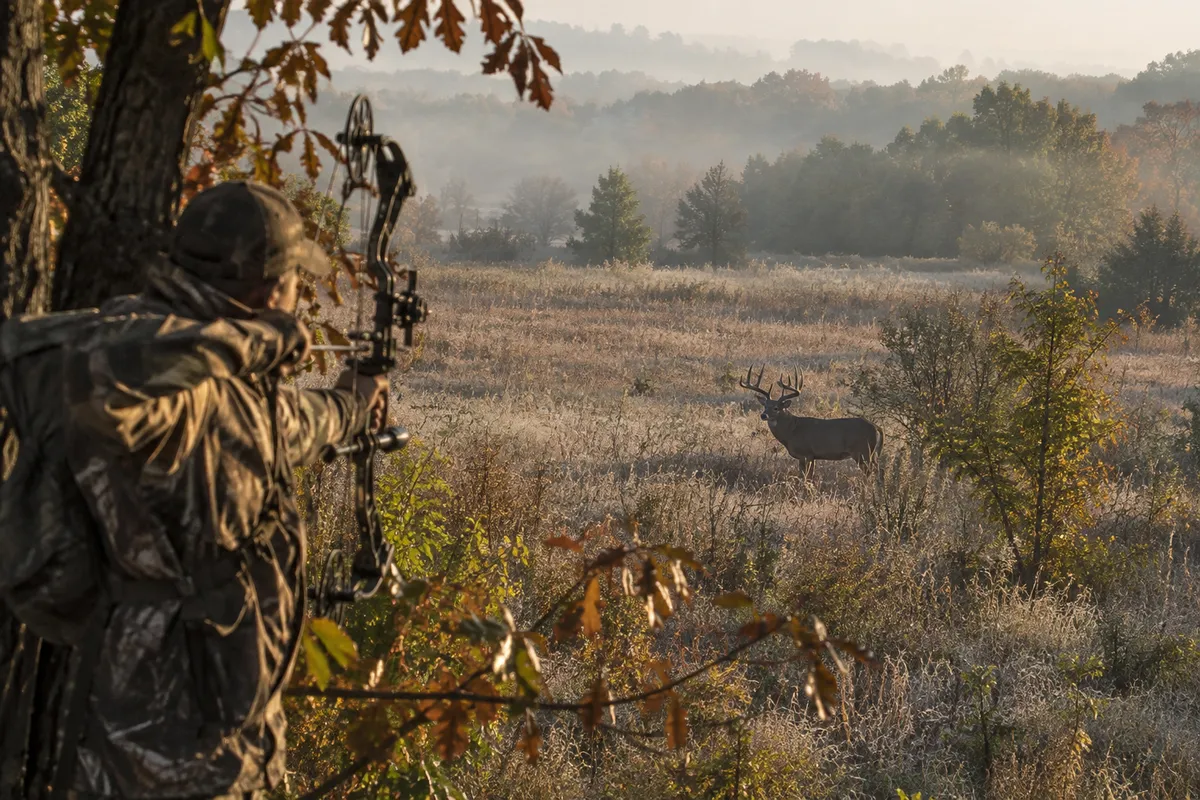
The most useful hunting the rut tips begin with a simple expectation: deer activity can shift, but no calendar date or calling tactic guarantees a close encounter. The breeding season varies by region, weather, habitat, and individual animals. A flexible plan—built around fresh sign, wind, access, and safe shot opportunities—will serve you better than chasing a rigid peak-rut timetable.
Before the season, check your state wildlife agency’s current regulations, season dates, legal hunting hours, and unit-specific guidance. Learn the property boundaries and identify safe directions of travel and shooting. If you hunt with a firearm, follow the four rules of firearm safety, keep the muzzle pointed in a safe direction, and store firearms securely when not in use. Archery hunters should also follow equipment and tree-stand safety guidance. Local rules govern; this article is general field guidance, not a substitute for them.
What the rut changes—and what it doesn’t
The rut is the breeding period, but its timing and visible signs differ among deer populations. In some places, breeding is concentrated in a relatively brief period; elsewhere, it is spread over a longer window. Regional timing is influenced by local biology, so a date that matters in one state may be a poor guide somewhere else. Use your wildlife agency’s deer information as a starting point, then read conditions on the ground.
During breeding activity, bucks may travel more widely or spend time investigating areas used by does. That can make daylight movement less consistent, not more. Deer still need food, cover, and security. Hunting pressure, temperature, wind, access routes, and the amount of nearby human activity can all affect what you see. A quiet morning with no sightings does not prove the rut has stopped; it may mean deer shifted their route or were moving outside legal light.
Keep expectations grounded. Tracks and scrapes show activity, but they do not tell you precisely when an animal will return. A rub can persist after the deer that made it has moved on. Treat sign as evidence to weigh alongside fresh tracks, droppings, trail-camera observations where lawful, and direct sightings—not as a promise.
Find fresh movement without over-reading sign
Start by locating the features that connect feeding areas, bedding cover, and travel corridors. Field edges, saddles, creek crossings, brushy funnels, and the edges of thick cover can concentrate movement, but the best location is the one supported by current local evidence and a safe approach.
Look for a pattern rather than a single clue. Are tracks crisp and clearly defined, or softened by rain? Do several trails converge, or does one route appear to be used repeatedly? Are there fresh droppings or recently disturbed leaves? Compare signs from multiple visits if doing so will not pressure the area. Avoid repeatedly walking through likely bedding cover just to confirm what you already suspect.
A scrape may be worth noting, especially if it is fresh and positioned near a travel route, but it is not a reliable appointment. A camera can help establish when deer use a location, subject to local laws and ethical considerations. Do not let scouting or camera checks create more disturbance than the information is worth.
For broader context, read our big-game hunting hub. If you are evaluating reports about unusually large animals, our guide to the largest non-typical whitetail deer explains why record claims require careful verification rather than a quick field estimate.
Choose a stand by wind, access, and exit
A promising sign location is not automatically a good stand site. Your route in and out can matter as much as the spot itself. Prefer an approach that keeps your scent and movement away from likely deer travel, and avoid crossing the most-used trail when possible. Consider where deer may be bedded at dawn and where they are likely to travel after sunset.
Wind direction is a decision tool, not a guarantee. Local terrain, temperature changes, and swirling air near ridges or water can complicate a forecast. Check conditions before the hunt and observe them at the site. If the wind carries your scent toward the area you hope to hunt, choose another setup or leave the location alone rather than forcing the sit.
| Decision | Favor this option | Reconsider when |
|---|---|---|
| Wind | It carries scent away from likely approach routes | It shifts or swirls toward bedding cover |
| Access | The route avoids key trails and quiet cover | Reaching the stand requires crossing fresh sign |
| Position | It offers a clear, safe view of the expected route | Brush, terrain, or darkness limits identification |
| Exit | You can leave without pushing deer from cover | The route crosses feeding or bedding areas |
| Conditions | Weather and visibility support a safe hunt | Wind, ice, heat, or poor light creates avoidable risk |
For a tree stand, inspect equipment before use, maintain three points of contact while climbing, and use a full-body fall-arrest system according to its instructions. Let someone know where you will be and when you expect to return. A ground setup may be a better choice where trees are unsuitable or safe access is uncertain.
Adjust tactics as activity changes
When fresh movement appears, focus on the route and the conditions around it instead of immediately relocating to the most obvious scrape. A travel corridor near doe cover may be more useful than a heavily marked spot with poor access. If you see deer moving through an area at a particular time, consider whether your presence, wind, or entry route might explain why they are using it then.
Calling and scent products are not dependable shortcuts. Deer responses vary, and a call that attracts attention in one situation can make an animal cautious in another. Follow product labels and local rules, and avoid treating any tactic as a substitute for identifying your target and what lies beyond it. Where lawful, use calls sparingly and stop if they create disturbance without useful information.
During periods of heavy hunting pressure, deer may become less visible in open areas and use thicker cover or less-traveled routes. Rather than making repeated, hurried moves, reduce disturbance. Hunt the edge of cover from a safe, legal position, or take a break from a location that has been entered often. A day without a sit can preserve a place for later.
If you are seeing does but no bucks, do not assume a buck is necessarily close. The animals may be using different routes, or activity may occur outside your observation window. If you see a buck pursuing a doe, resist the urge to abandon safety and shot judgment for a fast opportunity. Take only a clear, ethical shot within your practiced ability and in accordance with local law.
Plan for changing weather and pressure
Cold fronts, rain, wind, and sudden temperature changes can alter when deer move, but effects are local and inconsistent. A forecast is useful for planning clothing and access; it is not a reliable deer-activity guarantee. Check the actual conditions at your location, protect yourself from hypothermia or heat illness, and make conservative choices when visibility or footing is poor.
Pressure can be as important as weather. Think about nearby public access, roads, neighboring hunters, and how your own movements affect the area. If a stand has gone quiet after repeated visits, make a measured change: wait, use a different entry route, or select another location supported by fresh sign. Change one factor at a time where practical, so observations remain useful.
Keep a brief field log with date, wind, temperature, precipitation, access route, sightings, and the freshness of sign. The notes are not a prediction engine, but they help distinguish a recurring pattern from a memorable one-off encounter. Compare observations across seasons cautiously; vegetation, food availability, and hunting pressure can change.
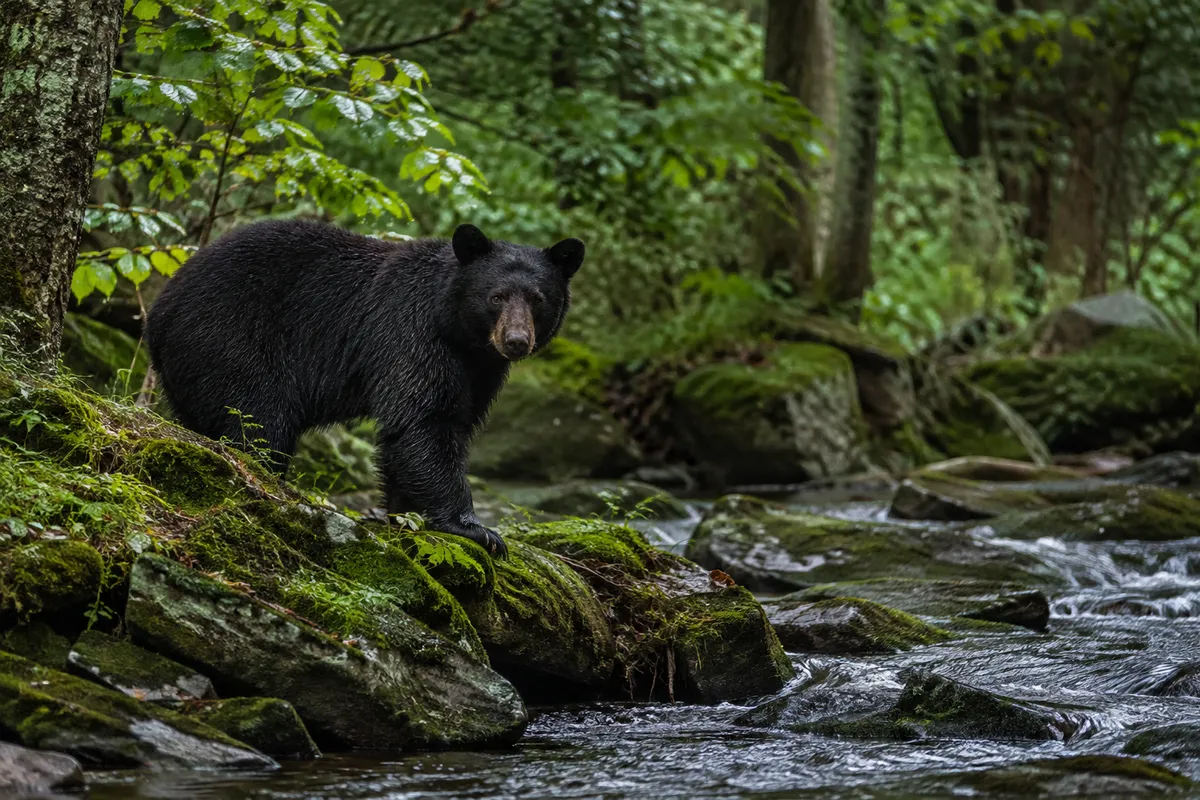
For a related look at safe, responsible field awareness, see our bear safety tips. In areas where deer hunting overlaps with other big-game opportunities, our overview of Alabama alligator hunting illustrates why species-specific regulations and local agency guidance matter; methods and rules should never be assumed to transfer between hunts.
A practical pre-hunt checklist
- Confirm season dates, legal hours, access permissions, and any local restrictions.
- Check wind and weather, then reassess conditions at the hunting location.
- Choose a route that minimizes disturbance and allows a safe exit.
- Inspect stand or ground setup and wear appropriate safety equipment.
- Identify safe lanes and what lies beyond them before settling in.
- Carry communication, navigation, water, and weather-appropriate clothing.
- Tell someone your plan and expected return time.
- Leave or reposition if conditions make the hunt unsafe or your scent compromises the setup.
- After a harvest, follow local tagging, reporting, transport, and carcass-handling requirements.
The best rut plan stays adaptable
The rut can create opportunity, but it does not erase the basics: learn local timing, interpret several signs together, protect access routes, and let wind and safety determine where you sit. Be willing to leave a location alone when conditions are wrong. A patient hunter with realistic expectations is better positioned to recognize genuine changes in movement than one relying on a single date, scrape, or calling sequence.
Deer behavior is variable, and this guidance cannot account for every habitat or regulation. Consult your state wildlife agency for current rules and locally relevant information. Make identification and safe shot decisions carefully, respect property boundaries, and prioritize a safe return over any encounter.
Frequently asked questions
When is the rut for deer?
Timing varies by region and deer population. Check your state wildlife agency’s information for local context, then use fresh sign and observations rather than relying on a date alone.
Do deer move more during the rut?
Some deer may travel more widely, but movement can be irregular and affected by pressure, weather, cover, and food. Increased activity is not guaranteed at a particular hour.
Should I hunt over a fresh scrape?
A fresh scrape is one clue, not a promise of a return visit. Consider its location, nearby travel routes, other fresh sign, wind, access, and whether a safe setup is possible.
How should I choose a rut stand location?
Favor a location supported by recent movement evidence that you can enter and leave without crossing key trails, with favorable wind and a safe view. Reassess if wind or conditions change.
Sources & further information
Consult these primary sources for current regulations, technical information and local guidance.