How to Remove Elk Ivories Safely and Responsibly
Elk ivories are small canine teeth prized as keepsakes, but their roots can be fragile and access varies with the condition of the jaw. This guide explains what they are, how to approach removal carefully, and when preserving the jaw or asking a professional is the better choice.

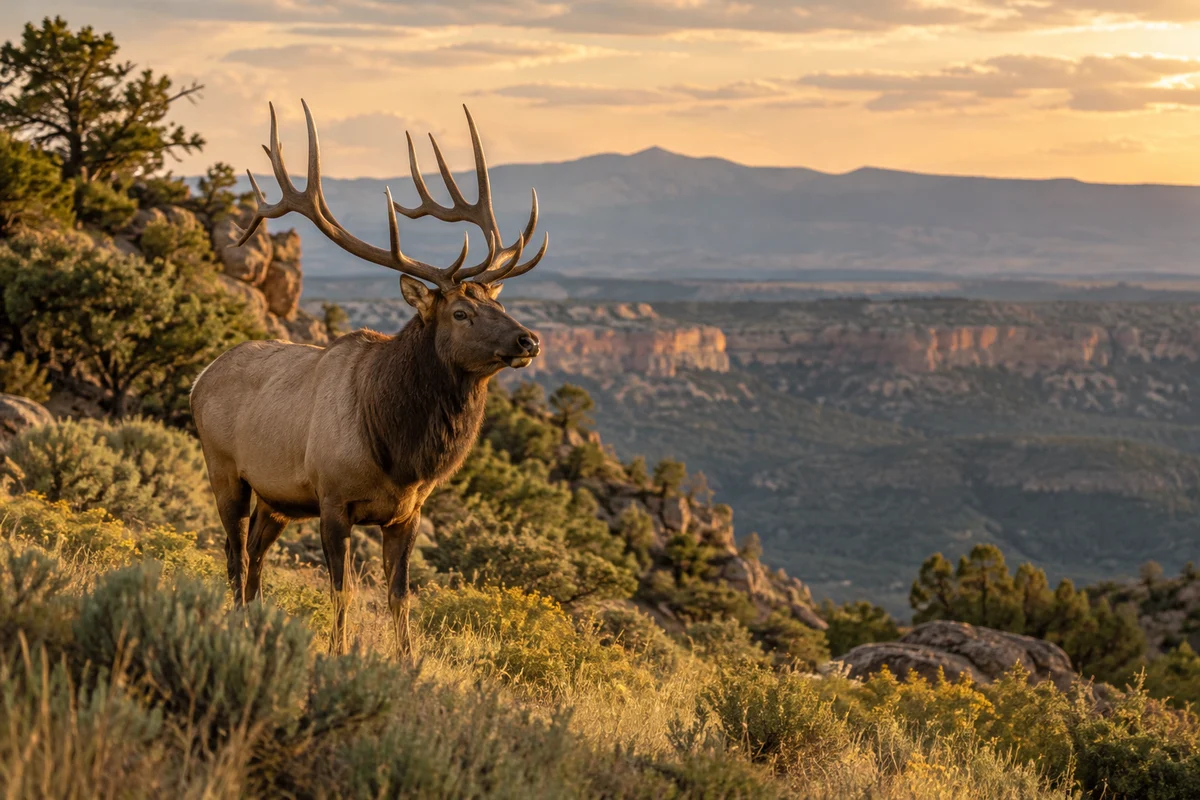
Elk ivories are the two small upper canine teeth, often kept as a memento from a harvested elk. If you are wondering how to remove elk ivories, first understand that these teeth sit in the upper jaw and can be more firmly anchored than their small visible crowns suggest. The safest approach is controlled, patient work on a clean, stable jaw—not pulling hard on the exposed tip. If the animal’s harvest or possession is subject to local rules, check those rules before transporting or keeping any part.
This is a general preservation guide, not a guarantee that every tooth can be removed intact. Jaw condition, prior damage, freezing, and the individual tooth’s shape all affect the result. When the teeth are cracked, valuable as part of a mount, or difficult to access, a taxidermist or experienced wildlife professional is the sensible option. For broader context on elk and other large game, see our big-game hunting hub.
What are elk ivories?
“Ivories” is the common name for an elk’s vestigial upper canine teeth. They are not the large, front-facing incisors used for grazing. Elk have a pair of small canines in the upper jaw, one on each side. The visible crown is usually only part of the tooth; a portion extends into the jaw, so a tooth that looks loose may still resist extraction.
The term is informal, and the teeth are not elephant ivory. Their appearance and size vary. Some are naturally worn or chipped; others may be intact but difficult to expose. That variation is why there is no single reliable force or method that suits every jaw.
Before you begin: check legality and condition
Confirm that you may possess and transport the remains under the rules where the animal was taken and where you are traveling. Wildlife regulations can differ across jurisdictions, and carcass-part transport rules may apply. Keep the relevant tag or harvest documentation with the remains when required. If uncertain, contact the appropriate wildlife agency before moving the jaw or teeth.
Inspect the jaw in good light. If it is part of a skull plate, European mount, or other display you want to preserve, do not cut or pry without consulting the preparator. A tooth can fracture, and aggressive work can damage adjacent bone or a finished mount. If the jaw is frozen, thaw it gradually in a secure, contained place before attempting removal; avoid heat that could make the tissue unpleasant to handle or affect display materials.
Use disposable gloves, eye protection, and a washable work surface. Keep tools clean and controlled. Do not use a knife toward your hand, and do not place fingers in the path of pliers or a slipping tool. If you encounter an unusual odor, extensive decay, or a tooth that appears infected or badly damaged, stop and seek professional advice.
Tools and a careful decision framework
For a loose or accessible tooth, a small pair of smooth-jaw pliers may be enough. For a tooth still firmly seated, a preparator may expose more of the base by carefully removing surrounding material. The exact tool choice depends on whether the jaw is being kept and how much tissue remains. Avoid assuming that a household tool is appropriate simply because it fits.
| Situation | Safer choice | Why |
|---|---|---|
| Tooth already loose, crown intact | Gentle, steady movement with a suitable grip | Less force reduces the chance of cracking the crown |
| Tooth firmly seated or only partly visible | Stop and consider professional extraction | The root may be anchored; force can break the tooth or bone |
| Jaw is part of a mount or display | Leave it intact and consult the taxidermist | Extraction may damage the mount or its finish |
| Tooth is fractured, decayed, or unusually delicate | Preserve the jaw and ask an experienced preparator | A fragment may be difficult to recover intact |
| You are unsure about possession or transport rules | Check with the relevant wildlife agency | Requirements vary by location and circumstance |
A cautious removal approach
Start with the jaw clean enough to see the tooth and surrounding bone. If soft tissue obscures the area, use a method appropriate to the jaw’s intended use and follow sanitation precautions. Do not boil a finished or valuable skull: heat and handling can damage bone, loosen teeth, or affect other parts. If you want a display-quality skull, let a taxidermist choose the preparation method.
When the crown and base are accessible, hold the jaw steady on a non-slip surface. Grip the tooth as close to its base as you can without crushing it. Apply slow, small movements rather than a sudden pull. A gentle rocking motion may help a tooth that is already loosened, but do not twist sharply or lever against a fragile edge of bone. Stop immediately if the tooth begins to crack, the jaw flexes, or substantial force is required.
Do not drill into the tooth, use heat, or strike it to force it free. These approaches can destroy the keepsake or create sharp fragments. If gentle movement does not work, the remaining root may be strongly seated or the tooth may be damaged. A professional can assess whether a portion of the jaw should be retained or whether controlled exposure is possible.
Repeat the same cautious assessment on the other side; one tooth being easy to remove does not mean the other will be. Keep each tooth’s left-or-right orientation noted if you want to retain the pair as a matched set.
Cleaning and storage
Once removed, rinse away loose debris with clean water and gently wipe the surface. Avoid harsh chemicals, prolonged soaking, and aggressive scraping, which may alter the tooth’s surface or weaken damaged areas. Let it dry completely in a ventilated, protected place, away from direct heat and sunlight.
Store the teeth in a small labeled container or padded display setting where they cannot rattle against one another. Label the container with the harvest year and general location only if those details are accurate and useful to you; do not add unverified claims. Keep them away from children and pets, and wash your hands and tools after handling animal remains. If a tooth has a crack, support it rather than trying to glue it without knowing what material is suitable.
Common mistakes to avoid
- Pulling hard on the crown: the visible part can fracture while the root remains in the jaw.
- Using the jaw as a lever point: bone can chip, and the tool can slip.
- Applying uncontrolled heat or force: this may damage the tooth, skull, or mount.
- Working on a display piece without permission: ask the owner or taxidermist first.
- Skipping legal checks: possession and transport rules vary by jurisdiction.
- Assuming both teeth will behave alike: each can differ in condition and how firmly it is seated.
If you are documenting a memorable hunt, keep claims modest and verifiable. Stories about unusually large animals are not the same as confirmed records; our guides to Nebraska record elk and the world record elk explain why official verification matters. For a different big-game safety topic, see bear safety tips.
When to leave the tooth in place
Leave the tooth attached if it is integral to a mount, the jaw is fragile, the tooth is cracked, or removal would require force you cannot apply safely. A keepsake does not need to be detached to be meaningful. A taxidermist can explain whether removal is practical and whether keeping the tooth with the jaw better preserves the specimen.
Ultimately, the best answer to how to remove elk ivories is to use the least force possible, protect the jaw and tooth, and stop when the situation becomes uncertain. Careful restraint preserves more options than a rushed extraction.
Frequently asked questions
What are elk ivories?
Elk ivories are the pair of small upper canine teeth. The visible crown is only part of each tooth, which may extend into the jaw.
Can I remove elk ivories with pliers?
Only if a tooth is accessible and moves with gentle pressure. Do not force it; stop if it cracks, the jaw flexes, or substantial effort is needed.
Should I boil an elk jaw before removing the teeth?
Boiling is not recommended for a finished or valuable skull because heat and handling may damage bone, loosen teeth, or affect a mount. Ask a taxidermist about preparation.
How should elk ivories be cleaned and stored?
Gently rinse and wipe them, let them dry fully away from direct heat, then store them in a labeled, padded container that prevents movement.
Are there rules about keeping or transporting elk ivories?
Rules vary by jurisdiction and circumstances. Check with the wildlife agency responsible for the harvest area before transporting or keeping animal parts.
Sources & further information
Consult these primary sources for current regulations, technical information and local guidance.