How to Call Ducks: A Practical Guide to Clear, Natural Calling
Learn a practical calling sequence built around listening, restraint, and conditions rather than memorizing a long string of sounds. These fundamentals help you practice safely and adapt your calling to the birds you actually see.
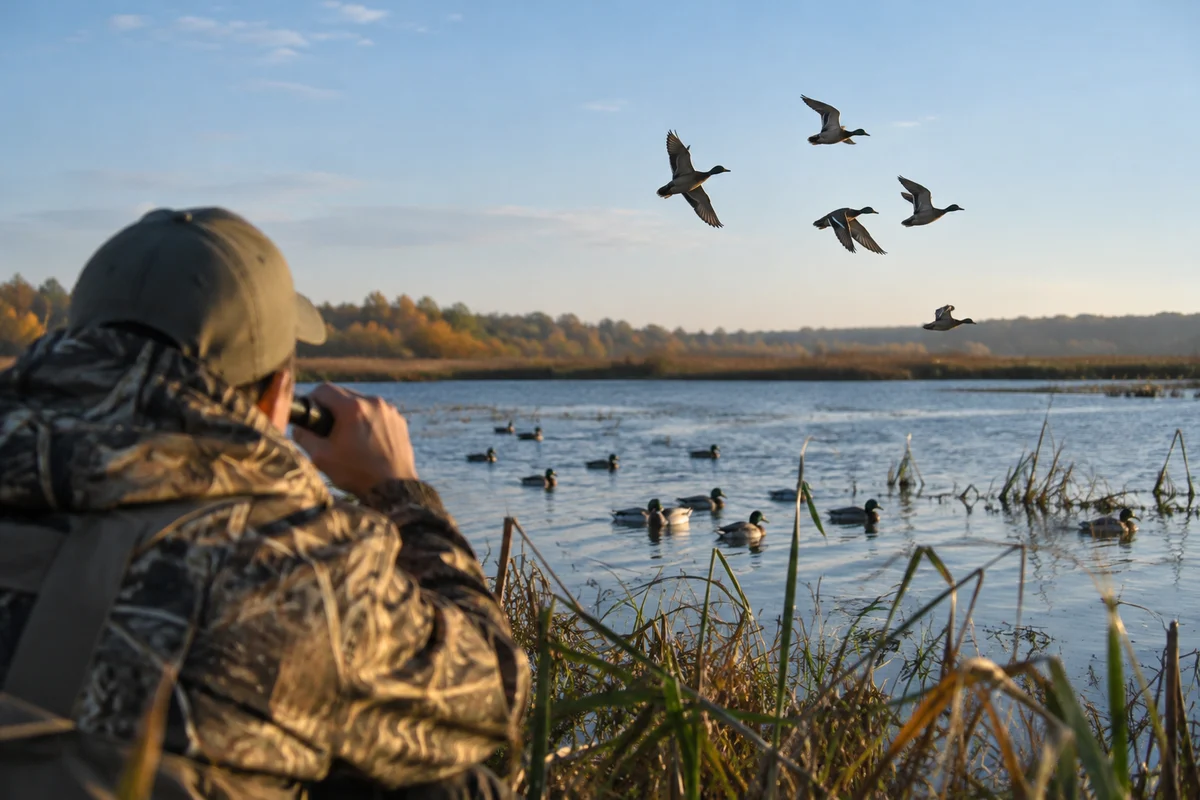
Duck calling can seem like a test of speed or repertoire, but learning how to call ducks is more about making a few clear sounds at the right time and then paying attention. A call is a tool for communicating, not a guarantee that birds will turn. Wind, habitat, visibility, hunting pressure, and the birds’ behavior all affect what they may respond to.
Start with a comfortable grip and a steady air stream, learn a basic quack, and practice controlling the call before adding more sounds. In the field, let the ducks’ movement guide your decisions. When birds are already approaching, silence may be more useful than another sequence.
Start with the call you can control
A single-reed or double-reed call can both make useful sounds; neither automatically makes a caller effective. Reed design, fit, and air pressure affect feel, so try a call that is comfortable to hold and does not require you to force your breath. If you are new, a double-reed call is often perceived as more forgiving, but individual calls vary. The best choice is one you can operate consistently.
Hold the barrel lightly and keep the mouthpiece sealed without biting down hard. Blow a short, controlled burst of air from the diaphragm rather than puffing your cheeks. The aim at first is a clean, repeatable quack—not maximum volume. If the sound breaks, squeals, or sticks, ease the pressure and check that your hands are not covering an opening.
Practice somewhere you can hear the call clearly. A phone recording can help you notice uneven starts and stops, but it is not a substitute for listening to live ducks. Avoid practicing at a volume that risks hearing damage, and follow any local rules about calling or electronic devices while hunting.
Build a small vocabulary before adding more
A useful beginner set includes a basic quack, a short series of greeting-style quacks, and a soft, brief feeding-style chatter. These are broad descriptions, not exact translations: duck vocalizations vary by species and situation, and hunters may use different names for similar sounds. Begin with one sound at a time and learn to stop it cleanly.
Use a metronome or count beats to keep practice deliberate. For example, make three short quacks with a pause between each, then repeat at a slightly different pace. Keep sessions brief enough that your hands and breath remain relaxed. Once the sound is steady, vary the spacing and volume rather than simply blowing faster.
Do not treat a call as a magic phrase. A long, complicated sequence can sound unnatural, and more calling is not always better. The goal is to make a plausible sound that suits the distance and behavior of the birds, then leave space for them to respond.
A simple field decision framework
Use this framework to decide whether to call, how strongly, and when to stop. It is a starting point, not a rule that applies to every species, marsh, or day.
| What you observe | A reasonable response | What to watch next |
|---|---|---|
| Birds are distant and have not noticed you | Try a short, clear series at moderate volume | Look for a change in direction or pace |
| Birds are visible and moving toward the area | Reduce volume, use fewer sounds, or pause | See whether they continue on their own |
| Birds are close or appear wary | Stop calling and stay still | Avoid movement that could draw attention |
| Wind or background noise is strong | Use a clearer, somewhat stronger sound only if needed | Reassess distance; do not keep escalating automatically |
| Birds pass without reacting | Let them go; note the conditions | Consider whether position, concealment, or timing mattered more than calling |
The central habit is to make one change at a time. If you change volume, cadence, position, and call type all at once, it is difficult to learn what mattered. Field notes can be simple: wind direction, visibility, habitat, bird response, and whether you called or stayed quiet.
Match volume and cadence to the moment
Volume is relative to distance, wind, and surroundings. A loud call may carry over open water or gusts, but it can be excessive when birds are nearby or the setting is quiet. Begin with a sound you can control and adjust only when observation suggests the birds cannot hear or have not noticed you. Do not assume that louder means more convincing.
Cadence matters too. A few separated notes leave room for a response and make it easier to stop promptly. If the birds keep approaching, resist the urge to fill every pause. If they turn away, consider whether they saw movement, encountered unfavorable wind, or were committed elsewhere before blaming the call.
Calling styles that work in one place may not work in another. Species, local bird behavior, hunting pressure, and habitat all vary. Watch the birds and, where possible, listen to ducks in the area before deciding which sounds are appropriate. A broad, adaptable approach is more useful than expecting a single sequence to work everywhere.
Practice routine: five focused minutes
A short routine can build control without turning practice into a volume contest:
- Check the call. Make sure it is clean and assembled according to its maker’s instructions. Do not modify it to chase a particular sound.
- Warm up gently. Make several quiet, short notes with relaxed breath.
- Repeat one basic quack. Keep the start, tone, and stop as consistent as you can.
- Practice spacing. Make a few notes, pause, and vary the interval without increasing speed dramatically.
- Add a brief variation. Try a short series or soft chatter only after the basic sound is controlled.
- End with silence. Put the call down and listen to the surroundings. Listening is part of the exercise.
If a call becomes difficult to blow, stop and reset rather than forcing air. Follow the manufacturer’s cleaning and care guidance; designs differ, and there is no need to take a call apart beyond the steps its maker recommends.
Calling is only one part of the setup
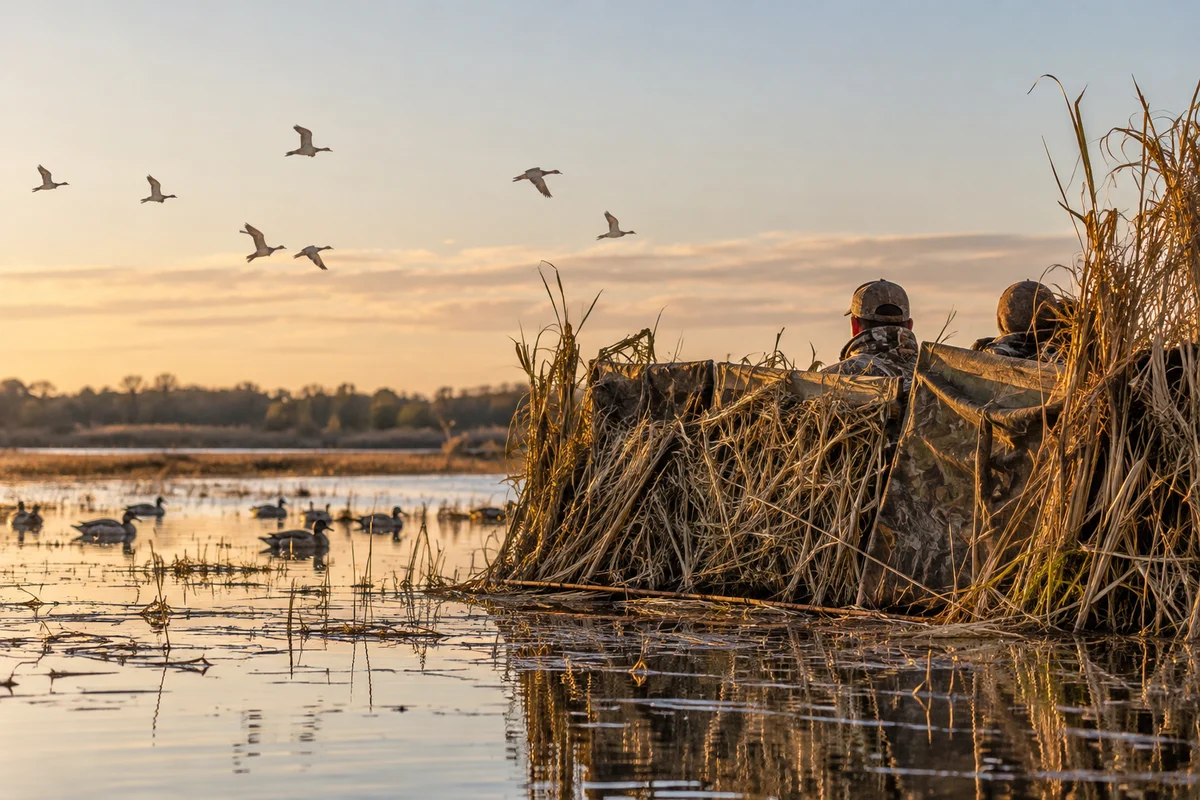
A call cannot compensate for poor concealment, unsafe positioning, or a location that does not suit the conditions. Before hunting, consider wind, approach routes, visibility, water depth, and where other people may be. Keep a safe direction of fire and identify everyone’s position. Waterfowl hunting involves firearms in many settings; follow safe handling practices, store firearms securely when not in use, and comply with current local and federal regulations.
Decoys and calling should work as a coherent presentation, not as separate attempts to attract attention. The number, placement, and arrangement of decoys depend on the site and conditions. For a broader look at that part of the setup, see our guide to duck and goose decoys. For changing weather and visibility, review these duck hunting in the rain tips.
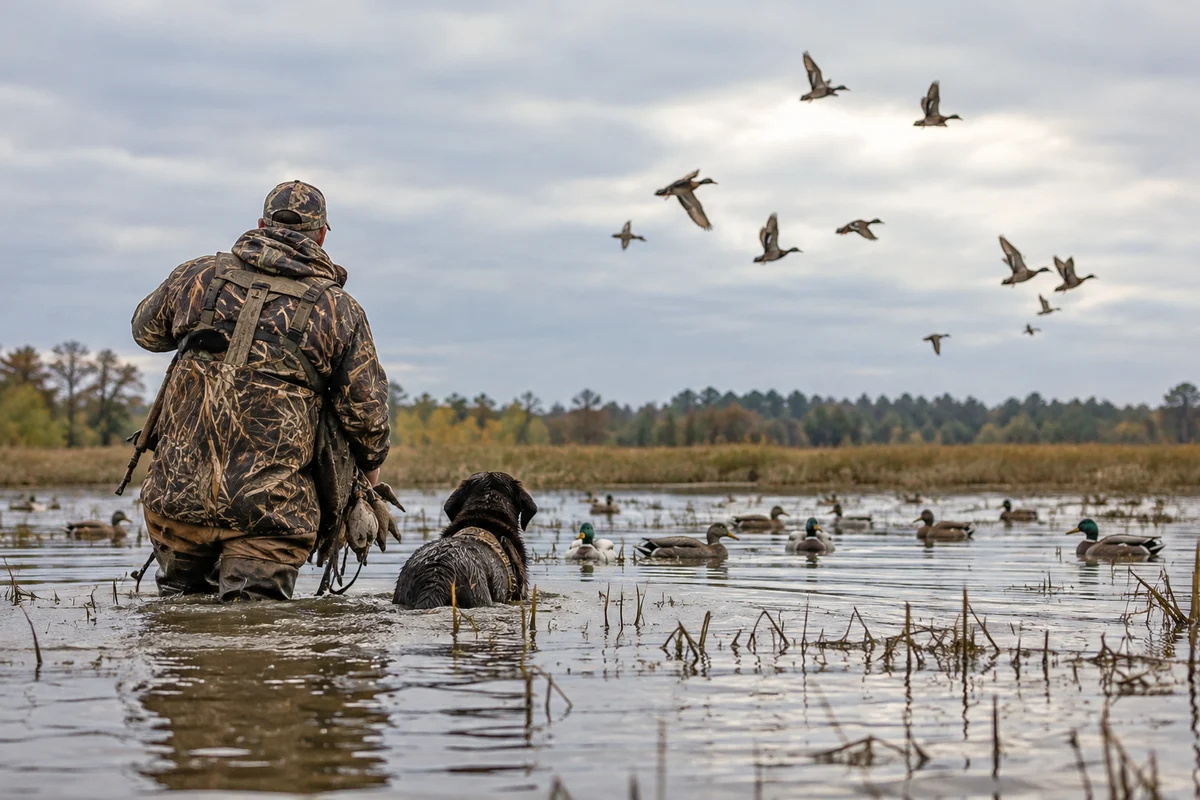
A retriever can be part of a waterfowl plan, but dog selection and preparation deserve their own consideration. Our overview of best duck dog breeds discusses breed traits without treating any dog as a substitute for training, care, and safe field practices.
Common mistakes and how to correct them
Calling continuously. Constant sound leaves little opportunity to notice a response. Use short sequences and deliberate pauses.
Blowing harder when the sound is poor. Excess air can make a call harsh or unstable. Relax, reduce pressure, and return to a simple note.
Changing too many things at once. Make one adjustment, then observe. Otherwise, the result teaches little.
Copying a recording without context. Recordings can demonstrate sound, but distance, habitat, and live behavior differ. Use them as a practice aid, not a field script.
Ignoring non-vocal clues. Birds may react to movement, wind, light, or the placement of cover. A lack of response is useful information, not proof that a more elaborate call is needed.
Assuming one sound fits every duck. Calls and responses vary. Learn the common waterfowl in your area and rely on local expertise and reputable learning resources.
Keep learning from observations
After each outing, write down what you saw and heard. Note whether birds were close or distant, whether they were already moving toward the area, what the wind was doing, and how they reacted after a call. Over time, this record can help you distinguish a calling decision from other factors in the setup.
For species identification and habitat context, consult trusted conservation and wildlife resources, including Ducks Unlimited and the U.S. Fish and Wildlife Service. Check current regulations with the relevant state wildlife agency before a hunt; seasons, restrictions, and requirements can change. The broader duck and goose hunting hub collects related outdoor guidance.
The most dependable foundation is uncomplicated: make a clean sound, use it sparingly, and listen for what happens next. Improve control in practice, stay attentive to the birds and conditions, and accept that sometimes the best call is no call at all.
Frequently asked questions
What is the easiest duck call sound for a beginner to learn?
Start with a short, controlled basic quack. Focus on a clean tone and a clear stop before practicing longer sequences or variations.
Should I call louder when ducks do not respond?
Not automatically. Consider distance, wind, visibility, and whether the birds have already noticed you. Change one factor at a time, and remember that concealment or location may matter more than volume.
How often should I call ducks in the field?
There is no fixed interval that works everywhere. Use brief sequences, pause to observe, and call less when birds are approaching or close.
Can a duck call guarantee that birds will come in?
No. Calls are only one part of a hunt, and responses vary with bird behavior, species, habitat, weather, pressure, and setup.
Sources & further information
Consult these primary sources for current regulations, technical information and local guidance.