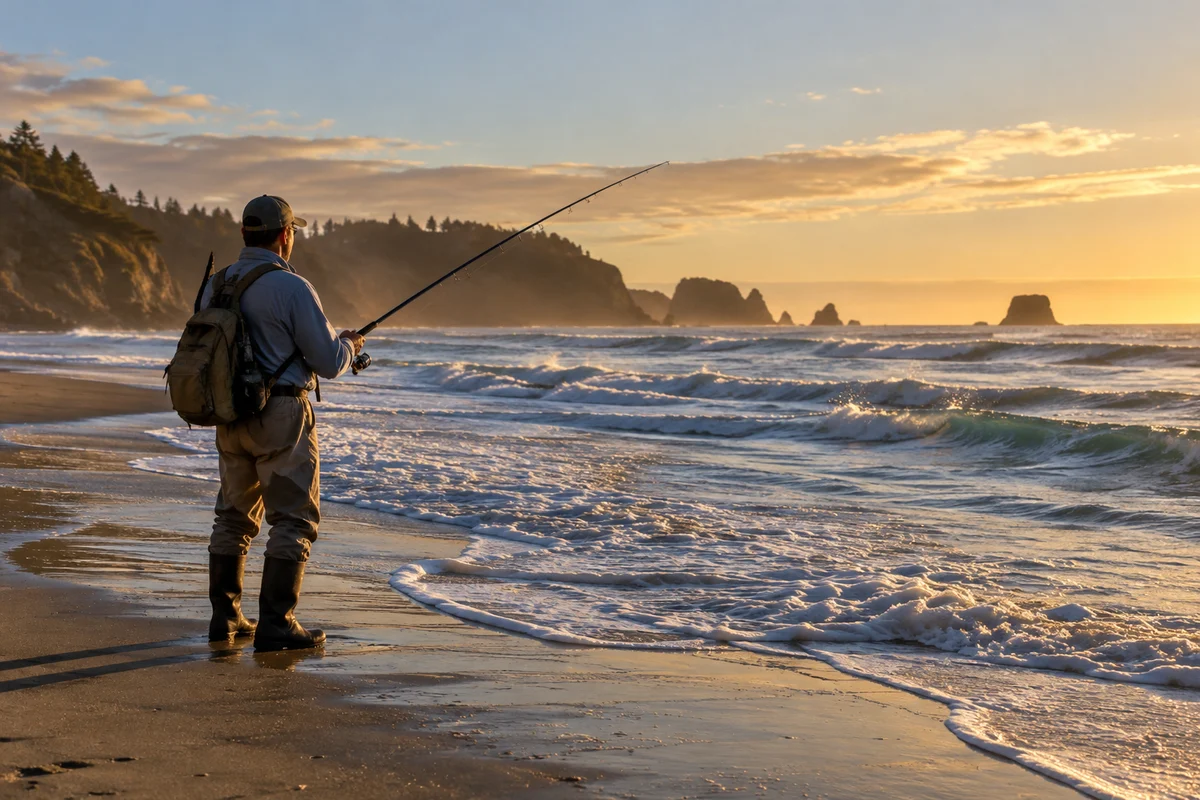
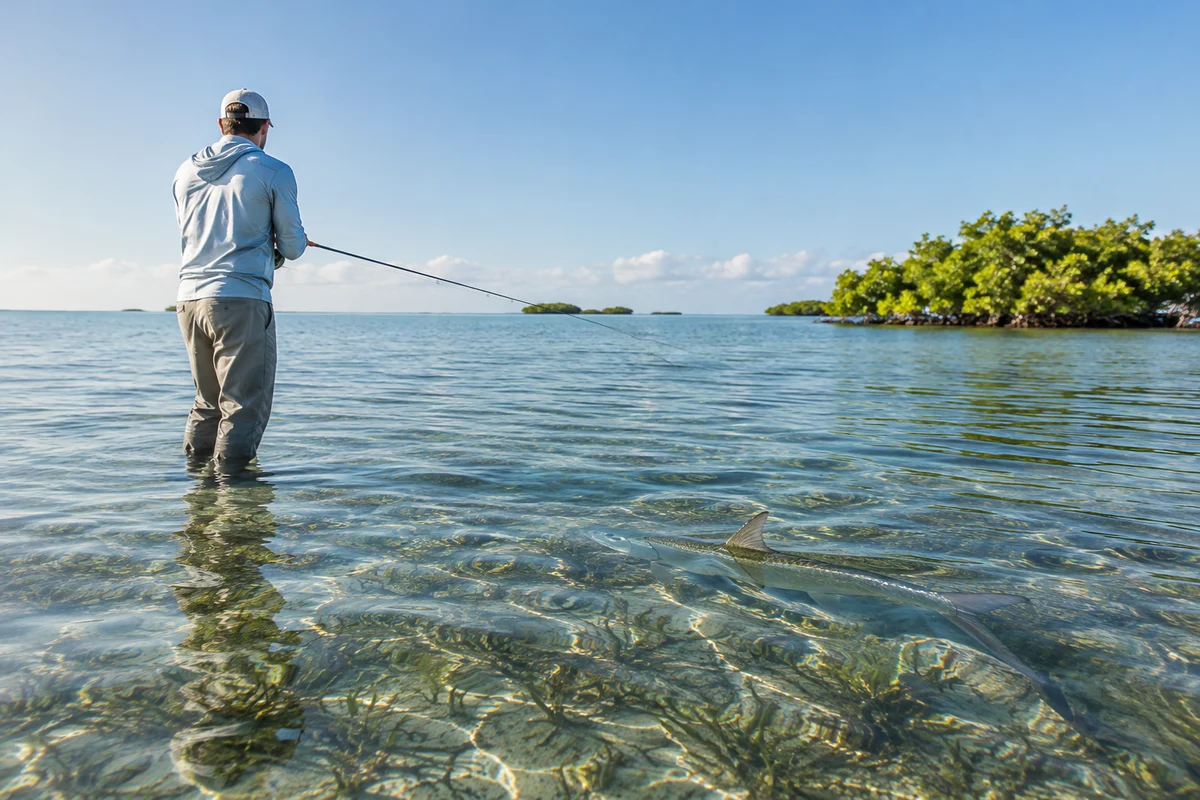
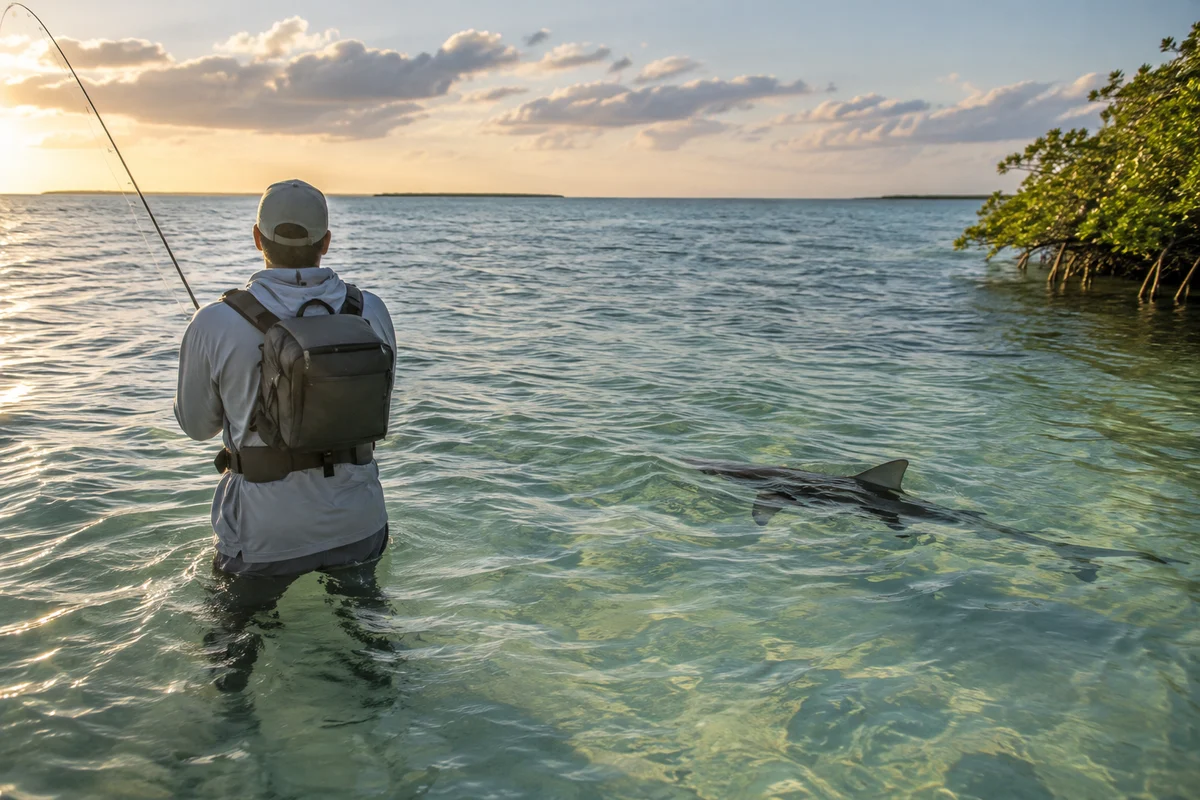
How to Understand Great White Shark Encounters at Sea
A practical, evidence-aware guide to great white shark encounters: what contributes to risk, how to make sensible choices in the water, and what to do if a shark is nearby. It also explains why sightings, interactions, and bites should not be treated as the same event.
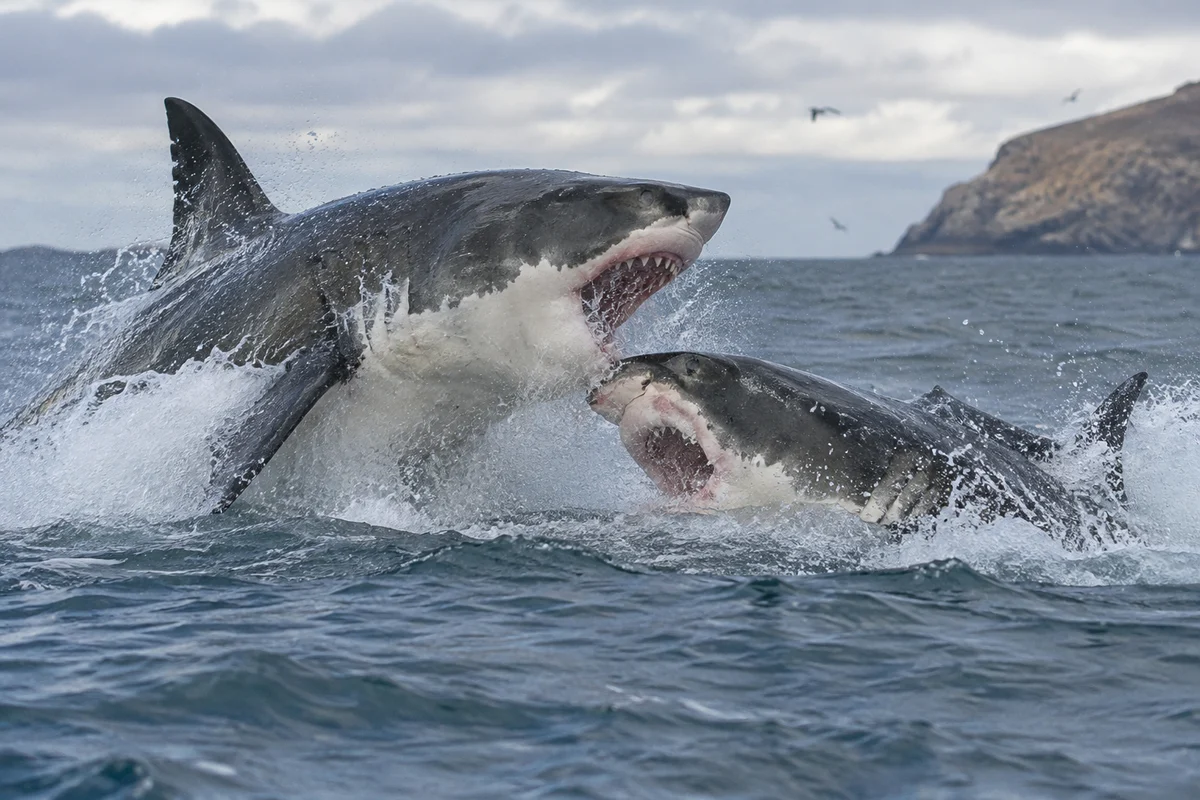
Great white shark encounters attract attention because the animal is large, powerful, and difficult to observe underwater. But an encounter can mean anything from a distant sighting to an approach or a bite, and those events are not interchangeable. Understanding that distinction helps swimmers, surfers, boaters, and anglers make better choices without treating every shark sighting as an emergency.
The phrase great white shark encounters covers a wide range of situations. White sharks are wild predators that move through coastal and offshore habitats; their presence alone does not establish that a person is in danger. Risk depends on the setting, activity, visibility, local conditions, and the animal’s behavior. No checklist can guarantee safety, but informed decisions can reduce avoidable exposure.
What counts as an encounter?
There is no single everyday definition used in all reports. A sighting may be an observation from shore or a vessel. An in-water encounter usually means a shark and person are in the same area, whether or not they notice one another. An approach describes a closer interaction; a bite is a separate, more serious outcome. News accounts and databases may categorize these events differently, so comparisons need care.
A report may not establish why a shark approached, what it could see, or whether it was responding to a person at all. White sharks investigate their surroundings, but observers generally cannot infer an individual animal’s intention from a brief pass. Avoid claims that a shark “mistook” a person for prey unless a qualified investigation supports that conclusion.
Where and when should people be more cautious?
White sharks occur in temperate waters around the world, including areas where people swim, surf, dive, and fish. Local wildlife agencies and beach managers are the best sources for current sightings, closures, and advisories. Conditions that limit visibility or make it harder to monitor the water—such as low light, rough surf, or murky water—are reasonable reasons to choose a different time or place, though none predicts that a shark will be present.
Risk assessment is contextual rather than a simple map of “safe” and “unsafe” beaches. Near seals or sea lions, seabird activity, or fishing operations, wildlife may be concentrated; keep distance and follow local guidance. Do not enter a closed area, approach marine wildlife, or assume a popular beach is free of risk. People fishing should handle catch and bait lawfully, avoid attracting wildlife near swimmers, and follow harbor and wildlife rules.
For saltwater anglers planning a trip, conditions and target species matter as much as a general shark headline. Our saltwater fishing hub collects practical coastal fishing topics, while blue crab bait for redfish covers bait choices for a common inshore fishery. Offshore anglers can also read about how to catch amberjack and plan around local regulations and conditions.
A practical decision framework before entering the water
Use this quick check alongside local advisories—not in place of them. If any answer raises concern, delay, relocate, or stay out.
| Check | Lower-concern choice | More cautious choice |
|---|---|---|
| Local information | No current closure or warning; lifeguard or agency guidance is available | Advisory, closure, or an unverified recent report; check before entering |
| Visibility and conditions | Clear enough to see nearby water and changing conditions | Murky water, poor light, heavy surf, or limited visibility |
| Wildlife and activity | No obvious wildlife feeding or fishing activity nearby | Seals, active baitfish, seabirds feeding, or fishing activity close to the swimming area |
| Group and supervision | Swim with others in a monitored area | Solo swimming, isolated water, or no practical way to get assistance |
| Exit options | A clear, nearby route to shore or a staffed location | Long distance from shore, uncertain exit, or conditions worsening |
These are prudent choices, not a validated prediction model. Different coastlines and activities present different circumstances, and local authorities may recommend measures not captured in a general guide.
What should you do if a shark is seen nearby?
If a shark is spotted from shore, alert a lifeguard or local authority and follow any instructions to leave the water. Do not crowd the shoreline to get a closer look, launch a drone over wildlife where prohibited, or approach by boat. A sighting may lead to a temporary closure or monitoring; the responsible agency decides what action is appropriate.
If you are in the water and become aware of a shark, keep it in view if you can do so without turning toward it or moving closer. Leave the water calmly and directly when a safe route is available. Avoid splashing, chasing, touching, or attempting to feed or photograph the animal at close range. If others are nearby, alert them without creating a rush or blocking the exit. Follow lifeguard directions.
There is no guaranteed maneuver for every possible interaction. Advice differs by situation, and a person cannot reliably read a shark’s intentions. The most useful general priorities are to create distance, avoid provoking or pursuing the animal, and reach a supervised safe location. If someone is injured, get emergency medical help immediately and follow trained responders’ directions.
What if a shark approaches a vessel or fishing area?
Keep people aboard or out of the water, maintain a safe distance, and do not feed, touch, harass, or try to handle the shark. Do not deliberately attract sharks to a swimming area with bait or discarded catch. Secure fishing activity in a way that complies with local rules, and move away from wildlife when it is safe and lawful to do so. Report an incident through the appropriate local wildlife or emergency channel, especially if a person is injured or a beach needs assessment.
Anglers should not treat a shark’s presence as a reason to pursue it. Fishing and wildlife regulations vary by jurisdiction and species; check current rules before a trip. A general magazine article cannot determine whether a specific animal may be legally targeted or handled.
How to evaluate a report
Headlines often compress uncertainty. Before sharing a story, ask what was directly observed, who documented it, and whether an official agency has confirmed the location and event category. Distinguish a sighting from an approach or bite, and distinguish an unverified report from a reviewed incident. Avoid drawing conclusions about shark behavior from a single image or a short clip.
Counts also depend on reporting and classification. Some databases include only certain types of bites or require a review process; different jurisdictions may collect information differently. A change in reported incidents does not automatically show a change in the number of sharks or the risk at one particular beach. For background and current guidance, consult NOAA’s sharks information and the International Shark Attack File’s research and incident resources.
The useful takeaway
Great white shark encounters are not all equivalent, and a sighting should not be translated into an assumption about an animal’s intent. Check local advisories, choose conditions and locations thoughtfully, keep distance from wildlife, and leave the water when officials advise it or circumstances feel unsafe. These steps cannot remove all uncertainty, but they support calmer, more responsible decisions around coastal wildlife.
Frequently asked questions
Are great white shark sightings the same as attacks?
No. A sighting is an observation; an encounter may involve proximity, while a bite is a distinct event. Reports use different definitions, so check how an incident was classified.
What should I do if I see a shark from the beach?
Notify a lifeguard or local authority, keep your distance, and follow any water closure or advisory. Do not approach the animal or crowd the water to watch it.
Is it safe to swim where white sharks live?
No location can be guaranteed risk-free. Check local advisories, conditions, and wildlife activity, and make a cautious choice based on current information.
What should I do if a shark is near me in the water?
Avoid approaching, touching, or provoking it. Move calmly toward a safe exit when possible, alert nearby people without causing a rush, and follow lifeguard instructions.
Do reports prove why a shark approached someone?
Usually not. A brief observation rarely establishes an animal’s intent, and reports may differ in what they record or verify.
Sources & further information
Consult these primary sources for current regulations, technical information and local guidance.