Best Youth Compound Bow: A Safe Fit for Growing Archers
The best youth compound bow is the one a young archer can draw, hold, and release with control as they grow. Use this fit-first guide to compare adjustability, safety features, and practice needs before choosing equipment.
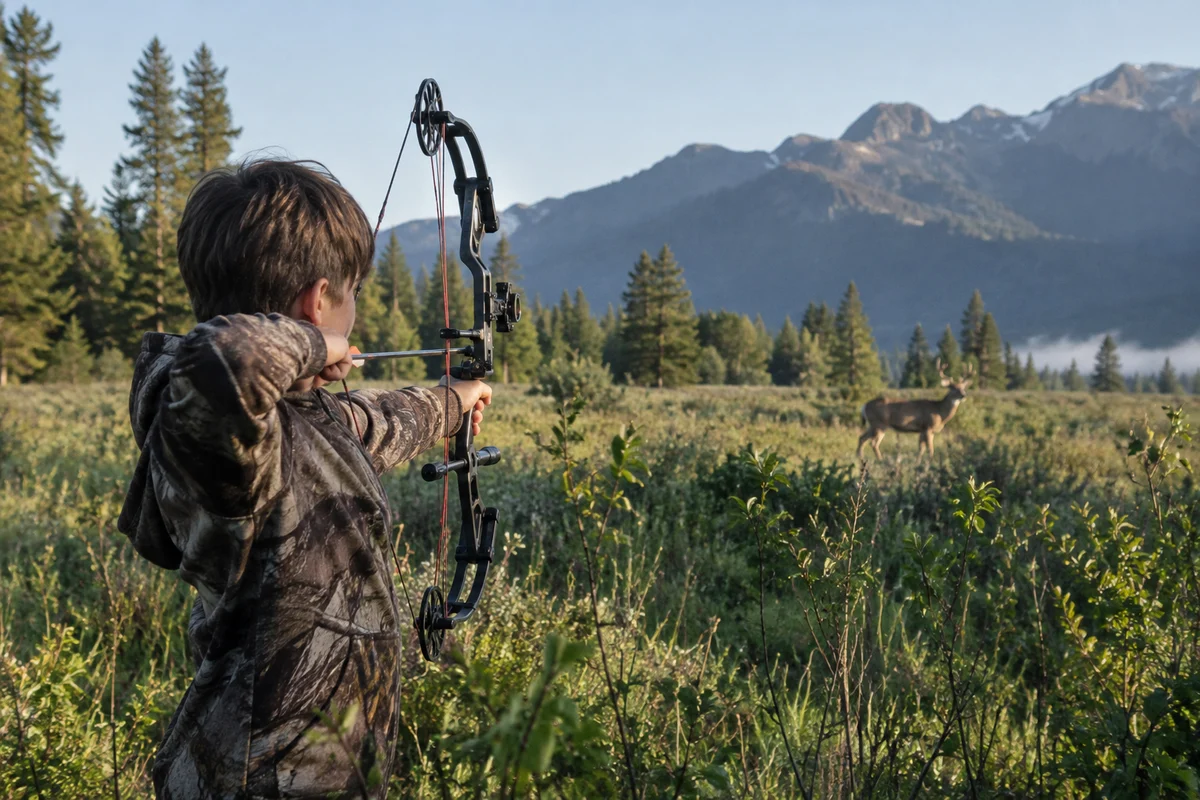
Choosing the best youth compound bow starts with fit and safe handling—not a child’s age, a flashy package, or a claim that a bow will last for years. A well-matched setup lets a young archer draw without strain, anchor consistently, and let the string down under control. Because children grow at different rates and equipment varies, treat manufacturer specifications as a starting point and arrange an in-person fitting when possible.
This guide explains how to assess a youth bow, what to ask before selecting one, and how to build safe practice habits. It is general guidance, not a product test or a recommendation of a particular model. Specifications, availability, and adjustment ranges can change; check the manufacturer’s current information for any bow under consideration.
What makes the best youth compound bow?
The best youth compound bow is an appropriate match for the archer’s current draw length, manageable draw weight, strength, coordination, and intended use. “Youth” is a broad label, not a standard fit. Two children of the same age can have very different reach and strength, and an adjustable bow only helps if its adjustment range actually suits the individual.
A bow that is too difficult to draw can encourage leaning back, shaking, rushed releases, or unsafe handling. A bow that is too long or otherwise poorly fitted can make a repeatable anchor difficult. The practical goal is controlled movement and safe repetition, not maximum draw weight or distance.
Start with a qualified archery instructor or knowledgeable pro shop. Ask the archer to demonstrate their normal stance and draw under supervision, and confirm the bow can be set up within the manufacturer’s specifications. Do not force a draw or attempt adjustments that the manual does not permit.
Fit first: draw length and draw weight
Draw length is the distance the archer draws the string to a consistent anchor. An instructor or shop can measure and verify it using suitable equipment. Avoid selecting a bow solely from a height chart: body proportions and technique differ, and measurement methods are not interchangeable.
Draw weight is the effort required to draw the bow through its cycle. The right setting allows the archer to pull smoothly without twisting, raising the bow excessively, or struggling to hold briefly at anchor. A child should be able to follow instruction and let the bow down safely if the shot is not ready. If the archer strains or loses control, stop and reassess with an instructor rather than encouraging them to “push through.”
Some youth bows offer adjustable draw length or draw weight, but ranges and adjustment procedures differ. Confirm the exact range in current manufacturer documentation and have a qualified person make or check adjustments. Do not assume every setting is available on every model, or that a bow can be adjusted without a bow press or professional service.
A practical selection checklist
| Check | What to look for | Why it matters |
|---|---|---|
| Fit | A measured, repeatable draw length and comfortable stance | Supports consistent form as the archer learns |
| Effort | Smooth draw and controlled let-down under supervision | Helps prevent strain and loss of control |
| Adjustment | Manufacturer-documented range that fits now, with room to grow | “Adjustable” does not mean universally suitable |
| Setup | Correctly matched arrows and accessories, verified by a qualified person | Improperly matched equipment can be unsafe |
| Supervision | A safe range, clear rules, and an attentive adult or instructor | Archery requires disciplined handling every session |
| Support | Accessible manual, service information, and local instruction | Makes maintenance and future fit checks more reliable |
Use this list to compare the complete setup, not just the bow itself. Packages can include different accessories, and included components may not suit every archer. Ask what is included, what must be fitted separately, and whether the setup has been checked for the young archer.
How to compare youth-bow features
Prioritize a sensible adjustment range, a grip the archer can hold naturally, and a draw cycle they can manage without changing posture. Consider the intended activity as well. A bow for supervised target practice does not automatically make an appropriate hunting setup; hunting adds legal, ethical, and proficiency requirements. For broader context on the activity, see our guide to beginner bow hunting tips.
A release aid, sight, arrow rest, and other accessories should be appropriate to the bow and fitted correctly. More accessories do not necessarily make learning easier. A qualified instructor can help decide which components are useful for a beginner and which can wait. Never select arrows by appearance alone: shaft suitability depends on the bow’s specifications and setup, so have a knowledgeable professional verify compatibility.
The Barnett Vortex name appears in the article’s original topic, but this guide does not verify a current model, configuration, or availability. Product names and specifications can change over time. If considering a named legacy or current product, check the manufacturer’s official information and have a local archery professional confirm that the exact version can be safely fitted to the archer. Do not rely on an old listing or an assumed adjustment range.
Safety and supervision come before practice
Choose a supervised archery range or a designated practice area with a safe backstop and a clearly controlled shooting line. Establish one command for shooting and another for retrieving arrows. Everyone should know when the line is hot, when bows must be lowered, and when it is safe to walk forward. Keep spectators behind the shooting line and ensure the target area is clear before any arrow is nocked.
Teach the young archer to point only toward the target, keep fingers and equipment clear of the string path, and never dry-fire a bow (release the string without an arrow). Stop immediately if equipment appears damaged, an arrow is questionable, or the archer becomes tired or distracted. Store bows and arrows securely, inaccessible to unsupervised children, and follow local rules for transport and use. A parent or guardian should remain responsible for supervision.
Instruction can make the early learning curve more enjoyable and safer. The benefits of archery guide offers broader context on participation, while an instructor can address stance, safe range commands, and age-appropriate practice directly. For the sport’s hunting context and related topics, explore the archery and hunting hub.
Questions to ask before choosing
Before settling on a bow, ask: Can the archer draw it smoothly and let it down under control? Is the measured draw length within the manufacturer’s stated range? Does the draw-weight setting suit the archer today? Are the arrows and accessories verified for this exact setup? Who will supervise practice and check the equipment as the child grows?
If any answer is uncertain, pause and seek help from a qualified archery professional. Growth can change fit quickly; revisit draw length, posture, and control periodically rather than assuming last season’s setup still works. A youth bow should support learning at the archer’s pace, not set the pace for them.
The takeaway
There is no single best youth compound bow for every child. The strongest choice is the specific bow that can be safely fitted, drawn, and controlled by the young archer, with reliable adult supervision and equipment checks. Compare documented adjustment ranges, get an in-person fit when possible, and make comfort and safety the deciding criteria.
Frequently asked questions
How do I choose the best youth compound bow?
Have a qualified instructor or pro shop assess draw length, manageable draw weight, posture, and control. Confirm the exact bow’s adjustment range in current manufacturer information.
Should I choose a youth bow based on a child’s age?
No. Age alone does not establish fit or strength. Measure the archer and assess their ability to draw and let the bow down safely under supervision.
Can an adjustable youth bow fit a child as they grow?
Possibly, but adjustment ranges and procedures vary by model. Check current manufacturer documentation and have adjustments verified by a qualified professional.
What safety rules should a young archer learn first?
Point only toward the target, shoot only when the range is clear, follow range commands, never dry-fire, and practice with attentive adult supervision.
Sources & further information
Consult these primary sources for current regulations, technical information and local guidance.