How to Call Bull Elk: A Field Guide to Timing and Tone
Learn when and how to use bugles, cow calls, and quiet approaches during elk season. This practical guide emphasizes reading conditions, making ethical decisions, and following local regulations.
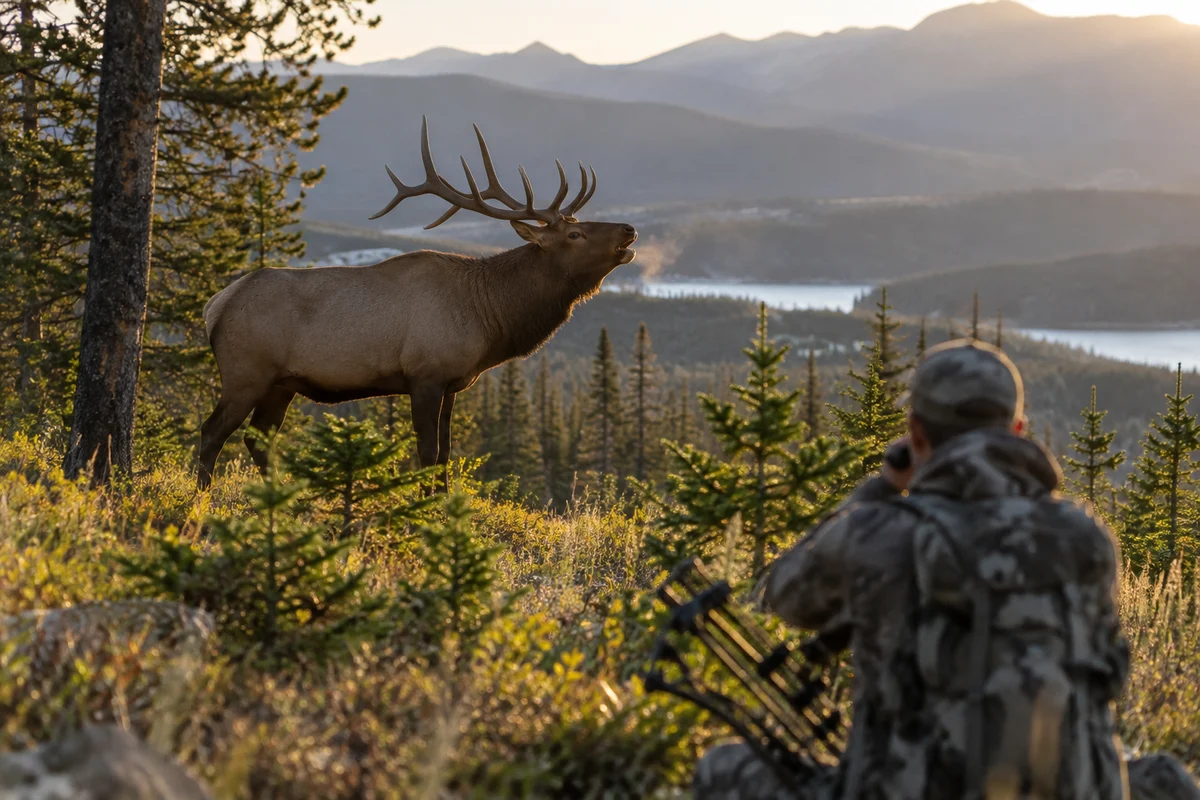
Elk calling works best when it sounds like a response to what is happening around you—not a performance repeated on a schedule. If you are learning how to call bull elk, start by identifying the animal’s likely mood, the wind, the terrain, and your hunting rules before choosing a sound. A simple cow call or restrained bugle may help locate or engage an elk, but no call guarantees a response, and silence is often the better choice.
This is a general field framework, not a promise of results. Elk behavior changes with location, weather, hunting pressure, season, and the presence of cows or competing bulls. Check current regulations and access rules for the area you plan to hunt, and practice calls before the season so you can make deliberate, controlled sounds.
Start with conditions, not a call
Before calling, pause and listen. At first and last light, elk may be vocal, but they can also be quiet. A bugle in the distance can help you estimate direction and activity; wind, echoes, and broken terrain can make distance difficult to judge. Avoid treating one sound as a precise location.
Check the wind before moving. Keep it in your face or quartering toward the area where you expect an elk, and reassess as the breeze shifts. Thermals can change direction as slopes warm or cool, so a route that seemed favorable earlier may carry your scent into an animal’s path. If the wind is unreliable, wait, reposition cautiously, or leave the area rather than trying to call an elk closer through a poor setup.
Use terrain to your advantage without rushing. Ridges, timber edges, and drainages can help conceal movement, but they also create sound and visibility surprises. Move slowly enough to identify what lies ahead, especially where another hunter could be approaching a sound.
Choose a call that fits the situation
A cow or calf call can suggest the presence of elk without challenging a bull. A bugle can communicate a bull’s presence, but a loud, aggressive sequence may be inappropriate when you do not know what is nearby. Use the least complicated sound that fits the information you have.
| What you observe | Reasonable first response | What to avoid |
|---|---|---|
| Elk sounds far away, direction fairly clear | Listen, then try one modest call and wait | Repeating calls without checking for a response |
| No elk sounds, but fresh sign is present | Move quietly and use a soft cow call sparingly, if appropriate | Assuming sign means a bull is close |
| A bull answers from cover | Pause, assess wind and terrain, then consider a restrained response | Charging toward the sound or escalating every exchange |
| Wind is shifting or other hunters may be nearby | Stay quiet, reposition safely, or leave | Calling blindly toward people or across a boundary |
| Animal is close but unseen | Stop moving and let the situation develop | Calling repeatedly and revealing your position |
Calls vary in volume and tone, and an imperfect sound does not automatically ruin an encounter. More important is what follows: give the animal time, stay alert, and avoid walking toward a sound unless you can do so safely and legally.
Use a simple call-and-wait sequence
A disciplined sequence helps you avoid overcalling. First, settle in a place with a safe view and a favorable wind. Make one short call—or none if nearby activity or hunting pressure makes calling unwise. Then wait quietly and scan carefully. Elk may approach without answering, answer from a distance, or remain silent.
If you hear a response, do not assume the bull is coming straight to you. It may be moving away, tending other elk, or simply vocalizing from where it stands. Listen for changes in direction and volume, but remember that terrain can distort both. If you choose to answer, keep the call measured and then wait again. Repeatedly calling over an answering elk can make it harder to interpret what is happening and may expose your position.
When there is no response, resist the urge to keep calling louder. Consider whether the wind is wrong, the elk may be moving, or the area is simply quiet. A quiet stalk along a safe route may be more sensible than another sequence. If you are hunting with a partner, agree on signals and positions before calling; never move toward a sound without knowing where your partner is.
Adjust to season and pressure
Elk vocal activity can vary through the season and from one day to the next. During periods when bulls are actively competing or attending cows, bugling may be more common. At other times, a subtle call—or no call—may be more suitable. Local habitat, weather, and pressure matter, so treat general seasonal patterns as clues, not rules.
In heavily hunted areas, frequent calling can draw attention from other people as well as elk. Make your location clear when required by local rules, wear the legally required visibility clothing, and avoid calling in a way that could create confusion about whether a sound came from wildlife or a person. If you hear another hunter calling, do not answer as though you were an elk. Identify yourself clearly from a safe position or leave the area without approaching the sound.
For broader context on planning a hunt and choosing an approach, see our big-game hunting hub. If you are researching elk and record claims, use careful verification rather than repeating a headline: our guide to world record elk explains why official documentation matters. For another example of how record claims should be checked, read about the Nebraska record elk.
Safety, ethics, and legal checks
Calling is not a substitute for identifying an animal, a safe shooting background, or compliance with hunting regulations. Know the species, sex, season, legal weapon requirements, boundaries, and any restrictions on calls or electronic devices for the jurisdiction. Regulations can change; consult the current state or provincial wildlife authority before heading out.
Keep a clear line of communication with anyone hunting alongside you. Agree on a meeting point, avoid separating in dense cover, and make your presence known to other hunters when appropriate. Never point a firearm at a sound or movement you have not positively identified. Handle and store firearms safely, and follow local laws for transport and storage.
Respect private property, closures, and protected areas. Do not pursue an animal into unsafe terrain or across a boundary. If you are uncertain whether a call, access route, or hunting method is allowed, stop and verify rather than relying on an old report or an assumption.
A practical decision checklist
Before making a call, ask:
- Can I identify a safe, legal place to wait? If not, move or stay quiet.
- Is the wind favorable and reasonably steady? If not, avoid trying to pull an elk toward you.
- Do I know where my partner and nearby hunters are? If not, do not call into unknown cover.
- What evidence supports this sound choice? A distant bugle, fresh sign, and quiet conditions are different situations.
- Have I left time to listen? Make a sound, then give the woods room to answer.
The core skill is not producing the loudest bugle. It is noticing when a call makes sense, using it sparingly, and being prepared to stop. Learn the local rules, practice before the hunt, and let wind, terrain, safety, and the elk’s behavior guide each decision.
Frequently asked questions
What call should a beginner use to call a bull elk?
Start with a simple, restrained cow call or a modest bugle only when it fits what you hear. Practice beforehand, then listen longer than you call.
How long should I wait after calling an elk?
There is no dependable fixed interval. Wait quietly and scan; an elk may answer, approach silently, or not respond. Avoid immediately repeating louder calls.
Should I bugle aggressively at every bull elk?
No. A challenge-style bugle can be a poor choice when you do not know the animal’s position, mood, or the location of other hunters. Use restraint and prioritize safety.
Can elk calling rules vary by location?
Yes. Regulations about seasons, methods, devices, access, and required visibility clothing vary and can change. Check the current wildlife agency rules for your hunting area.
Sources & further information
Consult these primary sources for current regulations, technical information and local guidance.