How to Use Bear Spray: Practice, Carry, and Respond Safely
Bear spray is a last-resort deterrent, not a substitute for prevention. Learn how to choose and carry it, rehearse without discharging it, and respond to a bear encounter while following product directions and local guidance.
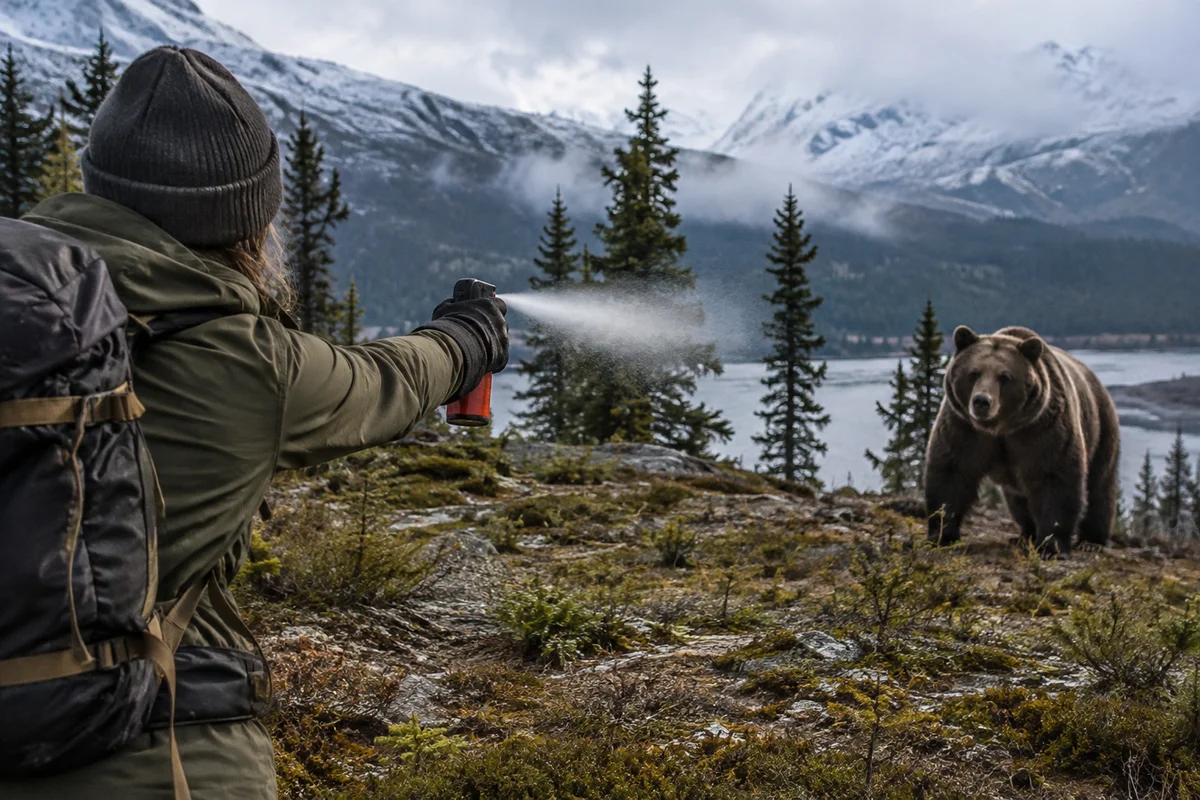
Knowing how to use bear spray starts before a bear appears: choose a product labeled for deterring bears, understand its instructions, and carry it where you can reach it immediately. Spray is a last-resort deterrent, not a guarantee and not a replacement for keeping distance, managing food, and avoiding surprise encounters. A canister marketed alongside a loud horn does not establish that the combination prevents encounters; noise can alert wildlife, but it is not a reliable way to move or control a bear.
What bear spray can—and cannot—do
Bear spray is designed to create a temporary cloud that may deter an approaching bear when used according to its label. Wind, rain, terrain, distance, the bear’s behavior, and the specific product all affect what happens. No deterrent works every time. Read the current label and manufacturer directions for the particular canister you carry; do not rely on a generic online range or a memory of another product’s instructions.
Spray is for an immediate, close encounter in which a bear is approaching and a deterrent response is warranted. It is not for spraying on people, tents, gear, trails, or wildlife as a preventive measure. Do not treat it as a substitute for firearms rules, wildlife regulations, or professional instruction. The U.S. Fish and Wildlife Service offers broader bear and wildlife information at fws.gov.
Choose and carry a canister you can reach
Check that the product is specifically labeled as bear spray, and inspect its instructions, safety features, expiration or service information, and storage limits. Product designs differ, so learn the exact release mechanism and recommended handling from its label. If anything is unclear, ask the manufacturer rather than improvising.
Carry the canister in its intended holster or another secure, readily accessible position recommended by the manufacturer. A pack’s deep interior is a poor place for something meant for an urgent situation. Keep the safety feature engaged until needed, and avoid carrying the canister where it can be crushed, snagged, overheated, or exposed to conditions prohibited by its label. Never leave it in a vehicle or enclosed space contrary to the storage instructions.
For a group, make sure each person understands where their own deterrent is and how to alert companions. A canister that belongs to someone else may be unreachable when seconds matter. Keep it away from children and prevent casual handling.
Practice without discharging it
A dry rehearsal can make the sequence less unfamiliar without releasing the product. Outdoors, in a safe place, and with the canister secured as directed, rehearse reaching for it, orienting it as the label specifies, identifying the safety mechanism, and returning it to its carrying position. Do not press the trigger, remove safeguards in a way that risks discharge, or point a live canister at a person or animal. Some manufacturers offer inert practice units; use only one explicitly intended for training and follow its instructions.
Review the label before each trip, especially if you have changed canister models or holsters. Agree on simple group communication: who calls out the bear, where people should move if that is safe, and who has a clear route away. Practice should build familiarity, not confidence that spray will solve every encounter.
Prevent encounters with food and awareness
Avoiding a close encounter is more dependable than reacting to one. Follow land-manager rules for food storage and waste, and use the required bear-resistant containers or storage systems. Keep food, toiletries, and cooking activity managed as local guidance directs; never leave scented items scattered around camp. Give bears space, do not approach for photographs, and do not feed or intentionally attract them.
On trails, stay alert, particularly where vegetation, rushing water, or limited visibility can mask sound. Make ordinary human presence known where appropriate, especially when approaching blind corners, while respecting local guidance about noise and wildlife. Keep dogs controlled under local rules; an off-leash dog can provoke a dangerous encounter and return a bear toward its handler. If you see a bear at a distance, do not close in. Give it room and choose a safe way to leave.
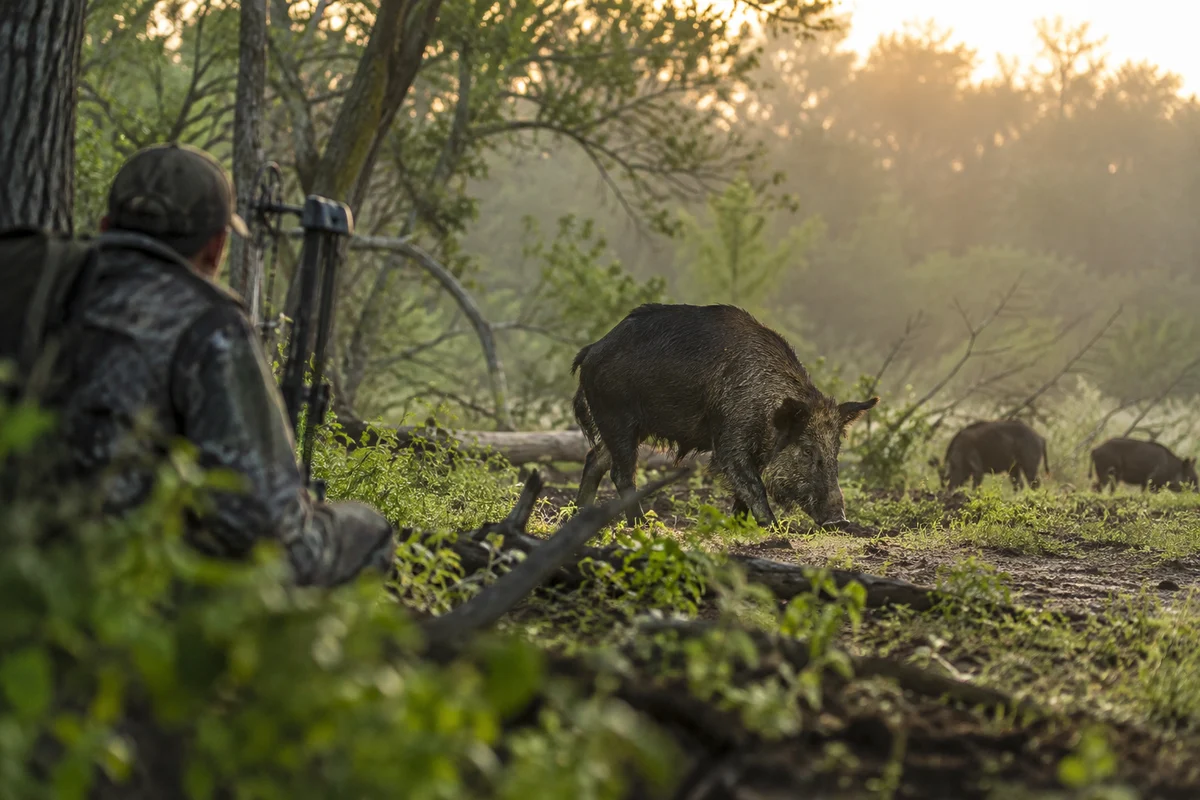
For broader field context, see more outdoor coverage, including practical reading such as hog hunting tips and the difference between a boar and a sow bear. These topics do not replace local bear-safety instructions, but they reinforce the need to understand wildlife and habitat rather than assume every encounter is the same.
If a bear approaches
Stay composed enough to assess the situation. Do not run toward or past a bear, crowd it, or move toward cubs. Speak calmly if recommended by the local wildlife authority, make yourself identifiable, and slowly create distance when there is a safe route. Avoid blocking the animal’s escape. Bear behavior and appropriate responses vary by species and circumstances, so learn the recommendations for the region you are visiting before setting out.
If the bear continues to approach and the situation meets the product’s intended-use conditions, use the canister as its label directs. Account for wind and companions; a cloud can affect people as well as wildlife. Do not try to retrieve a canister after discharge or approach a bear to inspect the result. Once there is a safe opportunity, leave the area and report a serious encounter to the relevant land manager or wildlife agency. Follow official local guidance if an encounter involves contact or injury.
Why a bear horn is not a substitute
A horn or other noisemaker may draw attention or signal a person’s location, but it cannot reliably deter a bear, and a sudden sound may not produce the outcome someone expects. It should not be presented as a proven partner that makes spray more effective. Use sound only in ways consistent with local wildlife guidance, and do not approach a bear to test its reaction. The dependable foundation remains prevention, distance, awareness, and a reachable deterrent used only as directed.
Common mistakes to avoid
- Stowing spray where it cannot be reached quickly, or carrying an unfamiliar model without reading its label.
- Treating a horn, shouting, or spray as a guarantee against an encounter.
- Discharging a canister for practice or testing it near people, pets, camp, or wildlife.
- Leaving food or scented items unsecured, approaching wildlife, or letting a dog range freely.
- Assuming one response fits every bear species, behavior, or setting; check guidance from the local land manager.
A careful plan is modest: know the rules, reduce attractants, keep distance, and understand the exact product you carry. Those habits lower avoidable risks without promising control over wild animals.
Frequently asked questions
Does a bear horn make bear spray more effective?
There is no basis here to claim that pairing a horn with spray makes either more effective. A noisemaker may alert people or wildlife, but it is not a dependable bear deterrent. Follow local wildlife guidance and prioritize distance and prevention.
Should bear spray be kept inside a backpack?
Keep it accessible in a secure position consistent with the product’s instructions. A canister buried in a pack may be difficult to reach during an urgent encounter. Protect it from damage and prohibited storage conditions.
Can I practice by spraying a small amount outdoors?
Do not discharge a live canister as a rehearsal. Learn the safety mechanism and handling from its label and rehearse the reach-and-orient sequence without pressing the trigger. If available, use only a manufacturer-approved inert training unit and follow its directions.
Sources & further information
Consult these primary sources for current regulations, technical information and local guidance.