A Practical Lake Michigan Fishing Guide for Every Season
Plan a Lake Michigan trip around season, conditions and target species—not a fixed calendar date. This guide covers trip preparation, common methods, safety checks and how to verify current regulations.
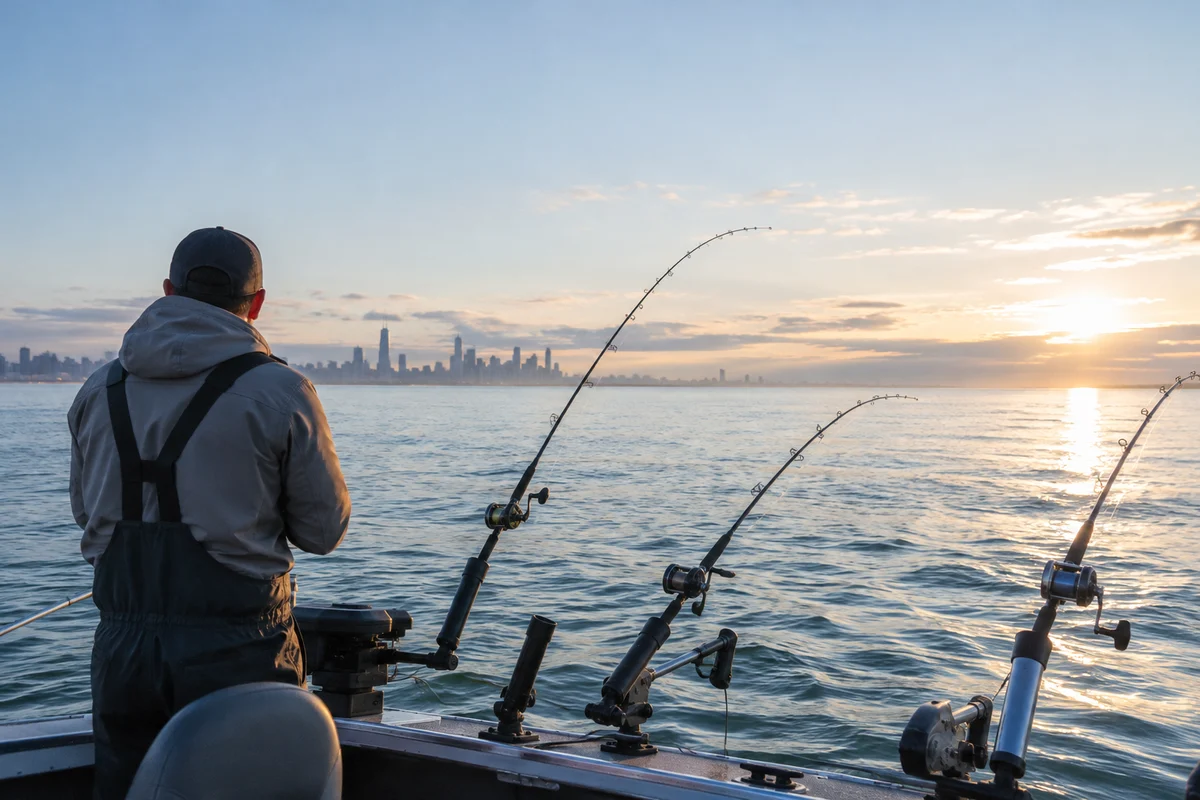
Lake Michigan rewards planning more than prediction. A useful lake michigan fishing guide starts with a simple truth: conditions change quickly across this vast freshwater lake, and fish location varies with season, water temperature, forage and weather. Whether you fish from shore, a harbor or a boat, build the day around current local information and a flexible target rather than assuming one technique will work everywhere.
The lake supports a mix of cold-water and warm-water fishing opportunities. Salmon and trout draw many anglers offshore and near tributary mouths, while smallmouth bass, perch and other species can offer different options close to shore. Which species are available—and what you may keep—depends on location, date and current rules. Treat this as a planning framework, not a forecast or a substitute for regulations.
Choose a target that fits the conditions
Start by deciding what kind of trip you want. A boat trip aimed at salmon or trout has different equipment, travel and safety needs from a relaxed shoreline outing for bass or perch. Check recent reports from the specific port or stretch of shoreline you plan to visit; conditions on one side of the lake do not necessarily describe another.
For salmon and trout, anglers commonly look for changing water temperatures and concentrations of baitfish. Depending on season and location, fish may be nearshore, around structure or farther offshore. Trolling is a widely used approach from boats, but the productive depth and presentation can change. Avoid treating a depth or lure choice reported elsewhere as a guaranteed recipe.
Smallmouth bass are associated with rocky areas, points and other structure, but local conditions and access matter. Shore anglers can focus on accessible breakwalls, piers and rocky shoreline where permitted. Perch fishing can be a useful family option in some places, though schools move and local catch rules may change. Ask a local bait shop or marina about current conditions, then verify legal requirements yourself.
If you are comparing a Great Lakes outing with saltwater techniques, our overview of how to catch amberjack illustrates why matching tackle and tactics to a fish’s habitat matters. The species and setting are different, but the planning principle transfers: understand where fish are likely to be before selecting a method.
Use season as a starting point, not a promise
Spring, summer and fall each bring different combinations of temperature, forage, weather and fishing pressure. The transition periods can be especially variable. A warm spell, a cold front or strong wind can alter where fish are comfortable and whether a particular launch or shoreline is safe.
A broad seasonal approach is more reliable than a rigid calendar:
| Trip window | Planning emphasis | Useful questions |
|---|---|---|
| Spring | Look for changing nearshore conditions and confirm access | Are tributaries, harbors or shoreline areas open and legally accessible? What are the current species rules? |
| Summer | Prepare for boat traffic, sun and changing offshore conditions | What is the marine forecast? Is the target likely to be nearshore or offshore today? |
| Fall | Expect rapid weather shifts and check seasonal regulations closely | Are dates, tributary rules or closures different from earlier in the year? |
| Any season | Keep a backup plan and reassess before launching | What wind, waves, visibility and return conditions are expected? |
These are planning prompts, not claims that a species will be present at a particular time. Lake temperatures and fish movements vary by year and location. Use current agency information and recent, local observations to refine the plan.
Build a trip plan around wind, waves and access
The lake can become hazardous faster than a sheltered inland water. Check the National Weather Service marine forecast for the exact area and time you intend to fish, including wind direction, sustained wind, gusts, wave height, precipitation and any advisories. A forecast that looks manageable near shore may not be appropriate for a longer crossing or exposed water.
Set a conservative turnaround point before leaving. If wind or waves build, visibility drops, the boat develops a problem or anyone aboard feels unwell, change plans and head for a safe landing. Do not rely on a phone alone for navigation or emergency communication; coverage and battery life can be limited. Carry appropriate flotation for everyone, and make sure safety equipment is suitable for the vessel and trip. Review official boating-safety guidance and local requirements before departure.
Shore fishing also deserves a conditions check. Waves can overtop breakwalls and piers, and slippery rocks or sudden surges can turn a routine cast into a dangerous situation. Wear footwear suited to the surface, keep a safe distance from the edge and leave exposed structures when conditions worsen. Check posted closures and access rules; public-looking shoreline is not automatically open to fishing.
For additional context on how fishery information can be uncertain, see our article about a sturgeon survey in Chesapeake Bay. A survey result describes a particular place, method and period; it should not be mistaken for a complete account of every fish or every waterbody.
Choose tackle and methods after choosing the target
There is no single Lake Michigan setup. Match rod, reel, line and terminal tackle to the species, method and conditions, and follow any local restrictions on tackle. For a boat-based salmon or trout trip, ask an experienced local outfitter or bait shop what general approach is currently being used, then check equipment instructions and regulations. For shore fishing, select gear that allows controlled casts and safe handling on the structure you will fish.
Keep the plan uncomplicated. Bring a primary method and one practical alternative, rather than a crowded assortment you cannot use confidently. Organize hooks and other tackle so they are secure during transport, and carry tools for safe hook removal. Handle fish carefully, especially if releasing them: minimize time out of water, keep them supported and wet, and follow agency guidance for the species. If a fish is deeply hooked or badly injured, use current official advice rather than improvising from a generic tip.
A simple decision framework helps:
- Confirm the target and legal area. Identify the state waters, species and date-specific rules that apply.
- Check current conditions. Compare the marine forecast with your vessel, experience and route.
- Ask what is happening locally. Seek recent information for your launch or shoreline, not a distant port.
- Select a method you can use safely. Adjust for access, wind, waves and available time.
- Set a fallback. Choose a closer location, a different target or a no-go decision before conditions force one.
Verify regulations before keeping fish
Lake Michigan borders multiple states, and the rules are not interchangeable. Licensing, open seasons, size limits, daily possession limits, special waters and method restrictions can vary by jurisdiction and may be revised. Before the trip, consult the responsible state fish and wildlife agency for the water you will fish. If you cross jurisdictional boundaries, establish which rules apply to your exact location and activity rather than assuming your home license is sufficient.
Check the current regulation booklet or official online rules, and confirm any emergency updates, closures or special restrictions. Do this again close to departure if the trip is planned well in advance. Keep the rules accessible while fishing, and identify species carefully before deciding whether a fish may be retained. When uncertain, release the fish and contact the agency for clarification.
Our guide to Montauk striped bass fishing covers a different fishery, but it reinforces the same useful habit: location-specific rules and conditions matter more than a generalized fishing tip.
Pack for a changing day
A dependable checklist is more useful than a long gear wish list. Adapt it to the trip, vessel and season:
- Required fishing license and a way to review current regulations.
- Personal flotation devices for everyone, plus required boating-safety equipment.
- Marine forecast and a navigation plan, with a backup communication method.
- Water, food, sun protection and layers suitable for changing weather.
- Tackle for the selected target, secure storage and basic fish-handling tools.
- A first-aid kit, charged devices and a clear plan for returning early.
- A cooler or other lawful, suitable means of keeping retained catch in good condition.
Before launching, tell someone where you plan to go and when you expect to return. On the water, keep an eye on the sky and the lake, not only on the rod tips. Fishing success is never guaranteed; a safe trip with a sound decision to move, change targets or call it early is still a good outcome.
Make the guide local and current
A lake michigan fishing guide can narrow the questions to ask, but it cannot replace a local forecast, current regulations or experience on the water. Start with an official state agency for licenses and harvest rules, then use the National Weather Service for marine conditions. Add recent local reports for context, recognizing that reports can be incomplete, delayed or tied to a different location and method.
Keep notes after each outing: launch, broad conditions, target, method and what you would change next time. Avoid turning one day’s result into a universal pattern. Over time, careful records help you plan more efficiently while leaving room for the lake’s variability. The best preparation is not a secret spot or a guaranteed lure—it is a flexible plan, sound judgment and respect for conditions that can change quickly.
For more, explore our fishing saltwater guides.
Frequently asked questions
What fish can anglers target in Lake Michigan?
Common targets include salmon and trout, smallmouth bass and perch, but availability varies by location and season. Check recent local information and current state regulations.
When is the best time to fish Lake Michigan?
There is no universally best date. Seasonal patterns provide a starting point, while local water conditions, weather, fish movement and regulations determine what is practical on a given day.
Do Lake Michigan fishing regulations differ by state?
Yes. Licensing and species rules depend on the jurisdiction and specific waters. Consult the responsible state agency’s current regulations before fishing or keeping a fish.
Is it safe to fish Lake Michigan from shore?
It can be, when access is open and conditions are suitable. Waves can overtop piers and breakwalls, so check conditions, use secure footing and leave exposed structures when conditions worsen.
Sources & further information
Consult these primary sources for current regulations, technical information and local guidance.