How to Drop Shot Fishing: A Clear, Practical Guide
A drop-shot rig keeps a soft bait above a separate sinker, making it useful for presenting a lure at a controlled height. Here’s how to choose the setup, rig it, and fish it without overworking the bait.
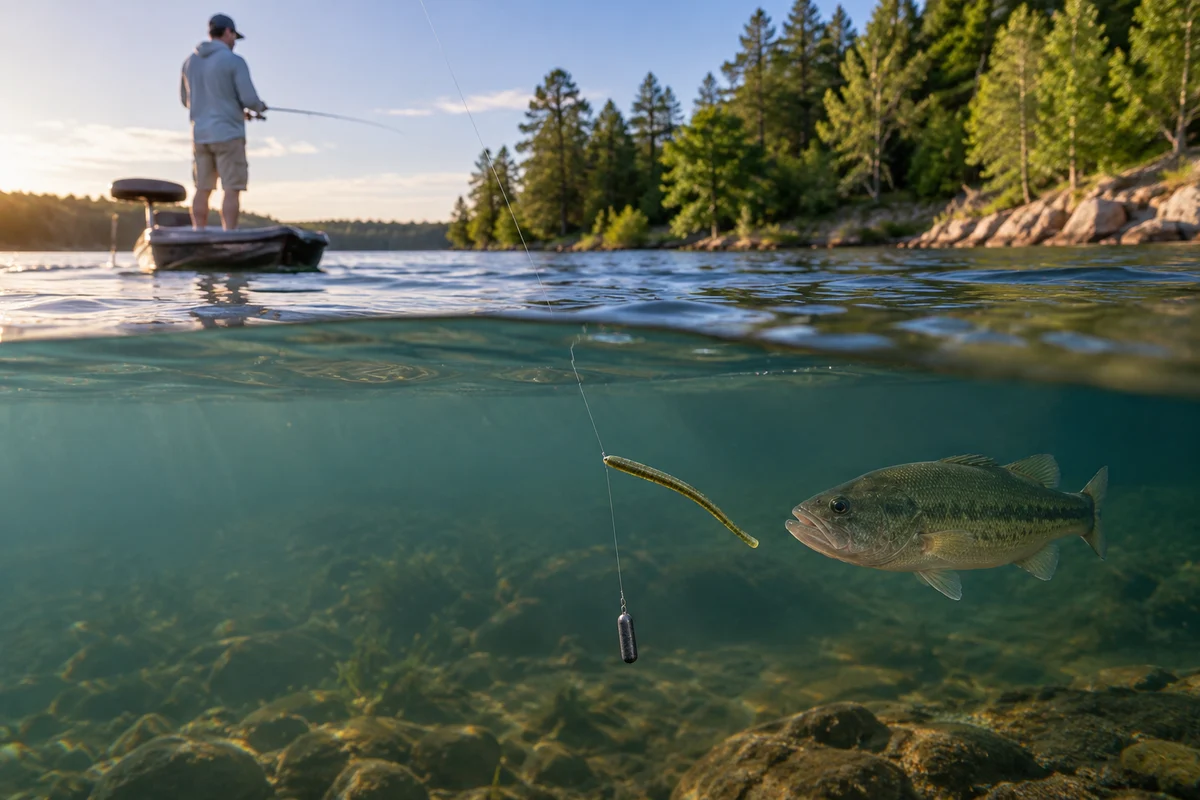
A drop-shot rig is a way to fish a soft plastic above a sinker tied to the end of the line. If you’re learning how to drop shot fishing, begin with the basic idea: the weight touches bottom while the bait hangs higher, so you can make a controlled presentation without dragging the lure along every inch of the lake floor. It is especially useful when fish are holding at a particular depth, when a slow presentation makes sense, or when you want to keep a small bait in place in open water.
The rig is adaptable, not magic. Bottom composition, current, wind, vegetation, fish behavior, and local rules all matter. Start with a simple setup, watch what the line and sinker are doing, and make one adjustment at a time.
What makes a drop-shot rig different?
In a conventional bottom presentation, the lure and weight often move together. With a drop shot, the hook is tied on the main line and a separate sinker is attached below it. The distance from hook to sinker determines the bait’s starting height above bottom. The bait can quiver or drift while the weight stays comparatively still.
That separation gives you control over presentation height. It also makes the rig useful for probing a small area: lower it, maintain contact with the bottom, and impart restrained movement. A drop shot can be fished from shore or a boat, in still water or modest current, wherever the rig can be presented safely and legally.
A basic setup: rod, line, hook, and weight
Use tackle that lets you feel the sinker and notice a light bite without making the system unnecessarily heavy. A light or medium-light spinning outfit is a common starting point, but there is no universal rod or line specification. Choose line appropriate to the fish, cover, water clarity, and your local conditions. If using a leader, connect it securely and inspect the knot before fishing.
A small hook suited to the bait and fish is generally easier to present than an oversized one. Hook style is a matter of bait shape, how you intend to rig it, and the fishery’s rules. A nose-hooked bait can move freely in open water; threading or Texas-style rigging can help reduce snags around cover. Check regulations for hook restrictions and any rules about bait.
A purpose-made drop-shot sinker is convenient because many attach by pinching the line into a clip. A knot-tied sinker also works. Use only enough weight to maintain useful bottom contact and control. Too light, and wind or current may sweep the rig away; too heavy, and the bait may feel less natural or snag more readily. Avoid damaging line when attaching a clip-style weight, and retie if the line is nicked.
Tie the hook so the bait hangs correctly
Tie the hook to the line with a strong knot appropriate to your line and hook. For a Palomar knot, pass a generous loop through the hook eye, tie an overhand knot with the loop, pass the loop over the hook, then moisten and tighten carefully. Leave a long tag end; pass it back through the hook eye so the hook point faces upward. Attach the sinker to the tag end, then trim excess line while leaving enough to reattach if needed.
Knot details can vary with line type and hook design, so follow reliable knot guidance for the materials you use. Pull-test the finished connection gently before fishing. If the hook does not hang point-up, retie rather than assuming it will correct itself in the water.
Set the bait height to the situation
The hook-to-weight gap is not a fixed measurement. Think of it as a starting position. If fish are close to bottom, use a shorter gap; if they appear suspended above it, lengthen the gap. On a featureless flat, begin with a modest separation and adjust after observing where fish are located. In weeds or over a soft bottom, a higher bait may stay more visible and avoid getting buried. Around snags, a higher presentation can help, though it cannot make the rig snag-proof.
A depth finder may help identify depth or suspended fish, but it does not establish with certainty that every mark is a catchable fish. Interpret the display alongside the shoreline, season, water conditions, and your own observations. For a broader look at reading electronics, see our Lowrance vs. Garmin fishfinder overview.
| Situation | Starting adjustment | What to watch |
|---|---|---|
| Fish near bottom | Shorter hook-to-weight gap | Whether the bait remains above silt or rocks |
| Fish suspended higher | Increase the gap | Whether bites or visible fish occur at that level |
| Light wind, open water | Use the lightest weight that maintains contact | Slack line and missed bottom contact |
| Wind or current | Add only enough weight for control | A rig that drifts too quickly or feels unnaturally anchored |
| Weeds or soft bottom | Raise the bait and consider a weed-reducing hook rig | Fouled bait, buried sinker, or vegetation on the line |
| Rocky or snaggy bottom | Keep the rig controlled and avoid dragging | Repeated hang-ups and damaged line |
These are decision cues rather than rules. If the rig is not behaving as intended, change one variable—height, weight, bait, or position—and observe the difference.
How to fish a drop shot, step by step
- Find a manageable area. Start with open water or a bottom type you can feel. Avoid beginning in thick cover where every cast risks a snag.
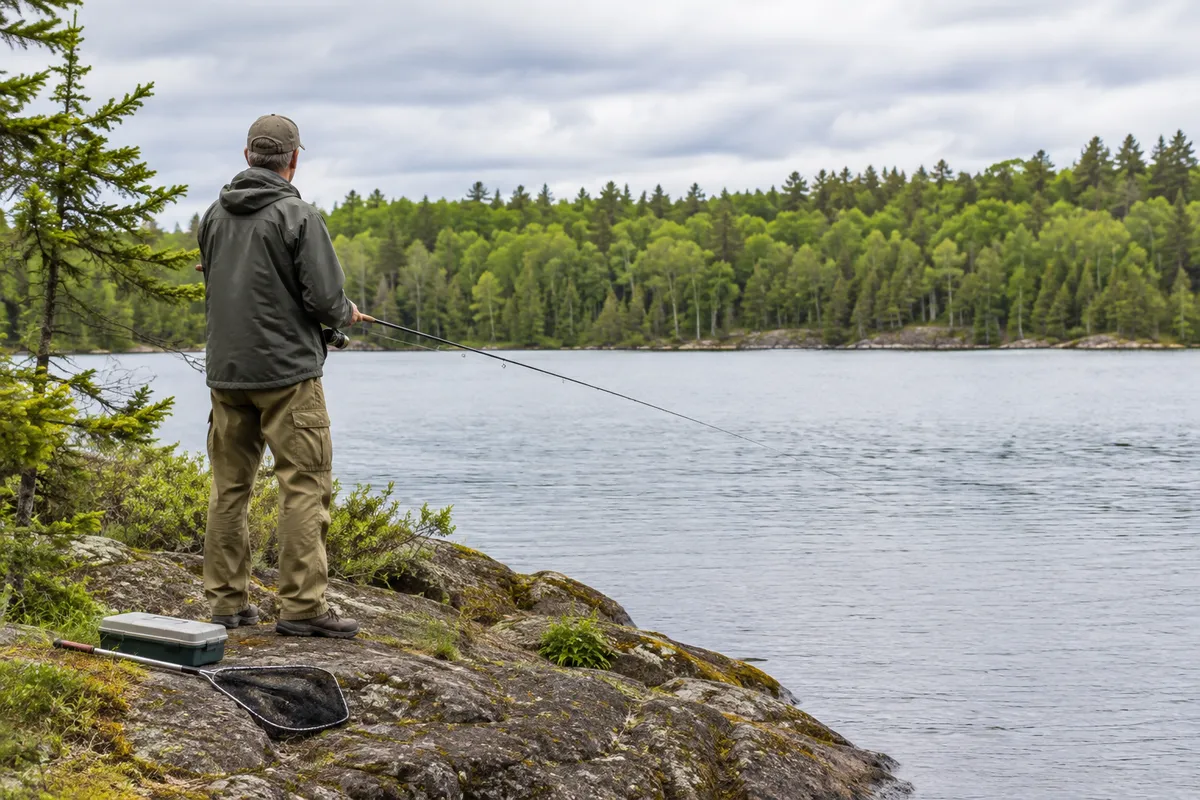
- Cast or lower the rig. From shore, cast beyond the area you want to fish and let the sinker settle. From a boat, lowering vertically can make it easier to keep the rig near a chosen spot.
- Take up excess slack. Keep enough connection to detect contact, but do not pull the sinker across bottom. A bowed line can hide subtle bites; an overly tight line can drag the rig.
- Pause and feel. Let the bait settle. Then make small movements with the rod tip or a gentle lift and drop. Often, the best movement is less than expected: the line can transmit a slight quiver without moving the weight far.
- Move the sinker deliberately. When you want to cover new water, lift or reel a short distance, let the weight settle, and pause again. This controlled sequence helps distinguish bottom contact from a bite.
- Respond to a bite without rushing. A bite may feel like a tap, extra weight, or an interruption in the sinker’s fall. Keep the line connected and use a controlled hook set appropriate to the hook and fish; avoid a violent sweep that can pull a small hook free.
- Check the rig. After a fish, snag, or missed bite, inspect the bait, hook point, knot, and line for damage. Replace a torn bait or retie when the line is abraded.
If you are new to finesse presentations, compare this method with other ways to cover water in our guide to the best fishing spoon. A spoon and a drop shot serve different purposes; the comparison is about choosing a presentation for the conditions, not declaring one universally better.
Bait choice and movement
Choose a soft plastic that matches the size of available forage and can remain lively with minimal input. Slim worms, small minnow-shaped baits, and compact creature profiles are common categories, but local forage and regulations should guide the choice. Begin with one bait and a restrained action. If fish follow without taking it, or the bait looks out of scale, adjust size or profile before making several changes at once.
Keep the bait straight on the hook if its design calls for it; a twisted bait can spin and tangle line. In open water, a nose-hooked bait can move freely. Near vegetation or brush, a more protected hook point may reduce snags, with the trade-off that hook-ups can be less direct. There is no rigging method that guarantees both snag resistance and a perfect hook-up.
Common problems and practical fixes
The sinker keeps snagging. Stop dragging it continuously. Lift, reposition, and feel the bottom in short increments. Try a different sinker shape or a slightly higher bait, and move away from dense snags if the area cannot be fished cleanly.
You cannot feel bottom. Reduce slack, use a weight that communicates contact, or reposition to reduce the effect of wind and current. Make sure the line and knot are sound. Do not simply keep adding weight if it makes the presentation clumsy.
The bait spins or tangles. Re-rig it straight, reduce unnecessary movement, and check whether the hook is suitable for the bait. Retrieve slowly enough to keep the rig under control.
You get bites but miss fish. Check that the hook is sharp and exposed as intended, that the bait is not covering the point, and that your response matches the hook style. Consider a different hook size or rigging method, while observing local rules.
Nothing happens. A quiet stretch does not prove the technique is wrong. Change location or depth, adjust the hook-to-weight gap, and consider whether fish are active or present. For destination planning and the limits of general fishing advice, browse our best fishing destinations guide.
Safety, stewardship, and local rules
Keep hooks covered when transporting tackle and handle a hooked fish carefully. Wet hands before handling fish you intend to release, minimize time out of water, and use appropriate tools to remove hooks. Follow local regulations for seasons, size and possession limits, bait, hook types, and access. Rules can differ by waterbody and change over time, so consult the relevant fish and wildlife agency before heading out. Pack out line and tackle; discarded line can injure wildlife.
Drop-shot fishing is most effective when the rig is doing a specific job: holding a bait at a chosen height, staying in a small zone, or giving a subtle presentation. Learn to recognize bottom contact, keep the bait from spinning, and make measured adjustments. With those basics in place, the setup becomes a flexible option rather than a complicated knot-and-tackle puzzle.
For more, explore our fishing tips fishing 2 guides.
Frequently asked questions
What is the best hook-to-sinker distance for drop-shot fishing?
There is no single best distance. Start with a shorter gap for fish near bottom and lengthen it when fish are suspended or the bait needs to clear weeds or soft sediment.
Can you fish a drop shot from shore?
Yes. Cast it and let the sinker settle, then work the rig with pauses and small movements. Choose an area where you can manage snags and maintain contact with the weight.
How do you make a drop-shot bait move?
Use subtle rod-tip movements or a gentle lift and drop. The line can quiver the bait while the sinker remains mostly still; avoid shaking so hard that the rig travels constantly.
What weight should I use for a drop shot?
Use the lightest weight that still gives useful bottom contact and control in the wind or current. Adjust only as needed, since too-light weights drift and excessive weight can feel cumbersome.
Sources & further information
Consult these primary sources for current regulations, technical information and local guidance.