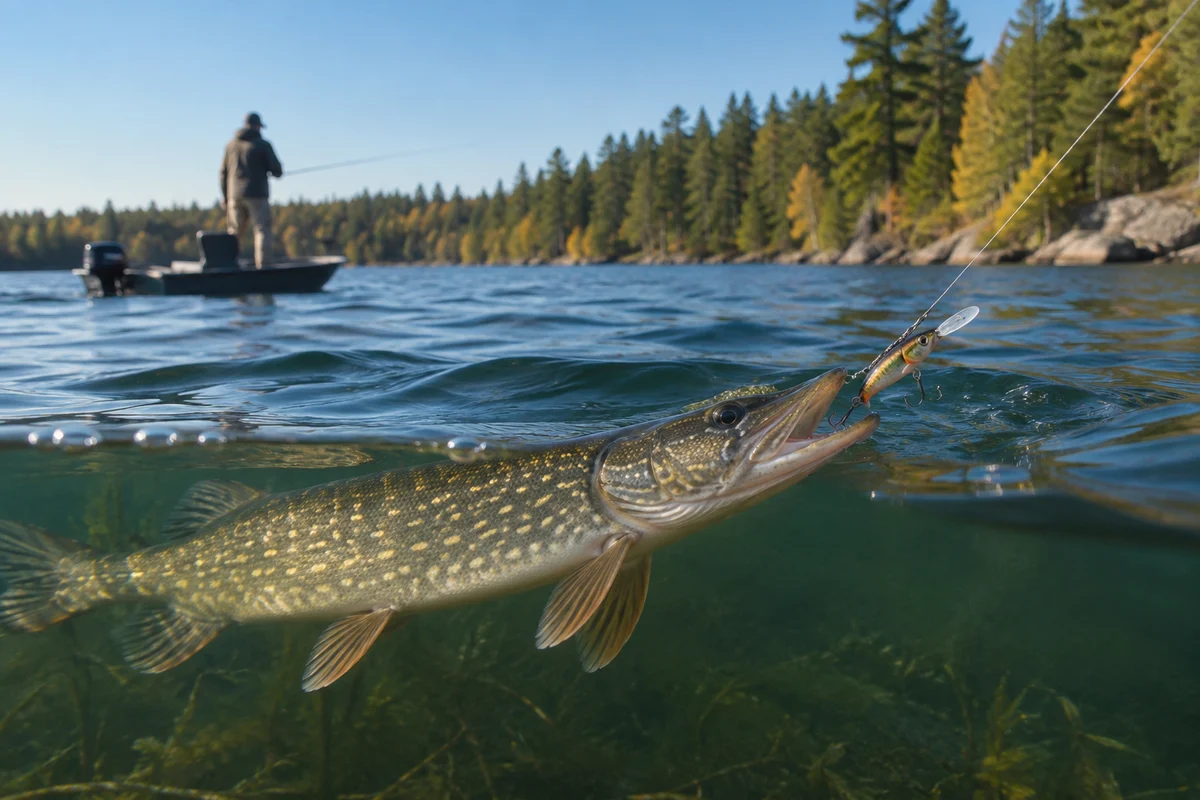
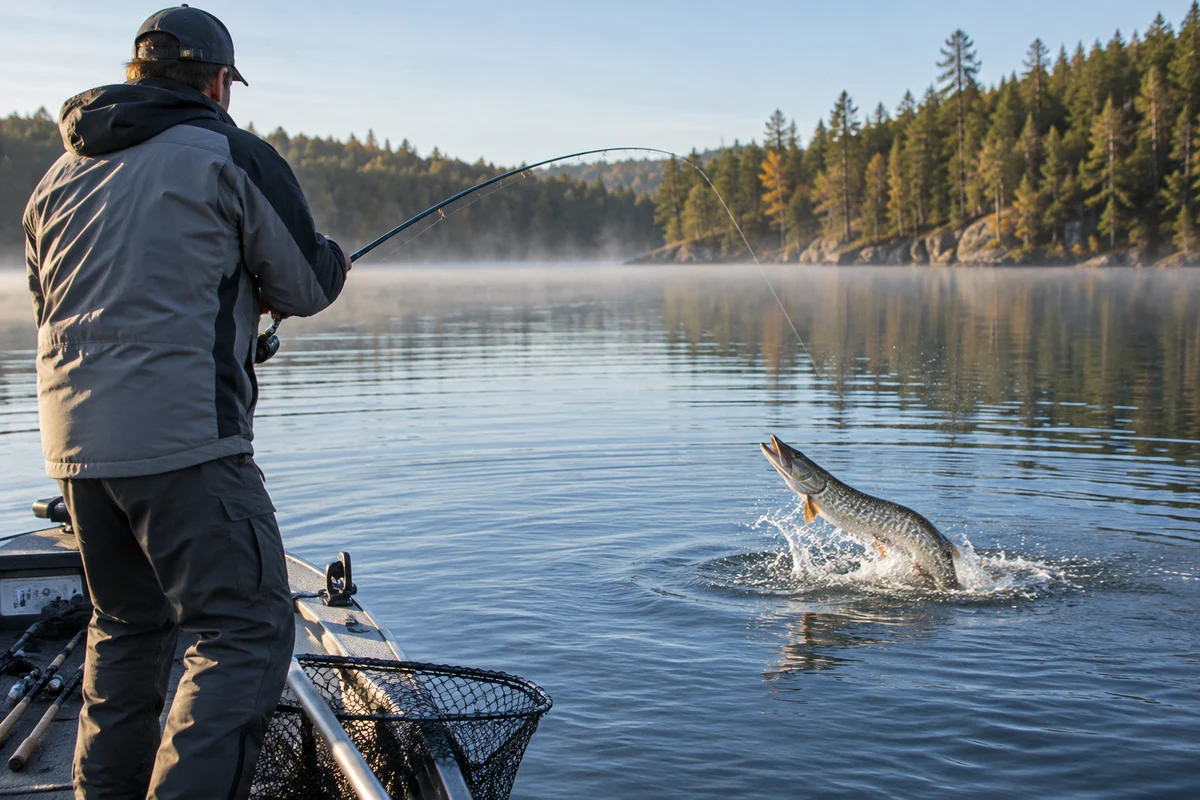
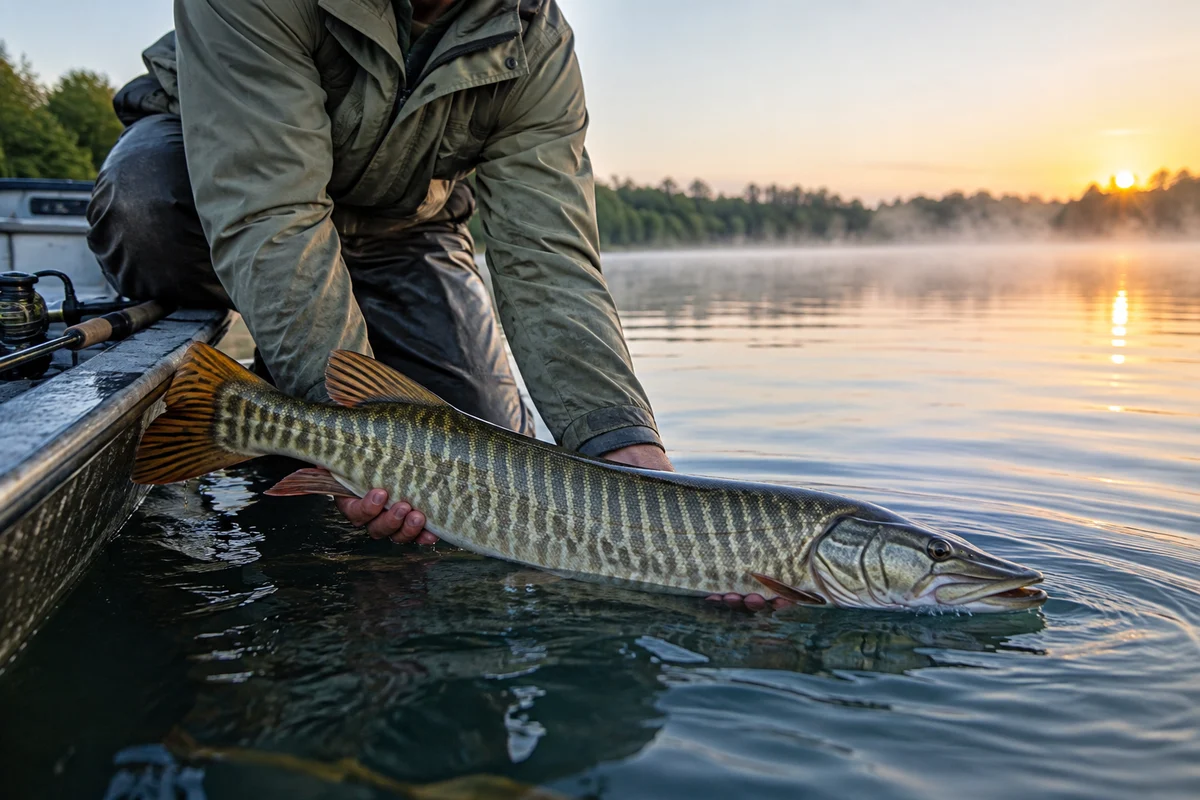
Deadbait fishing for pike: a practical guide to rigs, timing and safe handling
A thoughtful guide to deadbait fishing for pike, from choosing and presenting a bait to reading conditions, setting up safely, and releasing fish with care. Local rules and pike behavior vary, so treat the approaches as adaptable rather than universal.
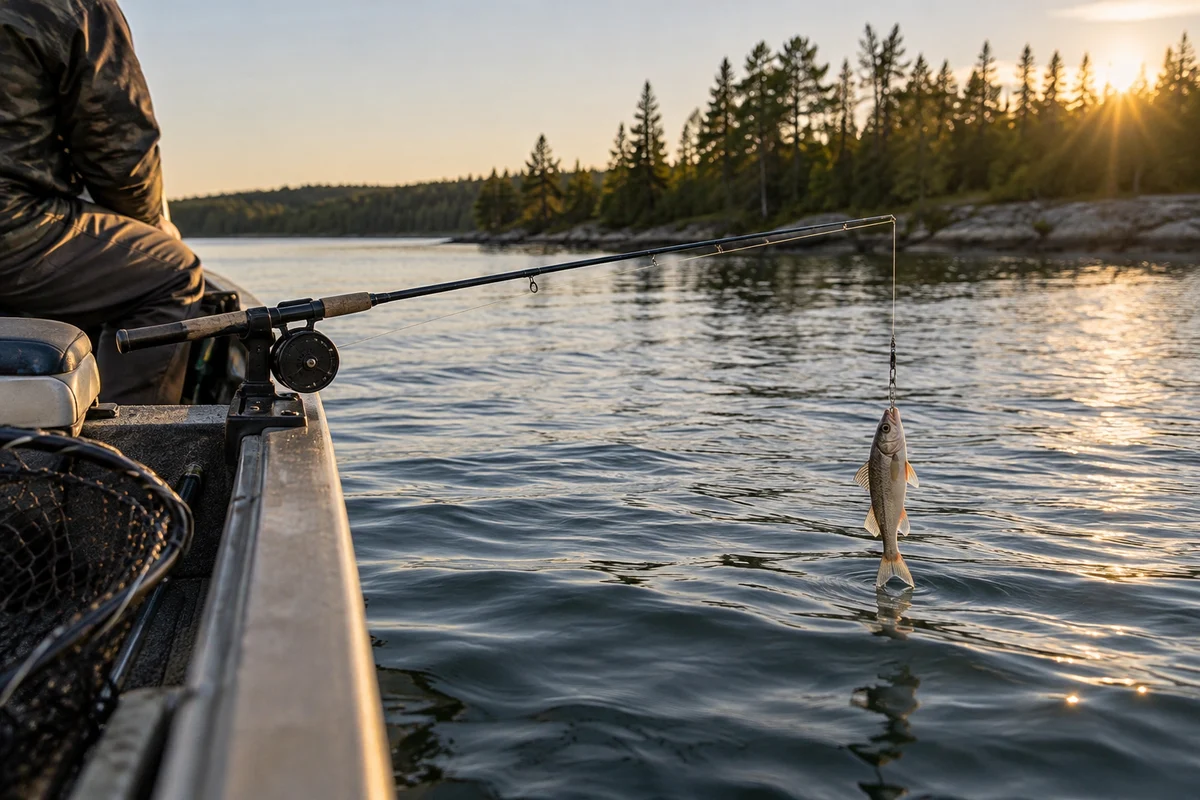
Deadbait fishing for pike can be an effective way to present a substantial, familiar-looking meal when live bait is unsuitable, unavailable, or prohibited. The method is simple in outline: use a legally sourced dead fish as bait, place it where pike are likely to forage, and watch for a clear indication. Success depends less on a supposedly perfect rig than on matching the presentation to local rules, water conditions, and fish behavior.
Deadbait is not a guarantee of a bite. Pike may feed actively in one area and ignore the same offering elsewhere. Before fishing, check the current regulations for the specific water, including permitted bait species, hook requirements, seasons, and rules for unattended lines. A muskie fishing hub offers related predator-fishing context; pike and muskellunge are different fish, so do not assume their regulations or tactics are interchangeable.
What deadbait fishing for pike involves
A deadbait is a whole dead fish or a portion of one presented on a hook or rig. Common choices vary by region and fishery. Use only bait that is lawful to possess and use, and follow local rules about transporting fish between waters. Moving baitfish can spread aquatic invasive species and disease; never release unused bait into a lake or river.
The attraction is the bait’s natural profile and scent. A stationary or slowly repositioned bait can be useful when pike are holding near a likely feeding area, especially when active lures are not producing. It can also be a patient approach in cold conditions. But a bait left in the wrong place, or left too long without attention, is unlikely to help and can create avoidable risks to fish and wildlife.
If you are new to the species, compare this approach with the broader overview in how to fish for pike. For a different seasonal setting, see ice fishing for northern pike; ice conditions and regulations demand their own safety decisions.
Choosing bait and presentation
Start with what is permitted on the water. Some fisheries restrict bait species, require bait to be purchased locally, or prohibit certain methods. Regulations can change, so consult the managing agency rather than relying on an old forum post or a general guide.
For bait choice, favor a fresh, intact fish of a size that suits the target water and the tackle you can handle responsibly. There is no universally best species or size. Local forage, water clarity, temperature, and the pike’s feeding pattern all matter. In a clear, heavily fished water, a natural-looking presentation may be less conspicuous; in stained water, scent and a visible profile may matter more. These are useful hypotheses, not fixed rules.
Keep bait chilled and protected from contamination until needed. Do not use fish that have spoiled, and do not leave bait or fish remains where they can attract scavengers or create a nuisance. If using frozen bait, allow it to thaw enough for secure rigging while keeping it cool. A bait that repeatedly tears free or spins unnaturally may need to be replaced or repositioned.
A simple setup decision framework
| Conditions | Practical starting point | What to watch |
|---|---|---|
| Shallow, weedy margin | Place the bait near an opening or outside edge, avoiding dense weed that can foul the line. | Snags, wind-driven movement, and fish activity along the edge. |
| Drop-off or channel edge | Position the bait on a manageable slope or nearby flat rather than placing it where a take would be difficult to control. | Line movement and whether the bait remains where intended. |
| Cold, still conditions | Use a deliberate, patient presentation and check it regularly. | Ice, line freeze, and signs that fish are inactive rather than simply absent. |
| Windy or flowing water | Choose a sheltered, stable position and adjust line control to reduce false indications. | Bow in the line, drifting debris, and changing water level. |
This is a starting framework, not a map of where pike must be. If the spot is unsafe, inaccessible, or prohibited, choose another. Keep the rig straightforward and use tackle appropriate to the fish and conditions so that a hooked pike can be brought under control without prolonged exhaustion.
Where and when to place a bait
Pike often use structure that gives them cover and access to prey: weed edges, drop-offs, points, submerged vegetation, and transitions between shallow and deeper water. Those features are clues, not promises. The best position changes with season, water temperature, prey movement, vegetation, and fishing pressure.
In warmer periods, consider areas where forage fish gather and where pike can ambush them, while avoiding water that is dangerously warm for catch-and-release fishing. In cooler weather, pike may still feed, but their activity and preferred depth can shift. Observe the water before setting up: look for baitfish, weed lines, current seams, and safe access. If you see no signs after a reasonable period, moving the bait a short distance or trying a different depth can be more informative than waiting indefinitely.
Avoid crowding other anglers, blocking access, or setting lines where boat traffic and people may cross them. Wind can push a float or line into weeds and make an indication misleading. A stable placement and a clear view of the rod or indicator make it easier to respond promptly.
Detecting a take and responding responsibly
Use an indication system that makes movement easy to see and keeps the line under your control. Wind, current, drifting vegetation, and waves can all imitate a take. Watch for a sustained, purposeful movement rather than reacting to every twitch. Stay close enough to respond; an unattended bait can result in a deeply hooked fish and is often unlawful.
There is no single hook-setting rule for every rig or jurisdiction. Follow local requirements and the instructions for the tackle you use. The conservation-minded priority is to minimize delay and avoid allowing a fish to swallow bait. If you cannot tell what is happening, keep the rod and line controlled and act promptly in line with the local method and rules. Do not leave a fish attached while searching for tools.
Before fishing, prepare long-nosed pliers or suitable forceps, a compact cutter, a landing net appropriate to the venue, and a wet unhooking surface. Keep hands away from the pike’s teeth and support the fish carefully; avoid squeezing the belly or lifting a large fish by the gill covers. If a hook is deeply embedded or removal would cause serious harm, cutting the line close to the hook may be the safer option where permitted. Seek local fisheries guidance on best practice for the water you fish.
Handling, release, and safety checklist
Good preparation shortens handling time and helps both angler and fish. Before casting, check the following:
- Regulations: Confirm season, bait, hook, line, and method rules for the exact water.
- Tackle: Use gear strong enough to control the fish and a net that suits the fishery.
- Tools: Lay out forceps, cutters, and a wet surface before fishing.
- Position: Keep the landing area clear, stable, and away from hazards.
- Handling: Wet hands and the unhooking surface; support the fish horizontally and limit time out of water.
- Release: Return the fish gently, allowing it to recover in the water. Do not release baitfish or unused deadbait into the water.
Cold weather adds another concern: exposed fish can be harmed by contact with ice, snow, or frozen ground. In hot conditions, warm water can make recovery difficult. If conditions make safe handling or a quick release unlikely, reconsider fishing. Take care around hooks, slippery banks, and changing water levels, and keep children and pets clear of tackle.
Common mistakes to avoid
A frequent mistake is assuming that more bait or more time in one spot will solve a location problem. Start with a sensible presentation, then use observations to adjust. Another is choosing a bait simply because it is familiar, without checking whether it is legal or locally appropriate. Finally, anglers sometimes prepare the cast but not the landing: having tools out of reach can turn a straightforward catch into unnecessary stress for the fish.
Keep expectations realistic. Pike can be selective, and a quiet session does not prove that a method or water is poor. Weather changes, forage distribution, angling pressure, and local management all influence what happens. Record your own observations—depth, cover, conditions, and response—without treating one outing as a universal rule.
The takeaway
Deadbait fishing for pike works best as a considered, lawful, and attentive method: choose permitted bait, place it near plausible feeding cover, monitor it closely, and prepare to handle a fish quickly and safely. Adapt to the water rather than following a rigid recipe, and put the fish’s welfare and local regulations ahead of a longer wait or a more complicated setup.
Frequently asked questions
What bait can I use for pike deadbait fishing?
Use only bait species permitted on that specific water, and check rules about where bait may be sourced or transported. Local regulations take precedence over general advice.
Where should I place a deadbait for pike?
Edges of weed, drop-offs, and areas where prey gathers are reasonable starting points. Conditions vary, so observe the water and adjust rather than assuming one feature always holds pike.
How long should I leave a deadbait in one spot?
There is no universal interval. Monitor it continuously, keep it fresh and correctly positioned, and consider a move if conditions or observations suggest the spot is unproductive.
How can I reduce harm when releasing a pike?
Prepare suitable tools and a wet landing surface before fishing, keep the fish supported and out of water briefly, and follow local handling guidance. Avoid leaving a baited line unattended.
Sources & further information
Consult these primary sources for current regulations, technical information and local guidance.