How to Clean Fly Line Without Damaging Its Coating
Dirt and sunscreen can make a fly line feel sticky and slow. This practical guide explains a gentle cleaning routine, when to condition a line, and how to spot wear that cleaning cannot fix.
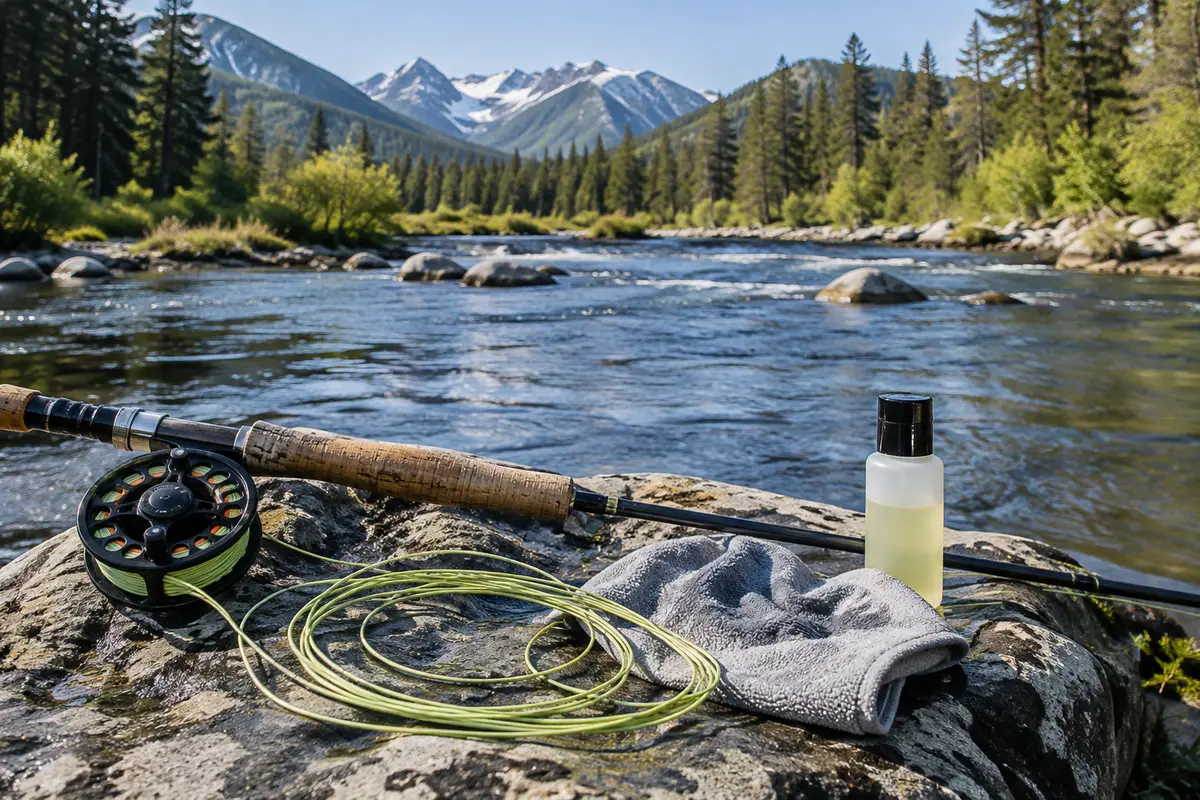
A fly line that feels tacky, gathers grit, or no longer slides cleanly through the guides may simply need attention. Knowing how to clean fly line starts with one rule: use the least aggressive method that gets the line clean. Most routine buildup can be lifted with fresh water, a soft cloth, and—if the manufacturer allows it—a small amount of mild soap. Abrasives, solvents, and improvised coatings can damage a line rather than restore it.
A clean line is easier to handle and less likely to carry abrasive dirt onto the rod, reel, or guides. Cleaning will not repair cracks, deep cuts, or a coating that is separating from its core, though. Treat maintenance as care, not a way to reverse wear.
What you need before cleaning
Gather a clean basin or bucket, lukewarm fresh water, two soft lint-free cloths, and a towel. A little mild dish soap is optional; check the line maker’s care guidance first, since formulations and coatings differ. Avoid hot water, household cleaners, alcohol, petroleum products, abrasive pads, and unknown line dressings.
Remove jewelry or anything that can snag the line. Work in a clear area where the line can be laid out without dragging across gravel, concrete, or sharp edges. If you clean it outdoors, keep the line away from sand and grit.
| Item or method | Use it? | Why |
|---|---|---|
| Fresh, lukewarm water | Yes | Rinses loose dirt without harsh treatment |
| Soft, clean cloth | Yes | Lifts grime with minimal friction |
| Mild soap | Maybe | Use sparingly only if the manufacturer permits it |
| Scouring pad or stiff brush | No | Can scratch or abrade the coating |
| Solvent, alcohol, or household cleaner | No | May react with or weaken line materials |
| Unverified dressing or lubricant | No | May leave residue or be incompatible |
How to clean fly line step by step
1. Check the line and its instructions
Before adding water or soap, identify the line if you can and look for the maker’s current care recommendations. A floating line, sinking line, and specialty line may use different constructions or finishes. When the instructions are unavailable, choose a plain-water wipe rather than experimenting with products.
Run the line slowly through your fingers and inspect it in good light. Note any rough spots, flattened areas, cracks, cuts, or exposed core. Do not pull hard on a damaged section. Cleaning cannot make a compromised line safe or dependable; follow the manufacturer’s guidance about retirement or replacement.
2. Remove the line from the reel carefully
Reel out the amount you want to clean onto a clean surface, keeping it loosely coiled and untangled. For routine care, there is usually no need to strip the entire line if only the frequently used section is dirty. If you clean the full length, keep track of the backing connection and avoid letting loops twist or run under one another.
Do not let the line lie on dusty ground. A tarp or clean towel provides a simple barrier. Keep the reel itself dry unless you are separately following its maintenance instructions.
3. Rinse away loose grit
Dampen a cloth with lukewarm fresh water and draw the line through it gently, a manageable length at a time. Alternatively, rinse the line with a gentle stream of fresh water while supporting it. The goal is to remove particles before wiping; rubbing grit into the coating can cause unnecessary abrasion.
If you see sand or sediment, rinse again rather than scrubbing. Avoid high-pressure water and avoid soaking the reel or any connection that you do not intend to wet.
4. Wipe with mild soap only if needed
If a water-only pass leaves a greasy film or persistent dirt, put a tiny amount of mild soap into a bowl of water, provided the manufacturer permits it. Wet a clean cloth in the solution and wring it out. Pinch the line lightly between the cloth and draw it through without squeezing hard. Work in short sections, refreshing the cloth when it becomes visibly dirty.
Do not pour soap directly onto the line, use concentrated cleaner, or leave the line sitting in soapy water. If the surface remains sticky after a gentle wash and thorough rinse, stop. Persistent tackiness may reflect coating wear or a product incompatibility, not dirt that needs stronger chemicals.
5. Rinse and dry completely
Use a second cloth dampened with clean water to remove any soap residue, or gently rinse the line. Then draw it through a dry, soft towel and let it air-dry in loose coils in a shaded, well-ventilated place. Keep it away from heaters, direct high heat, and sharp hooks or hardware.
Do not wind a wet line tightly onto the reel for long-term storage. Moisture trapped in a tight coil can encourage odor or transfer grime, and the line may not dry evenly. Once it is dry, inspect it again before winding it back on with even tension.
Should you use fly-line cleaner or conditioner?
Products sold for fly lines are not automatically suitable for every line. Some are intended to clean; others are designed to leave a treatment on the surface. Check the product label and the line manufacturer’s recommendations, and do not assume a treatment appropriate for one line type works on another. If compatibility is unclear, skip it.
A dressing is not a repair for cracks, a peeling coating, or a damaged welded loop. It also cannot reliably correct a line that has become permanently rough or swollen. If a line behaves differently after using a product, rinse it gently if the maker advises that approach and contact the manufacturer for guidance.
For more context on the kind of water and fish many fly anglers pursue, visit the freshwater trout and salmon fishing hub. If you fish other presentations too, our guides to summer trout fishing tips and comparing trout minnow lures offer related freshwater reading.
How often should you clean a fly line?
There is no universal schedule. Clean when the line feels gritty or sticky, visibly collects grime, or has been used in dirty water. A quick fresh-water wipe after a notably muddy or dusty outing may be more useful than cleaning on an arbitrary calendar. Frequent, forceful cleaning is not a goal; unnecessary friction and incompatible products can shorten service life.
Pay attention to where the line is handled and where it contacts the water. The section repeatedly stripped through the fingers can collect sunscreen, skin oils, and dust. The tip and running line may pick up sediment. Clean only as much as needed, then recheck the line during ordinary setup.
When cleaning is not enough
Look for repeated cracking, deep nicks, exposed core, a loose or separating coating, or a section that has become badly deformed. A line that sinks or floats differently than expected may also have a damaged coating, though line design and conditions matter. Do not try to patch a structural defect with tape, glue, heat, or an unapproved chemical.
If you are unsure whether a mark is cosmetic or structural, compare it with the manufacturer’s care and replacement guidance. A local fly shop may help identify a line type or describe common wear, but the final decision should prioritize safe, reliable use. Keep damaged line away from children and pets, and dispose of retired line responsibly rather than leaving it near waterways.
A quick post-trip care checklist
- Rinse off visible grit with fresh water before wiping.
- Use a soft cloth and the lightest pressure that works.
- Use soap or a line product only when its compatibility is clear.
- Rinse away residue and air-dry the line fully in loose coils.
- Inspect for cracks, cuts, exposed core, and coating separation.
- Store dry, away from heat, sunlight, sharp objects, and chemicals.
Gentle, occasional cleaning is usually the most dependable maintenance routine. When a line’s surface is damaged or its behavior remains abnormal after cleaning, stop treating it as a dirt problem and consult the maker’s guidance.
Frequently asked questions
Can I clean fly line with dish soap?
Only if the line manufacturer permits it. Use a very small amount diluted in water, wipe gently, and rinse thoroughly. If you cannot confirm compatibility, use fresh water and a soft cloth.
Can I use alcohol or a household cleaner on fly line?
Avoid alcohol, solvents, and general household cleaners. They may be incompatible with the line’s coating. Follow the line maker’s care instructions instead.
How do I know when a fly line should be replaced?
Cracks, deep cuts, exposed core, or coating separation are signs that cleaning will not solve the problem. Consult the manufacturer’s replacement guidance and do not rely on a structurally damaged section.
Should I clean a fly line after every trip?
Not necessarily. Clean it when it is dirty or gritty, especially after use in dusty or muddy conditions. A gentle wipe is preferable to frequent aggressive scrubbing.
Can conditioner fix a sticky fly line?
Not reliably. First remove surface dirt gently. Use a conditioner only if it is approved for your specific line; persistent stickiness may indicate coating wear or incompatibility, so ask the manufacturer.
Sources & further information
Consult these primary sources for current regulations, technical information and local guidance.