Catfish Rod and Reel Combos: How to Choose the Right Setup
The right catfish setup is a balanced system, not simply the heaviest rod on the rack. Learn how to match rod action, reel style, line, and fishing conditions before choosing a combo.
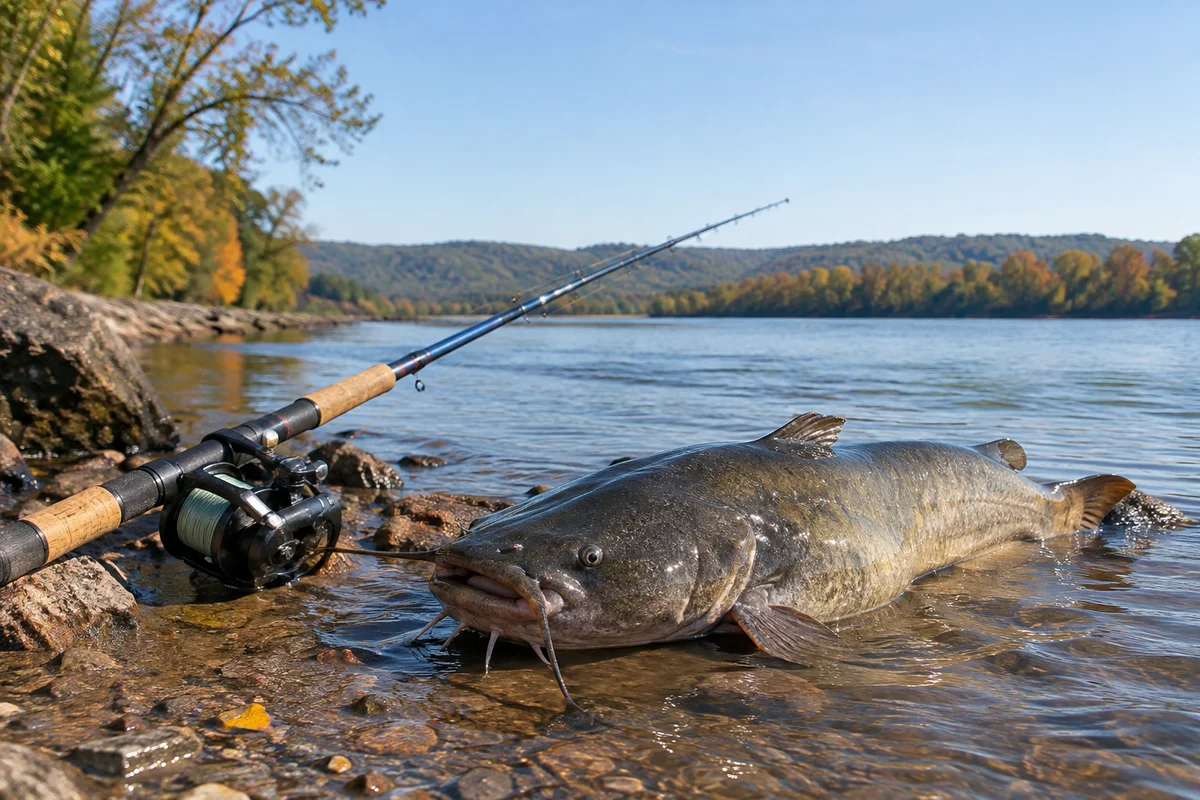
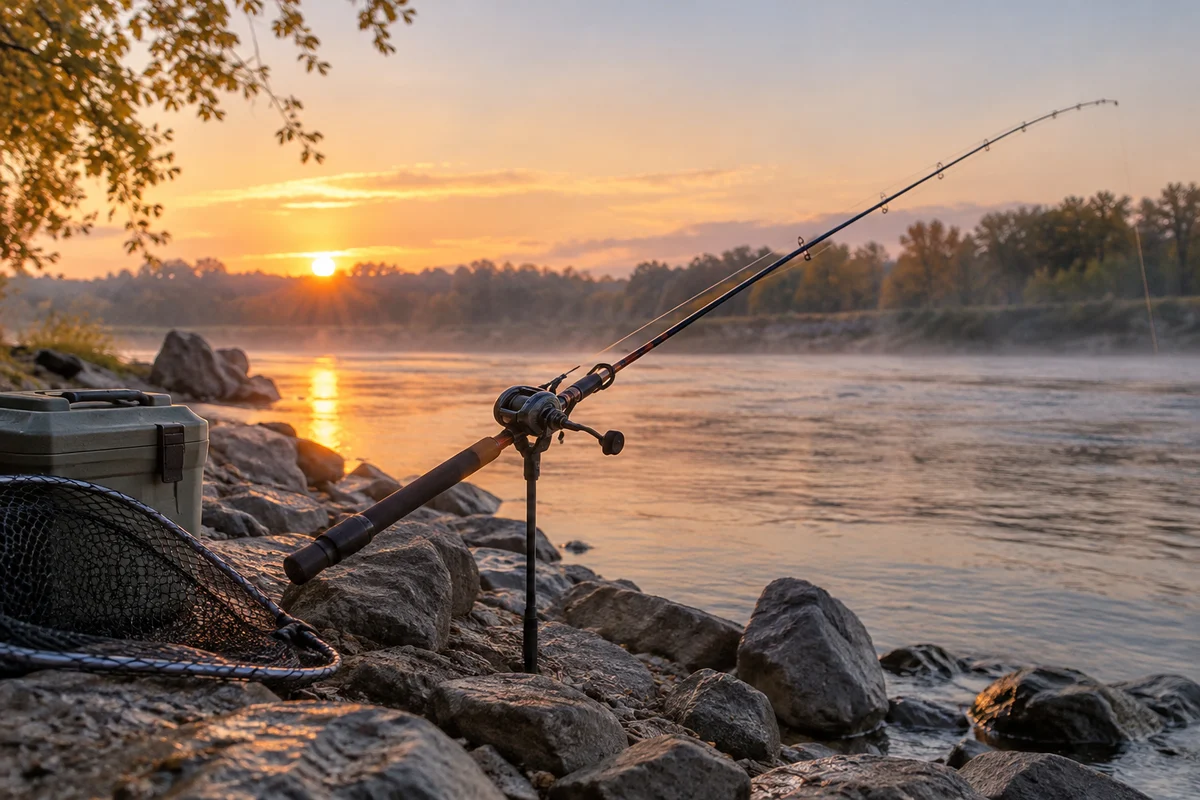
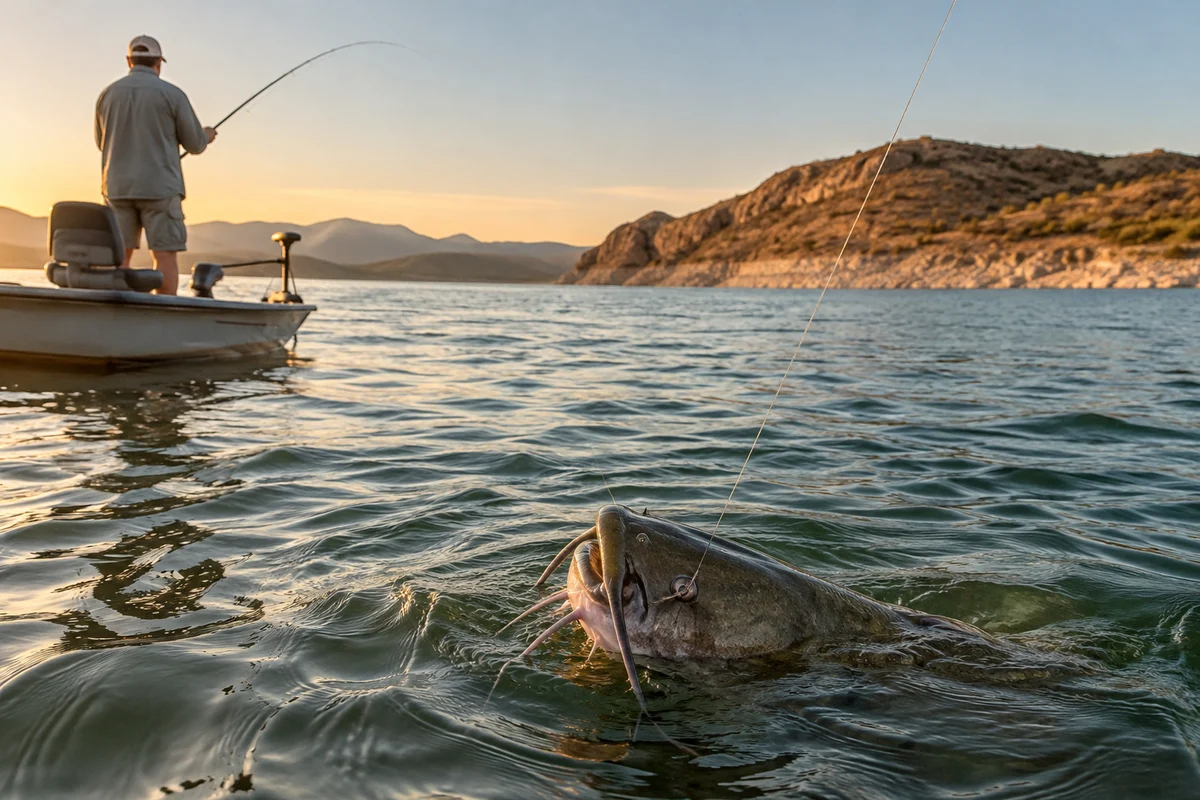
A useful catfish setup should cast the bait you use, hold enough line for the water you fish, and let you control a fish without making every bite feel like a tug-of-war. The best catfish rod and reel combos are therefore chosen by matching components to fishing conditions—not by buying the biggest outfit available. Bank anglers working current have different needs from boat anglers lowering bait beside a dock or drifting across a lake.
Start with the species and likely fish size, then consider casting distance, cover, current, and how often you will move. A medium-heavy outfit can be a practical general choice for many channel-catfish situations; larger fish, heavy sinkers, or strong current may call for more capacity and backbone. These are starting points, not universal specifications: tackle ratings vary by manufacturer, and local waters can demand different approaches.
What makes a catfish combo a good match?
A combo is a rod and reel sold or assembled together. Its value is convenience, but the pieces still need to work together. A rod should cast the weight of your complete rig—the sinker, bait, hook, and any other terminal tackle—within its labeled range. The reel should suit the rod, hold an appropriate amount of line, and operate smoothly under the loads you expect.
Check the rod’s printed line and lure ratings rather than relying only on labels such as “catfish” or “heavy.” The lure rating refers to the total casting weight, not just the sinker. If your rig is heavier than the rod’s rating, casting can be awkward and may damage equipment. If it is far lighter, the rod may not load well for a cast.
For a broader view of how terminal tackle fits together, see our guide to catfish rigs. Your rig, bait, and fishing position affect what a combo needs to do.
Choose a rod for your water and method
Rod length influences casting leverage and handling. A longer rod can help make longer bank casts and manage line over a shoreline edge, but it can be cumbersome in tight brush, a small boat, or a crowded pier. A shorter rod is easier to handle in confined spaces and can offer direct control when fishing close to a boat or structure.
Power describes how much force it takes to bend a rod; action describes where along the blank it bends. A moderate or moderate-fast action can help load the rod during a cast and keep tension steady. Faster actions bend more toward the tip and may feel more direct. Neither is automatically best for catfish: choose based on casting weight, hook and rig style, cover, and personal handling preference.
A sensible framework:
| Fishing situation | Rod considerations | Reel considerations |
|---|---|---|
| Small rivers or ponds, modest bait and sinkers | Moderate power; manageable length for the bank or boat | Spinning reel is straightforward; adequate line capacity matters more than a large frame |
| Open bank with longer casts | Longer rod if space allows; verify the full rig is within its rating | A reel that casts smoothly and holds enough line for the distance and conditions |
| Current, heavier sinkers, or substantial cover | More power and a rating that accommodates the complete rig | Strong, reliable drag and sufficient capacity for the line you plan to use |
| Fishing close to a boat, dock, or tight cover | Shorter rod may be easier to control | Pick a reel style you can handle confidently in close quarters |
Use the table as a comparison tool, not a substitute for the manufacturer’s rod and reel specifications. If you fish a mix of places, favor a balanced middle-ground setup rather than an extreme choice that is tiring or limited in other conditions.
Spinning or baitcasting reel?
Spinning reels are often the simpler starting point. They are generally easy to cast, work with a broad range of line types, and suit many bank and boat applications. A properly sized spinning reel with a dependable drag can handle ordinary catfish fishing; the largest reel on display is not necessarily an advantage.
Baitcasting reels can offer direct control and may suit anglers who regularly cast heavier rigs or fish around cover. They require practice to manage spool speed and avoid line overruns. If you are new to baitcasters, learn the reel on open ground with a practice weight before relying on it in a current or near obstacles.
For either style, try the reel in your hand if possible. The handle should turn smoothly, the drag should adjust predictably, and the reel should balance on the rod without making the outfit feel excessively tip-heavy. A comfortable combo is easier to fish carefully over a long session.
Match line, drag, and capacity
Line choice depends on fish size, snags, current, casting needs, and personal preference. Monofilament stretches and is widely used; braided line has less stretch and can provide high strength for its diameter, but it can be less forgiving and may behave differently on a reel. Neither material removes the need to set the drag correctly or inspect line for damage.
Use the reel’s line-capacity markings as a guide, and confirm that the capacity corresponds to the line diameter or type shown by the manufacturer. You need enough line for the distance you fish and the possibility of a fish taking line, but filling a spool with a heavier line than the reel is designed for can reduce capacity and affect casting. Replace line that is abraded, kinked, or weakened; pay special attention after fishing around rocks, timber, or other rough cover.
The drag should release line under sustained pressure rather than lock completely. Set it before fishing and check it periodically. A drag that is too tight can stress line, hooks, knots, or tackle; one that is too loose can make it difficult to control a fish. Rod, reel, line, knots, and hook all share the load, so avoid treating any single component as indestructible.
A quick buying and setup checklist
Before choosing among catfish rod and reel combos, work through these questions:
- Where will I fish most? Note the current, depth, cover, casting distance, and whether you will fish from shore or a boat.
- What does my complete rig weigh? Add the bait and terminal tackle to the sinker, then compare the total with the rod’s rating.
- What line will I use? Check the reel’s stated capacity for a comparable line and choose a strength suitable for the conditions.
- Can I handle it comfortably? Balance, grip, reel operation, and transport matter, especially during long sessions.
- Can I maintain it? Look for accessible care instructions and a reel that can be cleaned and serviced according to its manufacturer’s guidance.
Avoid selecting tackle solely by a “maximum” claim or a species label. Those labels are not standardized across every maker, and a heavy outfit can be tiring, difficult to cast, and poorly matched to lighter rigs. Conversely, undersized equipment can make it harder to manage current, cover, or a larger fish responsibly.
Use the combo as part of a complete plan
A rod and reel do not determine where catfish feed or what bait will work. Location, season, water conditions, and presentation matter. If you are still deciding what to put on the hook, our overview of catfish bait covers choices and the importance of matching bait to the situation.
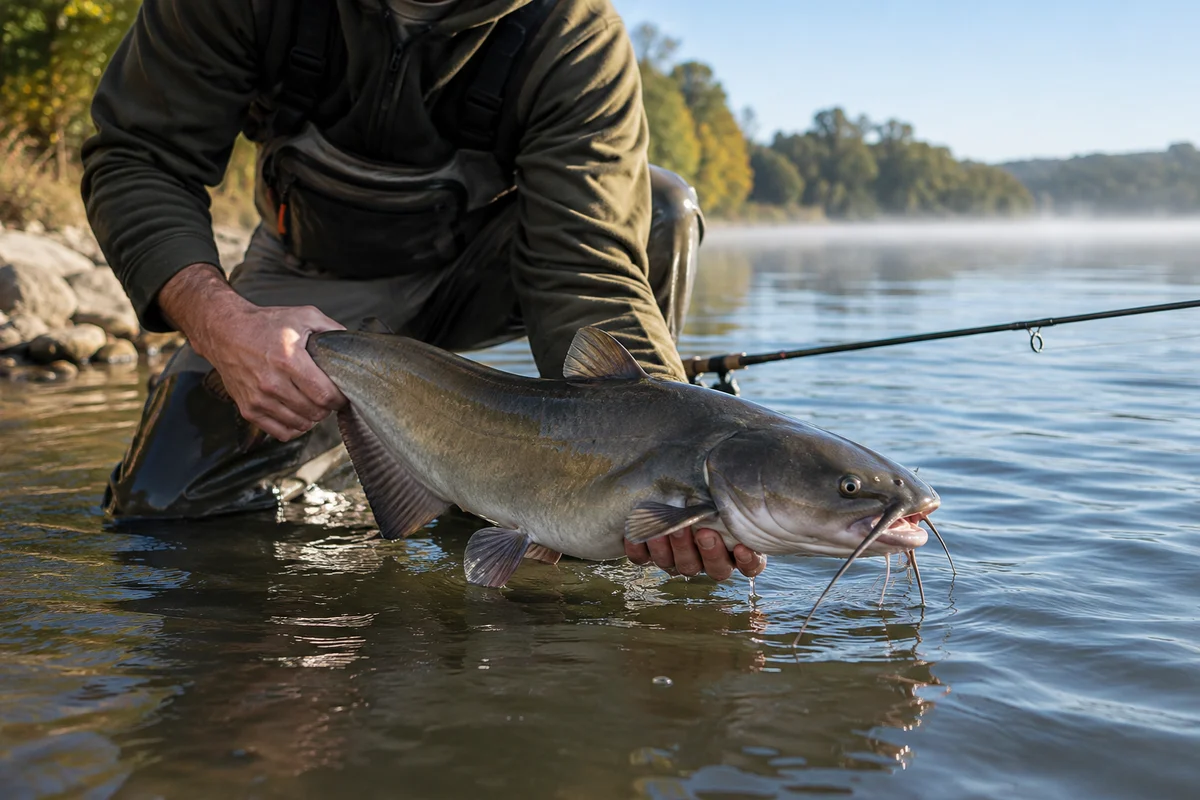
Plan for the fish after the bite, too. Keep pliers and a landing method suitable for your setting close at hand, handle fish with care, and know the local rules for seasons, limits, and permitted tackle. Our guide to catch and release catfish discusses careful handling and returning fish in good condition.
Inspect knots, guides, reel operation, and line before each outing. Rinse and dry equipment as directed by its maker, particularly after use in muddy or mineral-rich water. Store rods where they will not be stepped on or bent sharply, and avoid leaving a reel under tension for long periods. Follow the manufacturer’s care guidance because construction and materials differ.
The practical choice
For many anglers, the best starting combo is the one whose rod rating fits the rigs they actually cast, whose reel holds the line they intend to use, and whose weight and controls feel comfortable. Move toward more capacity and power only when current, distance, cover, or the fish you expect calls for it. Compare the printed specifications, test the balance if you can, and leave room for local conditions and your own experience to guide the final choice.
For more, explore our catfish fishing guides.
Frequently asked questions
What rod power is good for a general catfish combo?
Medium-heavy can be a useful starting point for many common situations, but choose based on your rig weight, current, cover, and the rod’s printed ratings.
Is a spinning reel or baitcaster better for catfish?
Both can work. Spinning reels are often simpler for beginners, while baitcasters offer direct control but take practice to cast smoothly.
How do I match sinker weight to a catfish rod?
Count the full casting rig, including bait and terminal tackle, and keep its total weight within the rod’s labeled lure or casting-weight range.
How much line capacity should a catfish reel have?
Choose capacity for the line type and diameter you plan to use, plus the distance and conditions you fish. Check the reel maker’s capacity markings.
Sources & further information
Consult these primary sources for current regulations, technical information and local guidance.