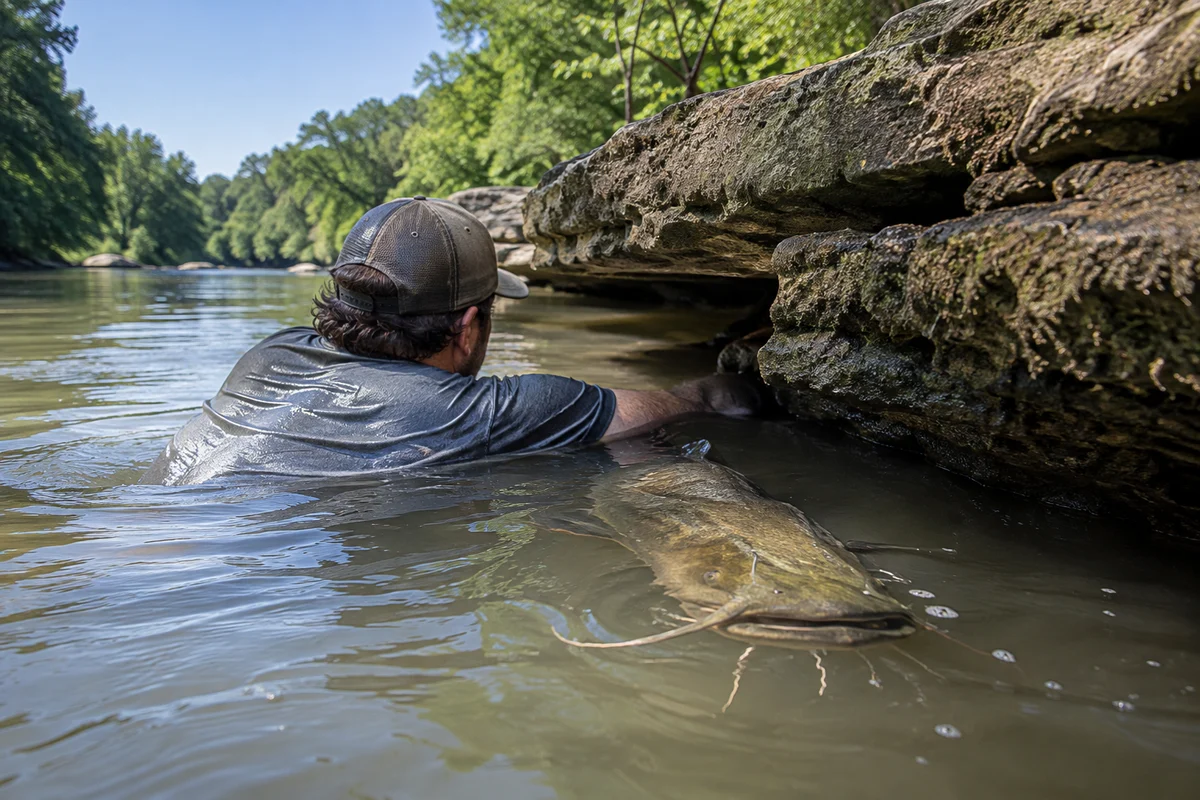
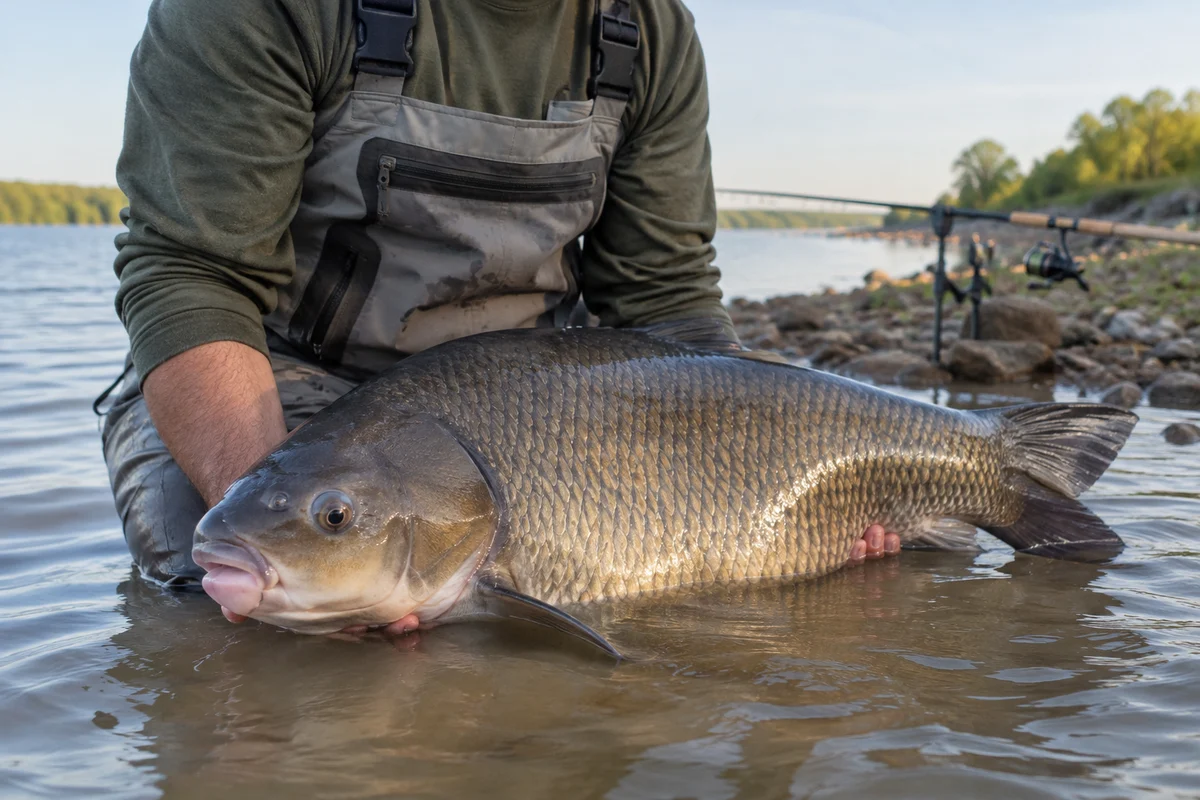
Best Catfish Rigs Video: Three Setups, Clearly Explained
Searching for the best catfish rigs video? This practical guide breaks down three common presentations, explains when each fits, and offers a safe, legal checklist for rigging and fishing.
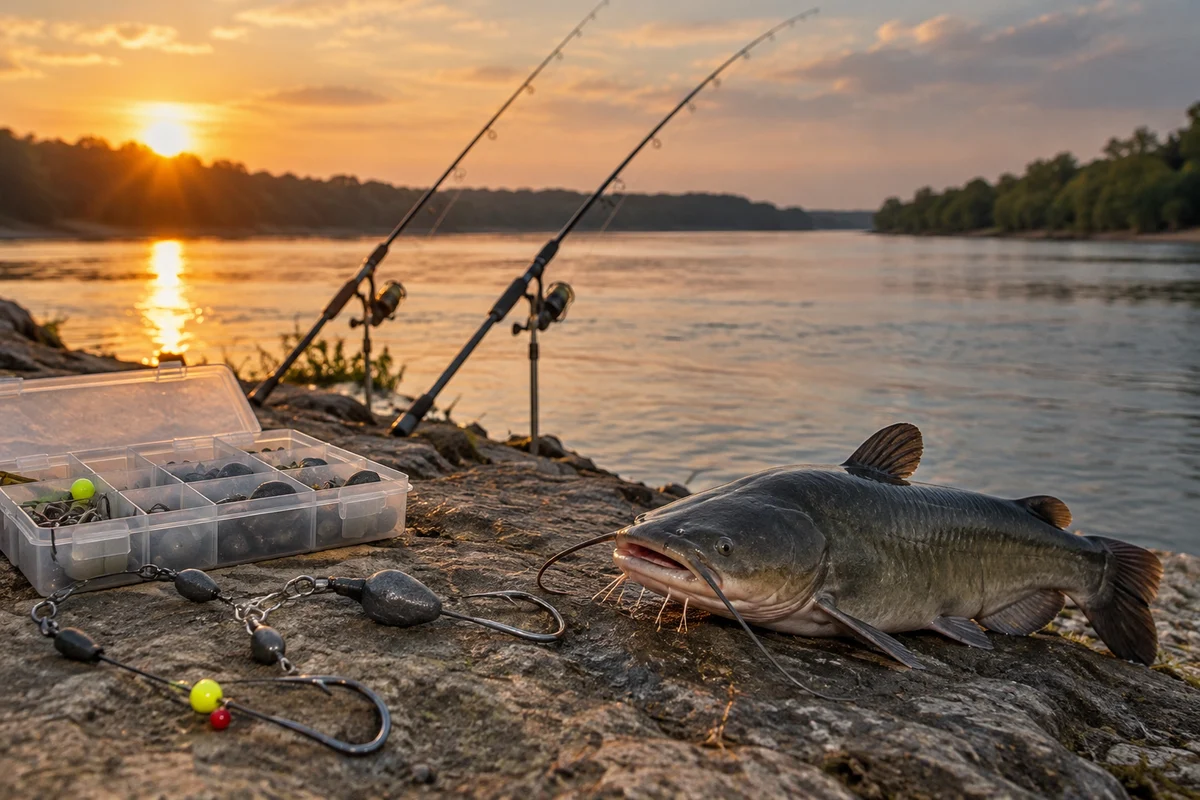
If you searched for the best catfish rigs video, you probably want to see how the pieces fit together—not sit through a long list of gear. A useful demonstration should show the hook, sinker, swivel, leader, and bait in close-up, then explain how current, bottom conditions, and the way you’re fishing affect the choice. The three rigs here cover common situations: a sliding sinker setup, a fixed-sinker setup, and a float-assisted presentation. None is universally best; use the one that suits the water and the fishery rules.
Before you fish, check local regulations for seasons, hook limits, permitted bait, and any restrictions on unattended lines or tackle. The catfish fishing hub is a useful starting point for related freshwater topics. This guide focuses on general rig selection and careful handling, not a promise of catches.
What should a good catfish rigging video show?
Look for a clear view of every connection and an explanation of why the rig is being used. The presenter should distinguish the main line from the leader, show how the sinker can move or is held in place, and describe where the hook sits relative to the bait. A video that only shows a finished rig may leave out the most useful details: whether it tangles, how it behaves on bottom, and what to adjust in current or around snags.
A screen demonstration also cannot tell you how heavy a sinker your particular water requires or whether a knot is sound. Use video to understand the arrangement, then choose tackle appropriate to your line, rod, conditions, and local rules. Inspect knots and line before casting; replace damaged or frayed sections rather than assuming a familiar rig will compensate for them.
Three common catfish rigs at a glance
| Rig | Basic arrangement | Useful when | Main trade-off |
|---|---|---|---|
| Sliding sinker | Sinker moves on the main line above a swivel; leader and hook attach below | You want the line to move through the sinker with less direct resistance | Can collect debris or tangle; moving parts need checking |
| Fixed-sinker | Sinker is secured at or near the end of the main line, with hook arrangement above it | You need the bait held in a defined area in current | More direct resistance and greater chance of snagging on rough bottom |
| Float-assisted | Float supports or lifts bait above bottom, with weight adjusted to hold position | Bottom is soft, weedy, or snag-prone, or bait should sit at a chosen height | Wind and current can move it; placement is less precise without monitoring |
These are broad rig families, not one exact knot diagram. Components and legal configurations differ by location. Keep the rig simple enough to inspect, and follow manufacturer instructions for terminal tackle.
How does a sliding-sinker catfish rig work?
A sliding-sinker rig is a practical first choice when you want bait near the bottom and prefer the fish to move some line before feeling a fixed weight. The main line passes through a sinker or a suitable line-through component; a bead can protect the knot, and a swivel connects the main line to a leader. The hook goes on the leader, with bait secured so the point and gap remain appropriately exposed for the bait and hook design.
The sliding element should move freely, but not so loosely that the rig becomes prone to tangles. A bead is optional and should not be treated as a substitute for a properly tied connection. Select a sinker that holds the bait where you intend to fish without using more weight than conditions require. In a snaggy area, consider whether the sinker arrangement can be retrieved safely; don’t cast blindly into submerged obstacles.
This setup is often associated with still or moderately moving water, but conditions matter more than labels. If the bait is rolling away, adjust the weight or location. If debris repeatedly fouls the line, change the presentation or move to cleaner bottom.
When is a fixed-sinker rig a better fit?
A fixed-sinker arrangement can keep bait more firmly in a chosen lane when current would otherwise carry it off. The sinker is held in position on the line or at the terminal end, while the hook is attached above or alongside it according to the particular design. Several variations exist, so a video should show the exact configuration rather than calling every stationary-weight setup the same rig.
The advantage is control: you can place bait and keep it from drifting as freely. The cost is that the fish may feel resistance sooner, and the weight can wedge in rocks, wood, or other cover. Use it where the bottom and current make sense for that arrangement, keep casts measured, and avoid placing tackle where retrieval could damage habitat or leave lost line behind.
If you’re fishing around a dam, channel, or other managed water, check local access and safety advisories before choosing a bank position. Current can change quickly, and a rig that holds in one location may not hold elsewhere. Never wade into unsafe flow to recover tackle.
What does a float add to a catfish rig?
A float-assisted rig lifts bait above the bottom or helps you keep it at a chosen depth. It can be useful over soft silt, vegetation, or scattered snags where bait sitting directly on the bottom would be obscured. Depending on the design, the float may be fixed at a set depth or allowed to slide; weight balances the float and helps the bait remain in position.
The presentation needs observation. Wind, waves, and current can drag a float, while too much weight can pull it under. Adjust the depth and weight in small, deliberate steps and watch how the float behaves before leaving the setup unattended. A float does not make snaggy water risk-free, and local rules may limit the number or type of lines you can use.
Choose bait that remains secure through casting and the conditions you face. Avoid assuming a particular bait is legal or effective everywhere. Regulations and species preferences vary, and bait rules may protect local fisheries from disease or invasive species.
How do you choose among the three?
Use this field decision framework rather than copying a setup without considering the water:
- Start with the bottom. On relatively clean bottom, a sliding sinker is a straightforward baseline. Where bait needs to be held in current, consider a fixed-sinker arrangement. Over soft or weedy bottom, a float may keep bait visible and clear.
- Account for current and wind. Use only enough weight to maintain the intended position. If the rig keeps moving, reassess location and presentation before simply adding more weight.
- Think about snags. A fixed weight can hang up; a float can drift into cover. Fish a manageable area and avoid casting into structure you cannot safely retrieve from.
- Match components. Line, leader, knots, hook, and sinker should be appropriate for one another and for the local rules. Check for abrasion after contact with rocks or debris.
- Observe and adapt. If the bait is fouled, displaced, or difficult to detect, change depth, location, or rig style. A rig is a starting point, not a guarantee.
For responsible handling, learn the basics of catch and release catfish before fishing. If you are comparing equipment for a particular approach, the Denali Bottom Feeder casting rod overview is a related topic; choose a rod based on its published specifications and your own tackle, not its name alone.
A quick rigging and fishing checklist
Before casting, confirm that the line has no obvious nicks, knots are seated, and the hook is secure. Make sure the sinker and float are appropriate for the conditions and allowed by local regulations. Keep spare line and discarded tackle contained; never leave cut line on shore. Place rods where they will not create a hazard for other anglers, boaters, or wildlife, and remain attentive to changing weather and water levels.
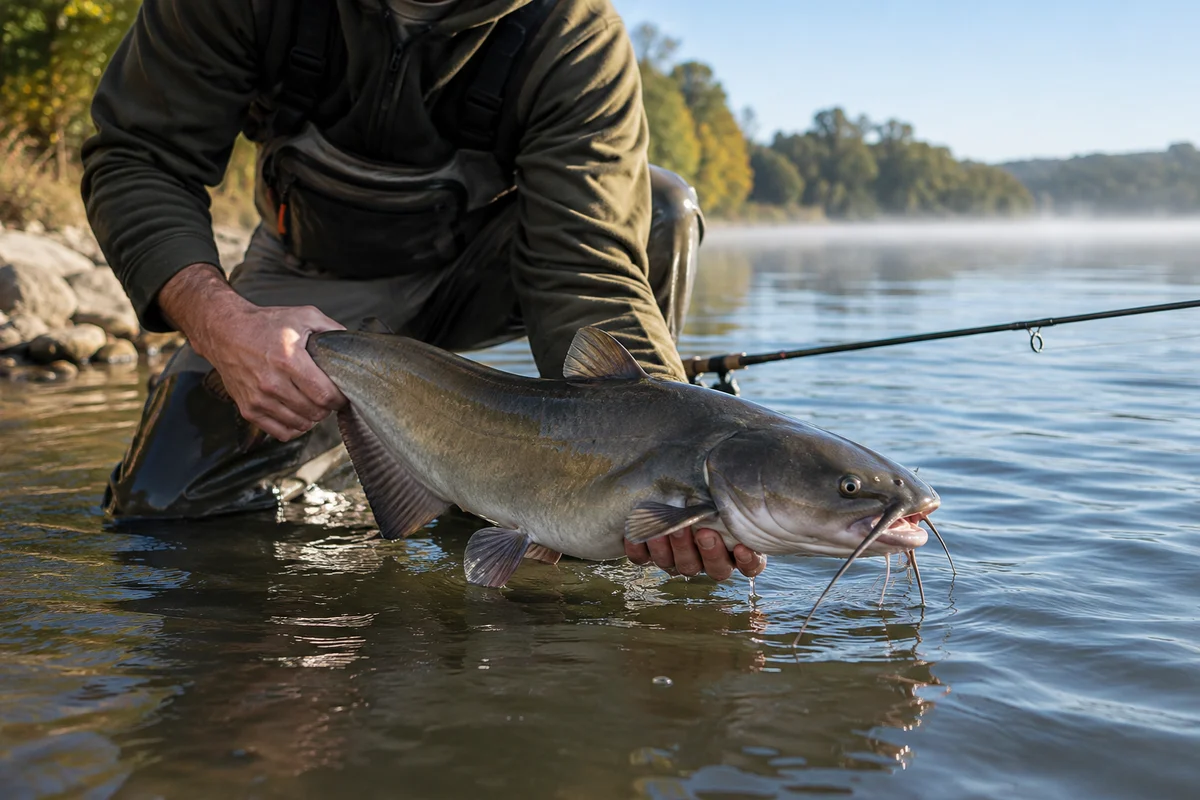
When handling a catfish, avoid grabbing near the mouth without knowing the species and its fin structure. Use wet hands or an appropriate landing aid, keep the fish supported, minimize time out of water, and release it gently if it is not being retained. Follow local guidance on retention and disposal of bait. The National Oceanic and Atmospheric Administration and state fish and wildlife agencies provide broader stewardship and regulation information; specific freshwater rules are generally set by the state or other local authority.
The best catfish rigs video is ultimately the one that teaches you to read a setup and adapt it, rather than insisting one arrangement works everywhere. Start with one simple rig, observe how it behaves in your water, and make changes based on current, bottom, snags, and regulations. Keep the presentation easy to inspect and retrieve, and treat safe handling and clean fishing practices as part of the rig itself.
Frequently asked questions
Which catfish rig is easiest for a beginner?
A simple sliding-sinker rig is a common starting point because its parts are easy to identify. Learn the connections, use tackle suited to your conditions, and confirm local rules before fishing.
Should the sinker slide freely on a catfish rig?
In a sliding-sinker design, it should move as intended without binding. The exact arrangement varies; follow the rig’s design and check that the line and connections are not damaged or tangled.
Can a float rig catch catfish?
A float can present bait above bottom or help hold it at a chosen depth. It is most useful when conditions suit that presentation, but wind, current, vegetation, and local rules affect whether it is practical.
Sources & further information
Consult these primary sources for current regulations, technical information and local guidance.