Arkansas Alligator Hunting: Rules, Permits, and Preparation
Arkansas alligator hunting is a permit-based opportunity governed by seasonal rules, designated areas, and harvest requirements. This guide explains what to verify before applying and how to prepare safely without assuming regulations remain unchanged.
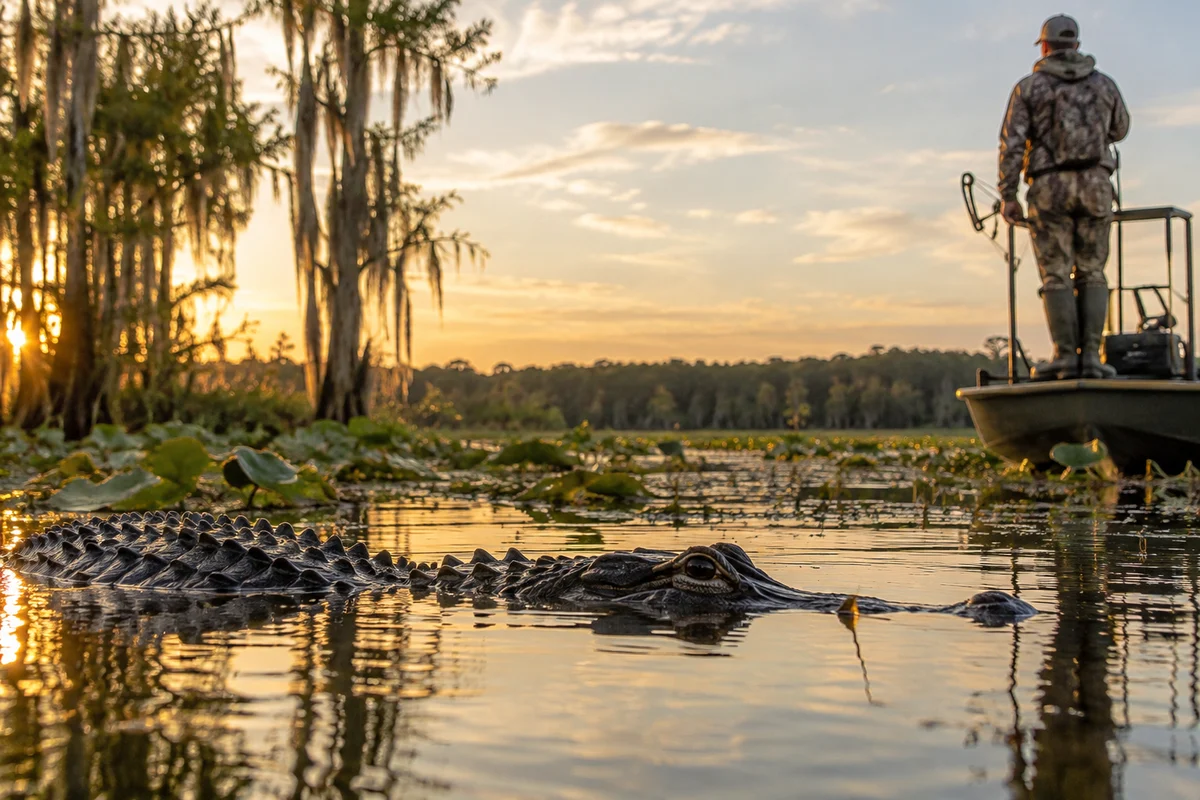
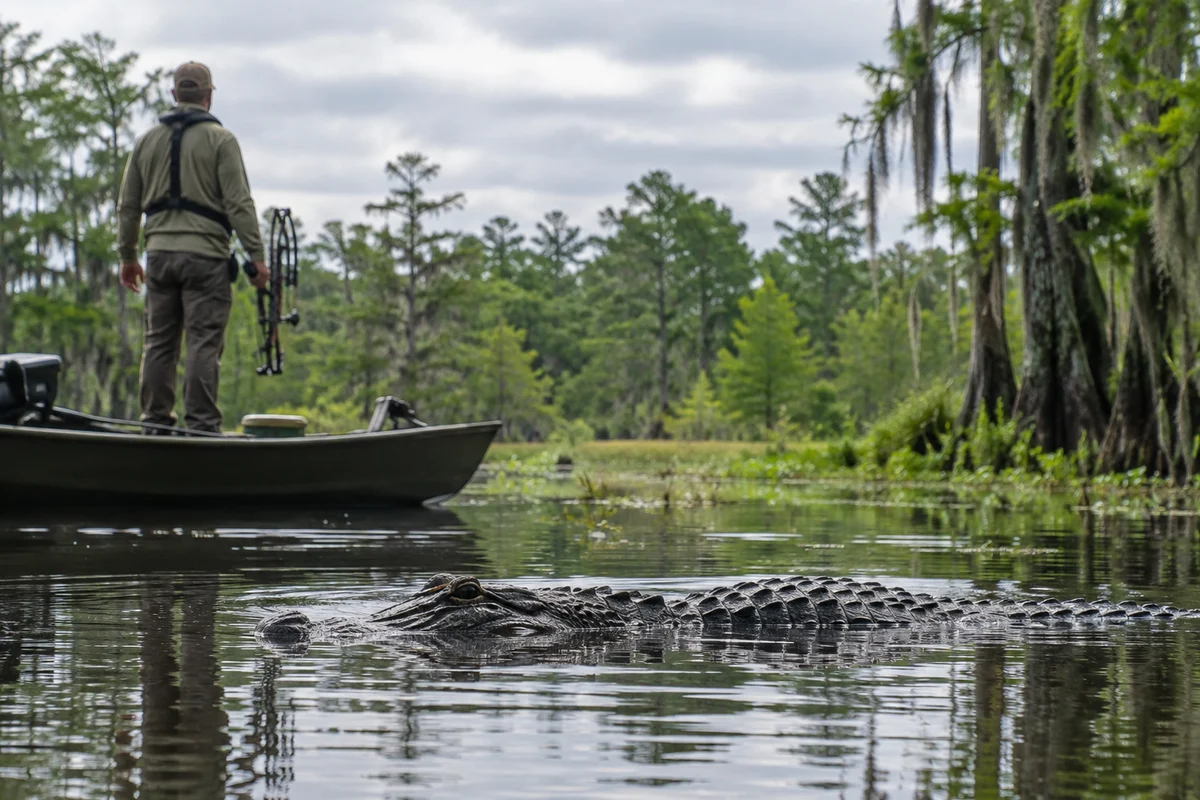
Arkansas alligator hunting is not an open-season pursuit: participation depends on the state’s current permit process, season dates, designated areas, and harvest rules. Because those details can change from year to year, the first step is not choosing equipment or a location—it is confirming the latest requirements directly with the Arkansas Game and Fish Commission (AGFC). A careful plan also accounts for land access, weather, safe handling, and required reporting.
How Arkansas alligator hunting is regulated
Arkansas manages alligator hunting as a limited, regulated harvest rather than a general license privilege. The agency sets the season framework and determines how permits are issued, where permit holders may hunt, what methods are allowed, and how harvested alligators must be checked or reported. A permit in one year does not guarantee eligibility or identical conditions in another.
Before applying, read the current AGFC alligator-hunting page and the applicable regulations together. Confirm the application dates, eligibility requirements, permit limits, license requirements, designated zones or properties, and any special conditions attached to the permit. Do not rely on an old article, social post, or a prior season’s map as proof that a rule is still in effect.
The state’s broader big-game hunting hub offers context on planning for regulated hunts. For any species, the core habit is the same: identify the controlling regulation, verify it close to the season, and keep a copy accessible in the field.
A practical pre-hunt verification checklist
Use this checklist before making travel or equipment plans. If any item is unclear, ask AGFC for clarification rather than inferring an answer.
| What to verify | Why it matters | Where to confirm |
|---|---|---|
| Current season dates and legal hours | Dates and time restrictions are season-specific | Current AGFC alligator regulations |
| Permit status and conditions | A permit may identify boundaries or other restrictions | Permit documentation and AGFC guidance |
| Legal hunting area and access | Public access and private permission are not interchangeable | Official maps, land manager, or written landowner permission |
| Approved methods and equipment | Permitted methods can be narrowly defined | Current regulations; do not assume customary methods are legal |
| Tagging, check-in, and reporting | Deadlines and procedures may apply after harvest | Permit instructions and agency reporting system |
| Emergency and communications plan | Remote wetland travel can complicate help and navigation | Your party’s written plan and local conditions |
Save official documents offline in case cell service is unreliable. Make sure every member of the party understands the permit’s limits; a permit holder’s authorization does not automatically authorize everyone else to participate in regulated activities.
Choosing access and planning the route
Wetlands, river margins, and other suitable habitats can be difficult to navigate, and a legal hunting location is not necessarily a safe or accessible one. Check property boundaries, boat access, launch rules, closures, and any restrictions imposed by a land manager. On private land, obtain permission directly from the owner and confirm the specific area and dates covered. Never assume permission transfers with a lease, parking arrangement, or verbal account from someone else.
Plan the route in daylight where possible. Share the destination, expected return time, and a check-in plan with someone who is not on the trip. Identify a reliable way to call for help, account for changing water levels and weather, and avoid entering unfamiliar water or terrain beyond the group’s abilities. A conservative decision to postpone is part of sound hunting judgment.
Preparation for other challenging hunts offers useful parallels, though species and legal rules differ. For example, the general planning considerations in hog hunting tips do not replace alligator-specific regulations, but they reinforce the importance of scouting, access, and a realistic safety plan.
Safety, handling, and the role of a trained team
Alligators are powerful wild animals, and a harvest or attempted harvest can create serious hazards for hunters and bystanders. Follow only the methods explicitly authorized by current Arkansas regulations, and do not improvise a technique based on a video or another state’s rules. Use the required equipment as directed by its manufacturer and by official guidance; if your group lacks the training or ability to carry out a lawful, controlled hunt, do not proceed.
Agree in advance who is responsible for navigation, communications, and coordination. Keep uninvolved people well away from the activity, maintain clear communication, and stop if visibility, footing, boat control, or other conditions become unsafe. Do not approach, handle, transport, or attempt to dispatch an animal in a way that conflicts with regulations or exceeds your training. If an animal is injured or cannot be recovered safely, follow the agency’s instructions and contact the appropriate authorities.
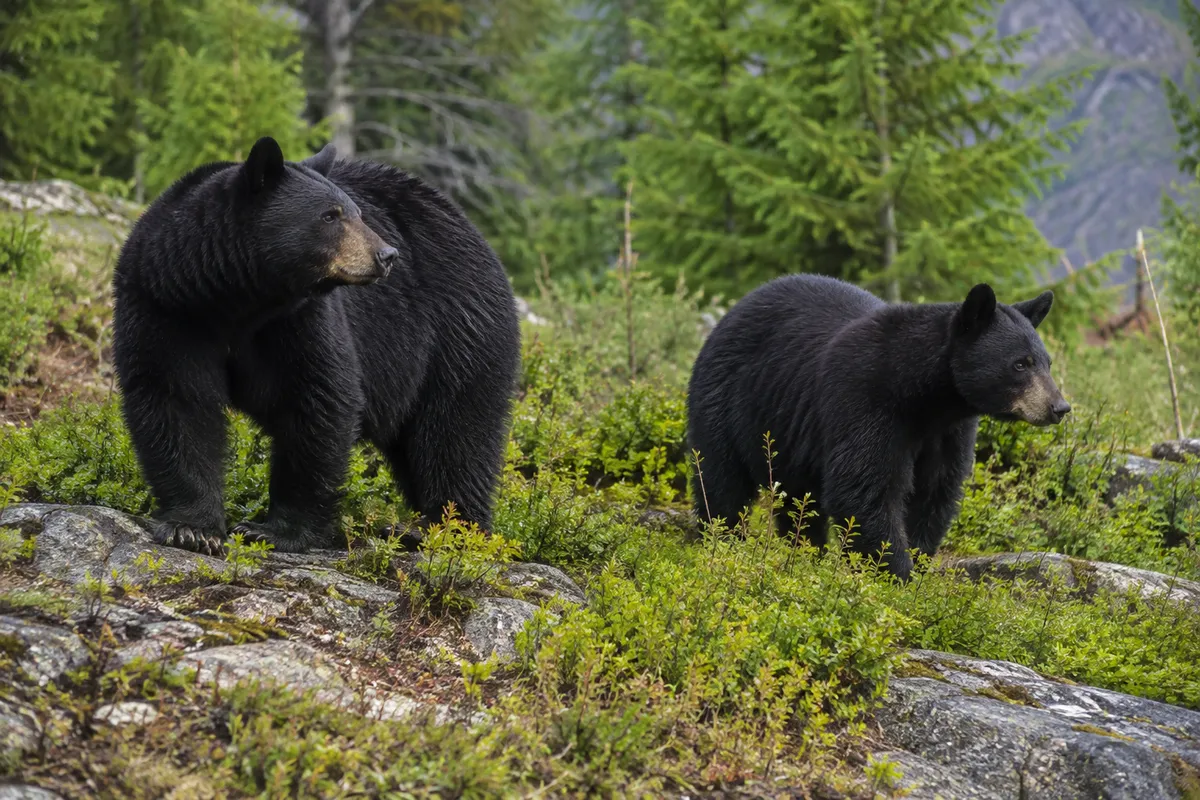
Safe conduct continues after the hunt. Handle harvested wildlife in accordance with state requirements and sound food-safety practices, and keep people and pets away from carcasses and equipment until the area is secure. For broader perspective on how hunter choices affect wildlife and public safety, see this discussion of bear encounters and spray use; it is not an alligator-handling guide, but it underscores that preparation and distance matter in wildlife settings.
Harvest reporting and responsible follow-through
Treat reporting and tagging as part of the hunt, not paperwork to sort out later. Read the current instructions before the season, note any deadline, and confirm whether reporting is online, by phone, or through another approved process. Keep the permit and required identification available, and make sure the person responsible for reporting knows the exact procedure.
Do not assume a successful harvest is complete until all applicable tagging, check-in, and reporting obligations have been met. If a tag is damaged, a system is unavailable, or a rule is ambiguous, document the issue and contact AGFC promptly for direction. Maintain any records the agency requires, and follow state guidance on lawful transport and possession.
How to make a sound go-or-no-go decision
A useful decision framework is simple: proceed only when legality, access, conditions, and capability all align. If one element fails, pause and resolve it before hunting.
- Legal: You hold the required authorization, understand its conditions, and have verified current rules.
- Access: You can lawfully reach and use the location, with boundaries and permissions clear.
- Conditions: Weather, water, visibility, and communications are within the group’s comfort and capability.
- Capability: The party has the training, equipment, and coordination required by the rules and the situation.
- Follow-through: You can meet tagging, reporting, transport, and other post-harvest requirements.
Arkansas alligator hunting rewards careful preparation more than assumptions. Regulations are the final authority, and conditions in the field can change quickly. Check official information before applying and again before departure, keep the hunt within the permit’s boundaries, and be ready to call it off when safety or compliance is uncertain.
Sources and official verification
Consult the Arkansas Game and Fish Commission for current alligator season information, permits, regulations, and harvest procedures. The agency’s main website is the authoritative starting point; use its current regulations and species-specific guidance rather than relying on archived material.
Frequently asked questions
Is Arkansas alligator hunting open to anyone with a hunting license?
No. It is a regulated, permit-based opportunity. Confirm current eligibility, permit procedures, and conditions with the Arkansas Game and Fish Commission.
Where can I find current Arkansas alligator season dates and rules?
Start with the Arkansas Game and Fish Commission’s official website and consult the current season regulations and permit instructions.
Can I use last year’s Arkansas alligator regulations to plan this season?
No. Season dates, permit conditions, areas, and procedures may change. Verify the rules for the specific season you intend to hunt.
What should I verify before traveling for an Arkansas alligator hunt?
Confirm authorization and permit conditions, season dates, legal area and access, approved methods, reporting steps, and a practical emergency and communications plan.
Sources & further information
Consult these primary sources for current regulations, technical information and local guidance.