45-70 Government Ammo: A Field Guide to Choosing a Load
A practical, safety-first guide to understanding .45-70 Government ammunition, matching it to a specific rifle, and weighing its trade-offs for hunting and range use. Always follow the firearm and ammunition manufacturers’ instructions and local regulations.
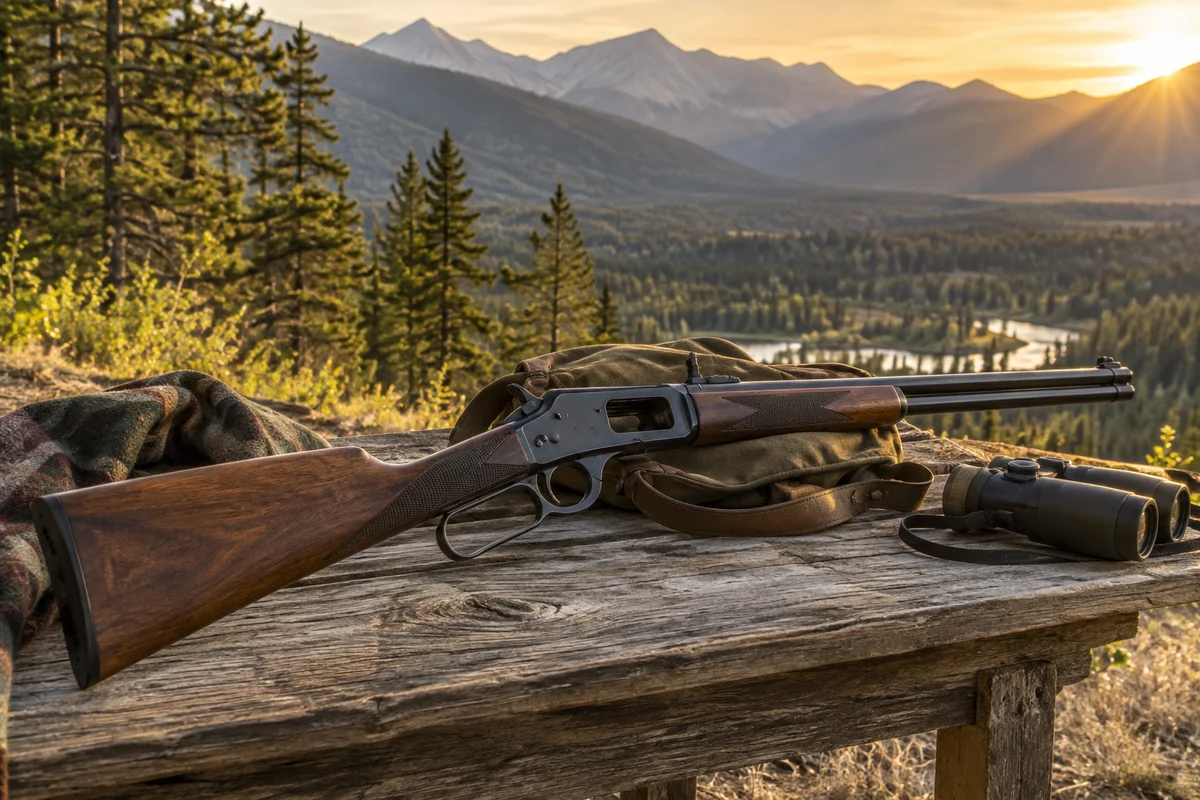
The phrase 45 70 government ammo covers cartridges that share a name and dimensions but may be intended for very different rifles and pressure limits. That distinction matters more than a box’s marketing language: a load suitable for one modern firearm is not automatically appropriate for an older design. Before comparing bullet weights or thinking about a hunt, identify the exact rifle and use only ammunition its manufacturer says is compatible.
The .45-70 Government has a long history in American rifle use, and it remains relevant to some hunters because it can deliver a large-diameter bullet at relatively modest velocity. But the cartridge’s reputation can obscure the central practical question: what does the manual for your particular rifle permit? This guide explains the terminology, helps organize a safe comparison, and outlines what to consider in the field without offering loading recipes or substituting for manufacturer guidance.
What does “45-70 Government” mean?
The designation comes from the cartridge’s nineteenth-century naming convention: .45 refers to the nominal bullet diameter, while 70 refers to the original black-powder charge measured in grains. It is a historical name, not a recommendation to use that quantity of any powder today. Modern factory ammunition is made to current standards and must be used according to its label and the firearm maker’s instructions.
The cartridge has appeared in many firearm designs over a long period. Their construction, condition, and intended pressure limits vary. Consequently, a cartridge name alone does not establish that a particular load is safe in a particular rifle. Even a firearm that accepts the cartridge may have restrictions based on its model, age, or condition.
For background on firearm safety and lawful use, start with the guns topic hub. For broader context on how commercial cartridges are produced, see this overview of how ammunition is made.
How should you choose 45-70 Government ammo?
Use a fixed sequence rather than beginning with the bullet’s advertised performance. First identify the rifle by maker, model, and any relevant generation or variant. Read its owner’s manual or contact the manufacturer if the correct ammunition category is unclear. Then compare only factory loads that the rifle maker approves, checking the package and manufacturer’s current product information for the intended firearm class and use.
A practical decision framework:
| Question | What to verify | Why it matters |
|---|---|---|
| What rifle is it? | Exact make, model, variant, and manual | Similar-looking rifles may have different limits |
| Which ammunition is approved? | The manual and ammunition maker’s labeling | Cartridge name alone does not establish compatibility |
| What is the intended use? | Range practice, hunting, or another lawful purpose | Bullet construction and performance priorities differ |
| What are the field conditions? | Range, expected distance, local rules, and backstop | Helps assess suitability without assuming every load fits every situation |
| Is the source dependable? | Factory packaging, clear identification, and sound condition | Avoids uncertainty from loose or unidentified cartridges |
If a label uses terms such as “modern rifle” or describes a specific firearm category, do not infer that your rifle belongs in that category. Confirm it using the firearm maker’s documentation. If the manual is unavailable or the firearm’s identity or condition is uncertain, pause and ask the manufacturer or a qualified gunsmith. Do not test an uncertain combination by firing it.
What differences between factory loads matter?
For a lawful hunting application, bullet construction and intended use are useful starting points. Manufacturers may describe bullets as designed for expansion, controlled deformation, or penetration, but those descriptions are not a guarantee of performance in every animal or impact condition. Compare the actual product documentation, and do not assume two cartridges with similar weights behave alike.
Bullet weight is only one part of the picture. Published velocity and energy figures are measured under specified conditions, which may not match a hunter’s rifle. Barrel length, test setup, and other variables affect how figures should be interpreted. Treat them as manufacturer data, not a promise about results in the field. If the maker does not state compatibility with your firearm or intended use, seek clarification instead of filling the gap with assumptions.
For range use, consistency, availability, and the rifle’s approved ammunition category may be more important than choosing the most powerful-sounding load. Recoil can be substantial, and individual tolerance varies. Follow the rifle maker’s safe-use guidance, use suitable hearing and eye protection, and seek qualified instruction if you are unfamiliar with the firearm. Never use ammunition that is corroded, damaged, improperly stored, or not positively identified.
Is the .45-70 suitable for deer hunting?
The .45-70 can be used for deer where lawful and where the specific rifle, ammunition, and shooter are suited to the circumstances. Its large bullet and traditional role do not erase the need to identify an appropriate load or make a careful shot. Check current state wildlife regulations for cartridge restrictions, season rules, and any requirements that apply to the hunting area.
Think about realistic field distance rather than relying on a cartridge’s reputation. A hunter should know the rifle’s zero and understand how the selected factory load behaves at the distances they expect to encounter. That familiarity should come from lawful, supervised range practice and reliable manufacturer information. If you cannot make a safe, well-placed shot under the conditions at hand, do not take it.
A hunting plan also includes what happens beyond the target. Choose a safe direction and a suitable backstop, identify the target and what lies behind it, and follow all firearm-handling rules. Carry the rifle in the manner required by local law and the firearm maker. Store ammunition and firearms securely, particularly where children or other unauthorized people may be present.
How does rifle compatibility affect safety?
Compatibility is not a matter of matching a cartridge to a chamber and stopping there. The firearm’s design, condition, and maker’s instructions determine which factory ammunition is acceptable. Older rifles deserve particular care: wear, repairs, altered parts, or uncertain history can affect safe use. A visual inspection by an unqualified owner cannot establish a pressure rating or confirm a firearm’s condition.
If you are comparing different rifle platforms, keep model-specific limits in view. A review or overview of a different design, such as this guide to the Bergara chassis rifle, is not a substitute for documentation for your own firearm. Likewise, information about a stock or accessory—such as a Boyds At-One thumbhole stock—does not establish ammunition compatibility.
Use the firearm maker’s manual as the primary reference. If the manual and ammunition packaging seem inconsistent, do not choose the more permissive interpretation; contact the manufacturers. Keep the original packaging so cartridges remain identifiable, and transport and store them in accordance with local law and product guidance.
What should you check before a hunt or range session?
Use this short checklist before taking .45-70 Government ammunition afield or to the range:
- Confirm the rifle’s exact identity and consult its current manual.
- Match the ammunition to the manufacturer’s stated category and restrictions.
- Inspect cartridges visually; set aside anything damaged, corroded, or unidentified.
- Verify current hunting rules with the relevant state wildlife agency.
- Practice safely with the selected factory load and learn its point of impact at lawful ranges.
- Use eye and hearing protection at the range, and maintain a safe direction and backstop.
- Secure the firearm and ammunition when not in use.
This is a planning aid, not a substitute for the manuals, qualified instruction, or legal requirements that apply to a specific firearm and location. Standards, product lines, and availability can change; consult the manufacturer for current information rather than relying on an old listing or an informal description.
The practical takeaway
The .45-70 Government is a historically significant cartridge with modern factory ammunition options, but there is no universal “best” load independent of the rifle. Identify the firearm, follow its instructions, compare only compatible factory products, and make hunting decisions around local rules, safe shot conditions, and your own practiced capability. When any part of that chain is uncertain, stop and verify before use.
The U.S. Fish and Wildlife Service provides federal wildlife and hunting-related information, while state wildlife agencies publish the rules that govern individual seasons and locations. For firearm-specific compatibility, however, the rifle and ammunition manufacturers remain the necessary references.
Frequently asked questions
Can any .45-70 Government ammunition be used in any .45-70 rifle?
No. Firearm designs, condition, and approved pressure limits vary. Use only factory ammunition the maker’s manual explicitly permits for the exact rifle, and contact the manufacturer if uncertain.
Does the “70” in 45-70 mean a modern powder charge?
No. It is part of the cartridge’s historical naming convention. It is not a modern loading instruction; follow current factory ammunition labeling and firearm documentation.
Is .45-70 Government ammunition legal for deer hunting everywhere?
No single answer applies everywhere. Check current regulations from the state wildlife agency governing the specific hunting location, and confirm that the rifle and ammunition are suitable.
Sources & further information
Consult these primary sources for current regulations, technical information and local guidance.