Thompsoncenter Triumph Bone Collector Muzzleloader: What to Know
A practical, safety-first guide to identifying and evaluating the Thompsoncenter Triumph Bone Collector muzzleloader through its documented features, maintenance needs, and field-use considerations. Specifications and support can vary by model and year, so the original manual and qualified local guidance matter.

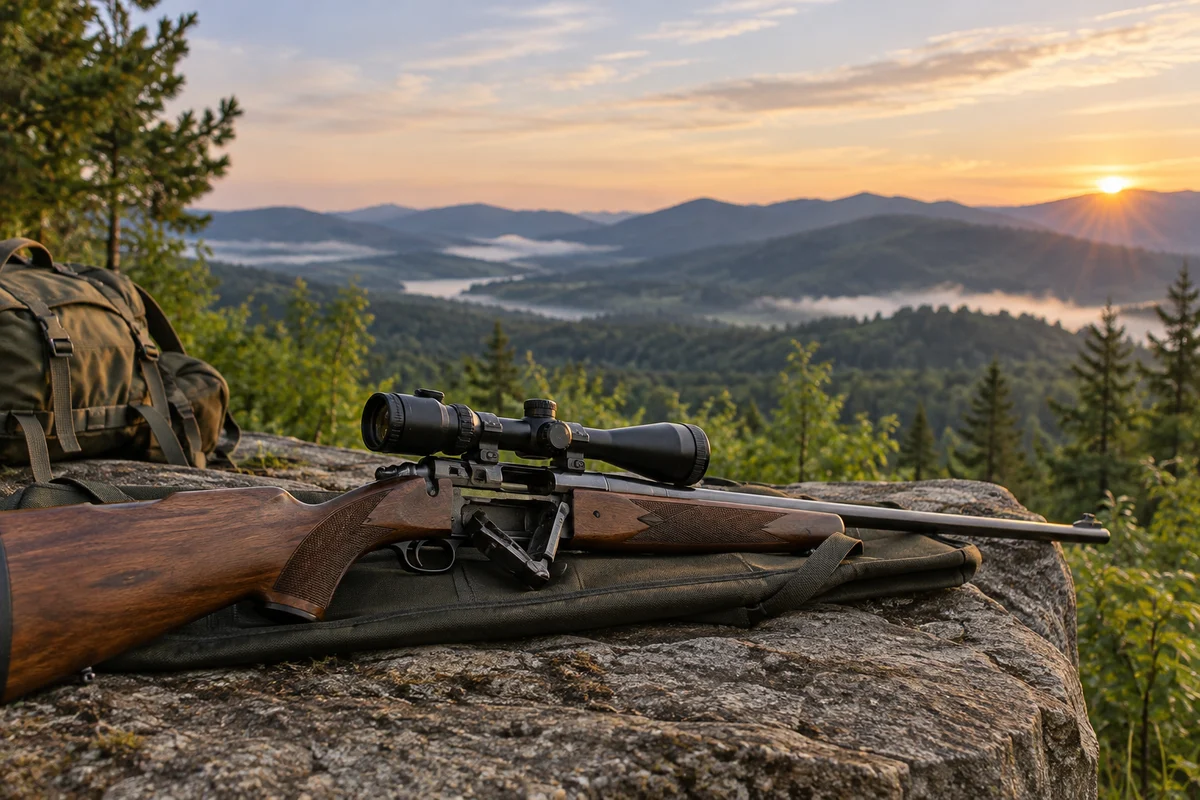
The thompsoncenter triumph bone collector muzzleloader is a named variant in Thompson/Center’s Triumph line, a class of modern inline muzzleloading rifles intended for hunting use. Exact details can differ among production years and configurations, so the model name alone is not enough to establish caliber, sight arrangement, stock finish, included accessories, or current service support. Treat the firearm and its original documentation as a matched pair: verify the markings, consult the correct manual, and do not infer operating details from another Triumph model.
This guide is an informational overview, not a substitute for the manufacturer’s instructions, hands-on safety training, or the laws where you hunt. For the broader context of equipment coverage, see the informational firearms hub. Related reading includes this overview of the Boyds At One thumbhole stock and the Bergara chassis rifle, which illustrate how stock and chassis designs shape fit and handling on other rifles.
What does the Bone Collector name tell you?
The Bone Collector designation identifies a branded configuration associated with the Triumph family; it should not be treated as a complete specification sheet. A name, finish, or emblem cannot confirm a particular production year or prove that a used rifle retains factory parts. Listings and recollections may omit changes between versions, and accessories may have been replaced after the rifle left the factory.
When identifying one, start with the model markings and serial information, then compare them with the manual or manufacturer information for that exact variant. Record the model name exactly as marked, along with any caliber and barrel markings. If the details conflict, stop and ask a qualified gunsmith or the manufacturer’s support channel rather than trying to resolve the mismatch by trial and error.
What should you verify before evaluating one?
Use this checklist before relying on a description or deciding whether a particular rifle suits a lawful hunting purpose:
| Check | What to confirm | Why it matters |
|---|---|---|
| Model identity | Exact markings and variant name | Similar family names do not guarantee identical parts or instructions. |
| Caliber and configuration | Markings and the matching manual | Components and permissible ammunition or projectiles are model-specific. |
| Condition | Inspection by a qualified professional when condition is uncertain | Corrosion, damage, or an unknown service history can affect safe use. |
| Included items | Manual, sights, and any model-specific accessories | A used example may be incomplete or altered. |
| Support | Availability of the correct manual and current service information | Parts and service availability can change over time. |
| Hunting rules | Current local season, equipment, and transport regulations | Muzzleloader rules vary by jurisdiction and season. |
This is an inspection framework, not a do-it-yourself mechanical examination. Do not handle a firearm whose condition or status is uncertain. Keep it pointed in a safe direction, follow the manual’s handling rules, and have a qualified professional assess concerns.
How should fit and field use be judged?
For hunting, a rifle’s usefulness depends on more than its name. The stock’s length and shape, the way the rifle sits against the shoulder, sight visibility in expected light, and the shooter’s ability to maintain a safe, stable position all affect practical suitability. These are individual fit questions; no brand label can establish that a particular example fits every hunter.
Evaluate fit only in a lawful, controlled setting and with the firearm confirmed unloaded according to its manual and qualified instruction. Do not use live ammunition for casual fit checks. If the rifle’s status cannot be confirmed, leave it untouched and seek assistance. A qualified instructor or gunsmith can help assess safe handling and fit without relying on assumptions about the model.
Muzzleloading seasons can also impose rules different from general firearm seasons. Agencies may specify permitted ignition systems, projectiles, sights, or other equipment. The U.S. Fish and Wildlife Service provides a starting point for federal wildlife and hunting information, while the relevant state wildlife agency is the authority for local season regulations. Check rules for the exact season and location rather than relying on an old catalog or forum post.
What does ownership and maintenance require?
A muzzleloader needs model-specific care and careful storage. The correct manual should govern loading, unloading, cleaning, inspection, and any approved components. This article deliberately does not provide a loading recipe or disassembly procedure: those details must come from the instructions for the exact firearm and from qualified training. Never substitute a general guide for a model-specific manual.
Before use, confirm that the firearm is in the condition specified by its instructions and that the bore and other relevant parts have been checked in the manner the manual requires. If you cannot establish its history or condition, do not attempt to make it ready for use. Have a qualified gunsmith inspect it. After use, follow the manual’s cleaning and storage guidance; avoid improvised solvents, tools, or procedures that could damage parts or create a hazard.
Store the firearm securely, inaccessible to unauthorized people, and separate from ammunition or components as required by applicable law and the manufacturer’s guidance. Secure storage is an ongoing responsibility, not a one-time step. Local laws may set additional requirements, and rules can differ across state lines.
Is a used example or an older variant still supported?
Availability and support are not fixed. A used rifle’s included parts, documentation, and condition vary, and a model’s service status may change. Before depending on it for a season, locate the manual that matches its exact model and production details, and ask the manufacturer or a qualified gunsmith about unresolved questions. Do not assume that a manual for a related Triumph or another inline muzzleloader applies.
A careful decision comes down to three points: can you positively identify the rifle, can you obtain the instructions that apply to it, and can a qualified person confirm its condition if needed? If any answer is no, pause rather than filling gaps with guesses. The same cautious approach applies when comparing other rifle designs, including the Bergara chassis rifle’s configuration or the Boyds At One stock’s fit considerations: model-specific claims belong in the relevant documentation.
Quick field decision framework
- Identity clear, correct manual available, condition verified: follow the manual and local hunting rules; seek instruction if unfamiliar with the platform.
- Identity clear, but manual or service detail is uncertain: contact the manufacturer or a qualified gunsmith before use.
- Damage, unknown status, or conflicting markings: do not handle or use it; arrange professional assessment.
- Season or equipment rules unclear: check the current wildlife-agency regulations for that jurisdiction before planning a hunt.
The Thompsoncenter Triumph Bone Collector is best understood as a specific member of a product family, not as a promise of uniform configuration or continuing support. Confirm the individual rifle, use authoritative documentation, and keep safe storage and local-law awareness central to any ownership decision.
Frequently asked questions
Is the Thompsoncenter Triumph Bone Collector identical to every Triumph muzzleloader?
Not necessarily. Configurations and specifications can vary by variant and production year; confirm markings and use the manual for the exact rifle.
Where can I find the correct instructions for this muzzleloader?
Check the manufacturer’s support resources for the precise model and production details. If the manual or identity is unclear, consult the manufacturer or a qualified gunsmith before handling or use.
Can I use it in any muzzleloader hunting season?
No general answer applies everywhere. Check current regulations from the wildlife agency for the specific jurisdiction and season, including any equipment restrictions.
Sources & further information
Consult these primary sources for current regulations, technical information and local guidance.