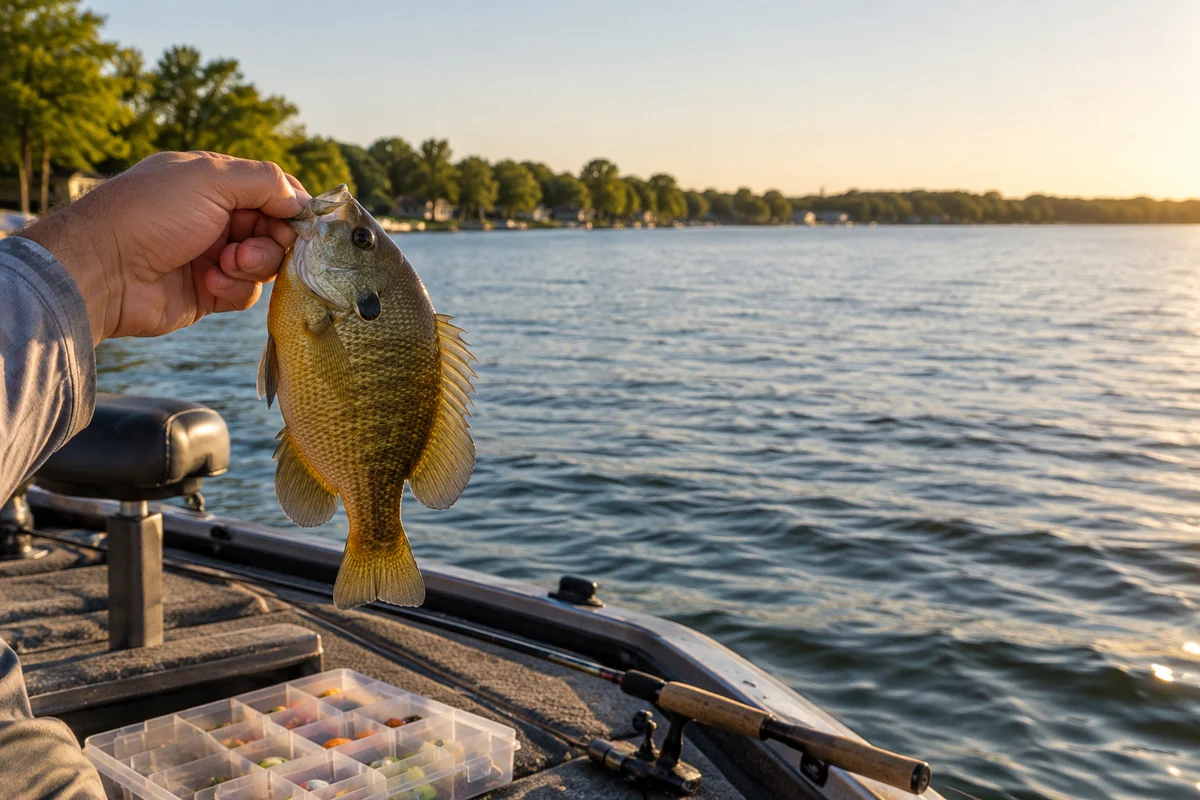
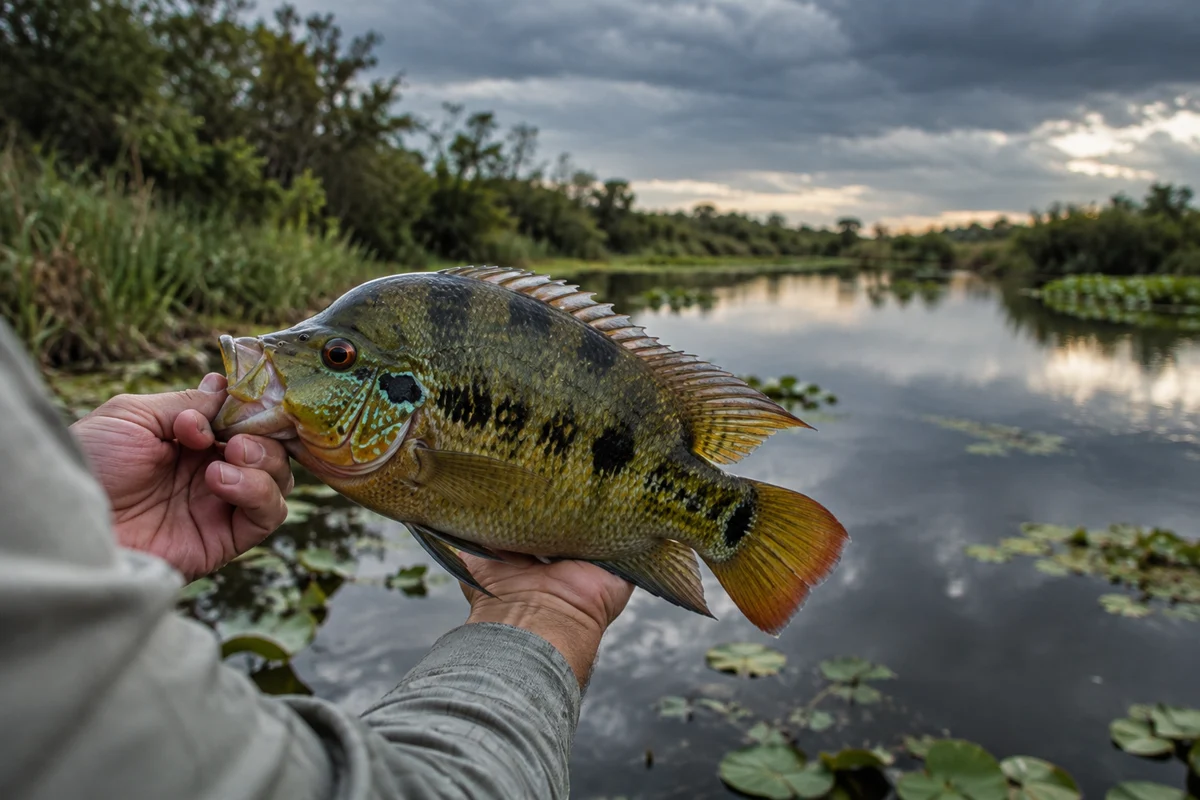
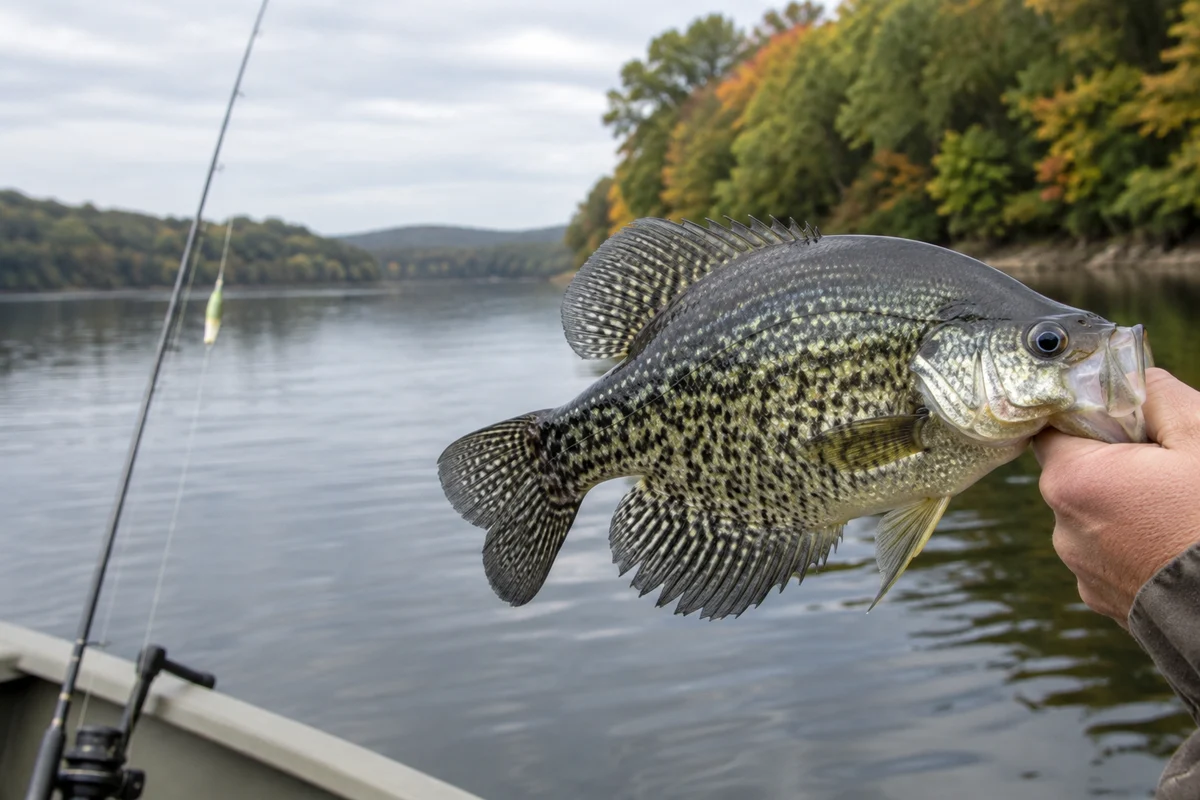
Panfish Fishing Tips Florida: A Practical Field Guide
Learn how to locate Florida bluegill, redear sunfish, and crappie by reading cover, water conditions, and seasonal patterns. Simple tackle and presentation adjustments help turn a slow search into a more focused day on the water.
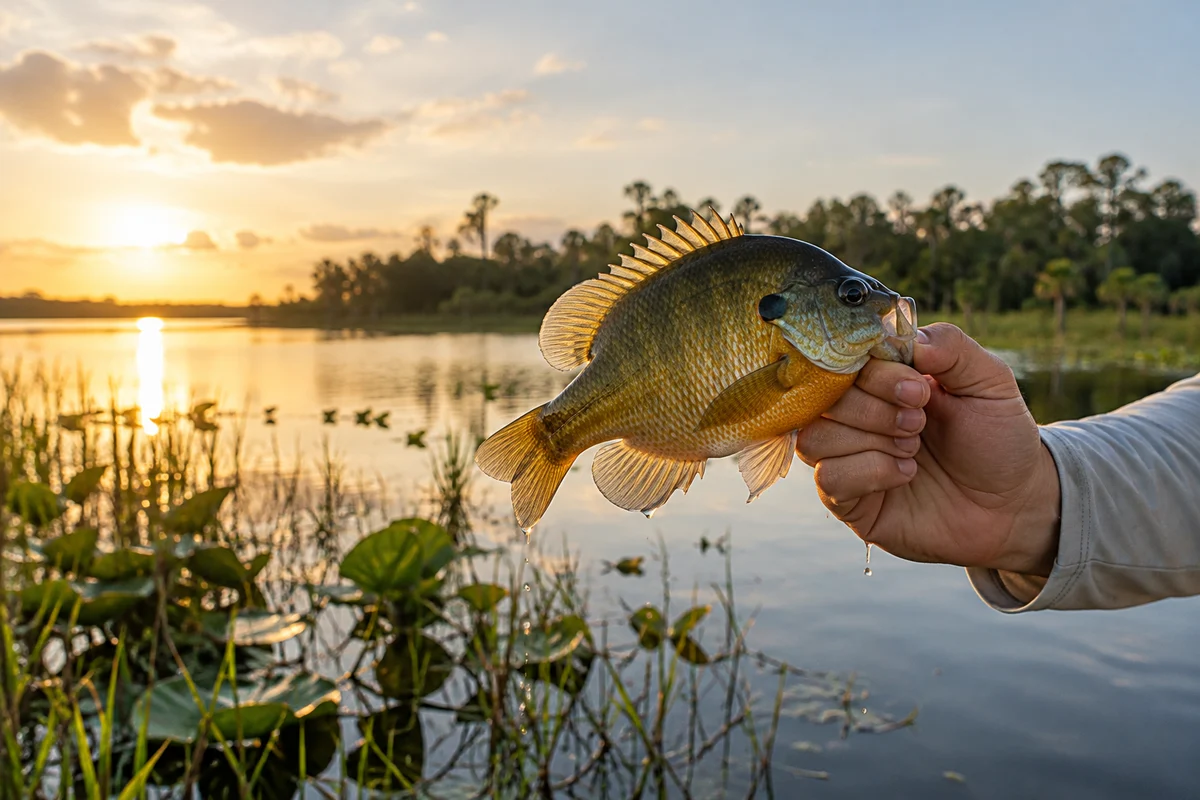
Panfish fishing tips Florida anglers can use start with one simple idea: find the right combination of food, cover, and comfortable water rather than casting at random. Bluegill, redear sunfish, and crappie share some waters, but they do not always feed in the same places or respond to the same presentation. A small hook, light line, and patient search can make a more reliable plan than carrying a box of complicated gear. Use these approaches as a starting point, then adapt to the lake, pond, river, and current regulations you are fishing.
Where should you look for Florida panfish?
Begin by identifying the habitat available on that water. In ponds and lakes, inspect the edges of aquatic vegetation, submerged brush, fallen limbs, docks where fishing is permitted, and transitions between open water and cover. Bluegill often use shallower edges to feed, while crappie may suspend or hold near deeper cover. Redear sunfish, sometimes called shellcrackers, commonly feed close to the bottom. These are tendencies, not rules: water level, clarity, temperature, and pressure can shift fish away from familiar spots.
Look for a sequence of promising areas instead of committing to one bank. Try a protected pocket, a point near vegetation, and a nearby drop-off or deeper edge. If the water is clear, approach quietly and avoid casting a shadow over shallow fish. In stained water, make accurate casts to cover and give fish time to locate the bait. When fishing unfamiliar public water, check access, boating rules, and any site-specific restrictions before setting up. The freshwater panfish hub is a useful place to explore related species and techniques.
How do seasons and weather change the search?
Florida’s mild winters and warm seasons mean panfish activity does not follow one rigid calendar. Instead of assuming a particular month guarantees a bite, pay attention to water temperature trends, recent cold fronts, rainfall, and wind. A sharp change in conditions can make fish less willing to chase; a stable stretch may make their feeding locations easier to predict. During hot weather, test early and late in the day, and look for shade, vegetation, or other cover rather than exposing yourself and your bait to open midday shallows.
Spawning activity can bring sunfish into shallow areas, but timing varies by waterbody and conditions. Watch for fish activity and suitable habitat without disturbing visible nests. If shallow areas are quiet, move to the first nearby edge with more depth or cover. Crappie may be found away from the bank, so a float-and-bait presentation or a slow search at different depths can help locate them. Change one variable at a time—depth, location, or bait—so you can tell what made a difference.
Wind is useful information, not just an inconvenience. A light breeze can move food toward a bank or shoreline point, but strong wind can make a float difficult to control and compromise safe boat handling. Choose a sheltered area when conditions become uncomfortable, and follow local boating guidance. For location-specific regulations and current Florida fishing information, consult the Florida Fish and Wildlife Conservation Commission.
What bait and tackle work for panfish?
Keep the setup simple: a light rod, appropriately light line, a small hook, and a float when you need to track depth or detect subtle bites. A small split shot can help a natural bait sink, but use only enough weight to present it naturally. Hook size and tackle should match the bait, fish, and conditions; if fish peck without taking the bait, try a smaller offering or adjust how it is presented.
Worm pieces and other natural baits can be effective for sunfish, while small jigs and other compact lures let you cover water and vary depth. Crappie anglers often compare different jig styles and colors; for more ideas, see this guide to top crappie baits. A Johnson Crappie Buster overview can also help you understand one named lure style, but the right choice depends on the water and fish response—not the name on the package.
Carry a few options rather than every color. Begin with a natural-looking choice in clear water, then try a more visible profile if the water is stained or the light is low. If fish follow but do not strike, slow down, pause, or reduce the offering. Keep bait fresh and out of direct heat when practical, and dispose of unused bait and line responsibly instead of leaving them at the water’s edge.
How should you present a bait or small jig?
For a float rig, set the bait just above the depth where you expect fish to feed. Cast beyond the cover and guide the float toward it when possible, rather than landing directly on top of fish. Let the bait rest, then make small movements. A float that tips, slides sideways, or stops unexpectedly can signal a bite; respond with a controlled lift instead of a hard sweep that may pull a small hook free.
With a jig, count it down after the cast, then retrieve slowly enough to keep it in the target zone. Try a steady retrieve first. If that fails, add short pauses or gentle lifts and falls. Fish several depths before moving. A simple mental note—where the bite came, how deep the bait was, and whether it was moving—helps repeat a productive presentation. Avoid changing lure, depth, and location all at once, or you will not know which adjustment mattered.
When fishing around brush or vegetation, use a controlled cast and keep the line clear of snags. A float can suspend bait above weeds; a small jig may reach openings that a larger offering cannot. If you snag, pull from a safe direction and avoid wrapping line around your hand. Retrieve discarded line and hooks carefully, and keep them away from wildlife and other anglers.
How can you tell whether to stay or move?
Give a spot a short, organized test: make several accurate casts, vary depth, and try a second presentation. If there are no bites or signs of fish, move to the next habitat feature. Repeatedly casting into empty open water is less useful than checking a new edge or depth. If you get a bite, pause to note the conditions, then make a few casts to the same area before changing anything.
A simple log can improve future trips without requiring exact measurements. Record the general location, weather trend, water clarity, depth that produced a bite, bait type, and time of day. Over time, those observations can reveal patterns on a particular waterbody. Do not assume a pattern from one outing applies to every Florida lake; local conditions differ, and water levels or vegetation can change.
What should you know about keeping and handling fish?
Before fishing, check current state rules for the species and water you plan to visit. Regulations may vary by species, location, and management area, so do not rely on an old limit remembered from another trip. The FWC’s official fishing information is the appropriate starting point; verify details for your exact destination before keeping fish.
Handle fish with wet hands when possible and minimize time out of water if releasing them. Use a suitable hook-removal tool, and avoid squeezing the body or touching delicate gill tissue. If a fish is deeply hooked, forcing removal may cause more harm; use sound judgment and applicable guidance. For fish you legally keep, maintain them properly and follow local rules. Take only what you will use, respect other anglers’ space, and leave vegetation, shorelines, and access areas in good condition.
A simple plan for your next trip
Choose one waterbody and identify several types of habitat before you arrive. Start near cover with a small natural bait or jig, test more than one depth, and keep the presentation slow enough to detect light bites. If conditions change or the first area is quiet, move methodically rather than repeating the same cast. For sunfish, focus on protected feeding edges and bottom-oriented presentations when appropriate; for crappie, remember to search beyond the shoreline and vary depth.
The most useful panfish routine is an observation loop: locate likely cover, make a controlled presentation, note the response, and adjust one factor. Bring only tackle you can use confidently, check rules and access ahead of time, and let fish behavior—not a fixed calendar or a single lure recommendation—guide the next decision. That approach works across many kinds of Florida freshwater and makes each trip more informative, whether the result is a full creel or a better understanding of the water.
Frequently asked questions
What bait is a good starting point for Florida panfish?
A small piece of natural bait is a practical starting point for sunfish. Small jigs can help you search for crappie or cover several depths. Adjust bait size and presentation to the water clarity and fish response.
Where should I look for panfish in a Florida pond?
Start around vegetation, shaded edges, submerged cover, and transitions to deeper water. Try several locations and depths; bluegill, redear sunfish, and crappie may use different parts of the same pond.
Do Florida panfish rules vary by location?
They can. Check current Florida Fish and Wildlife Conservation Commission regulations for your species and destination before fishing or keeping fish.
Sources & further information
Consult these primary sources for current regulations, technical information and local guidance.