Scent Control for Deer Hunting: Wind, Ozone, and Field Habits
Ozone-based equipment can be one part of a deer hunter’s scent plan, but it cannot cancel poor wind, noisy access, or careless handling. This guide explains practical scent priorities and how to evaluate Ozonics without treating it as a guarantee.
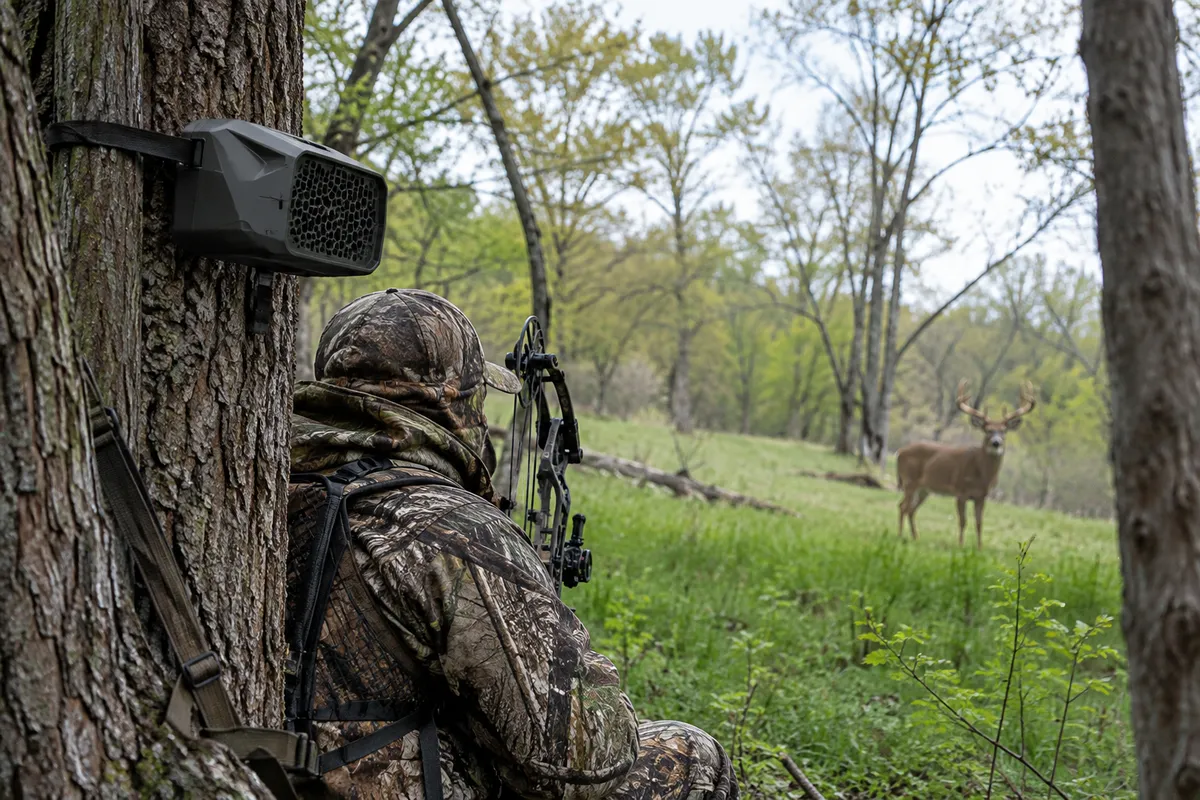
Scent control for deer hunting is best understood as managing exposure, not erasing every trace of human odor. Ozonics is associated with ozone-based scent-control equipment, but a device cannot make wind direction irrelevant or promise that deer will not detect a person. A more dependable plan begins with the route to a stand, clean and sensible gear habits, and an honest reading of conditions. Then you can decide whether an ozone unit has a useful supporting role for your particular setup.
What does Ozonics do, and what can it not do?
Ozonics is a brand associated with portable equipment that uses ozone as part of an odor-management approach. Ozone is a reactive form of oxygen; in controlled applications, it can interact with some odor-causing compounds. That general chemistry is not the same as proof that a particular device removes every scent in every hunting situation. Performance depends on the equipment, its placement, airflow, the odors present, and the conditions around the hunter. Models and instructions can differ, so check the manufacturer’s documentation for the unit you have rather than assuming one setup applies to all.
Think of a scent-control device as a possible supplement, not an invisibility system. Deer can encounter odor carried through moving air, and an open stand, a ground blind, and a walk-in route all create different airflow patterns. A unit cannot redirect the wind or remove scent deposited on brush, clothing, or equipment. Nor does a device settle whether a deer will notice movement, sound, or an unfamiliar shape. For a broader look at how concealment and blind design affect a hunt, see our guides to scent-control blinds and natural-cover ground blinds.
Why should wind direction come before equipment?
Wind is the first planning variable because it carries odor away from its source. Before choosing a stand, consider the expected direction during the hours you plan to hunt, not only the direction at the moment you leave home. Local terrain, vegetation, temperature changes, and shelter can make air movement less straightforward than a forecast arrow suggests. A route that crosses the area where you expect deer to travel may also matter, even if the stand itself seems favorably placed.
Build a backup plan. If the wind shifts toward a likely approach, choose another location, change the access route, or wait for a better day rather than asking a scent-control device to compensate. Keep notes on wind direction, stand choice, and what you observed; patterns across your own outings can be more useful than a universal rule. Avoid treating a single sighting or encounter as proof that a particular product worked or failed. Many factors—including timing, movement, and where an animal traveled—can affect what happens.
The same planning principle applies to blinds. A blind may help manage visibility and provide a defined hunting position, but it does not automatically solve odor moving downwind. Think about the position of doors or openings, your path in and out, and where air can travel. The hunting and archery hub collects related outdoor topics, including ways to assess a setup before committing to it.
Which scent-control habits are worth doing first?
Start with repeatable basics that reduce unnecessary odor and disturbance. Wash hunting clothes with a product intended for outdoor clothing if you choose to use one, and store clean garments away from fuel, food, pets, smoke, and strong household odors. Keep boots and packs separate from everyday items. These steps do not make clothing scent-free; they simply help avoid adding odors that are easy to prevent.
Use a practical checklist:
- Prepare clothing and gear before the trip instead of handling everything at the last minute.
- Avoid applying cologne, scented lotion, or strongly scented products immediately before hunting.
- Keep food, fuel, and other odor sources contained and away from clean clothing.
- Choose an access route that limits unnecessary contact with vegetation and likely deer travel.
- Reduce time spent moving around once you reach the hunting location.
Pay attention to the whole routine, not just garments. Vehicle interiors, equipment cases, hands, and the walk from parking to the stand all contribute to the circumstances of a hunt. Do not turn this into an endless effort to sanitize every object; focus on preventing obvious, avoidable sources and on making the approach quiet and deliberate. If you use an ozone product, follow its specific instructions and do not assume it replaces these habits.
How should you evaluate an ozone unit in the field?
First identify the exact device and read the current manual. Look for the intended setting, placement guidance, operating limitations, maintenance needs, and warnings. Avoid relying on old product descriptions or advice written for a different model. If you cannot establish what a feature does from reliable documentation, treat it as unknown rather than inferring a performance claim from the product name.
Next, think about airflow and exposure. An open tree stand is not an enclosed room, and a sheltered blind is not necessarily sealed; air still moves, often unevenly. Positioning and operating time should follow the manufacturer’s directions, not an improvised formula. Ozone can irritate the respiratory system at harmful concentrations, and the U.S. Environmental Protection Agency cautions that ozone generators can pose health concerns when used in occupied spaces. Do not deliberately expose yourself or others to ozone, and do not use equipment in a confined area contrary to its instructions. If you have respiratory concerns, ask a qualified health professional before using ozone-producing equipment.
Evaluate the device by its role in a complete plan, not by expecting a guaranteed result. A useful question is whether it fits your hunting method, can be used as directed, and adds something without tempting you to ignore wind or access. The same disciplined approach applies to other concealment choices: our overview of tree-blind considerations discusses how a hunting position and its surroundings should be considered together.
What should you do when conditions change?
Make decisions before the moment becomes urgent. Set a wind threshold or other personal condition for switching stands, and know which alternative you can reach without walking through the area you intend to hunt. Check conditions again when you arrive and whenever you notice a meaningful change. If the wind becomes unfavorable, leaving or relocating carefully may be the sound choice; no scent-control device can guarantee a different outcome.
Also separate observation from explanation. If deer approach from downwind, note the direction and circumstances, but do not conclude that the device defeated their sense of smell. If deer avoid an area, odor may be one possibility among many. Record what you can observe—wind, access, time, movement, and location—without claiming certainty about an animal’s reasoning. That makes your notes more useful next season and helps prevent marketing language or one anecdote from becoming a rule.
Follow local hunting regulations and land-access rules, and avoid disturbing wildlife or other hunters while changing locations. Regulations and seasons differ by jurisdiction, so consult the relevant wildlife agency for current requirements. Scent planning is part of responsible preparation, alongside safe equipment handling, ethical shot decisions, and respect for the place you hunt.
What is a realistic scent-control plan?
A practical hierarchy is simple: select a location and access route that suit the expected wind; keep clothing and gear reasonably clean and separated from strong odors; move quietly and minimize unnecessary disturbance; then use any specialized equipment only as directed. Reassess when conditions change. That order remains useful whether you hunt from a tree, a ground blind, or another lawful position.
Ozonics may interest hunters looking for an additional odor-management tool, but the label alone cannot tell you how a specific model performs in your setting. Read its manual, understand ozone-related safety cautions, and keep expectations modest. The strongest plan is one you can explain without relying on a promise of scent elimination: know where air is moving, limit avoidable odor and contact, and be willing to adapt when the setup no longer makes sense.
Frequently asked questions
Does Ozonics eliminate human scent while deer hunting?
It should not be treated as a guarantee or as a way to eliminate every trace of human odor. Results can depend on the device, airflow, conditions, and setup; wind and careful access still matter.
Is ozone equipment safe to use in a hunting blind?
Follow the exact unit’s manual and avoid exposure that conflicts with its instructions. Ozone can irritate the respiratory system, and the EPA warns about ozone generators in occupied spaces; do not use a device in a confined area contrary to manufacturer guidance.
What is the most important scent-control step for deer hunting?
Plan around wind and access first. Keeping gear reasonably clean and avoiding strong added odors can support that plan, but no product makes wind direction or changing conditions irrelevant.
Sources & further information
Consult these primary sources for current regulations, technical information and local guidance.