Seafire Reels: How to Assess a Saltwater Combo
A practical guide to evaluating a Seafire-named reel or combo without assuming unverified model specifications. Learn which features matter for your fishing style, how to check fit, and how to care for saltwater tackle.
What does “Seafire reels” refer to?
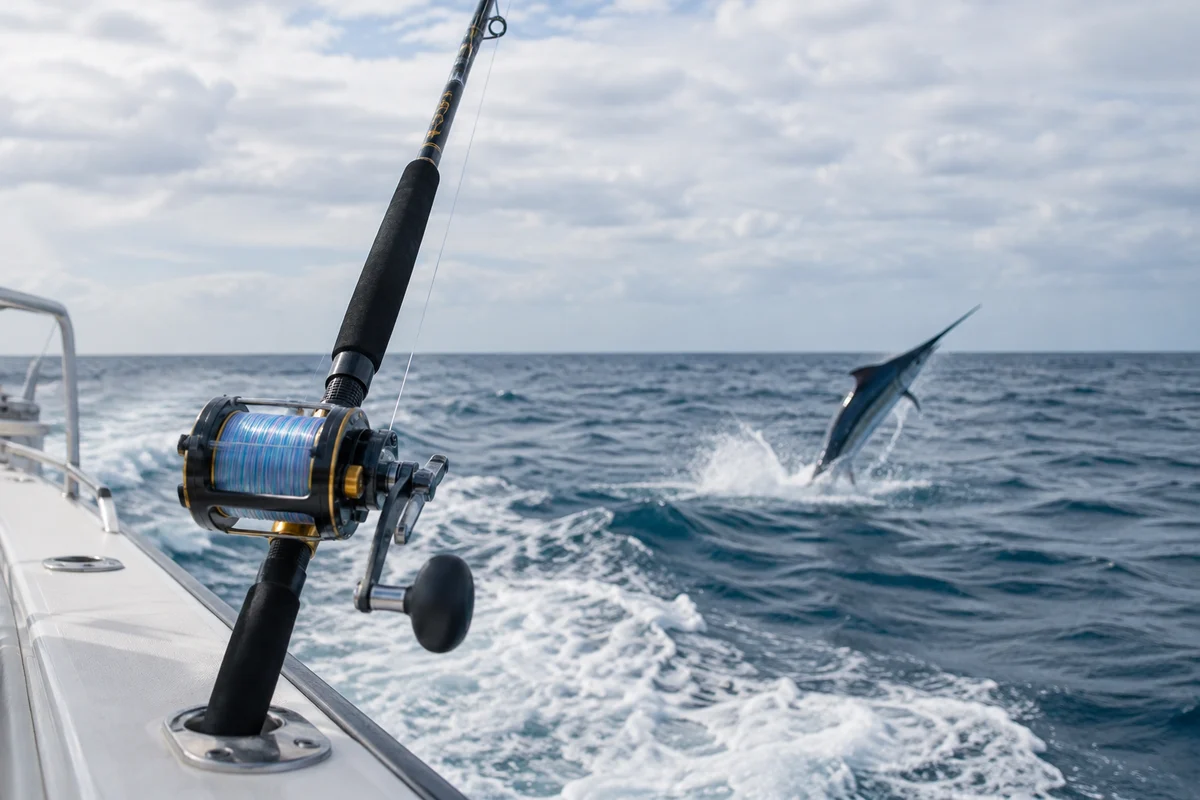
Seafire reels is a search phrase anglers may encounter when looking for an offshore or saltwater reel-and-rod combo. The name alone does not establish a specific manufacturer, model, generation, or set of specifications, so it is better not to assume that every listing using “Seafire” describes the same equipment. If you are considering a particular outfit, identify the exact model from its reel foot, spool, packaging, or owner’s documentation before relying on a feature claim.
That distinction matters because reels that look similar can differ in drag design, retrieve direction, spool capacity, gearing, and intended line class. For a useful overview of the range of saltwater topics and tackle guides, visit the saltwater fishing hub. Treat the product name as a starting point for research—not a substitute for checking the equipment in hand.
Which reel features matter for saltwater fishing?
Start with the fishing you plan to do. A reel for casting lures from shore has different practical demands from one used to fish bait from a boat. Consider the usual target size, fishing depth, current, bait or lure weight, and whether you need repeated casts or a controlled presentation near the bottom. These factors help determine whether a reel’s size and operating style are appropriate; the word “offshore” on a label cannot answer that by itself.
Check the reel’s published specifications or manual for line capacity, recommended line types, retrieve ratio, retrieve direction, and drag information. Line capacity should be read in its stated context: the listed amount depends on line material and diameter, and a capacity quoted for one line type is not automatically equivalent to another. Do not estimate capacity from the spool’s appearance alone.
A drag system should release line smoothly under a steady pull and remain adjustable through its intended range. If inspecting a used reel, look for corrosion, roughness, sticking, unusual noise, a damaged spool lip, or a handle that binds. These observations are not a complete mechanical inspection, but they can flag a reel that needs servicing before it is relied on.
How can you tell whether a combo is balanced?
A rod-and-reel combo should feel manageable for the fishing technique and the angler who will use it. Mount the reel securely on the rod, hold the outfit as you would while fishing, and note whether the balance point and grip feel comfortable. A setup that feels tiring in a short test may become harder to handle over a long session, especially when casting repeatedly or working a lure.
Then compare the rod’s markings and instructions with the reel and line you intend to use. Look for the rod’s stated line and lure ranges, if provided, and avoid treating those markings as a promise that every reel in a product family fits. A rod that is too heavy for the intended lure can make casting and presentation awkward; one that is too light may not suit the load or conditions. The Sea Lion spinning rod-and-reel combo overview offers another point of comparison when thinking about how a combo is presented and assessed.
For a conventional reel, consider whether you are comfortable managing its line and controls. A spinning reel may be more familiar for casting to many anglers, while conventional designs can suit other presentations. Neither style is universally better. Match the reel type to the technique you already understand or are prepared to learn, and practice in a safe setting before taking unfamiliar gear onto the water.
What should you verify before choosing a line?
Use the reel and rod documentation rather than a guess based on spool size. Confirm the suggested line type and capacity, then account for the differences among monofilament, braid, and other line constructions. Diameter, knots, backing, and how tightly line is packed all affect how much fits. If the exact Seafire model cannot be identified, do not rely on a capacity chart for a different reel merely because the name sounds similar.
Think about the whole system: the rod’s rated range, the reel’s stated capacity, the drag, terminal tackle, and the fishery’s rules. The line should be appropriate to the target and conditions while remaining within the equipment maker’s guidance. Also check current local regulations for permitted gear, species limits, and any area-specific restrictions; these can change and are not determined by a combo’s marketing description.
Anglers interested in record categories or documentation can consult the International Game Fish Association for its official rules and record resources. Record requirements are separate from routine tackle selection, but they illustrate why line class and equipment details should be documented rather than inferred after a catch.
How do you protect a reel after saltwater use?
Salt and grit can work into exposed surfaces and moving parts, so make care a routine. Follow the reel maker’s instructions for rinsing and lubrication. In general, a gentle freshwater rinse can remove surface salt; avoid forceful spray that may drive water and debris into the reel. Wipe the exterior, let the outfit dry fully, and store it in a dry, ventilated place rather than sealing damp tackle in a bag.
Do not assume that a reel is waterproof or safe to submerge unless its documentation specifically says so. Avoid applying oil or grease indiscriminately: too much lubricant, or lubricant in the wrong place, can affect operation. If the handle becomes rough, the drag behaves inconsistently, or corrosion appears, consult the manual or a qualified service provider instead of forcing the mechanism.
Care for the rod and line as well. Rinse and inspect guides, reel-seat hardware, and line for wear, nicks, or fraying. Check knots and replace damaged sections before fishing. These simple checks help catch problems early, but they do not make worn or damaged tackle reliable.
What should you check when product information is incomplete?
Before relying on any listing or label, try to establish the exact model identity and find its manufacturer documentation. Confirm that the reel and rod are actually sold or described as a matched combo, rather than assuming a rod and reel shown together share compatible ratings. If a specification is missing, ask the seller or manufacturer for the manual or model identification; do not fill gaps with figures from a visually similar product.
A practical check is to make a short list: model name and number, reel type, retrieve direction, spool capacity and line basis, drag guidance, rod line and lure ranges, and care instructions. Compare those details against your intended fishing method. The Gold Cup conventional reel overview can help frame questions about conventional reel features, while saltwater fishing tips provides broader technique context.
Finally, inspect the actual outfit for fit and condition. The reel should seat firmly, the handle should turn without binding, and the rod guides and reel seat should be intact. For unfamiliar tackle, practice casting or operating it in a controlled area before fishing. Choose based on verified compatibility, comfort, and care requirements—not a claim that a combo can handle every fish or every saltwater situation.
Frequently asked questions
Are all products called Seafire reels the same model?
Not necessarily. A name by itself does not confirm the manufacturer, model, generation, or specifications. Identify the exact reel and check its documentation before relying on capacity, drag, or compatibility claims.
How can I tell whether a Seafire reel fits a particular rod?
Check the reel type and fit at the reel seat, then compare the rod’s stated line and lure ranges with the reel’s published specifications and your intended use. If the model cannot be identified, do not assume compatibility based on appearance.
What is the safest way to care for a reel used in saltwater?
Follow its manual. A gentle freshwater rinse, thorough drying, and proper storage are common care steps, but avoid forceful spray, submerging the reel, or adding lubricant where the maker does not recommend it.
Sources & further information
Consult these primary sources for current regulations, technical information and local guidance.