Shark Books for Curious Readers: How to Choose a Great One
A practical guide to choosing shark books, whether you want an engaging first introduction, a reference for identifying species, or a more nuanced account of shark science and conservation.
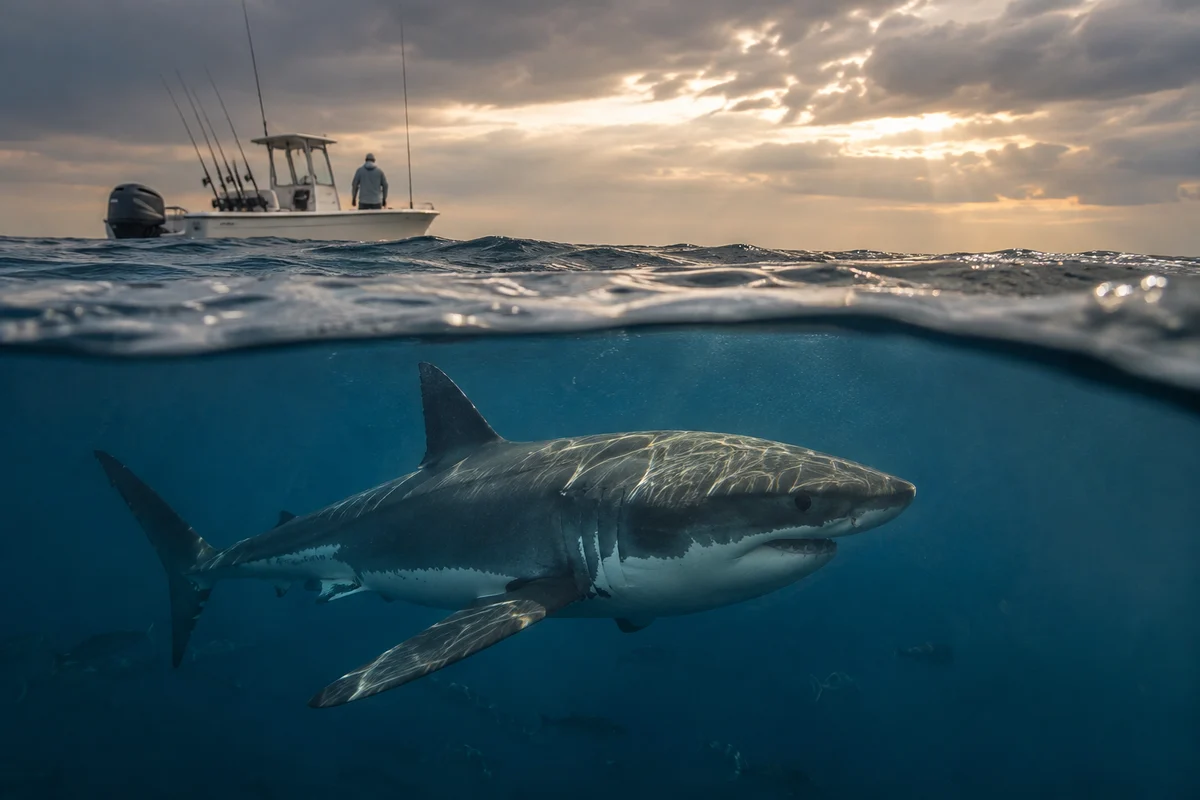
A good shelf of shark books can do more than deliver thrills: it can help readers distinguish species, understand how researchers study sharks, and replace familiar myths with better questions. The best choice depends on what you want from the book—an illustrated introduction, a field reference, a natural-history account, or a story about people and the sea. Because sharks are often presented through dramatic claims, it also pays to look closely at how a book handles evidence. Use the guide below to find a book that fits its reader and purpose, then check uncertain claims against reliable sources.
What kind of shark book are you looking for?
Start with the reading experience you want. A picture-led introduction is useful for a younger reader or anyone who wants a broad overview without a dense text. A species guide is better for comparing identifying features and ranges. Natural-history books tend to spend more time on anatomy, behavior, and ecological roles, while narrative nonfiction may follow researchers, divers, or conservation work. These categories overlap, but identifying your main interest helps narrow a crowded subject.
Think, too, about whether the book is meant to be read straight through or consulted in short visits. A narrative usually rewards a continuous read; a reference is easier to use when it has a clear index, glossary, and consistent species entries. If your interest is practical saltwater learning rather than shark biology alone, the broader saltwater fishing section offers related reading. Choose a book for the questions you actually have, not just the most dramatic cover or title.
How can you tell whether the science is dependable?
Look for clear authorship and a transparent basis for claims. The author’s background should be described accurately, and the book should identify sources, further reading, or expert review where appropriate. A long bibliography is not a guarantee of quality, but the absence of any way to follow up on strong scientific claims is a reason to be cautious. Prefer explanations that distinguish established knowledge from open questions instead of presenting every behavior as settled fact.
Check whether the book uses scientific names alongside common names, explains where its information applies, and avoids treating every shark as interchangeable. Species differ in size, habitat, diet, and behavior; a generalization about one should not quietly become a claim about all sharks. When a book makes a conservation or population claim, look for a date, region, and source. Current status can vary by species and location, so an undated statement may not tell the whole story.
For a second look, compare the book’s claims with information from NOAA Fisheries, especially when the subject is a species, its habitat, or conservation. A useful book should make that kind of checking easier, not discourage it. Be wary of absolute language such as “always” or “never” when describing animal behavior, and of precise-sounding figures that arrive without context or a cited source.
Does the book explain behavior or lean on scare stories?
Sharks have a place in marine ecosystems, but a responsible account does not need to make them harmless or frightening. Read a sample chapter and notice how an author describes encounters with people. Does the text separate a documented event from a broad conclusion? Does it explain circumstances and uncertainty, or use an exceptional incident to imply that all sharks pose the same risk? Sensational storytelling can obscure both animal behavior and practical safety.
A balanced book can discuss risk plainly while avoiding promises that an encounter is impossible or inevitable. It should give readers context without turning wildlife into a villain. If you want a companion overview of common safety considerations, see how to avoid a shark attack. That topic is best approached as risk awareness, not as a guarantee: conditions and local guidance matter, and no book can predict every encounter.
Species comparisons also need care. A title about two familiar sharks should explain what traits are being compared and where the evidence comes from, rather than reducing the animals to a simple “winner.” For a focused example of that format, read tiger shark vs. hammerhead shark, then notice how a comparison can be more informative when it keeps species differences in view.
How do you choose for a child or beginning reader?
Match the format and reading level to the reader, not just the subject. Picture captions, diagrams, a glossary, and short sections can make unfamiliar terms easier to handle. For younger readers, check the sample pages for age-appropriate explanations of predation and risk; illustrations should support identification and understanding rather than rely only on frightening scenes. A child who loves facts may prefer a visual reference, while another may stay engaged with a story built around exploration.
For a beginner of any age, look for clear definitions of terms such as habitat, migration, and conservation. Good diagrams should have readable labels and explain what is being shown. Check whether the book distinguishes a simplified illustration from a photograph, and whether it identifies species rather than labeling every image simply “shark.” If the reader is likely to revisit the book, an index or well-organized contents page can be as valuable as lively prose.
A library or bookshop preview is useful: read one page of narrative and one reference entry. If both are understandable and neither talks down to the intended reader, the book is more likely to work beyond a single sitting. For shared reading, choose a book that leaves room for questions rather than supplying a dramatic answer to everything.
What makes a shark field guide useful?
A field guide earns its place through clear organization and careful limits. Look for a contents list or index that helps you find a species, a glossary for technical language, and maps or range descriptions with enough context to interpret them. Identification details should be specific and comparative: what visible features help distinguish one species from another, and what features may be difficult to see? A guide should also make clear that an illustration or brief description cannot always settle an identification.
Check the publication information and the geographic scope. A guide focused on one region may be excellent for that area but incomplete elsewhere. A book that includes sharks, skates, and rays should explain how it defines those groups rather than blur them together. If records or record-sized animals interest you, use a dedicated verification source: the International Game Fish Association (IGFA) maintains its own record categories and submission process. A book can offer historical context, but a record claim should be checked against the relevant official category and current listing rather than repeated from an unattributed caption.
For casual reading, these reference details may matter less than strong writing. For identification or research, they are central. Let the intended use decide how much detail you need.
How can you build a small, balanced reading list?
You do not need a stack of books that all make the same case. A useful starter set might pair an illustrated overview with a well-organized species reference and a narrative account of marine research or conservation. That mix gives you a broad introduction, a place to check names and features, and a view of how people gather knowledge. Before adding another title, ask what it contributes that the books you already have do not.
Use a short checklist when comparing options: Is the intended reader clear? Are sources or further reading provided? Are species and locations identified? Does the book distinguish evidence from speculation? Does its tone make room for both ecological importance and real-world uncertainty? A “no” to one question is not automatically disqualifying, especially for a light introduction, but several missing basics may signal that the book is better treated as entertainment than as a reference.
Finally, let a book lead to better questions. Note unfamiliar species, look for the region involved, and compare important claims with an authoritative source. That habit keeps a compelling story from becoming your only source of information—and makes the next shark book easier to choose.
Frequently asked questions
What should I look for in a reliable shark book?
Look for clear authorship, sources or further reading, identified species and locations, and a distinction between established evidence and uncertainty. For current conservation or species information, compare relevant claims with an authoritative source such as NOAA Fisheries.
Are shark field guides useful for beginners?
Yes, if they have accessible explanations, a glossary, clear organization, and illustrations or photographs that identify species. Check the guide’s geographic scope and remember that a brief description may not be enough to identify an animal confidently.
How do I choose shark books for children?
Preview the reading level, illustrations, and treatment of animal behavior. Short sections, clear captions, a glossary, and age-appropriate explanations can help a young reader stay engaged without relying on sensational images.
Sources & further information
Consult these primary sources for current regulations, technical information and local guidance.