Savage 110 High Country for Western Hunting: What to Know
The Savage 110 High Country is a bolt-action hunting rifle associated with big-game use, but exact features depend on its configuration and production year. This guide explains what to verify and how to think about fit, field conditions, ethics, and safe handling without treating distance as a substitute for judgment.

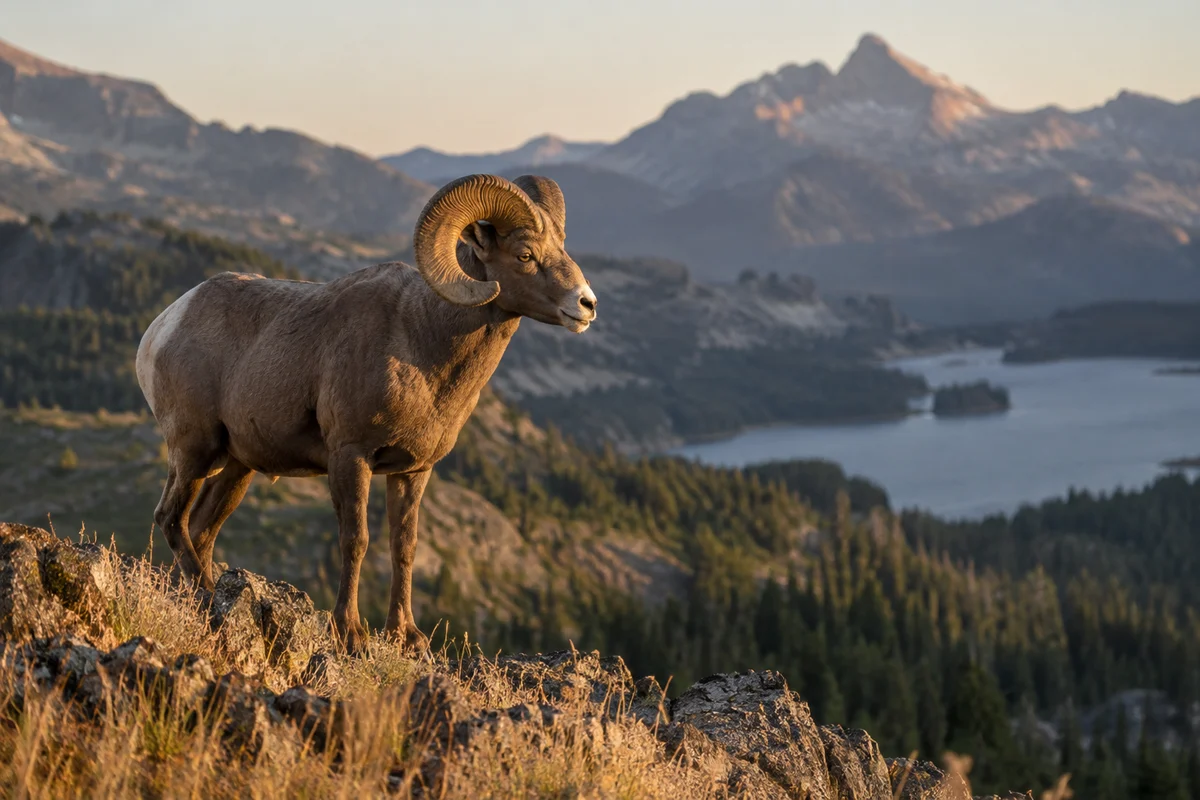
The Savage 110 High Country is a bolt-action hunting rifle intended for big-game use, including the open and varied terrain many hunters associate with western hunts. Its name alone does not tell you the chambering, stock adjustments, barrel details, or other configuration-specific features. Those can vary, so identify the exact version and consult its manufacturer documentation before drawing conclusions about a particular rifle.
A rifle can support a hunt, but it cannot make a shot ethical or ensure a successful outcome. Terrain, weather, lawful season requirements, the hunter’s demonstrated competence, and a clear plan for safe handling matter as much as the equipment. This overview is informational, not a field test or a substitute for the manual, formal instruction, or local regulations.
What is the Savage 110 High Country designed for?
The High Country is part of the Savage 110 family, a line of bolt-action rifles. In general, a bolt-action cycles cartridges through a manually operated bolt; exact controls and procedures are model-specific and should be learned from the firearm’s manual and qualified instruction. The High Country name identifies a hunting-oriented configuration, not a guarantee that every example has identical specifications.
For a big-game hunter, the useful question is whether the rifle’s verified configuration suits the lawful hunt and the person carrying it. That means considering the actual chambering and ammunition compatibility, the rifle’s overall dimensions and weight, sighting equipment, and how the stock fits when worn with typical hunting clothing. Do not infer any of these details from a product name or an old description.
The rifle belongs in a broader preparation plan. The big-game hunting hub collects related coverage on species, equipment, and field considerations. Whatever the hunt, learn the local rules before heading out and distinguish what is permitted from what is prudent.
Why do exact model details matter?
Product names can remain familiar while configurations change across years, chamberings, and regional offerings. A description of one High Country version should not be treated as a specification sheet for every rifle carrying that name. Even details that seem small—such as stock adjustments, barrel dimensions, included sights, or compatible accessories—need confirmation against the markings and documentation for the individual firearm.
Start by matching the rifle’s identification and configuration to current manufacturer information and its original manual. If records or labels are incomplete, ask Savage or a qualified gunsmith to identify the specific version. Never assume a component, accessory, or ammunition choice is compatible simply because it fits physically. The manufacturer’s official site is the appropriate place to begin checking product information; the manual for the exact configuration takes priority for operation and care.
This distinction also matters when reading older reviews or discussions online. They may refer to a different year, a different chambering, or a setup that is no longer described in the same way. Treat unverified claims as clues to investigate, not facts about the rifle you have.
How should a hunter assess fit and field practicality?
Fit is personal and should be evaluated safely, with the firearm confirmed unloaded and in a controlled setting under appropriate supervision. A rifle that feels manageable during a brief indoor check may feel different with a pack, layered clothing, gloves, or a long day on foot. Ask a qualified instructor or gunsmith to help assess whether the stock and sighting arrangement can be used consistently without awkward posture.
Consider the whole carry system, not just the rifle. A sling, pack straps, protective case, and other gear can affect comfort and how securely equipment is carried. Keep the muzzle pointed in a safe direction, keep your finger outside the trigger guard unless lawfully and intentionally ready to fire, and maintain control of the firearm while moving. These are baseline habits, not a substitute for hands-on safety training.
Field practicality also includes weather and care. Dust, moisture, cold, and impacts can affect equipment, while hurried handling can create additional risks. Follow the manual’s guidance for inspection, cleaning, transport, and storage. If a rifle has been dropped, damaged, or exposed to conditions that raise concern, have it checked by a qualified professional before use.
Does “long-distance” mean it is right for every shot?
No. A rifle’s intended hunting role should not be confused with a promise of precision at any distance. Conditions change in the field, and a hunter may be dealing with wind, uneven ground, poor visibility, fatigue, an unstable position, or an animal that is moving. A shot should be considered only when it is lawful, the target is clearly identified, the background is safe, and the hunter has a reliable basis for judging the situation and their own ability.
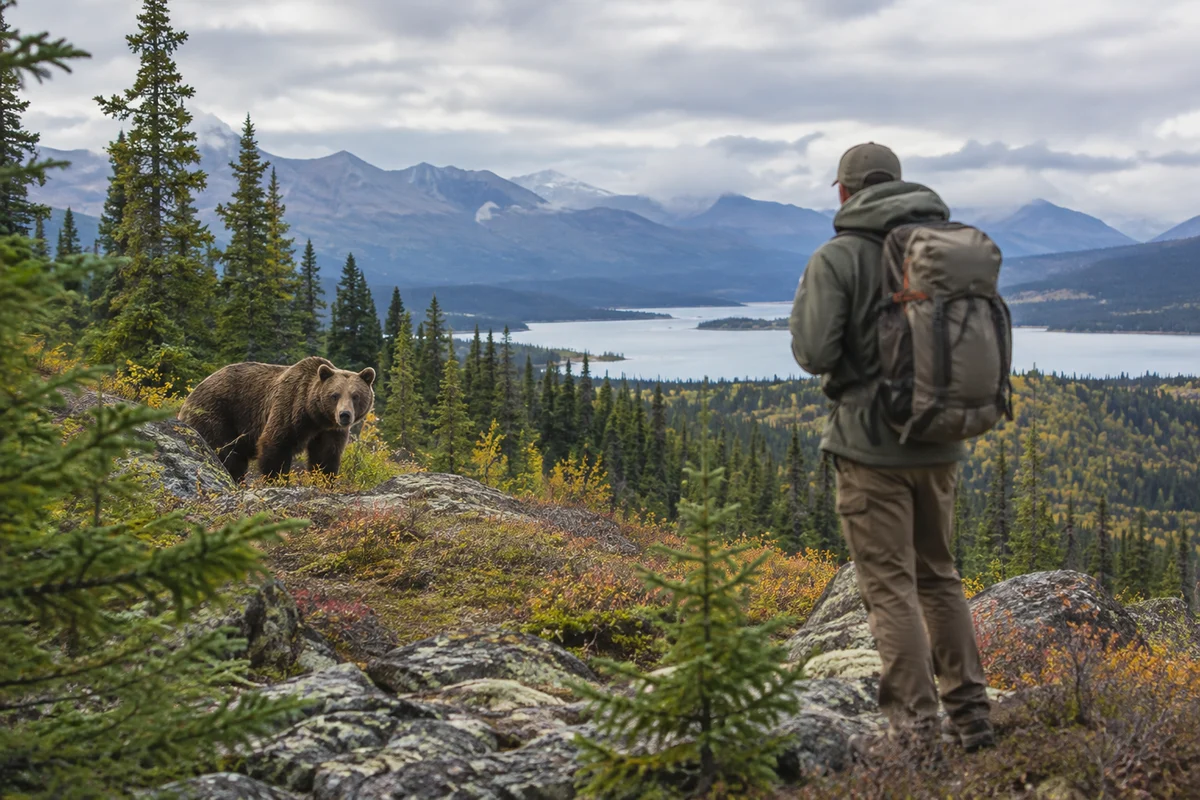
Distance is only one factor, and no equipment label can establish an individual’s ethical limit. Practice should take place in a lawful, controlled setting with suitable instruction and a safe backstop. If conditions or confidence are uncertain, declining the shot is a responsible decision. This is especially important in unfamiliar country, where steep terrain and changing weather may complicate recovery and safe access.
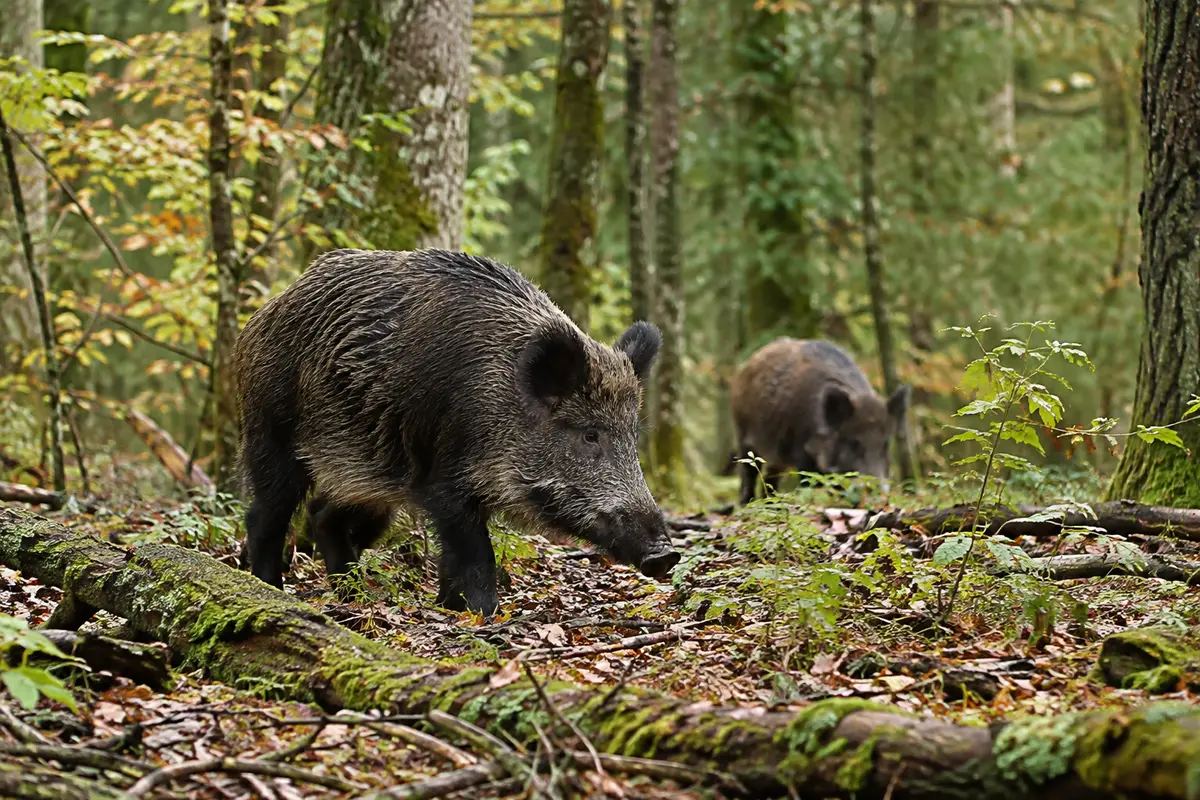
Hunters comparing different field roles can also read The Ideal Wild Boar Rifle, which addresses a distinct hunting context. Its subject should not be treated as a recommendation that one rifle configuration fits every species or landscape.
What should be checked before a lawful hunt?
Regulations are jurisdiction-specific and can change. Check the relevant wildlife agency’s current rules for the location and season, including permitted methods, firearm and ammunition restrictions, licensing, transport, and any special-area requirements. Confirm that the exact firearm configuration is lawful for the intended hunt; do not rely on a general summary or a rule from another state.
A practical pre-hunt review can include:
- Confirming the firearm’s identity, chambering, condition, and manual.
- Verifying ammunition compatibility from manufacturer documentation, without relying on appearance alone.
- Reviewing current state or local regulations for the specific species and area.
- Planning safe transport and secure storage, including during stops and overnight stays.
- Making sure every person handling the firearm understands safe direction, trigger discipline, and the need to identify a target and what lies beyond it.
For broader big-game context, our coverage of record claims and elk verification in Saskatchewan illustrates why official categories and documentation matter when evaluating hunting-related claims. It is not a substitute for current regulations or a guide to rifle specifications.
How does responsible storage fit into the picture?
Secure storage is part of firearm safety at home, at camp, and during travel. Keep firearms inaccessible to unauthorized people, particularly children, and use a locked storage method suited to the setting. Follow applicable laws and the manufacturer’s instructions for storage and transport. Store ammunition securely and separately where required or appropriate, and verify the firearm’s condition before handling it.
The essential point is straightforward: know the exact rifle, use its documentation, follow the law where you are, and make safety and ethical judgment more important than equipment claims. A Savage 110 High Country may be considered for big-game hunting, but suitability depends on the specific configuration, the hunter, and the conditions—not on the model name alone.
Frequently asked questions
Are all Savage 110 High Country rifles configured the same way?
No. Chamberings and other details can vary by version and production year. Confirm the exact rifle’s markings and consult its manual and Savage’s official product information.
Is the Savage 110 High Country automatically suitable for long-range hunting?
No. A model name does not establish a safe or ethical shooting distance. Hunters must follow the law, use qualified instruction, account for conditions, and refrain from shots beyond their demonstrated ability.
What should I verify before taking one hunting?
Identify the exact configuration, review its manual, confirm safe condition and ammunition compatibility, and check current regulations for the specific location, species, and season.
Sources & further information
Consult these primary sources for current regulations, technical information and local guidance.