Leatherwood ART: Understanding the M1200 and LXR Scope Name
Leatherwood ART refers to a family of optics associated with combining target ranging and elevation adjustment. This guide explains the concept, the uncertainty around M1200/LXR naming, and what to check before handling or using a specific optic.
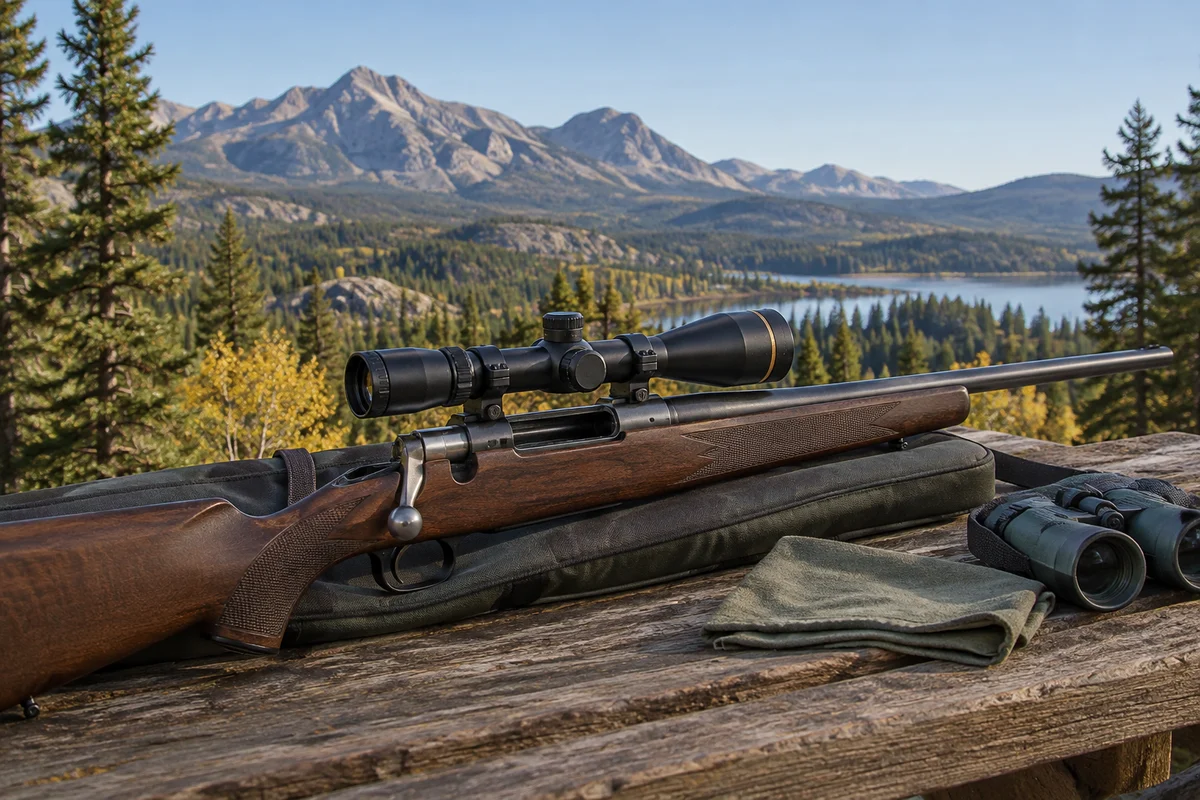
Leatherwood ART is a name associated with a distinctive riflescope concept: using a target’s apparent size to support range estimation and elevation adjustment. The legacy phrase “M1200 ART LXR” can be difficult to pin to one exact model from the name alone, so the useful first step is separating the general ART idea from the specifications of any particular optic. Here is how to understand the terminology, what the system can and cannot tell you, and how to approach it safely and lawfully.
What does Leatherwood ART mean?
ART is commonly expanded as “Adjustable Ranging Telescope.” In broad terms, the design links a ranging reference in the optic with an elevation adjustment, rather than treating those as entirely separate tasks. The shooter uses a known or estimated target dimension as a reference; the optic’s calibrated mechanism is intended to help translate the target’s apparent size into a distance-related setting.
That description explains the idea, not the exact operation or capability of every Leatherwood-branded optic. The name may appear with different model identifiers, generations, or configurations. M1200 and LXR should therefore be treated as labels that need confirmation against the specific scope’s markings and documentation—not as enough information to infer magnification, adjustment range, reticle details, or compatibility.
This distinction matters because product names can persist across revisions, and used equipment may be missing its original manual or have been paired with different accessories. Begin with the name engraved on the optic, any serial or model marking, and the manufacturer documentation that matches those details. The broader context for firearm-related topics is collected in the ODU Magazine guns hub, which is informational rather than a source of product offers.
How does the ART ranging concept work?
A conventional scope gives a magnified sight picture and a means of aligning the reticle with a point of aim. A ranging reticle adds references that can help estimate distance when the target’s dimensions are known. An ART-style system is associated with connecting a size-based ranging reference to an elevation adjustment, so the user does not have to treat estimating range and setting elevation as wholly independent steps.
The method depends on assumptions. The target dimension must be known with reasonable confidence, the correct reference must be used, and the optic must be set up as its manual specifies. If the target is partly obscured, angled, unusually proportioned, or simply misidentified, the apparent-size estimate can be wrong. A marked scale is not a direct measurement of distance and cannot compensate for a mistaken input.
Nor does an elevation dial or cam make a shot certain. Ammunition, rifle configuration, sight alignment, environmental conditions, and the condition of the optic can all matter. Do not infer a usable firing solution from the model name or a general description online. For context on how a separate optical instrument approaches distance measurement, see our overview of the Leica CRF 1000-R rangefinder; it is a different kind of device, not a substitute manual for an ART scope.
What should you verify about an M1200 or LXR?
Treat “M1200 ART LXR” as a prompt to identify the exact item, not a complete specification. Record the complete markings and compare them with documentation from the manufacturer or the scope’s original manual. Confirm whether the document applies to that exact model and revision. If there is no reliable match, do not assume that instructions for a similarly named ART optic apply.
Useful details to verify include the reticle type, the units and direction of adjustment, the target dimension used for ranging, the intended mounting arrangement, and any calibration requirements stated by the manufacturer. These are model-dependent facts; guessing them can lead to incorrect use. Check whether the optic has damage, loose controls, cloudy or shifted optics, or other signs that call its condition into question. A qualified firearms professional can assess equipment that appears damaged or whose setup is unclear.
Keep documentation with the optic when possible, and avoid relying on old forum posts or copied descriptions as substitutes for model-specific instructions. If a listing, label, or informal account uses “M1200,” “ART,” or “LXR” inconsistently, the mismatch is a reason to pause and verify—not evidence that all versions share the same features.
What are the system’s practical limits?
The central limitation is dependence on a valid target-size reference. Range estimation from apparent size is only as dependable as the assumed dimension and the user’s ability to read the reference correctly. A distant or partly hidden target, poor visibility, or an unfamiliar reticle can make interpretation harder. Mechanical condition and correct setup matter too: a system that has shifted, been damaged, or been incorrectly matched to a rifle may not behave as its documentation describes.
An optical ranging aid also does not establish that a shot is safe, ethical, or lawful. It cannot identify what lies beyond a target, guarantee a clear background, or decide whether conditions are appropriate. In hunting, the relevant species, season, method, location, and permitted equipment are determined by current rules from the responsible wildlife agency. Verify those rules directly before any outing.
It helps to distinguish an optic’s intended function from claims about performance. Public descriptions can explain the design family, but without the exact manual and a sound setup they cannot confirm a particular unit’s calibration or present condition. This is why an ART label should be treated as an identification clue rather than a promise of a specific result.
How should firearm safety shape use and storage?
Follow the four basic safety principles every time: treat every firearm as loaded; keep the muzzle pointed in a safe direction; keep your finger outside the trigger guard until ready to fire; and be certain of your target and what is beyond it. An optic does not change these responsibilities. Handle, transport, and store the firearm according to applicable law and the firearm manufacturer’s instructions.
For storage, keep firearms secured against unauthorized access, with ammunition stored separately where required or appropriate. Use a secure locking method suited to the firearm and household circumstances, and take particular care around children and visitors. Never leave a firearm unattended while examining or adjusting an optic. If a setup question requires handling the firearm, first follow its manual’s safe-unloading procedure; do not improvise if you cannot identify the controls or verify its condition.
For hunting or sport use, follow local rules and use the equipment only in lawful settings. Regulations differ by jurisdiction and can change. The Henry .30-30 overview provides an example of how a rifle’s general context differs from the instructions and rules that govern an individual firearm and outing; it does not establish compatibility with a Leatherwood optic.
What is the best way to assess one today?
Use a simple verification sequence: identify every marking; locate the matching manufacturer manual; confirm the manual’s model and revision; inspect the optic’s condition; and follow the stated safety, setup, and maintenance guidance. If a required detail cannot be confirmed, do not substitute assumptions from another model. Ask a qualified professional to resolve uncertainty before the firearm is used.
The durable takeaway is that Leatherwood ART describes an approach to combining optical ranging references and elevation adjustment, while “M1200” or “LXR” alone may not settle the exact configuration. Understanding that distinction lets readers assess the concept without mistaking a name for a verified specification. Safe handling, secure storage, manufacturer documentation, and current local rules remain essential regardless of which optic is involved.
Frequently asked questions
What does ART mean on a Leatherwood scope?
ART is commonly expanded as Adjustable Ranging Telescope. It describes a scope concept associated with linking a target-size ranging reference to elevation adjustment; exact features depend on the specific model and its manual.
Does “M1200 ART LXR” identify one confirmed set of specifications?
Not by itself. Verify the complete markings and match them to manufacturer documentation for the exact model and revision before relying on any specifications or setup guidance.
Can an ART scope determine whether a shot is safe or lawful?
No. An optic cannot assess the target’s surroundings, make an ethical decision, or establish legal compliance. Follow firearm safety principles and check current rules with the responsible local authority.
Sources & further information
Consult these primary sources for current regulations, technical information and local guidance.