Meopta Optika HD Binoculars: A Field-Use Guide
A practical guide to evaluating the Meopta Optika HD binoculars name through the optical details that matter in the field. Learn what specifications reveal—and what “HD” alone cannot tell you.
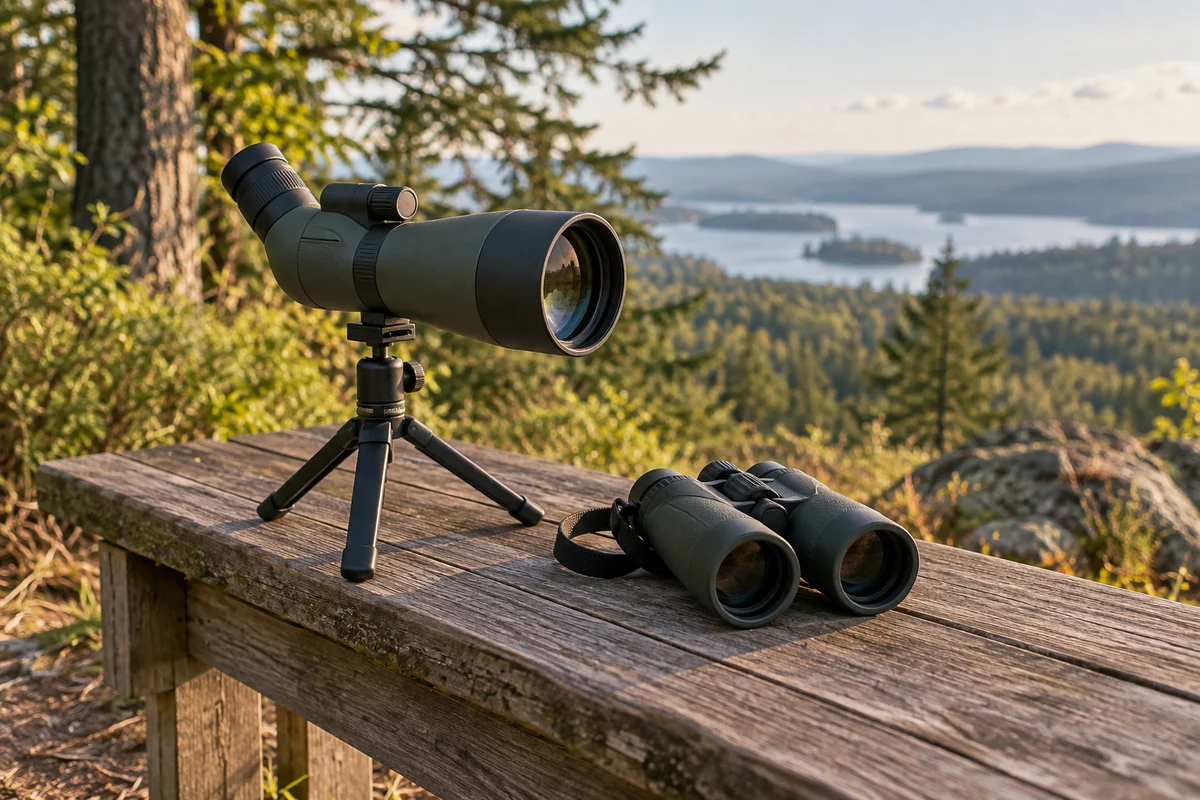
Meopta Optika HD binoculars are best understood by looking past the family name and comparing the specifications that shape a real view. “HD” is not a complete technical description: it does not, by itself, establish magnification, objective size, field of view, eye relief, weight, or performance in dim conditions. For birding, scouting, and lawful hunting use, those details—and how the binoculars fit your eyes and routine—matter more than a label.
This guide explains what to check when assessing an Optika HD configuration, how to interpret common binocular specifications, and where to confirm product-specific information. It does not assume that every model or configuration shares the same features. Meopta’s official site is the appropriate starting point for current model names, manuals, and published specifications.
What does “HD” tell you about these binoculars?
The term “HD” is used across the optics industry, but it is not a universal measurement or guarantee of a particular image quality. It may be part of a manufacturer’s product naming or describe an optical design, yet the label alone cannot tell you how a binocular performs in every setting. Treat it as a prompt to look up the exact model rather than a substitute for its technical details.
Start with the complete model designation. Similar product-family names can cover configurations with different magnification or objective-lens diameters. Confirm the precise combination on the manufacturer’s product information or in the manual; do not infer it from a retailer-style headline, a photograph, or a shortened name. If a model page does not clearly identify a feature, regard that feature as unknown rather than assuming it is included.
For the Meopta Optika HD binoculars, a useful comparison begins with four questions: What is the magnification? What is the objective-lens diameter? How wide is the stated field of view? And what are the eye-relief and close-focus figures? These are concrete, comparable characteristics. They are more useful than broad promotional language when deciding whether an optic suits a particular kind of observation.
How do magnification and objective size affect field use?
Binocular specifications commonly use a pair of numbers, such as 8×42 or 10×42. The first number indicates magnification: an object appears larger through the binocular than to the unaided eye. The second is the diameter of the objective lenses, usually stated in millimeters. Do not assume either number for a particular Optika HD model without checking its exact specification.
Higher magnification can help distinguish distant detail, but it also makes hand movement more noticeable and usually narrows the view compared with a lower-powered configuration in the same design family. A wider field can make it easier to locate and follow a moving bird or scan a broad area. For a stationary observation from a rest, the trade-offs may feel different than when glassing on foot. There is no single best magnification for every landscape or observer.
Objective size affects how much light can enter the instrument, but it is only one part of low-light performance. Lens and prism design, coatings, alignment, the observer’s eyesight, and viewing conditions all matter. A larger objective can also mean more bulk. Compare the whole configuration and its stated weight, not just the largest number in a specification table.
Which specifications deserve a close look?
Field of view describes how much of the scene is visible at a stated distance or angle. Check the units and the conditions used, since manufacturers may express it differently. A broad view is useful for scanning and tracking; a narrow view may make initial locating more demanding, even if magnification is higher.
Eye relief is especially important for people who observe while wearing glasses. It describes how far the eye can be from the eyepiece while still seeing the full image. Read the manufacturer’s figure, then check whether the eyecups can be positioned comfortably. A stated number is a useful screening measure, but individual fit still matters.
Close focus is relevant for nearby wildlife, insects, or details around camp. For distant landscape observation, it may be less important. Also note the binocular’s dimensions, weight, focusing arrangement, weather-resistance statements, and warranty terms when those are listed. Distinguish published facts from assumptions: if a specification is missing, check the official product page or manual rather than filling the gap from another model in the family.
How can you judge fit and image usability?
If possible, evaluate the view in a calm, familiar setting before depending on any binocular in the field. Set the eyecups for your eyes and follow the manual’s directions for adjusting focus and diopter. These are ordinary user adjustments, not a reason to force a control that feels stuck. Look for a full image without dark crescents at the edges, comfortable eye placement, and a focus wheel that can be reached without shifting your grip excessively.
Then try a range of scenes: a nearby object, a distant stationary detail, and a moving subject. Notice whether you can find the subject promptly, hold the view steadily, and refocus without strain. If you wear glasses, repeat the check with them on. Differences in face shape, eyesight, and hand steadiness affect comfort, so another person’s impression is not a substitute for your own fit check.
For field use, consider carrying comfort as carefully as optical performance. A binocular that is awkward to bring up or tiring to hold may be less useful over a long walk. Use a secure strap or case appropriate to the maker’s instructions, keep the lenses protected from grit, and clean them only with suitable materials. Avoid wiping dust across a lens with a dry, rough fabric.
What should hunters and outdoor observers keep in mind?
Binoculars help observe wildlife and terrain; they do not establish that a distant object is safe, legal, or appropriate to act upon. In hunting settings, identify the animal and what lies beyond it with certainty, and follow local laws, seasons, and firearm-safety practices. If visibility or identification is inadequate, do not take a shot. Optics support careful observation; they do not replace judgment or safe handling.
A binocular is also distinct from a riflescope. The former is a handheld observation tool; the latter is mounted to a firearm and serves a different role. Readers comparing kinds of sporting optics can see this overview of a Burris riflescope model, while keeping in mind that a scope article cannot establish binocular specifications. For another example of how equipment categories differ, this Bergara chassis-rifle overview concerns a firearm platform, not a binocular configuration.
For broader informational material on sporting arms and outdoor context, visit the ODU Magazine guns topic hub. Follow the applicable laws and the product manual, and store firearms securely and separately from casual access. Binoculars themselves should be carried and maintained according to their maker’s directions.
How should you verify an Optika HD model before relying on it?
Use a short verification checklist:
- Confirm the complete model name and configuration on Meopta’s official site or in its manual.
- Record the published magnification, objective diameter, field of view, eye relief, close focus, and weight, where available.
- Check the manual for focus, diopter, eyecup, care, and weather-resistance guidance; do not assume one model’s instructions apply to another.
- Assess fit with your own eyesight and, if relevant, your glasses.
- Consider the terrain, light, expected observation distance, and how long you will carry the binoculars.
The practical takeaway is simple: evaluate the named model, not just the “HD” wording. Verified specifications and a comfortable view provide a clearer basis for judging whether a particular Meopta Optika HD configuration suits your outdoor use. Where public product details are incomplete or have changed, consult Meopta directly and use the current manual rather than relying on an old headline or an assumed family-wide feature set.
Frequently asked questions
Does “HD” specify the magnification of Meopta Optika HD binoculars?
No. “HD” alone does not identify magnification or objective size. Confirm the complete model designation and specifications through Meopta’s official product information or manual.
What matters most when evaluating binoculars for hunting or wildlife observation?
Compare magnification, objective diameter, field of view, eye relief, close focus, and weight, then assess comfort and image usability with your own eyesight and intended setting.
Can binoculars replace a riflescope or safe identification practices?
No. Binoculars are observation tools, not a substitute for a riflescope or for positive identification, lawful conduct, and safe firearm handling.
Sources & further information
Consult these primary sources for current regulations, technical information and local guidance.