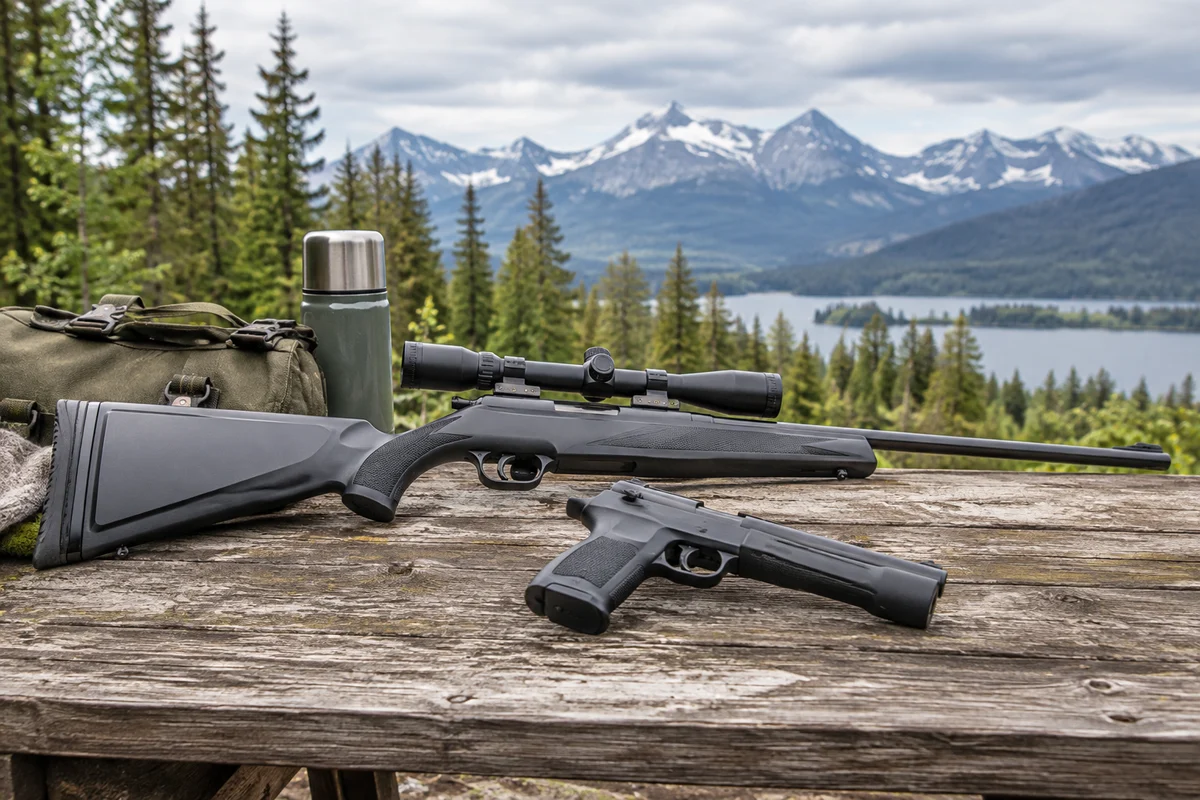
Old Remington Model 514: A Guide to Its Design and History
The Remington Model 514 is best understood through its simple single-shot format, clear identification, and careful, safety-first preservation. Here is how to research one without guessing at its exact configuration or history.
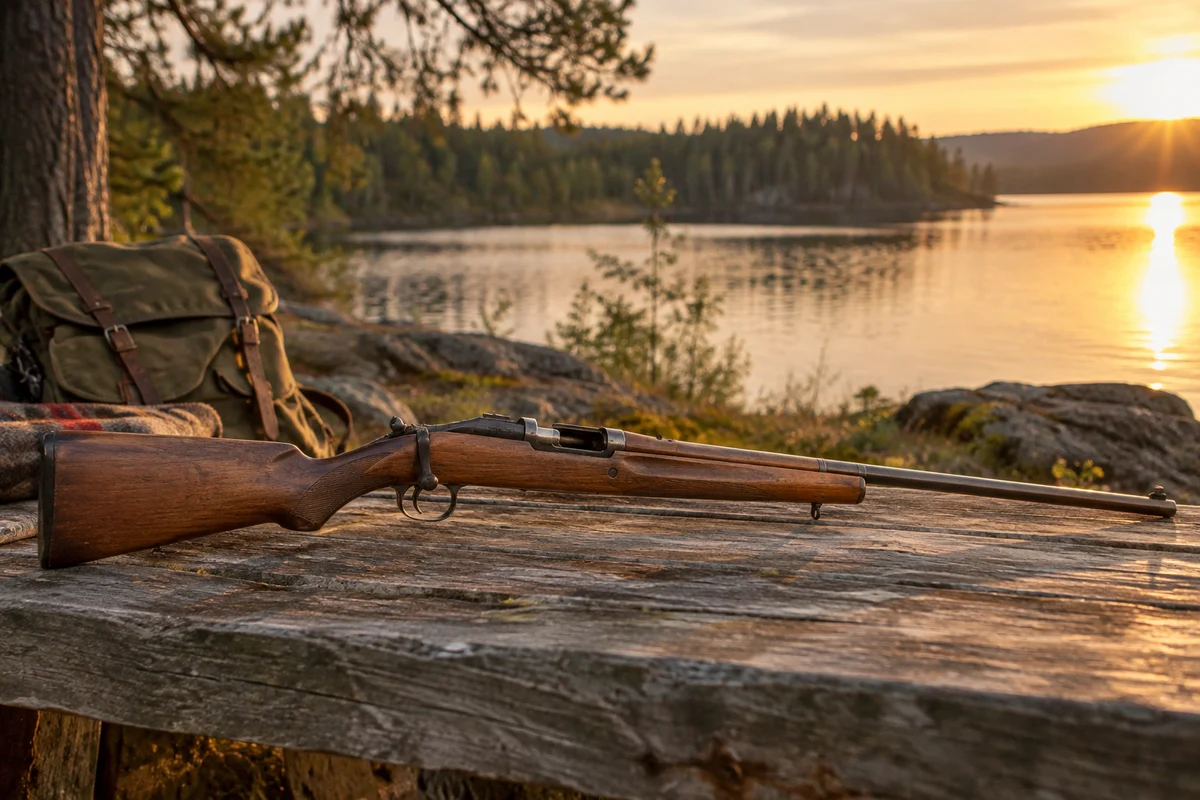
The old Remington Model 514 is generally identified as a single-shot, bolt-action rimfire rifle. That basic description helps place it among modest, manually operated sporting arms, but it does not establish the chambering, production date, condition, or history of any particular example. Those details require close attention to markings and, when needed, assessment by a qualified professional.
For an older firearm, the useful questions are practical: What can its markings reliably tell you? What should you avoid assuming from appearance alone? And how can it be treated responsibly today? This guide covers those points as historical and safety information, not as instructions for operating or altering a firearm.
What is the Model 514’s basic design?
The Model 514 is commonly described as a single-shot bolt-action rifle. “Single-shot” means its design is organized around one cartridge at a time rather than a repeating magazine system. “Bolt-action” identifies the broad action type. Those terms provide a useful starting point, but they are not a substitute for the markings and documentation associated with a specific rifle.
The model’s straightforward format is part of its historical interest. A manually operated single-shot rifle can illustrate how a firearm’s action, stock, sights, and other features fit together as a sporting design. It also makes the Model 514 distinct from more complex repeating rifles. For wider context on traditional sporting-rifle design, see this overview of the Dakota Arms Model 76, while keeping in mind that it is a separate model with its own history and configuration.
Do not infer a particular cartridge from the model number or a resemblance to another rifle. Older firearms can have variations, replaced parts, or incomplete records. If a marking is worn, unclear, or inconsistent with the firearm’s apparent configuration, stop short of treating a guess as confirmation.
How can you identify an old Model 514?
Start with a visual record rather than handling the firearm. Photograph the full rifle and any visible maker, model, and serial markings only when that can be done without disturbing an unknown firearm. Do not manipulate the action, attempt to check a chamber, or handle a firearm whose condition or status is uncertain. Keep people away and seek help from a qualified firearms professional or local law-enforcement agency for safe next steps.
Record markings exactly as they appear, including punctuation and spacing. A model designation can support an identification, while serial markings may help a qualified researcher consult reliable records. Neither should be used alone to declare a production year or prove that all parts are original. Stocks, sights, finishes, and small components can change over a firearm’s lifetime, and similar-looking features are not proof of a particular factory configuration.
Documentation is most useful when it is specific to the individual rifle: a dated family record, a credible period catalog, or a manufacturer resource that clearly applies to the model. Compare sources carefully; a broad description of the Model 514 cannot establish the details of an individual example. If the evidence conflicts, preserve the uncertainty instead of filling gaps with a confident-sounding story.
What should you avoid assuming about chambering and condition?
Do not rely on the rifle’s appearance, a seller’s old note, or a cartridge that seems to fit as proof of chambering. The markings and condition must be evaluated by someone qualified to do so. Ammunition compatibility is a safety-critical matter, and a cartridge should never be used as a test. SAAMI provides general information on ammunition and firearm standards, but the correct determination for an individual firearm still requires competent, model-appropriate assessment.
Condition also cannot be judged from photographs alone. Corrosion, wear, past repairs, damage, or an unknown alteration may affect safe status in ways that are not obvious. Avoid trying to make an older rifle “work” or to correct a suspected fault yourself. Do not fire it unless a qualified professional has assessed it as safe and the applicable rules are followed.
These cautions are especially important when a firearm has been stored for years or inherited without a clear account of its history. Treat an uncertain firearm as potentially loaded, do not point it at anyone, and avoid unnecessary handling. Arrange for responsible assistance rather than attempting an inspection that requires operating it.
What is the Model 514’s place in outdoor history?
A single-shot rimfire rifle represents one approach to sporting use: a relatively simple platform suited to careful, deliberate handling. Historically, firearms of this broad type have been associated with introductory marksmanship and small-game settings, but that general context should not be mistaken for a claim about every owner’s use or every Model 514’s original purpose. The individual rifle’s documentation is the better guide to its own story.
The model can also be compared with other long guns without collapsing their differences. A classic sporting rifle and a break-action shotgun serve different roles and have different mechanical designs; the Franchi Instinct LX overview provides a separate example of how shotgun design is discussed. Such comparisons are useful for understanding categories, not for deciding that one firearm is interchangeable with another.
When researching the Model 514, distinguish verified details from recollection. Family stories may offer valuable leads, but dates and ownership claims are stronger when supported by contemporaneous records. Avoid repeating a specific year, production total, or original configuration unless a reliable source directly supports it.
What safety and legal points matter now?
Safe storage and lawful possession are responsibilities that apply regardless of a firearm’s age or collectability. Keep firearms secured against unauthorized access, particularly by children and anyone who is not legally permitted to possess them. Storage choices should account for local requirements, the firearm’s condition, and the circumstances of the household. Seek qualified guidance if an older firearm’s safe status is unknown.
Firearm laws differ by location and can cover possession, transfer, transport, storage, and hunting. A rifle’s historic age does not by itself establish an exemption or permission to use it. Before any lawful sporting use, consult current rules from the relevant state wildlife or law-enforcement agency, and confirm that the firearm has been professionally assessed as safe. The Pennsylvania Game Commission is one example of an official state source; its rules apply in Pennsylvania, not everywhere.
This article is informational and does not establish that a specific Model 514 is safe to use or lawful in a particular situation. For broader context on how outdoor firearm topics are covered, visit the ODU Magazine guns hub, which focuses on history, design, safety, and legal awareness.
How should an old Model 514 be documented or preserved?
Preserve the rifle’s context as carefully as its physical condition. Keep available paperwork, family notes, and photographs together, and label memories as recollections rather than confirmed facts. Write down the exact wording of markings without adding a guessed date or configuration. If a qualified professional provides an assessment, retain the documentation and clarify what it does—and does not—establish.
Do not clean, refinish, disassemble, or replace parts simply to make the rifle look newer. Such changes can obscure evidence of its history and may create safety concerns. Ask a qualified conservator or firearms professional for advice appropriate to the material and condition, especially if there is visible deterioration. Any preservation decision should prioritize safe storage and avoid altering the firearm unnecessarily.
A sound account of an old Remington Model 514 does not need a dramatic origin story. It needs accurate identification, careful distinction between general model information and rifle-specific evidence, and responsible treatment. Where records are incomplete, saying “unknown” is more useful than presenting an unsupported detail as fact.
Frequently asked questions
Is the Remington Model 514 a single-shot rifle?
It is generally identified as a single-shot, bolt-action rimfire rifle. Confirm the identity and configuration of an individual firearm from its markings and qualified documentation rather than appearance alone.
Can the model name establish the correct ammunition?
No. Do not infer chambering from the model name, appearance, or a cartridge that seems to fit. Have a qualified professional assess the markings and firearm before any ammunition-related decision.
Is an old Model 514 automatically exempt from current firearm laws?
No. Age alone does not establish a legal exemption. Requirements vary by location, so consult the relevant current state or local authorities about possession, storage, transport, and any sporting use.
Sources & further information
Consult these primary sources for current regulations, technical information and local guidance.