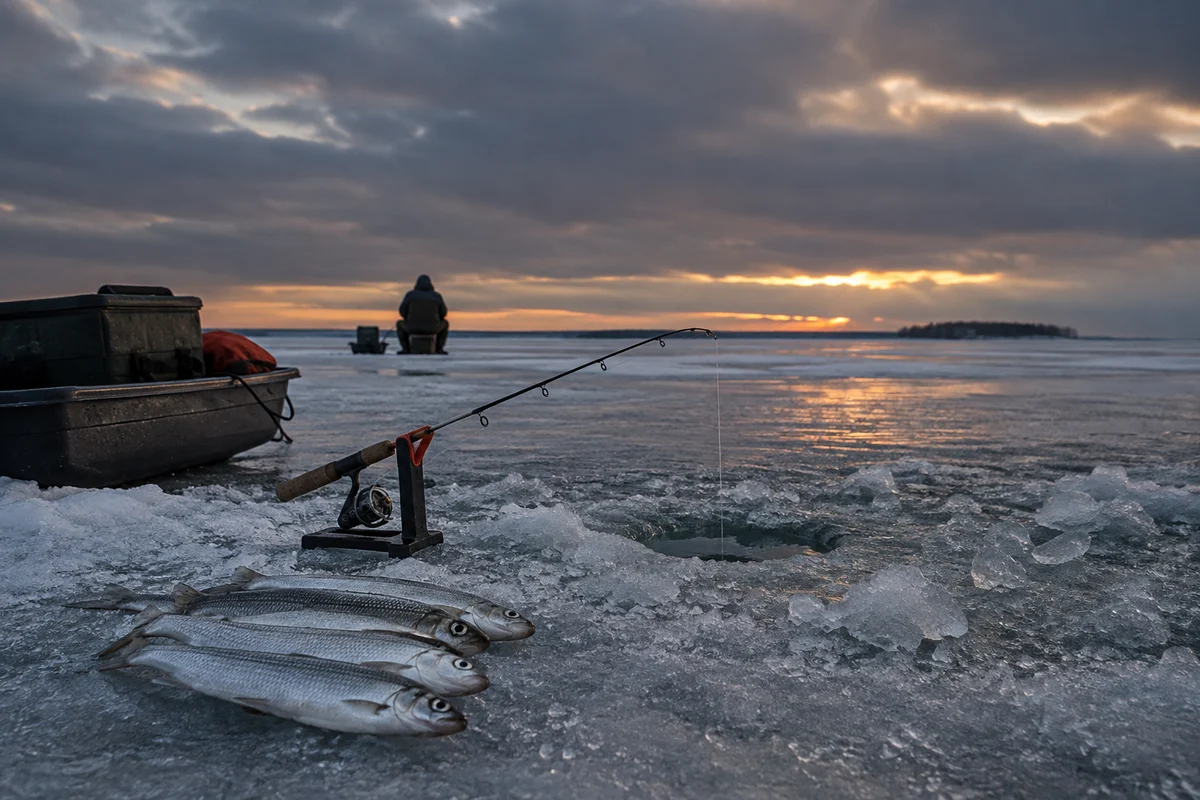
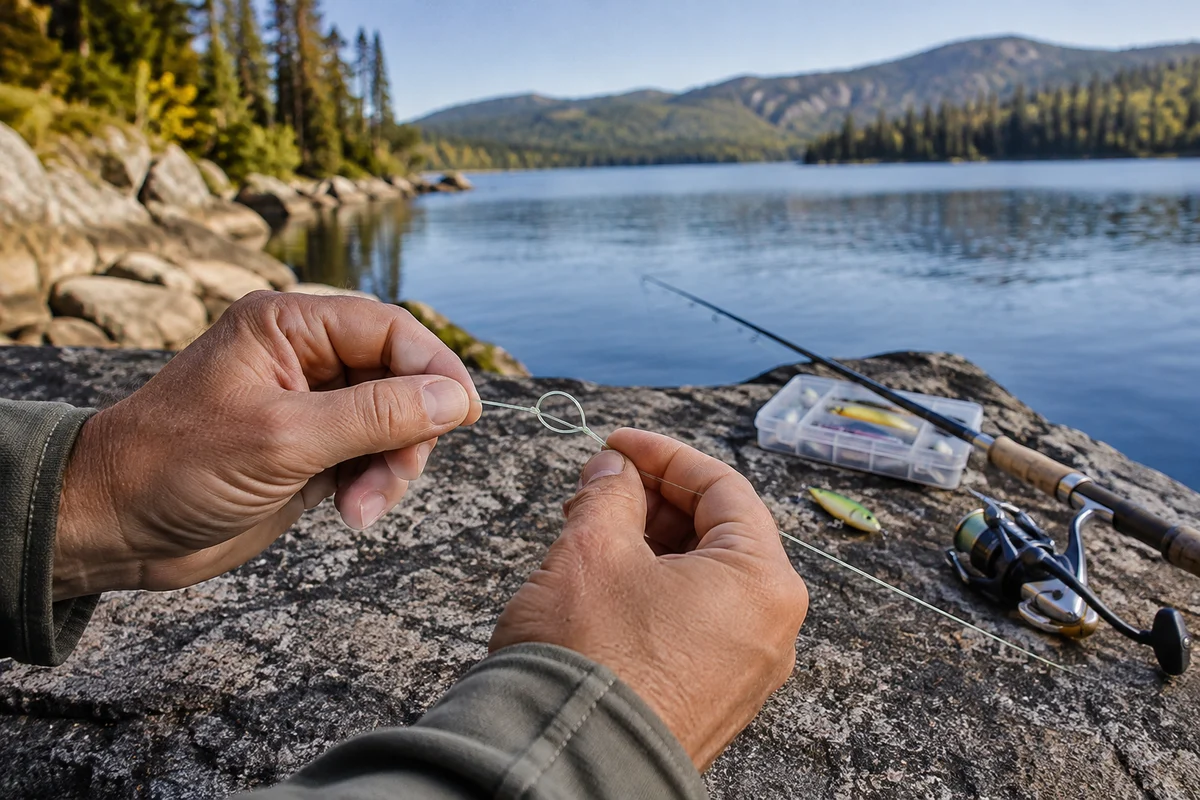
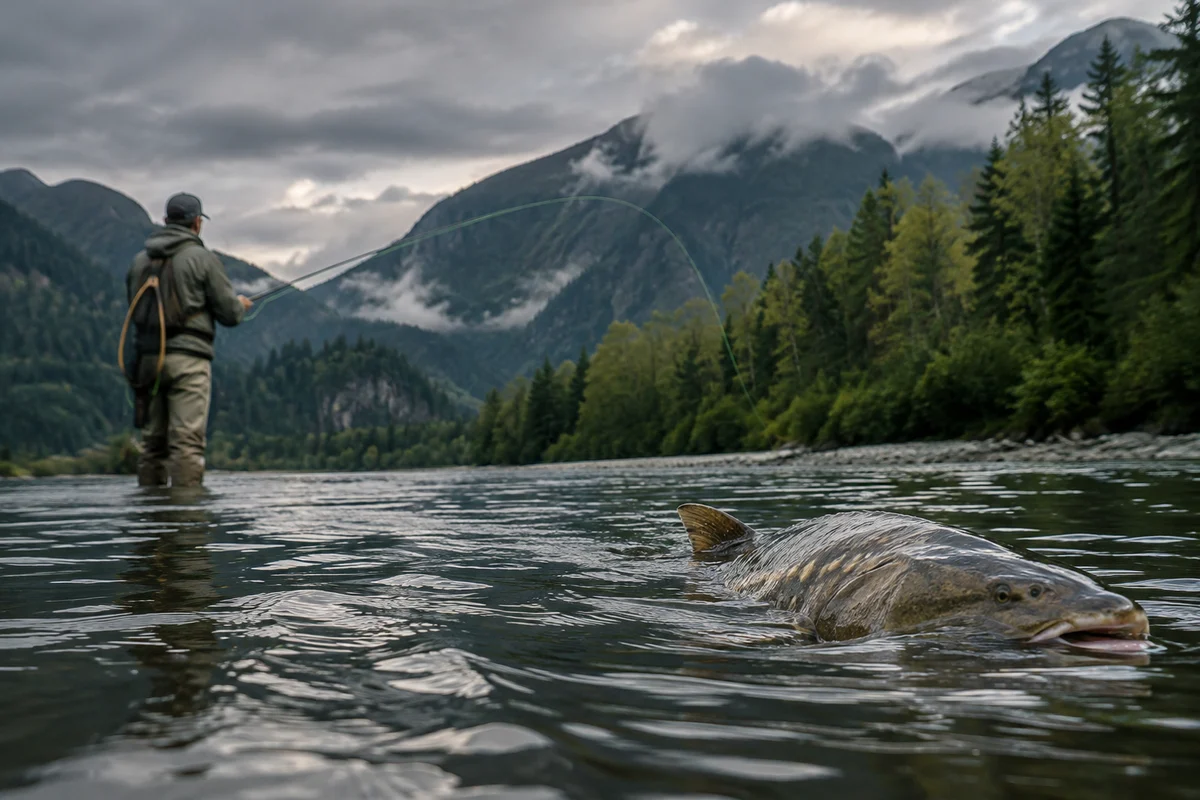
A Field Guide to Freshwater Fish in Maine
Maine’s lakes, rivers, ponds, and streams hold a wide range of native and introduced freshwater fish. Use habitat, season, and reliable identification clues to understand what you may encounter—and check current rules before keeping a catch.
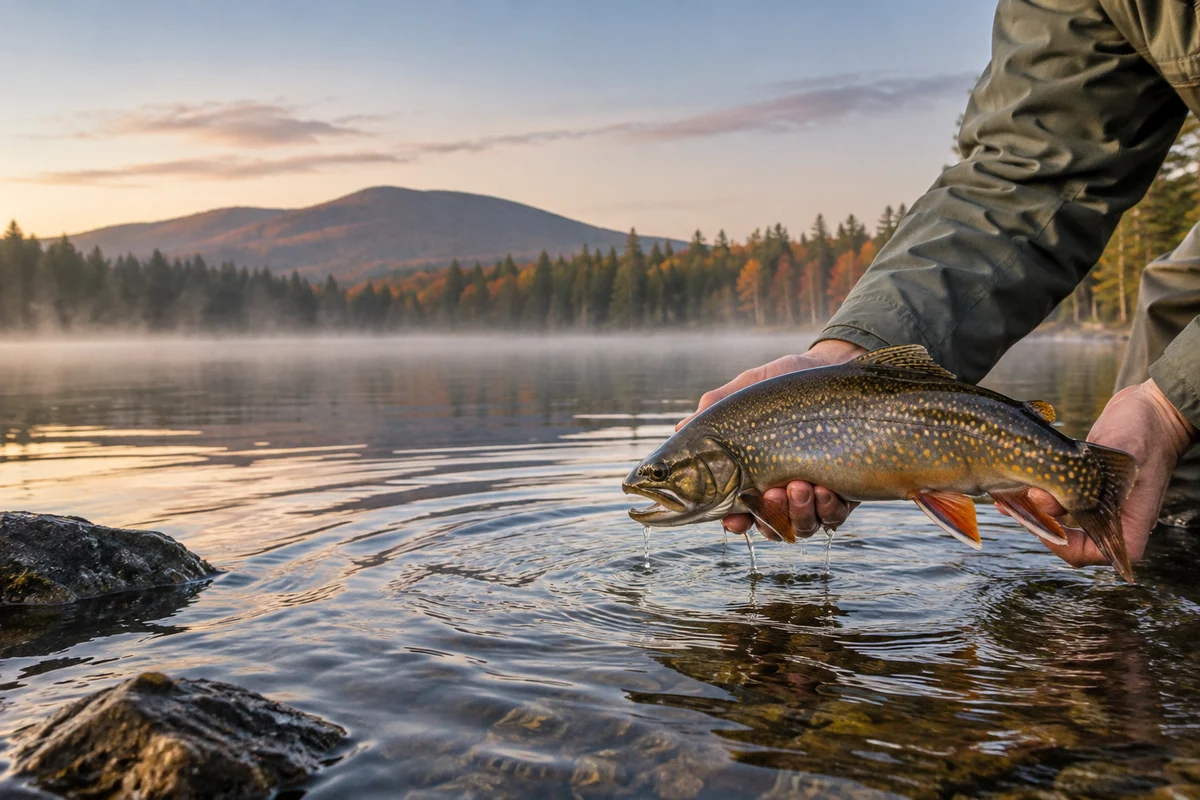
Maine’s freshwater fish include cold-water specialists, warm-water predators, and species that thrive in the state’s many lakes and rivers. Learning to recognize freshwater fish in Maine is more useful when you connect identification with habitat: water temperature, depth, current, cover, and season all influence which fish are likely to be present. A field guide can narrow the possibilities, but current Maine regulations—not an informal list or an old report—determine what you may keep.
The state’s waters are varied. A deep, cool lake is different from a shallow weedy pond, and a fast stream offers different conditions from a broad river. That variety supports familiar groups such as trout, salmon, bass, perch, pickerel, and sunfish, alongside less commonly encountered species. The precise mix varies by waterbody; never assume that a fish occurs in a particular lake simply because it is found elsewhere in Maine.
Start with habitat, not just color
Color can change with light, water clarity, season, and the fish’s condition. Instead of relying on a single marking, notice the whole setting and a few stable features. Is the fish in a cold, clear lake or a warm, weedy cove? Does it have a forked tail, a broad mouth, a small mouth, or a distinct pattern of spots or bars? These clues help sort fish into likely groups before you consult a current regional guide.
Cold-water fish such as brook trout and landlocked salmon are associated with suitable cool-water habitat, although their distribution and presence vary among waters. Bass, pickerel, and sunfish are often associated with warmer conditions and cover such as weed edges, submerged wood, or rocky shallows. Yellow perch can occupy a range of lake and pond habitats. These are broad tendencies, not guarantees: depth, weather, water quality, and local management all matter.
If you are exploring fishing methods for different settings, the freshwater fishing tips hub is a useful starting point. For a separate look at how water conditions can shape an outing, see this guide to lake effect fishing. Treat any general habitat description as a clue to investigate, not proof of what a specific water contains.
A practical identification framework
Work through the following checks before deciding what you have. If the fish is small, damaged, unusually colored, or hard to view, avoid making a keep-or-release decision based on a guess. Use an authoritative guide or ask the appropriate state fisheries office for help.
| What to check | Useful observation | Why it helps |
|---|---|---|
| Waterbody and habitat | Lake, pond, stream, or river; depth, current, weeds, rocks, or shade | Narrows the set of plausible species without proving identity |
| Body shape | Slender, deep-bodied, or elongated; note the head and mouth | Helps distinguish broad fish groups |
| Markings | Spots, bars, mottling, or a plain flank; note where marks occur | Patterns can support identification, but may vary |
| Fins and tail | Overall shape and position; look for distinctive features | Adds evidence beyond color alone |
| Local reference | Current state guide or a knowledgeable fisheries contact | Helps confirm the species and applicable rules |
Observe the fish in the water when possible and handle it as little as practical. If you need a photo for identification, take a clear image without delaying release or compromising the fish’s welfare. Avoid using a fish’s apparent size, color, or location as the only basis for a species identification.
Common groups you may encounter
Maine anglers commonly discuss trout and salmon, bass, perch, pickerel, and sunfish, but the name of a group is not enough to identify an individual fish or determine the rules for a specific water.
- Trout and salmon: These fish are often associated with cooler water, though habitat and management vary. Markings and body form can be helpful, but closely related fish may be difficult to separate by casual observation.
- Bass: Smallmouth and largemouth bass are both part of freshwater fishing conversations. Habitat and body shape can suggest which is present, but check a current identification reference if you are unsure.
- Perch and sunfish: These fish are often found around varied lake and pond structure. Several species can look alike to a new observer, so compare multiple features rather than relying on one color patch.
- Pickerel: An elongated body and toothy appearance are clues to this group. Do not handle a fish carelessly; wet hands and appropriate tools reduce harm and injury risk.
Species presence and regulations can differ from one water to another, including waters with special rules. For broader perspective on how anglers think about destination choice, see our overview of best fishing destinations. The article is a general travel-and-fishing discussion, not a species inventory for Maine.
Before keeping a fish: verify the water-specific rules
Maine fishing regulations can depend on the exact water, species, season, fishing method, and whether the water has special provisions. Regulations may change, and summaries copied into old articles can become outdated. Before fishing, consult the current Maine Department of Inland Fisheries and Wildlife rules for the precise waterbody and the fish you are targeting. Check season dates, length or bag limits, gear restrictions, and any special water-specific provisions. If a fish’s identity is uncertain, do not keep it on the assumption that a general rule applies.
A simple pre-trip checklist:
- Identify the exact lake, pond, river section, or stream—not just the nearest town.
- Find the current official regulation entry for that water and relevant species.
- Confirm season, size, daily limit, and any special method or gear rules.
- Carry a current identification reference and check the fish before deciding to retain it.
- When uncertain, release carefully and contact the state agency for clarification.
This approach is especially important when fishing unfamiliar waters or when two similar-looking species may be subject to different rules. Regulations are legal requirements, not suggestions, and an old map or a remembered limit should not replace the current official source.
Respect fish and waters while exploring
Use wet hands when handling fish, minimize time out of water, and release fish promptly when you are not keeping them legally. Keep fish and bait from being moved between waters unless current rules explicitly allow it; transporting live organisms can spread invasive species or disease. Clean and dry boats, tackle, and other equipment as appropriate, and follow posted access guidance.
A dependable understanding of Maine’s freshwater fish comes from combining three things: careful observation, habitat context, and current official information. Field guides make identification more approachable, but no short article can list every species in every water or replace a regulation check. When a fish or rule is uncertain, pause and verify rather than relying on a hunch. That small habit helps protect fish populations and keeps a day on the water straightforward and responsible.
Frequently asked questions
What freshwater fish are commonly found in Maine?
Anglers commonly encounter or target groups such as trout, salmon, bass, perch, pickerel, and sunfish. The species present vary by waterbody, so check a current state reference for a particular lake or river.
How can I identify a freshwater fish in Maine?
Combine habitat and location with body shape, markings, mouth, fins, and tail. Confirm your observations with a current identification guide; color or location alone is not conclusive.
Where do I check Maine fishing seasons and limits?
Use the current Maine Department of Inland Fisheries and Wildlife fishing regulations and look up the exact waterbody and species. Rules can differ between waters and may change.
Should I keep a fish if I am unsure what species it is?
No. Do not rely on a guess to decide whether a fish may be kept. Release it carefully if appropriate and verify identification and rules with an authoritative source.
Sources & further information
Consult these primary sources for current regulations, technical information and local guidance.