Gun Myths, Examined: What Safety and Evidence Really Say
Common gun myths become easier to assess when claims are separated from evidence, context, and local law. This informational guide offers a practical framework for checking statements while keeping safe storage and responsible handling central.
Claims about firearms often circulate as simple rules: a particular feature makes every firearm safer, a certain action guarantees a desired result, or one anecdote settles a broad question. Many gun myths persist because a narrow truth gets stretched into a universal claim. A careful reader asks what the statement actually means, what evidence supports it, and which circumstances might change the answer.
This is an informational guide, not instruction in using, modifying, or selecting a firearm. Firearms should be handled only by people who can do so lawfully and safely, and local laws vary. For broader context, visit the guns topic hub, which gathers informational articles rather than purchase advice.
What makes a gun claim a myth?
A myth is not necessarily a statement that is wholly false. It may be an overgeneralization, an outdated claim, or a conclusion drawn from evidence that does not support it. For example, a rule that applies to one jurisdiction, design, or situation may be repeated as if it applied everywhere.
A useful first step is to turn a vague claim into a testable question. “This is always safe” is too broad to evaluate. Ask instead: safe under what conditions, for whom, and according to which authority? Distinguish a mechanical description from a safety recommendation, a legal requirement, or a personal preference. These are different kinds of claims and need different sources.
Myth-checking framework: a practical checklist
Use this sequence when you encounter a confident statement about firearms:
| Check | Ask | Why it matters |
|---|---|---|
| Define | What exactly is being claimed? | Broad wording can conceal exceptions. |
| Identify | Is this about law, safety, design, or opinion? | Each calls for a different kind of evidence. |
| Source | Who is responsible for the information? | Agencies, qualified safety organizations, and manufacturers have distinct roles. |
| Context | Does the claim specify location, model, and conditions? | Rules and product details can vary. |
| Verify | Can a second authoritative source confirm it? | Repetition online is not independent confirmation. |
| Act cautiously | Could acting on it create risk? | When uncertain, pause and seek qualified, local guidance. |
Prefer current materials from government agencies and the relevant manufacturer for legal or product-specific details. A manufacturer can clarify the documentation for its own product; it does not determine what local law requires. A general article can explain concepts but cannot replace a jurisdiction’s official rules.
Myth: one safety rule covers every situation
Safe conduct is not a slogan or a single device. It depends on the person, the environment, the applicable law, and the specific equipment. General safety principles are valuable, but they should not be treated as permission to handle an unfamiliar firearm or as a substitute for qualified instruction.
If a firearm is encountered unexpectedly, do not handle it. Keep others away and contact a responsible adult or local authorities as appropriate. For lawful owners, secure storage is a core responsibility: prevent unauthorized access, especially by children and anyone at risk of harm. The appropriate storage method depends on the firearm, household, and legal requirements. Consult local authorities and the manufacturer’s safety materials rather than relying on a one-size-fits-all online claim.
The article firearm safety and responsible ownership provides a related informational starting point. Its presence here is not a substitute for current training or official guidance.
Myth: a legal rule applies nationwide
Firearm laws can differ among countries, states, territories, municipalities, and land managers. Requirements may also depend on the activity, location, the person involved, or the type of equipment. A statement that was accurate in one place or at one time may be wrong somewhere else or may have changed.
Before transporting, storing, or using a firearm in a particular setting, check current official sources for every relevant jurisdiction. For hunting, consult the wildlife agency responsible for the area and the current regulations for the specific season and species. Do not infer legality from a social post, an old article, or another person’s experience. When the rule is unclear, pause and ask the relevant authority or a qualified legal professional.
Myth: a product label settles every question
Labels and product descriptions can help identify intended use and basic characteristics, but they do not answer every question about safe handling, compatibility, or lawful use. Product lines change, documentation can be updated, and details vary by model. When a question concerns a particular item, use the exact model identification and consult its current official documentation. Avoid applying instructions for a similar-looking product to another one.
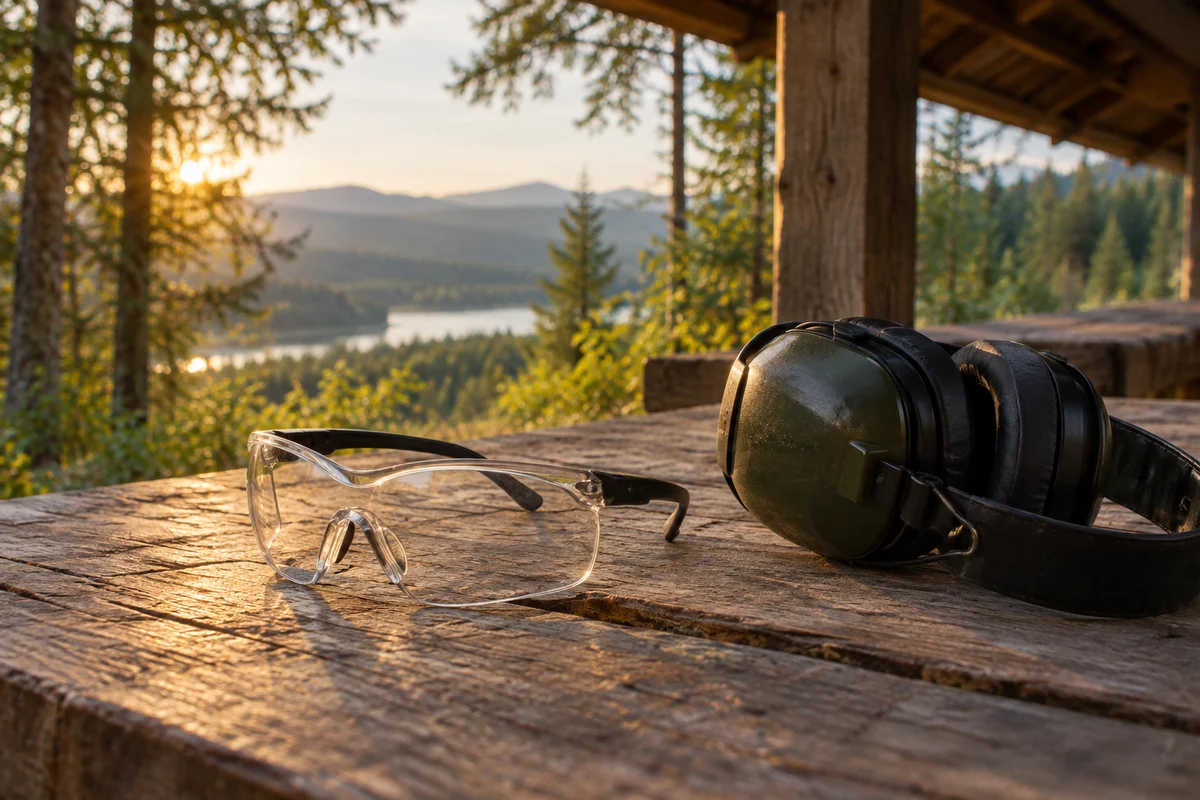
That same caution applies to hearing protection. Noise exposure is a health concern, but claims about a specific device should be checked against its current manufacturer documentation and relevant safety guidance. See electronic hearing protection: factors to understand for a related overview. This is not an endorsement or a recommendation to purchase a product.
Myth: personal experience proves a general rule
Firsthand experience can be useful, but it is not automatically representative. One person may have encountered a particular model, condition, or local rule. A different experience does not necessarily disprove a broader finding either. Strong conclusions need evidence that matches the scope of the claim.
Look for clear definitions, transparent methods, and a source with relevant expertise. Separate measured findings from interpretation. Be cautious when a post offers certainty but omits location, date, or conditions, or when it uses a dramatic anecdote to stand in for evidence. If a claim concerns public health or injury risk, seek relevant public-health or government sources rather than relying on forum consensus.
Myth: online repetition means a claim is verified
Several websites repeating the same wording may all trace back to one unverified source. Check whether they provide independent evidence or simply cite one another. Search for the original document, and note its publication date and intended audience. A manufacturer’s guidance, a government regulation, and an advocacy group’s explanation may answer different questions; identify which one is relevant before drawing a conclusion.
Also distinguish “not found” from “disproved.” If reliable sources do not answer a question, the honest conclusion is that the available information is limited. Do not fill the gap with invented specifications or assumptions. For legacy products, details and availability may vary; confirm current information with the manufacturer.
How to respond when a claim could affect safety
When a claim could change how someone handles or stores a firearm, treat uncertainty as a reason to stop, not to experiment. Do not test a rumor, attempt an unfamiliar procedure, or rely on a short clip as instruction. Keep the item secured and seek guidance from an appropriately qualified professional or an official source. In an immediate emergency, contact local emergency services.
For hunting-related questions, verify the rules with the state or provincial wildlife agency and check land-specific requirements. For product questions, use the manufacturer’s current safety materials. For broader background, the guns hub collects informational coverage, while each article should be read within its stated limits.
A better standard for discussing firearms
A useful discussion is specific, sourced, and careful about uncertainty. Say where a rule applies and when it was checked. Identify whether a statement is law, a safety principle, a product fact, or opinion. Avoid presenting a personal experience as universal, and correct outdated information when better evidence becomes available.
Most importantly, do not let a myth-check become a reason to handle equipment casually. Safe storage, respect for local law, and qualified guidance are more important than winning an online argument. When the evidence is incomplete, say so—and choose the cautious course.
Frequently asked questions
How can I tell whether a firearm claim is reliable?
Define the claim, identify whether it concerns law, safety, or product details, and check current authoritative sources. Look for dates, jurisdiction, and supporting evidence rather than repetition or anecdotes.
Do firearm laws apply uniformly across the country?
No. Rules can vary by jurisdiction and situation and may change. Confirm current requirements with the official authorities responsible for the place and activity involved.
What should I do if I find an unattended firearm?
Do not touch or move it. Keep others away and notify a responsible adult or local authorities, depending on the setting and urgency.
Where should I check details for a specific firearm?
Consult the manufacturer’s current documentation for the exact model, and consult relevant local authorities for legal requirements. Do not assume information for a similar model applies.
Sources & further information
Consult these primary sources for current regulations, technical information and local guidance.