M16 Belt Fed: Understanding .22 LR Conversion Concepts
A careful, nonprocedural guide to the phrase “M16 belt fed” and .22 LR conversion concepts—separating historical context from verified facts, with safety and legal awareness in view.

The phrase m16 belt fed combines three ideas that are easy to confuse: the M16 family of firearms, belt-fed ammunition systems, and .22 Long Rifle (LR) cartridges. Online references may use the phrase loosely, and a legacy article title is not proof that a particular firearm, conversion, or historical event existed as described. This guide explains the terms at a high level, identifies what can and cannot be responsibly inferred, and points readers toward safety and legal context rather than operation or modification instructions.
What does “M16 belt fed” mean?
An M16 is a family of military-pattern rifles associated with the U.S. armed forces. A belt-fed firearm, by contrast, uses linked cartridges supplied from a belt rather than a conventional box magazine. The words describe different design characteristics; placing them together does not establish that a particular configuration is standard, historically documented, or lawful in a reader’s jurisdiction.
The added “.22 LR” refers to a rimfire cartridge commonly used in sporting firearms. It is not interchangeable with centerfire rifle cartridges. A firearm’s appearance, receiver markings, or online description cannot reliably establish its chambering or safe ammunition. Those questions require competent, model-specific documentation and professional verification—not guesswork based on a photograph or title.
Why might a .22 LR conversion be discussed?
In broad terms, some firearm systems have had conversion components intended to adapt a host platform to a different cartridge. Such systems can differ substantially in design and compatibility. The existence of conversion products in general does not verify a claim about a specific belt-fed M16-style configuration, nor does it make components interchangeable across models.
A responsible overview should distinguish a conversion concept from a factory configuration, a prototype, a collectible, or a functioning firearm. If a claim names a manufacturer or model, consult the manufacturer’s current documentation and qualified, lawful professionals. Do not infer compatibility from parts that appear similar, and do not attempt assembly or alteration from informal online descriptions.
For related, nonprocedural firearm context, see our overview of airgun reviews and evaluation criteria and long-range pellet terminology. These topics concern different equipment; the links are useful comparisons of how product claims should be read, not evidence about M16 conversions.
What is documented—and what remains uncertain?
The wording of a search result or old post title is not documentation. A claim that a particular system was full-auto, belt-fed, chambered in .22 LR, or associated with a named person needs corroboration from reliable records, manufacturer material, or reputable historical sources. Without that corroboration, the accurate description is that the claim is unverified.
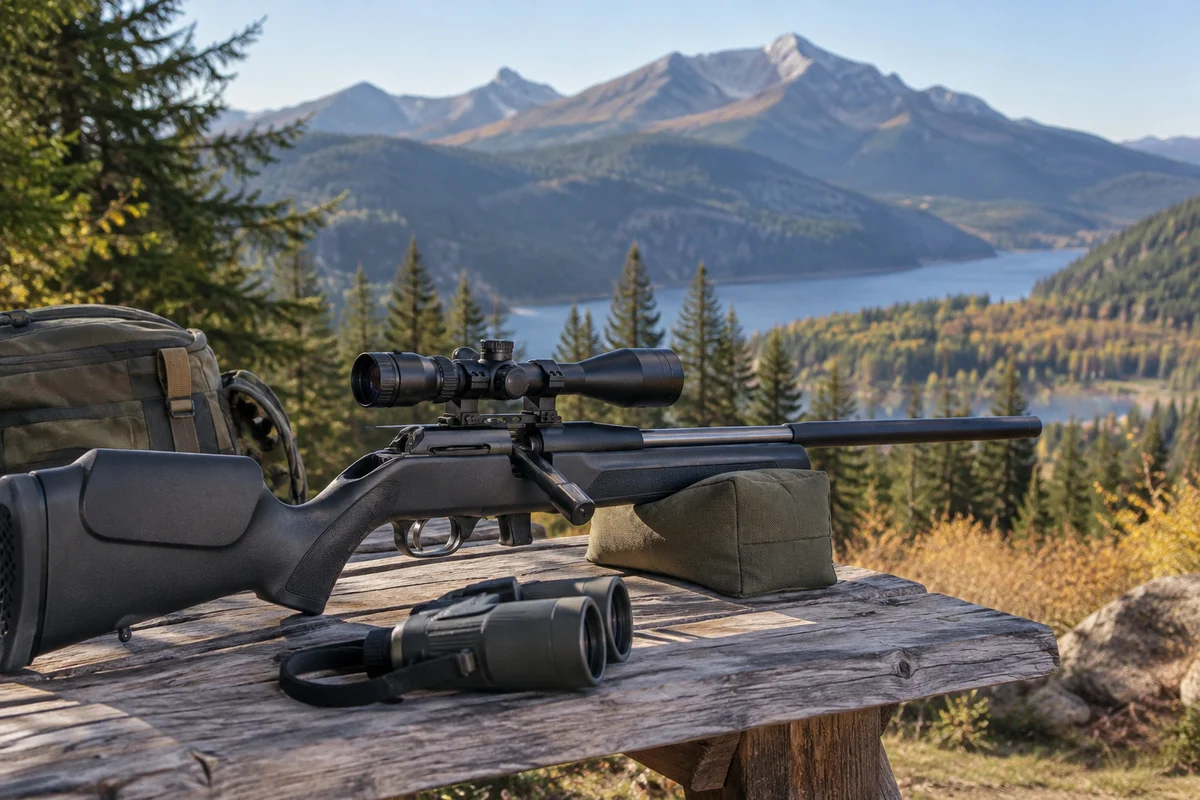
Be especially cautious with images detached from their original context. A staged display, replica, airsoft item, nonfunctional prop, or digitally altered photograph may resemble a working firearm. Image captions and social posts can also repeat one another without independent sourcing. Treat each material claim separately: what the item is, what cartridge it uses, how it is fed, whether it functions, and when or where it was documented.
What legal issues should readers keep in mind?
Firearm laws can depend on a device’s configuration, function, classification, location, and the circumstances of possession. Federal rules are not the only rules that may apply; state and local requirements can differ and change. A short article cannot classify a specific object or determine whether a particular person may possess it.
For legal questions, consult current official guidance and a qualified attorney familiar with the relevant jurisdiction. The Bureau of Alcohol, Tobacco, Firearms and Explosives (ATF) provides federal information at ATF.gov. That general resource is a starting point, not a substitute for a specific legal determination. Do not rely on a seller’s description, a forum post, or a visual resemblance as a legal classification.
What safety principles apply to unusual firearm displays?
Treat any firearm as loaded until a qualified person has established otherwise using accepted safety procedures. Keep the muzzle pointed in a safe direction, keep fingers away from the trigger, and ensure that people nearby understand the item is not a prop. Do not handle unfamiliar equipment or attempt to identify its chambering by trial.
When viewing a collection or display, ask the responsible owner or institution whether the item is inert and how visitors should behave. Do not touch, move, or manipulate an unfamiliar firearm. If an item appears unsafe or its status is uncertain, step away and alert the responsible staff member or authorities rather than investigating it yourself. The National Shooting Sports Foundation’s firearm safety resources offer general safety information.
How should readers evaluate claims about unusual configurations?
Start by separating verifiable facts from descriptions and speculation. Look for clear provenance, identifiable model information, credible documentation, and independent corroboration. A manufacturer’s own material may establish what it says about a product, while a museum or archival record may help with historical context. Neither automatically proves every claim repeated elsewhere.
Avoid treating a video demonstration as complete evidence: it may omit relevant details, use a replica, or present an item in a way that does not establish its legal status or history. Likewise, terms such as “full auto” and “belt fed” are technical descriptions, not proof of authenticity. When dependable evidence is unavailable, say so plainly instead of filling gaps with assumed specifications, dates, or ownership stories.
Readers exploring the broader subject can find more outdoor coverage, including informational articles on firearm history and safety. Our overview of firearm customization claims and legal awareness is also nonprocedural; it does not provide build or modification guidance.
What is a practical takeaway?
“M16 belt fed .22 LR” is a search phrase, not enough information to identify a verified firearm or establish that a configuration is standard, functional, or lawful. Distinguish the platform, cartridge, and feeding method; verify each claim through reliable sources; and leave handling, classification, and compatibility questions to qualified professionals. For readers, collectors, and outdoor enthusiasts, careful sourcing and basic safety practices are more useful than confident claims unsupported by evidence.
Frequently asked questions
Does the phrase “M16 belt fed .22 LR” identify a standard firearm configuration?
The phrase alone does not establish that. A specific configuration needs reliable documentation, such as credible historical records or manufacturer information; a title or image is not sufficient proof.
Can a reader determine a firearm’s chambering or legal status from a photograph?
No. Appearance is not a reliable way to confirm chambering, function, or legal classification. Seek model-specific documentation and qualified professional guidance.
Where can I find general firearm safety and federal legal information?
The NSSF provides general firearm safety resources, and ATF.gov provides federal information. Neither replaces jurisdiction-specific legal advice or qualified instruction.
Sources & further information
Consult these primary sources for current regulations, technical information and local guidance.