How to Call Ducks for Beginners: A Clear First Season Guide
Start with a dependable mallard greeting, build a few clean notes, and learn when silence is better than another call. This beginner’s guide focuses on listening, practice, and responsible waterfowl hunting.
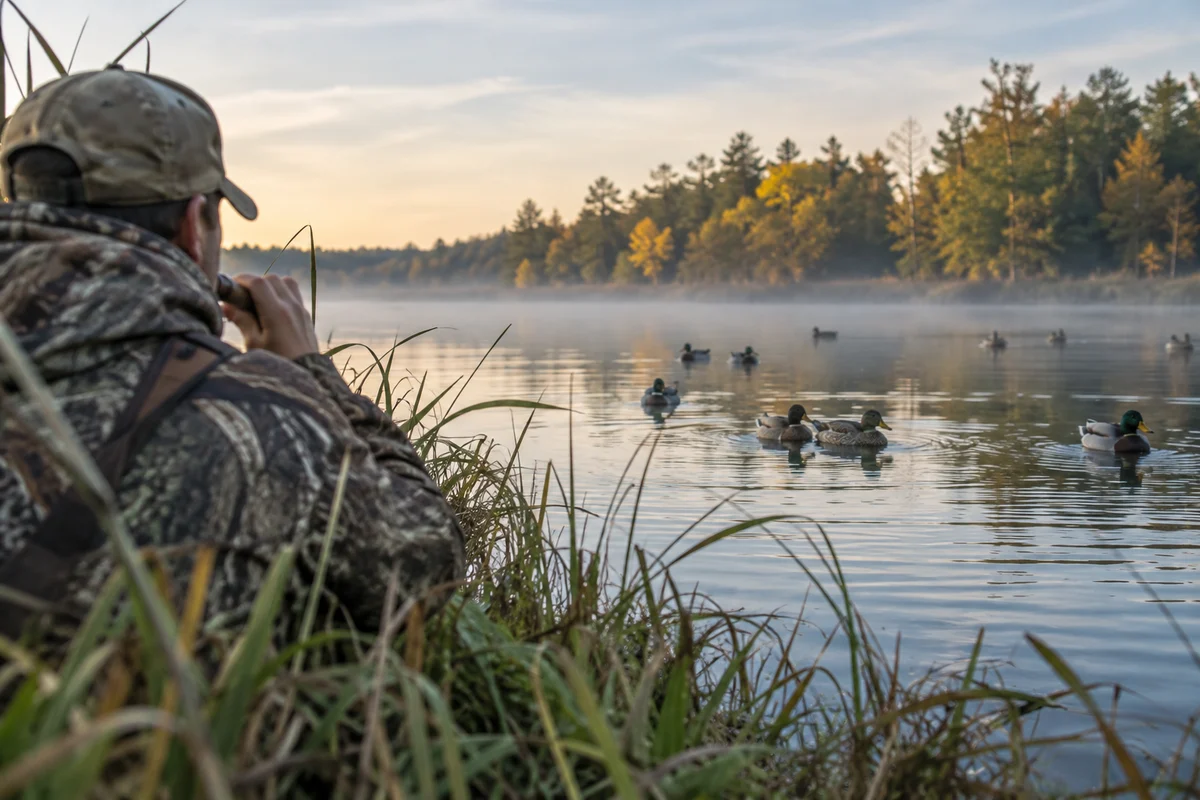
Duck calling can feel like a language you are expected to speak before you have heard enough of it. The useful answer to how to call ducks for beginners is simpler: begin with one clear mallard sound, practice its rhythm away from the marsh, and use it sparingly when birds can hear you. A call is not a remote control. Wind, visibility, hunting pressure, species, and the birds’ own behavior all affect whether they respond.
The aim is not to make the loudest or most elaborate sequence. It is to sound plausible, notice what ducks are doing, and leave room for them to choose. Pair calling practice with sound observations in the field, and learn applicable regulations before hunting. For broader context, visit the duck and goose hunting hub.
Start with one call and one sound
A basic single-reed or double-reed mallard call is enough for learning. Calls differ in resistance, tone, and ease of use, so there is no universally best beginner model. Choose one that feels comfortable and produces a clear note without forcing air. A call that is easy to control is more useful at first than one marketed for advanced volume or versatility.
Begin with the basic mallard hen quack. Keep the call at your lips, take a relaxed breath, and push a short burst of air from your diaphragm rather than puffing your cheeks. Say a compact “hut” or “quit” into the call; do not try to form the sound with a long stream of breath. The exact syllable is only a practice cue. Listen for a distinct, slightly falling note rather than a strained squeal or flat blast.
Keep your hands loose around the barrel. Cupping or opening the hand can alter volume and tone, but avoid treating hand position as a shortcut to a convincing sound. First make the same clean note repeatedly. Then practice a pair of quacks with a small pause between them. A steady, controlled rhythm is more valuable than speed.
A simple practice progression
Practice in short sessions where you can hear each note clearly. A phone recording can help you notice uneven volume or breathiness, but compare it with real ducks too; recordings can flatten distance and context. If the call sounds harsh, reduce force and shorten the air burst rather than blowing harder.
| Stage | Practice goal | Move on when… |
|---|---|---|
| 1. Single note | Make a clear, repeatable quack | Several notes sound similar in tone and volume |
| 2. Short series | Produce two or three evenly spaced quacks | Rhythm stays controlled without rushing |
| 3. Greeting | Add a brief, slightly varied series | You can stop cleanly and begin again without strain |
| 4. Field judgment | Call, pause, and observe | You can resist calling continuously |
A useful starter sequence is a few measured quacks, a pause, and then a second short series only if the situation calls for it. There is no magic count. The pause matters because it gives you time to watch the birds and hear their response. If your throat, jaw, or breath feels strained, stop and reset.
How to decide when to call
First watch and listen. Are ducks already moving toward the spread? Are they passing without noticing it? Are they turning away, circling, or responding to another sound? These observations are more informative than repeating a sequence simply because the birds are visible.
When birds are distant and appear unaware of your setup, a few clear greeting quacks may help draw attention. If they turn toward you, pause and let them work. If they continue past, consider whether wind, concealment, light, or the spread is a more likely issue than the call. If birds are close or clearly alert, more sound may make the situation worse. Silence is a valid choice.
Conditions matter. Wind can carry or mask sound, while nearby callers and hunting pressure can make birds wary of repetitive calling. The best response varies by location and day. Watch the birds, make one measured adjustment at a time, and avoid assuming every missed approach is a calling problem. Practical preparation also includes weather and concealment; our guide to duck hunting in the rain discusses conditions that can change a hunt.
Common beginner mistakes
Blowing too hard. Force often makes a call louder but less natural. Use brief, controlled air and keep the note clean.
Calling without listening. Real ducks offer clues through their pace, spacing, and vocalizations. Spend time observing before copying a sound or adding a sequence.
Repeating one pattern constantly. A continuous stream can sound unnatural and leaves no opportunity to judge a response. Call briefly, pause, and reassess.
Trying advanced sounds too soon. Feed chatter, comeback calls, and other variations can wait. A reliable basic quack gives you a foundation and helps prevent a collection of inconsistent noises.
Expecting the call to overcome everything. Ducks may ignore a call because they are committed elsewhere, see movement, dislike the setup, or simply follow a different route. Calling cannot guarantee a response.
Match calling to responsible fieldcraft
A call is only one part of waterfowl hunting. Concealment, safe firearm handling, a clear view of the target, identification, and compliance with local seasons and limits matter more than an elaborate routine. Check current rules from the appropriate wildlife agency, including species identification requirements and any restrictions that apply to your location. Keep communication clear with hunting partners, and never use a call to justify an unsafe shot.
For gear decisions, distinguish durable field equipment from essentials. A blind can help concealment, but it does not replace careful site choice or safe practices. See this overview of a layout blind for waterfowl hunting for related setup considerations. If conservation is part of your interest, the Ducks Unlimited Waterfowl Heritage Center offers another path into waterfowl history and habitat work.
A beginner’s field checklist
- Practice one clear mallard quack before adding variations.
- Keep the call and your breathing relaxed; stop if you strain.
- Observe first, then make a short call only when it has a purpose.
- Pause after calling and watch for a change in direction or behavior.
- Adjust one factor at a time; do not assume louder is better.
- Confirm current regulations, species identification rules, and safe hunting procedures.
Progress comes from repetition and honest listening, not from collecting calls or memorizing a long routine. Learn what a clean basic note sounds like, use it with restraint, and let the birds’ behavior guide the next decision. Some days the right next call is no call at all.
Frequently asked questions
What is the easiest duck call for a beginner?
A comfortable mallard call that lets you produce a clear, controlled quack is a practical starting point. Reed style and feel vary, so ease of control matters more than claims of advanced versatility.
How often should a beginner practice duck calling?
Use short, regular sessions and focus on consistent notes rather than duration. Stop if your breath, jaw, or throat becomes strained, and listen to real ducks as well as your own practice.
Should beginners call continuously at ducks?
No. Make a brief, purposeful sequence, pause, and observe. Continuous calling can be unhelpful, especially when birds are close, alert, or already responding.
Can duck calling guarantee that ducks will come in?
No. Wind, visibility, pressure, the setup, and the birds’ behavior all matter. A call may attract attention, but it cannot guarantee a response.
Sources & further information
Consult these primary sources for current regulations, technical information and local guidance.