Dove Hunting Tips for Safer, More Effective Field Days
Good dove hunts start well before a shot: learn where birds feed and travel, choose a safe position, and stay ready to adjust as conditions change. This field guide covers scouting, setup, identification, and responsible practice.
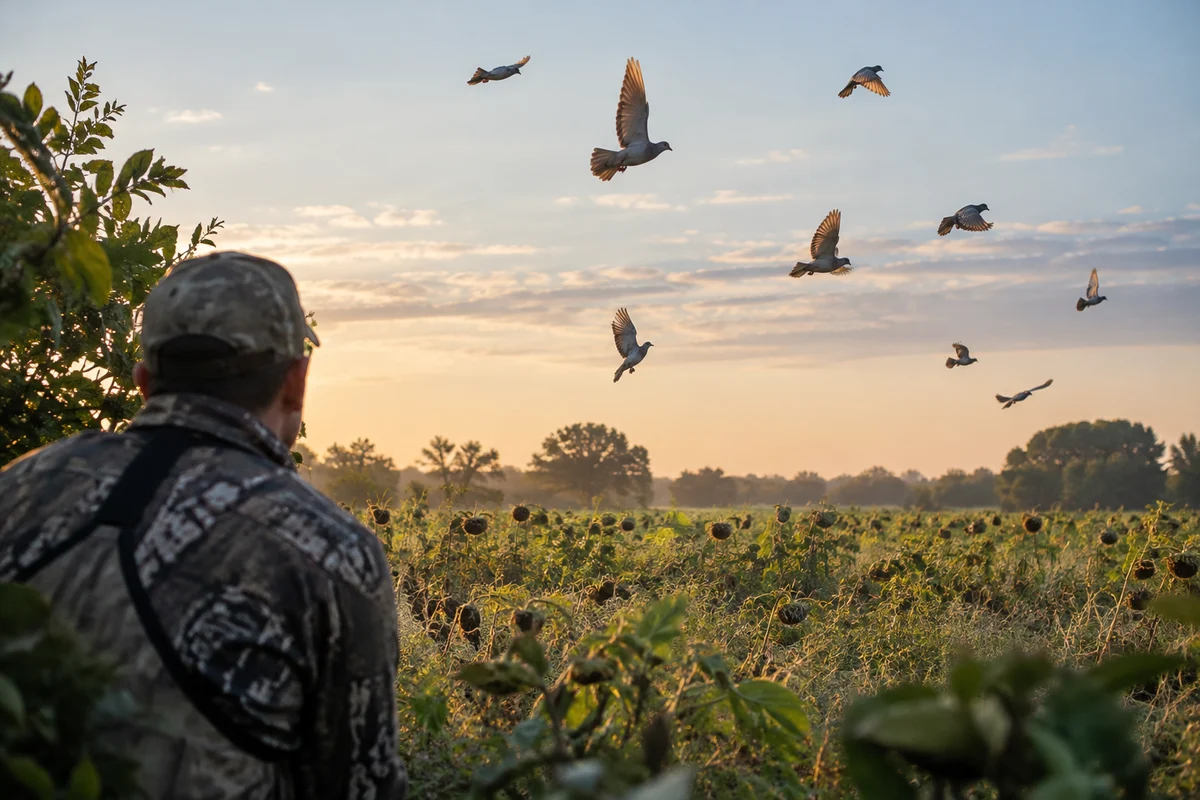
Dove hunting tips are most useful when they help you make sound decisions before birds appear. Start by learning the local season and regulations, then scout likely feeding and watering areas, select a position with safe shooting lanes, and prepare to change plans when bird movement differs from what you expected. Doves can be quick and unpredictable; a careful routine matters more than elaborate gear.
This guide focuses on fieldcraft and safety, not guaranteed results. Dove species, season dates, daily limits, legal methods, access rules, and habitat vary by location. Confirm current rules with your state wildlife agency before every season, and ask the land manager about site-specific restrictions.
Begin with the rules and the species
In many parts of the United States, dove hunting is associated with mourning doves, but other dove species may occur and may have different protections or rules. Identify the birds in your area before hunting. If you cannot confidently distinguish a legal species from a protected one, do not shoot. Use a current field guide or wildlife-agency identification resources, and check local regulations for which species may be hunted.
Look up season dates, shooting hours, licensing and migratory-bird requirements, bag and possession limits, permitted areas, and any required harvest reporting. Regulations can change from year to year and may differ by management zone. Read the rules yourself rather than relying on a friend’s recollection or a previous season’s calendar. For federal migratory-bird information, begin at the U.S. Fish and Wildlife Service migratory bird page.
Scout patterns, not just popular spots
Doves often use a daily circuit among feeding, roosting, and watering locations, but the pattern depends on available food, weather, disturbance, and landscape. Scouting is about finding signs of regular use—not assuming that a field that produced birds last year will do so again.
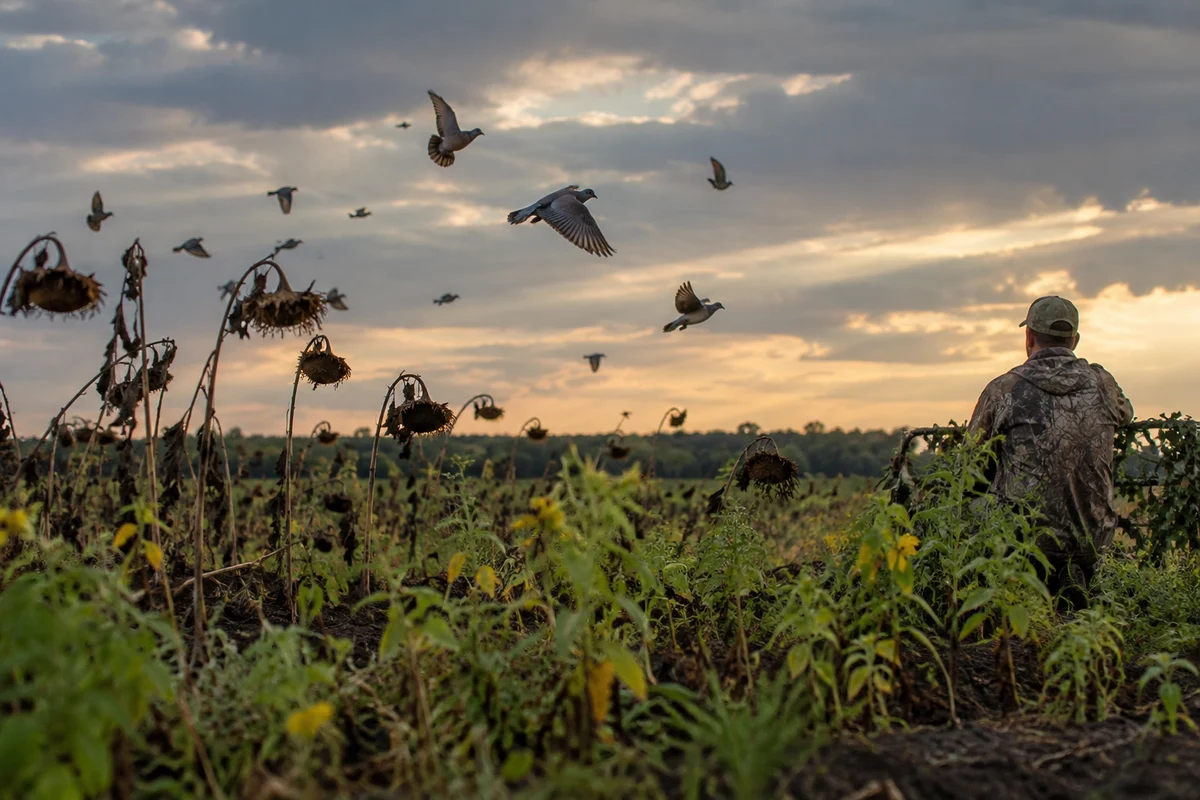
Look for harvested or managed fields with accessible seed, nearby perches, and clear approach routes. Observe from a lawful place at a distance, ideally at different times on more than one day. Note when birds arrive and depart, which direction they travel, where they pause, and whether activity changes after people enter the area. Avoid trespassing or disturbing crops, livestock, or other users.
Water can attract birds, particularly where sources are scarce, but a pond or stock tank is not automatically a suitable hunting location. Check who owns the land, whether hunting is allowed, where other people may be present, and whether the surrounding terrain permits safe shooting. A useful scouting notebook records date, time, wind, weather, observed movement, and access notes. Those observations help distinguish a repeatable pattern from a brief flurry.
For broader context on habitat and small-game fieldcraft, visit the small-game hunting hub. Scouting methods also differ from species-specific approaches: coyote pheasant predation is a useful reminder to separate observed wildlife behavior from assumptions about what is limiting game populations.
Choose a position for safety first
Set up only where you have permission and can identify a safe direction of fire. Before settling in, inspect the full area in front of and beyond the position. Identify homes, roads, trails, livestock, farm equipment, other hunters, and any place a person could appear. If you cannot maintain a safe field of view, move or do not hunt there.
A good position often provides some concealment and a clear view of likely flight routes, but concealment must never obscure your ability to identify a target and what lies beyond it. Avoid shooting at low birds over people, roads, buildings, or hard surfaces. Never fire at movement, sound, or a bird you cannot positively identify. Agree on boundaries and safe directions with companions before hunting, and keep enough separation that everyone understands where others are positioned.
Use eye and hearing protection appropriate to the setting. Keep the firearm pointed in a safe direction, with the action open and unloaded whenever you are moving, crossing obstacles, or not actively prepared to hunt. Keep the muzzle away from people, and do not handle a firearm while distracted. Store firearms securely when not in use, following applicable laws and the manufacturer’s safety guidance.
Prepare a simple field plan
A short checklist can reduce preventable mistakes. Review it at home and again at the site:
| Before the hunt | What to confirm |
|---|---|
| Legal details | Current dates, hours, limits, license, required stamps or reports, and legal species |
| Permission | Written or clearly confirmed access; boundaries and any landowner restrictions |
| Site safety | Safe direction, backstop or unobstructed safe lanes, people and property nearby |
| Identification | Reliable way to distinguish legal birds from protected species |
| Conditions | Forecast, heat, water, visibility, and a plan to leave if conditions become unsafe |
| Companions | Agreed positions, boundaries, signals, and a check-in plan |
| Afterward | A lawful, prompt retrieval plan and responsible handling of harvested birds |
The table is a planning aid, not a substitute for local regulations or firearm-safety training. If any essential detail is unclear, resolve it before hunting.
Read the flight and adapt
Once in position, watch the broader landscape instead of focusing on a single expected route. Wind, changing light, people, and feeding activity may shift where birds travel. If birds consistently pass outside a safe or accessible area, do not stretch a shot or move impulsively. Reassess whether another lawful position is safer, and move only after unloading and securing the firearm according to its manual.
Doves can appear suddenly, so keep your attention on the surroundings and identify each bird before making any decision to shoot. A safe shot requires more than seeing a target: you need a clear view, certainty about the species, and confidence that the shot will not endanger people or property. Passing on a doubtful opportunity is good judgment, not a failed hunt.
If hunting with others, communicate plainly and avoid crossing another person’s line of fire. Establish who will retrieve birds and when it is safe to do so. A retrieving dog can help, but the handler should keep the dog under control and out of unsafe areas. For related outdoor reading, see facts about snowy owls; careful observation and respect for wildlife matter whether hunting or watching.
Weather, comfort, and field care
Early-season heat can be a serious concern. Bring drinking water, wear suitable sun protection, and plan access to shade and a way to leave. Stop if anyone shows signs of heat illness, becomes confused, or feels unwell; seek appropriate medical help when needed. In colder or wet conditions, protect against exposure and avoid unsafe footing around water or steep banks.
Carry only what you can manage safely. A small kit may include water, identification and license documents, a phone or other communication method, basic first aid, and a means of marking your position. Keep valuables and equipment secured, and do not leave litter, spent materials, or damaged property behind. Follow local rules for retrieving and transporting game, and handle harvested birds hygienically, keeping them cool and clean as soon as practical.
Common mistakes to avoid
- Relying on last year’s pattern: Food availability, weather, and disturbance change. Re-scout each season and confirm current access.
- Choosing a crowded location: Popularity does not make a site safe. Know exactly where other hunters and members of the public are.
- Taking uncertain shots: Do not shoot at unidentified birds, unsafe angles, or targets beyond your ability. Wait for a safe, clear opportunity.
- Forgetting changing regulations: Check official rules for the current season, zone, species, hours, and limits.
- Moving with a loaded firearm: Stop, unload, and follow the firearm’s manual before relocating or crossing an obstacle.
- Treating success as the only measure: A safe day, good observation, and leaving the site in good condition are worthwhile outcomes.
For another perspective on small-game outings and working with dogs, see bird dog magazines. Keep the focus on responsible field decisions rather than assuming one technique fits every property or flight pattern.
A practical decision framework
Before taking any shot, pause through three questions:
- Can I identify the bird? If not, do not shoot.
- Is the direction and background safe? If a person, property, road, or uncertain area could be endangered, do not shoot.
- Is the opportunity lawful and within my ability? Confirm the rules and decline shots you cannot make safely and responsibly.
If any answer is no or uncertain, wait. This simple pause supports conservation, public safety, and a better experience for everyone sharing the outdoors.
Frequently asked questions
When should I scout for doves?
Observe likely feeding and watering areas at different times before the hunt, from places where you have lawful access. Record movement and conditions; patterns can change quickly.
What should I check before a dove hunt?
Confirm current state and federal rules, legal species, season dates, shooting hours, limits, licensing, landowner permission, and site-specific safety restrictions.
How do I choose a safe place to stand?
Choose a lawful position with a clear view and safe direction, away from people, roads, homes, livestock, and other hazards. If you cannot see what lies beyond a target, do not shoot.
Should I shoot at a bird if I am unsure of its species?
No. Positive identification is essential. Do not shoot unless you are certain the bird is legal to hunt and the shot is otherwise safe and lawful.
Do dove patterns stay the same each season?
No. Food, weather, disturbance, and local conditions can change movement. Scout again and treat past observations as clues, not guarantees.
Sources & further information
Consult these primary sources for current regulations, technical information and local guidance.