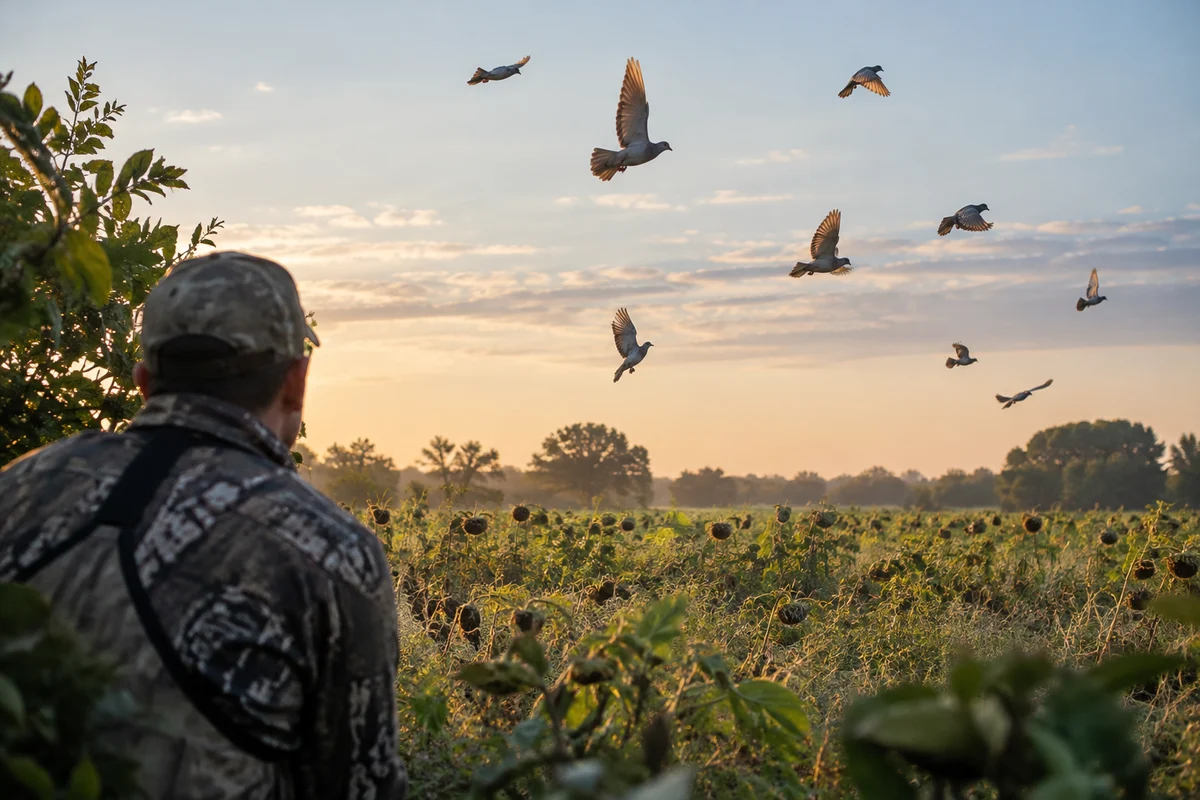
Dove Hunting 101: A Field Guide to Safer, Smarter Hunts
A practical introduction to dove hunting, from the rules and gear to scouting, safe field setup, shot discipline, and caring for harvested birds. Regulations vary widely, so use this guide as a planning framework and confirm current requirements with your wildlife agency.
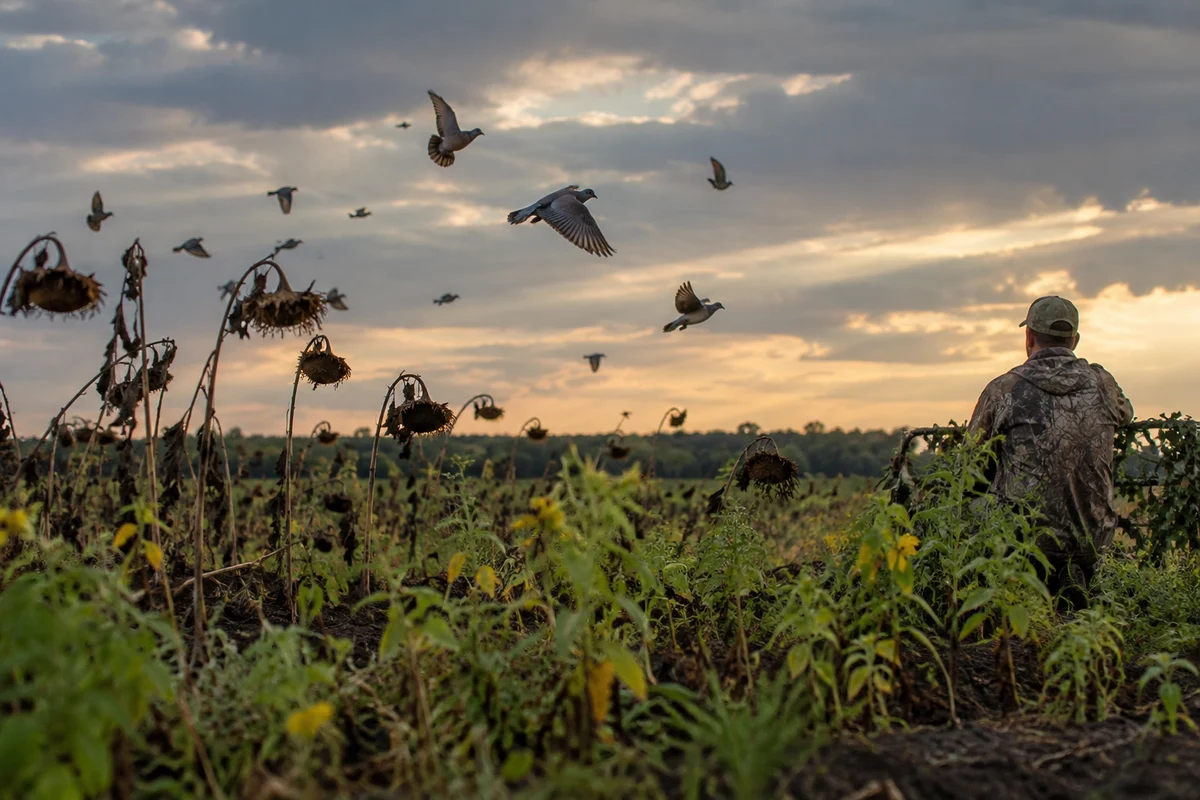
Dove hunting 101 starts well before opening day. A productive outing depends on understanding local rules, finding where birds are moving, choosing a safe place to sit, and recognizing when a shot is not safe. Doves are fast, alert birds, and a field can look inviting while still being unsuitable for hunting. Treat preparation and restraint as part of the hunt—not as details to sort out after arriving.
This guide is for general education, not a substitute for current regulations or hands-on instruction. Seasons, legal species, licensing, permitted equipment, access rules, and limits differ by location and may change. Check official sources before every season and follow the stricter applicable rule when land or jurisdiction boundaries are unclear.
What should a new dove hunter check first?
Start with the wildlife agency for the state or territory where you plan to hunt. Confirm the season dates, legal species, daily and possession limits, license and migratory-bird requirements, approved hunting hours, and any area-specific restrictions. In the United States, migratory-bird hunting is subject to federal frameworks as well as state rules; the rules that apply to your location and date are what matter.
Also establish whether you have permission to hunt the property. A field that appears open is not necessarily public land, and permission should identify the exact parcel and any limits on access, parking, gates, or shooting direction. Ask about nearby homes, roads, livestock, other hunters, and neighboring property. If any part of the boundary or safe shooting area is uncertain, choose another location.
A new hunter should consider going with an experienced, safety-minded companion or taking a recognized hunter-education course. Learn the firearm’s safe handling procedures from its manual and a qualified instructor. Keep the muzzle pointed in a safe direction, keep the action open when appropriate during transport or when not actively hunting, and keep your finger outside the trigger guard until you have identified a legal target and made a deliberate decision to shoot. Never shoot at sound, movement alone, or a bird whose background is not known.
How do you find a promising dove field?
Doves commonly use a landscape as a connected set of feeding, watering, roosting, and resting places. Rather than focusing on one attractive field, look for patterns of movement between features. Birds may feed in harvested or managed fields, drink at accessible water, and perch along edges or on utility wires. Those general tendencies do not guarantee activity at a particular site, and local habitat and weather can change what you see.
Scout from a distance and at times when observation will not disturb the area. Watch where birds enter and leave, the height and direction of their flight, and whether activity is steady or occasional. Look for usable cover and a safe backstop, not just a place with many birds. Avoid trespassing, disturbing closed areas, or using prohibited methods to attract or concentrate birds. Ask the land manager what practices are allowed; regulations governing baiting and hunting over manipulated areas can be complex.
A simple scouting record can make observations useful without pretending to predict a guaranteed result:
| What to note | Why it matters | What to do with it |
|---|---|---|
| Date, time, and weather | Bird movement can vary with conditions | Compare observations from similar periods |
| Flight direction and height | Shows likely travel lanes | Choose a position only if the lane is safe |
| Feeding, water, and resting features | Helps explain where birds are moving | Consider the landscape as a route, not a single spot |
| Other people, roads, homes, and livestock | Identifies hazards and conflicts | Mark no-shoot directions and avoid unsafe setups |
| Access boundaries and permission | Prevents trespass and misunderstandings | Confirm the parcel and parking plan before hunting |
Where should you set up?
Choose a position that gives you concealment while preserving a clear, safe view of the area in which a bird might be legally taken. A field edge, natural screen, or other permitted cover may help break up your outline, but visibility and a safe background come first. Do not place yourself where birds, people, or property can appear over a ridge or beyond a field edge without warning.
Before settling in, identify safe shooting zones with everyone in the group. Agree on who will retrieve birds, how the group will communicate, and what signal means that all firearms must be made safe before anyone moves. Maintain ample separation between hunters, and never swing a firearm toward another person while following a bird. If a bird crosses behind someone, passes over an unsafe background, or leaves your agreed zone, let it go.
Wear visible safety clothing where required and whenever it helps other hunters distinguish you from the surroundings. Use eye and hearing protection as appropriate. Keep gear organized so that retrieving a shell, drink, or bird does not cause hurried handling. Heat, dehydration, uneven ground, and fatigue can impair judgment; plan water, shade, and breaks, and end the hunt if conditions make safe decisions difficult.
For broader context on responsible small-game outings, see the small-game hunting hub. Its central lesson applies here: know the rules, respect access, and make a safe opportunity more important than a shot.
What gear is useful for a first outing?
Keep the kit modest and suited to local rules and conditions. Confirm that your firearm and ammunition are lawful for the hunt, and use only equipment you can handle safely and confidently. This is not a place for guesswork: consult the owner’s manual, a qualified instructor, and your wildlife agency for applicable requirements. Do not use ammunition or equipment that is damaged, unfamiliar, or inconsistent with the manufacturer’s guidance.
Useful non-firearm items often include a current license and required permits, identification, water, weather-appropriate clothing, eye protection, hearing protection, a small first-aid kit, a phone or other emergency plan, and a way to mark your location. A field bag can hold these essentials, but avoid carrying so much that you lose awareness of your surroundings. Bring a safe means to transport any harvested birds and follow local requirements for identification and transport.
A dog can help locate or retrieve downed birds, but it is not necessary for every hunt. If a dog accompanies the group, consider heat, water, footing, visibility, and how its movement affects firearm safety. Agree in advance on who is responsible for the dog and do not shoot when its position or the background is uncertain.
How can you improve shot decisions?
Doves can change speed and direction quickly. The goal is not to take every possible shot; it is to identify a legal bird, know what lies beyond it, and shoot only when the target and background are unmistakable and the shot is within your ability. Follow all firearm-safety rules and any local restrictions. If you cannot clearly identify the bird, if another hunter is in the line of fire, or if the shot would carry toward people, roads, buildings, or livestock, do not shoot.
A useful decision check is:
- Identify: Is the bird a legal species, and is it in season under current rules?
- Locate: Are all people, dogs, and boundaries accounted for?
- Assess: Is the background safe, and is the shot within your practiced ability?
- Choose: If any answer is uncertain, keep the firearm pointed safely and pass on the shot.
Practice should happen in an appropriate, lawful setting under qualified supervision, with a safe target area and proper protective equipment. Range practice can build familiarity, but it cannot replace judgment in a busy field. The same patience that helps a hunter wait for a clear opportunity also helps prevent unsafe handling.
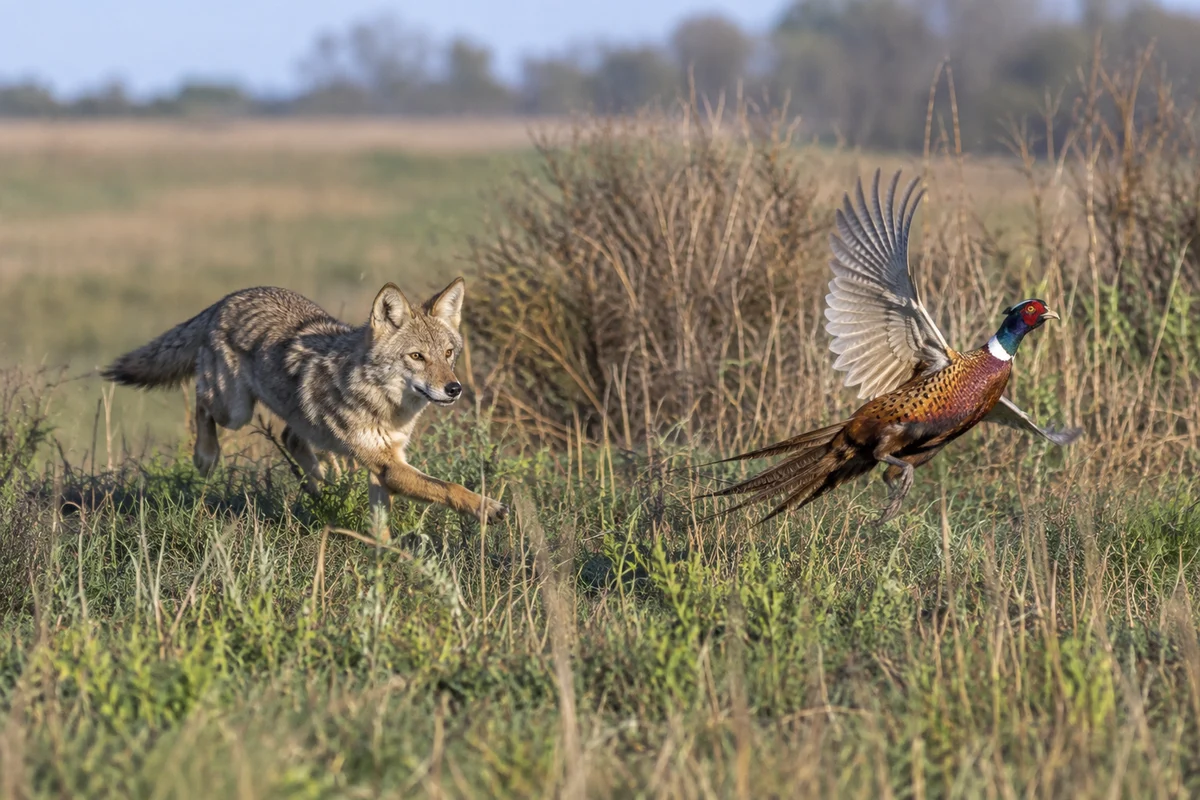
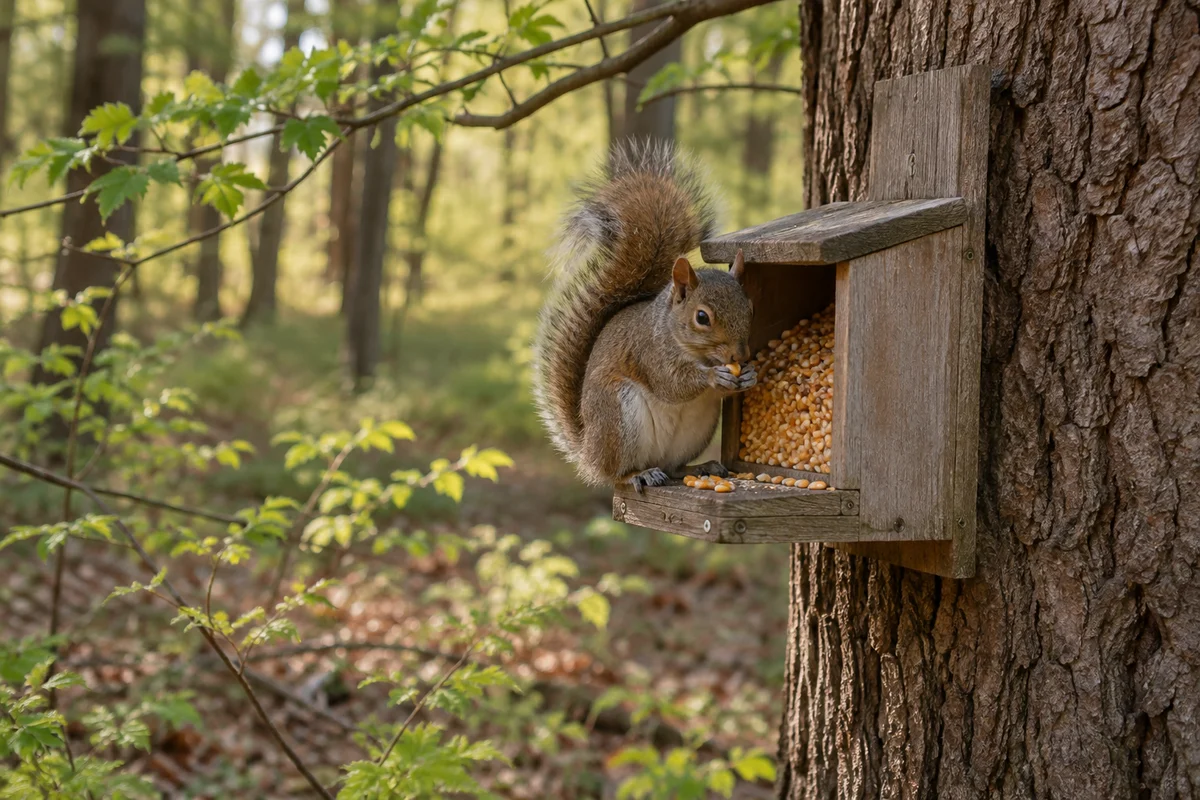
Hunters interested in other upland birds can read about coyote pheasant predation for a look at how predator claims and wildlife evidence should be considered carefully. For a different small-game perspective, our guide to making a squirrel bait station underscores why local rules and landowner permission matter; do not assume a technique legal for one activity is legal for another.
What should you do after the hunt?
Make firearms safe before leaving a position or beginning a retrieval. Coordinate with the group, watch for other hunters, and retrieve birds only when it is safe to do so. If a bird falls near a boundary, road, or another hunter, pause and resolve access and safety before moving. Do not cross private property without permission.
Handle harvested birds promptly and hygienically. Keep them cool, protect them from contamination, and follow agency guidance for field care, transport, and any required identification. Check that the number and species in your possession comply with current limits. If a bird is wounded and not recovered, review your approach with an experienced hunter; ethical hunting includes making a reasonable effort to recover game without creating additional hazards.
Afterward, note what you observed: where birds traveled, when activity changed, what safety concerns arose, and what you would alter next time. A quiet day can still offer useful information. Conditions and bird movements vary, so no scouting method or setup promises a particular result.
A simple pre-hunt checklist
- Verify current state and federal rules, dates, licenses, limits, and legal equipment.
- Obtain explicit permission and confirm property boundaries and parking.
- Scout bird movement and identify hazards, safe backgrounds, and no-shoot directions.
- Review firearm handling, group spacing, signals, retrieval plans, and emergency arrangements.
- Carry water, suitable clothing, protective gear, and a means to comply with transport rules.
- Pass on any shot when identification, background, boundary, or another person’s position is uncertain.
Dove hunting is most rewarding when the preparation is as deliberate as the shooting. Learn the rules, observe before choosing a position, communicate clearly, and be willing to leave a bird untouched whenever safety or legality is in doubt.
Frequently asked questions
Do I need a license to hunt doves?
Requirements vary by location and may include a hunting license and migratory-bird registration or permits. Check your wildlife agency’s current rules before hunting.
How do I find a good place to hunt doves?
Observe bird movements between feeding, watering, and resting areas, while confirming land access and identifying safe shooting directions. Activity varies by place and conditions.
What is the most important safety rule for dove hunting?
Keep the muzzle in a safe direction, identify the target and its background, and do not shoot unless people, boundaries, and the entire firing zone are accounted for.
Can a beginner hunt doves without a dog?
Yes. A dog is not required for every hunt, though local rules and conditions affect retrieval. A beginner can benefit from going with an experienced, safety-minded companion.
Sources & further information
Consult these primary sources for current regulations, technical information and local guidance.