Dakota Model 76: A Guide to the Classic Rifle Design
A practical, non-commercial overview of the Dakota Model 76’s place in the bolt-action rifle landscape, with guidance on verifying specifications, safe handling and lawful use.
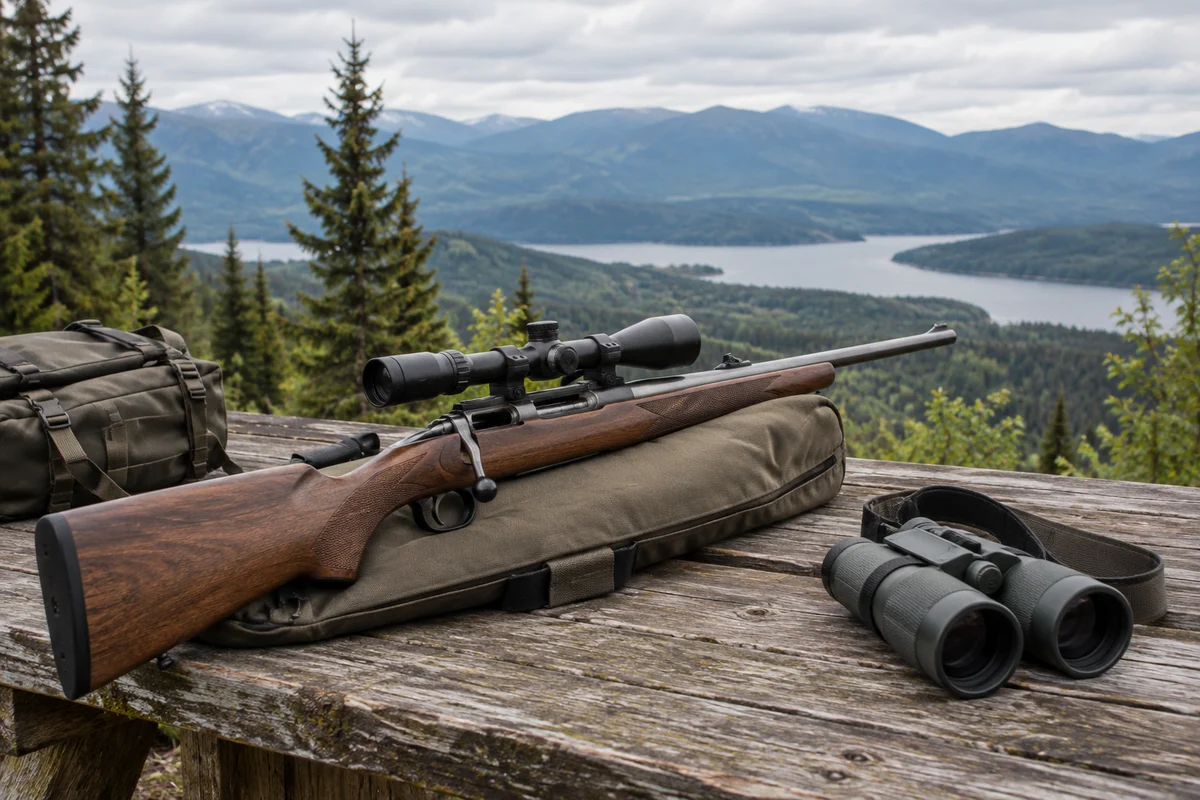
The dakota model 76 is best approached as a particular bolt-action rifle design whose exact configuration should be verified rather than assumed from a name or an old headline. Model names can span different chamberings, finishes and production periods, and a legacy slug alone does not establish that a model was expanded, when a change occurred, or what configurations exist today. This guide explains how to read available information about the rifle, what to check in official documentation, and how to keep handling and ownership decisions grounded in safety and local law.
What does the Dakota Model 76 name tell you?
A model designation identifies a product family, not necessarily one uniform specification. Rifles bearing the same model name may differ by chambering, barrel length, stock, sights, finish or production run. The term “expands” in a headline or URL is not proof of a product announcement; confirm any claimed change through dated manufacturer material or another reliable primary source.
For a specific rifle, start with markings on the firearm and any accompanying manual or original documentation. Record the model designation and serial number for private reference, but avoid publishing the serial number. Then compare the markings with current or archived information from the manufacturer. If the maker cannot confirm a detail, treat it as unknown instead of filling the gap with a retailer listing or forum post.
The useful distinction is between a broad model description and the exact individual firearm. A general overview may describe the action type, while a particular example still requires its own documentation and inspection by a qualified professional if its condition or identity is uncertain.
Which specifications should readers verify?
Begin with the chambering marked on the firearm and confirmed by its manual. Never infer ammunition compatibility from appearance, a similar model name, or a seller’s abbreviated description. If markings are unclear or documentation conflicts, do not load or fire the rifle; ask the manufacturer or a qualified firearms professional to identify it safely.
Other details worth confirming include barrel length, overall configuration, stock material, sight arrangement, safety features and any factory options. These are not decorative trivia: they affect handling, fit, maintenance needs and the legal classification that may apply in a particular jurisdiction. Specifications can vary over a product’s life, so a current product page may not describe an older example exactly.
For comparisons with other equipment, keep the question narrow. An accessory rail, for example, must be evaluated for its intended rifle and fit—not just for a familiar interface. Our overview of the Crosstac ARCA rail for the Ruger Precision Rifle illustrates why model-specific compatibility should be checked against authoritative product information rather than assumed across platforms.
How should you evaluate fit and field use?
Fit is personal and practical. A rifle that feels manageable in a safe, stationary setting may feel different with outdoor clothing, gloves or a pack. Consider whether the stock dimensions and balance are comfortable for the intended lawful use, and whether controls can be operated without compromising a safe muzzle direction. A qualified instructor can help assess basic handling without turning a general product review into tactical advice.
For hunting, the rifle is only one part of preparation. Identify the species and season regulations where you plan to hunt, check required licenses and equipment rules, and confirm that the firearm and ammunition are lawful for that activity. Regulations differ by place and can change. State wildlife agencies are the appropriate source for local seasons and hunting rules; the U.S. Fish and Wildlife Service provides broader federal wildlife information.
The Model 76’s name does not establish accuracy, reliability, suitability for a particular animal, or the condition of a used example. Those conclusions require evidence specific to the firearm and the use case. Avoid treating anecdotes or broad brand claims as a substitute for inspection, training and careful field judgment.
What safety checks matter before handling?
Treat every firearm as loaded until you personally verify otherwise, keep the muzzle pointed in a safe direction, and keep your finger outside the trigger guard until ready to fire at a lawful target. Know what lies beyond the target. These core rules apply whether the rifle is being examined, transported, cleaned or used under lawful supervision.
When receiving or inspecting a rifle, do not rely on another person’s statement about its condition. Follow the manual’s safe unloading and inspection guidance. If you do not know how to verify its condition, stop and seek qualified instruction rather than experimenting. Store firearms securely, with access controlled and consistent with applicable law; keep ammunition secured separately where required or appropriate.
A rifle’s safety mechanism is not a substitute for safe handling. Nor does a familiar-looking control prove that a particular production version works in the same way as another. Use the manufacturer’s documentation for the exact model and configuration, and ask a qualified professional about concerns involving wear or damage. For additional context on responsible handling and related equipment, see our informational overview of the Diamondback DB15 pistol; it concerns a different platform, so its details should not be transferred to the Model 76.
How can you check a product claim responsibly?
Separate three kinds of information: manufacturer specifications, independent observation, and unverified claims. Manufacturer material is the best starting point for intended features and manuals, but it may cover only current products. Independent reporting can add context, yet it should identify the exact version and explain its basis. An undated post, scraped listing or headline without supporting detail is not enough to establish a change in the lineup.
When a detail matters—such as chambering, safety features, dimensions or compatibility—look for documentation tied to the exact model and production period. If a claim cannot be confirmed, state that uncertainty plainly. Do not infer availability, current production status or historical expansion from a URL or search snippet.
This approach also prevents a common comparison mistake: treating two rifles as equivalent because they share a category or a broad feature. Compare verified attributes that matter to your intended lawful use, and leave unknowns marked as unknown. For broader informational coverage of firearm history, safety and legal awareness, explore more outdoor coverage.
What legal questions should you check?
Firearm laws are jurisdiction-specific. Rules can address possession, transfer, transport, storage, hunting use and configuration, and the relevant definitions may not match everyday terminology. Check current federal, state, tribal and local requirements that apply to your situation. Do not assume that a rule from another state—or an older article—still applies.
For hunting, consult the wildlife agency responsible for the specific location and season. For federal firearms information, consult the Bureau of Alcohol, Tobacco, Firearms and Explosives. When a legal question is consequential or unclear, seek advice from an appropriate authority or qualified legal professional. This article is general information, not legal advice.
A careful way to think about the Model 76
The Dakota Model 76 can be discussed responsibly by distinguishing the model family from the specifications of an individual rifle. Verify its markings and documentation, use the manufacturer’s information for the exact configuration, assess fit without assuming performance, and make safety and local law part of every decision. Most importantly, do not let an old headline or a product name stand in for evidence. If the detail cannot be confirmed, leave it open and ask a reliable source.
Frequently asked questions
Does “Dakota Model 76” identify one exact configuration?
Not necessarily. A model designation can cover variations or production periods. Confirm the specific rifle’s markings and documentation with the manufacturer rather than assuming a single universal specification.
Does the legacy phrase “expands Model 76” prove a product announcement?
No. A slug or headline is not evidence of an event or current product range. Look for dated, primary manufacturer information before treating an expansion claim as established.
Where should I check hunting rules for a Model 76?
Consult the wildlife agency for the state or jurisdiction where you plan to hunt. Verify current seasons, licenses, equipment rules and any restrictions that apply to the specific location and activity.
Sources & further information
Consult these primary sources for current regulations, technical information and local guidance.