Choosing the Best Ice Fishing Combo for Your Style
The best ice fishing combo is a balanced rod-and-reel setup matched to your target species, lure weight, and fishing style. Use this guide to compare key features and avoid paying for gear you may not need.
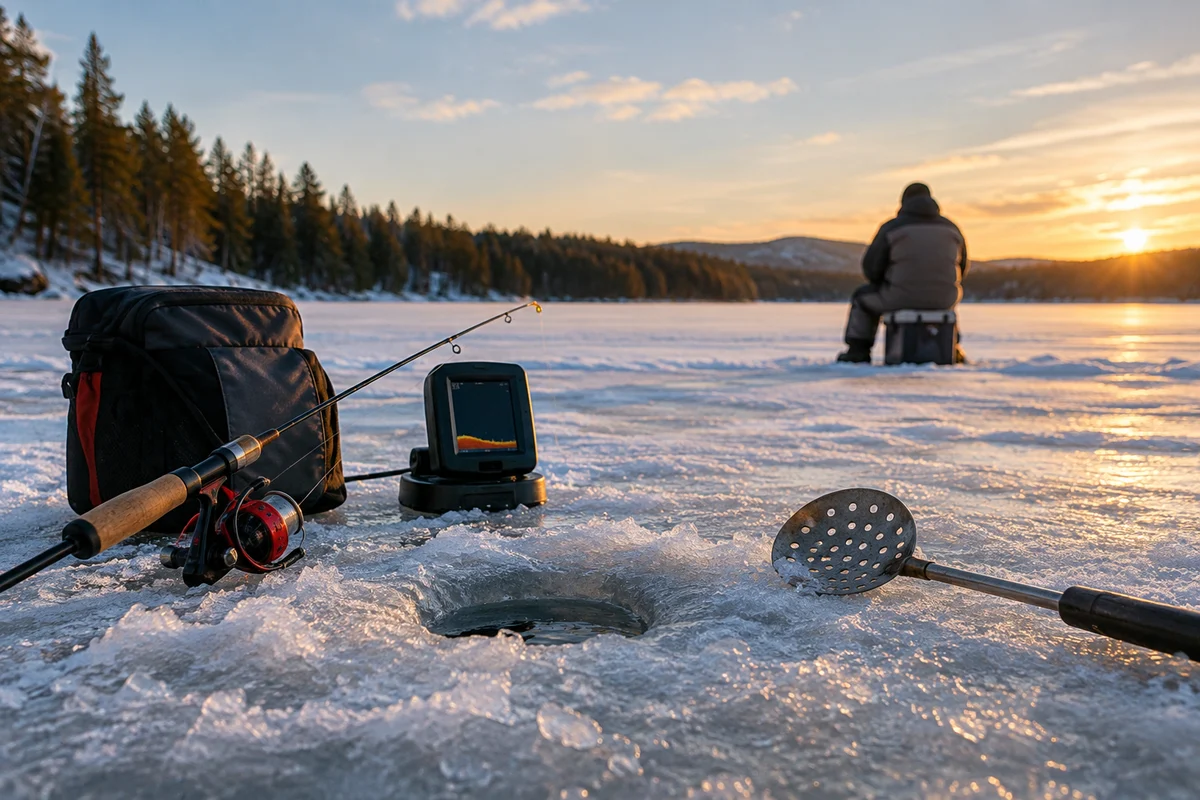
A best ice fishing combo is not a single model that suits every angler; it is a rod and reel that work together for the fish, lures, and conditions you expect to encounter. A light setup can make subtle bites easier to notice, while a sturdier one gives more control over larger fish and heavier presentations. Start with the decisions that affect performance, then compare actual combos against them.
Before buying, decide what you will fish for most often, whether you will jig actively or fish a stationary presentation, and what lure weights you plan to use. Product ranges and specifications change, so verify current details with the manufacturer rather than relying on a model name alone.
What makes an ice fishing combo a good match?
A combo is a rod paired with a reel, sometimes sold together and sometimes assembled from separate pieces. The important question is not whether the package is labeled “ice fishing,” but whether its components suit each other and your intended use.
Check four things:
- Rod power and action: Power describes how much force it takes to bend the rod; action describes where the blank bends. Light power and a responsive tip can help present small lures, while more backbone can be useful for heavier lures or stronger fish. Manufacturers do not always use identical rating systems, so compare their lure-weight guidance and descriptions.
- Rod length: Short rods are convenient in a confined shelter and for close, controlled jigging. A somewhat longer rod can offer more reach and line control in an open area. Choose for the space and technique you actually use.
- Reel operation: A reel should retrieve smoothly, allow controlled drag, and feel comfortable with gloves if you fish in them. A spinning reel is a familiar, versatile option for many anglers. Look for easy-to-use controls and a spool that accommodates the line type and amount you intend to use.
- Balance: Mount the reel and hold the outfit as you would while fishing. If the tip feels heavy or the grip awkward, the combo may become tiring during repeated jigging.
No single feature guarantees a catch. Bite detection depends on the whole system—including line, lure, water conditions, and the angler’s ability to interpret movement—not just a sensitive rod tip.
Match the combo to the fishing you do
Think in terms of a common fishing day rather than an imaginary all-purpose setup. If you mostly pursue panfish with small jigs, a light rod and appropriately sized reel can make the presentation easier to control. If your plans include larger fish or heavier lures, consider a rod with enough power for that work. A very stiff outfit can make small lures less pleasant to use; an overly light one may feel underpowered with larger offerings.
Use this decision framework when comparing options:
| Your priority | What to look for | Trade-off to consider |
|---|---|---|
| Small lures and subtle bites | Light power, responsive tip, line rating suited to the lure | Delicate components may require careful handling |
| A mixed bag of species | Middle-of-the-range power and a versatile spinning reel | A compromise may not excel at very light or heavy presentations |
| Larger fish or heavier lures | More rod backbone and a reel with a controllable drag | Heavier gear can make light jigging less engaging |
| Fishing in a tight shelter | Compact rod length and a comfortable grip | Less reach and line control than a longer rod may provide |
| Frequent travel between holes | Durable guides, secure reel seat, and a manageable case | Added protection can mean extra bulk |
Treat these as comparison prompts, not universal specifications. Follow the rod maker’s lure and line ratings, and check the reel maker’s stated capacity and care guidance.
How to assess a rod and reel in person
If you can handle the combo before purchase, attach or seat the reel as intended and hold it at a natural angle. Make a few gentle jigging motions. The rod should feel controlled rather than cumbersome, and the reel handle should turn without obvious roughness. Check that the reel seat holds securely and that the guides appear aligned and free of visible damage.
Then consider how the outfit will be transported. Ice gear is often packed alongside augers, shelters, and tackle, so exposed guides and reel handles can take knocks. A rod case or protective sleeve can help reduce damage. If you need a compact setup for a shelter, compare the rod’s overall transport length—not just its listed fishing length.
When buying online, read the exact model description and manufacturer specifications. Retailer titles can use broad labels that omit important differences between versions. Confirm whether a reel is included, whether the rod is one piece or multiple pieces, and what line and lure ranges are recommended. Those details can vary between product generations.
Line, lure, and drag: make the components work together
Choose line with the rod and reel ratings in mind, then match it to the lure and fishing conditions. Monofilament, fluorocarbon, and braided lines each have different handling characteristics; none is automatically best for every situation. Cold-weather handling, visibility, stretch, knot choice, and the way a line behaves on a small spool all matter. Follow the line manufacturer’s instructions and avoid exceeding the rod or reel’s stated limits.
Set the drag so line can be pulled under steady pressure without the spool locking abruptly. The right setting depends on the line, knots, hooks, and fish. Check it before fishing and adjust conservatively rather than tightening it fully. A smooth drag helps manage sudden runs, but it cannot compensate for damaged line or a poor knot.
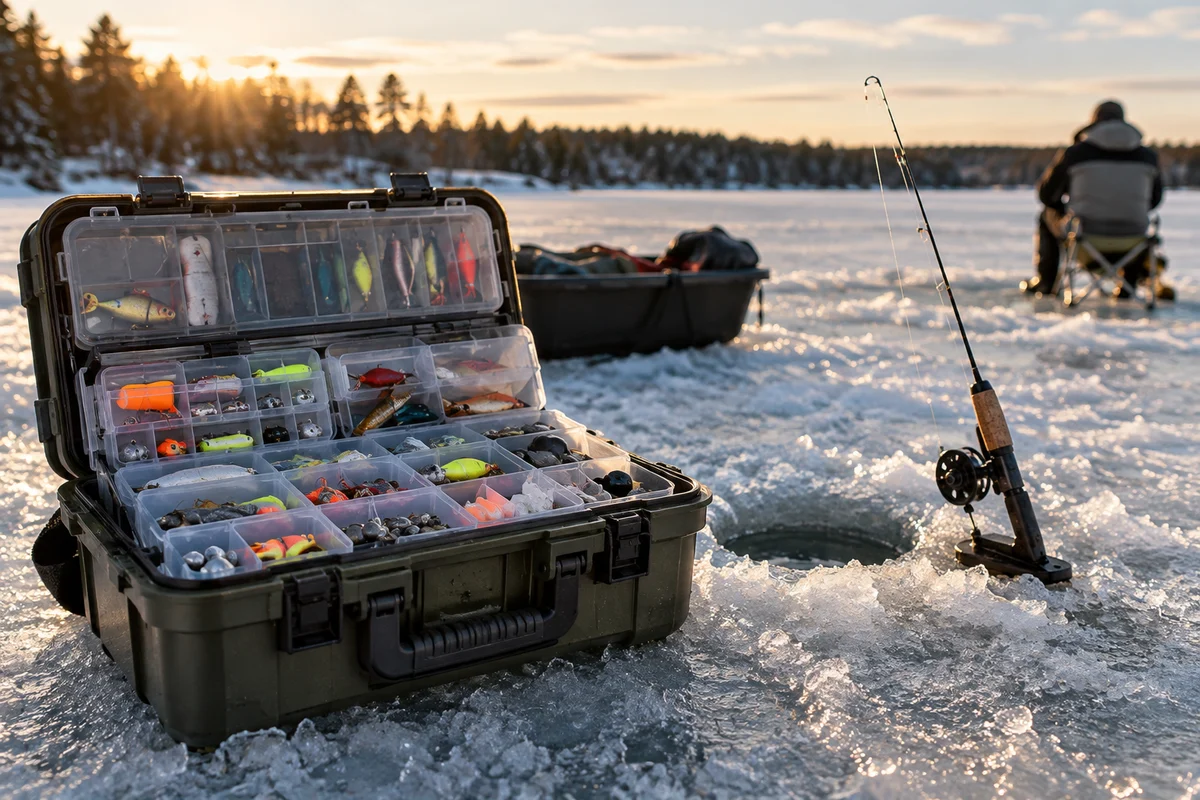
For lure selection, start with a few proven sizes and shapes appropriate to the species and local conditions instead of buying a large assortment immediately. Keep hooks covered during transport, and use a suitable tool to remove a hook when needed. For a focused overview of lure choices, see our guide to jigs for ice fishing. To keep small tackle organized and accessible, consult ice fishing tackle storage options.
A practical pre-trip setup checklist
Before heading onto the ice, run through this short routine:
- Inspect the rod: Look over the blank, handle, reel seat, and guides. Do not fish with a cracked or visibly damaged rod.
- Check the reel: Confirm that the spool turns and the drag adjusts smoothly. Remove grit and moisture according to the maker’s care instructions.
- Inspect the line: Replace line that is abraded, kinked, or weakened. Re-tie after snags or contact with sharp ice edges.
- Secure the lure: Make sure the knot is sound and the hook is protected while moving between locations.
- Pack for the conditions: Keep spare line and basic tools accessible, and protect the rod and reel when traveling.
- Review local rules and ice conditions: Fishing regulations, seasons, and access requirements differ by location. Ice strength can vary across short distances; consult local authorities and use current, location-specific safety guidance.
These steps do not make ice travel risk-free. A fishing combo is only one part of preparation. Check conditions with reliable local sources, tell someone your plans, and do not treat another person’s tracks as proof that ice is safe.
One combo or more than one?
A versatile combo can cover a broad range of ordinary situations, which is often the sensible starting point. If you later find that you regularly alternate between tiny lures and heavier presentations, separate outfits can reduce compromises: one kept light for finesse jigging and another with more backbone for heavier work. Add gear in response to a real limitation, not simply because a catalog offers a specialized version.
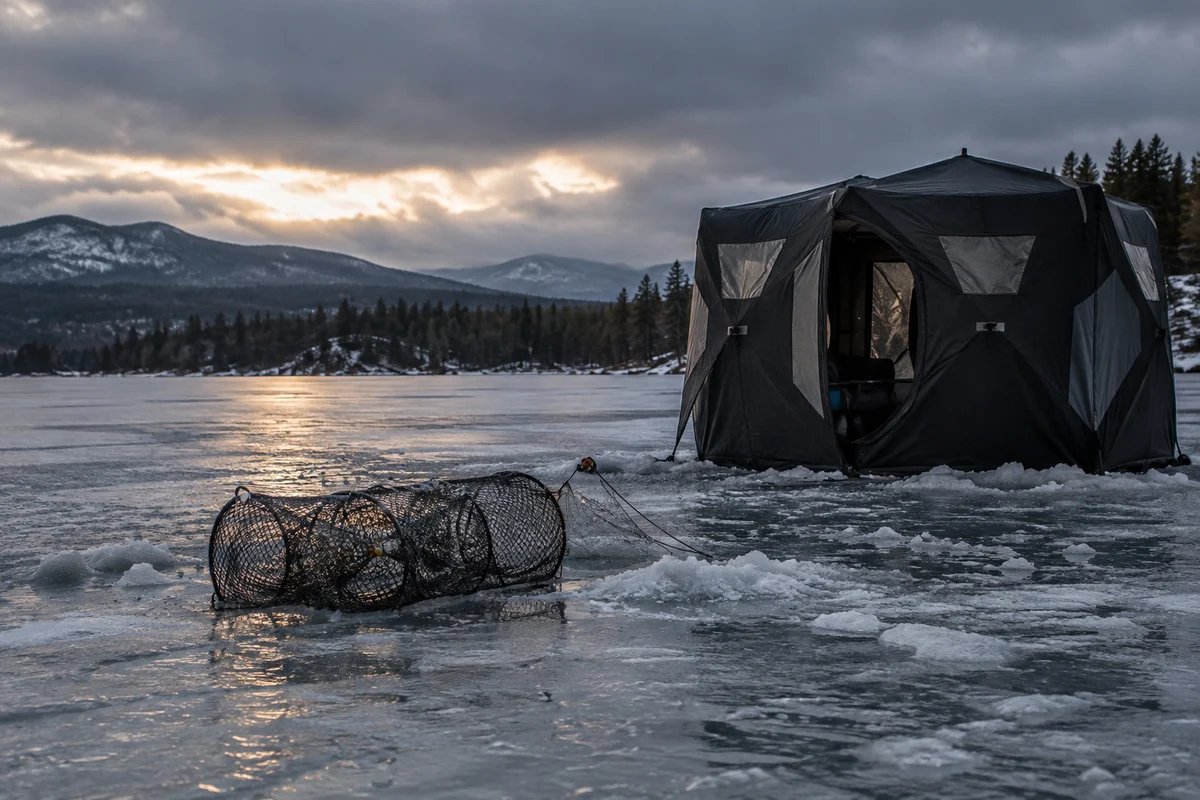
Storage and shelter also shape what feels convenient on the ice. Anglers comparing portable setups can read about hub ice shelters; the available room and seating arrangement may influence rod length and how you handle a fish. For general ice-fishing context and related guides, visit the freshwater ice-fishing hub.
How to make the final choice
Write down your main target species, typical lure range, fishing space, and transport needs. Eliminate combos that do not match the manufacturer’s line and lure guidance. Among the remaining choices, prioritize a comfortable grip, a balanced feel, a reliable reel, and components that can be maintained or replaced.
A well-chosen outfit should make your usual fishing easier—not promise a catch or claim to be universally superior. If specifications are unclear, ask the manufacturer or an authorized retailer to clarify the exact model. Availability, components, and product details can change; verify them before you buy.
Frequently asked questions
What rod power is best for an ice fishing combo?
Choose power according to your usual lure weight and target fish. Light power suits small presentations; heavier work generally calls for more backbone. Follow the manufacturer’s lure and line ratings.
Is a spinning reel a good choice for ice fishing?
A spinning reel is a versatile, familiar option for many anglers. Prioritize smooth retrieval, an adjustable drag, comfortable controls, and compatibility with your line.
Should I use one combo for every species?
A versatile outfit can work across a range of ordinary situations, but it is a compromise. If you often switch between very small and much heavier lures, separate setups may be more suitable.
How do I protect an ice fishing rod and reel?
Inspect the rod and line before trips, protect guides and handles during transport, and follow the manufacturer’s cleaning and storage instructions after exposure to moisture or grit.
Sources & further information
Consult these primary sources for current regulations, technical information and local guidance.