Browning Citori 725 Pro Trap: What to Know
A practical, public-spec guide to understanding the Citori 725 Pro Trap name, evaluating a sporting over-and-under for clay games, and checking fit, safety, and current details with Browning.
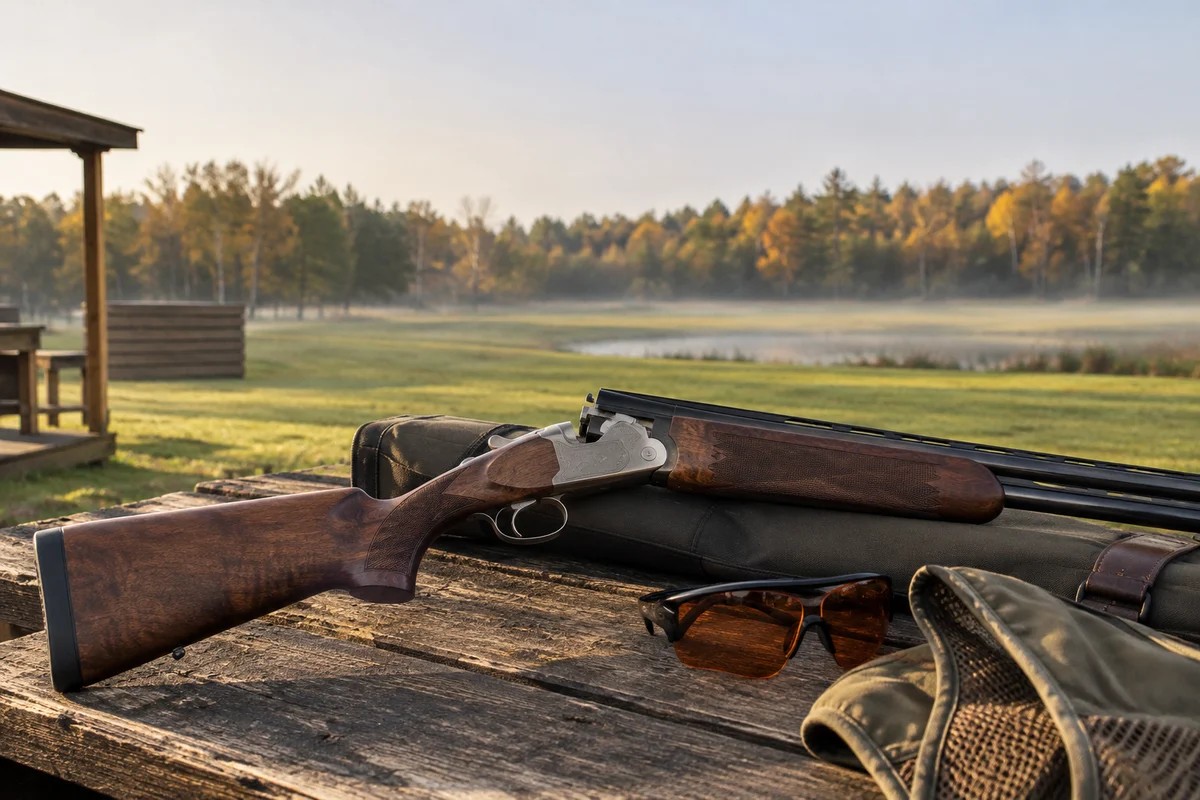
The Browning Citori 725 Pro Trap name points readers toward a competition-oriented version of Browning’s Citori over-and-under shotgun family. Model names and configurations can vary by market and production period, so the name alone does not establish a particular barrel length, stock, trigger, or included accessory. If you are comparing a Pro Trap with a sporting-oriented configuration, start by identifying the exact model and published specification sheet, then consider the clay game, fit, handling, and safe storage that suit your circumstances. This is an informational overview, not a claim of firsthand testing or a current product listing.
What does “Pro Trap” indicate?
Trap is a clay-target discipline in which targets are released away from the shooting position. A trap-focused shotgun configuration is generally intended for that style of use, while a sporting configuration is intended to serve sporting-clays courses, where target presentations can vary. Those broad labels describe intended contexts, not a guarantee that one model will suit every shooter or event.
The Citori 725 is part of Browning’s established over-and-under line. The 725 designation identifies a product family, but the details attached to a specific Pro Trap or Pro Sporting model should be verified against an official document for the exact market and configuration. Product names can be reused or revised, and retailer descriptions may omit important qualifiers. For neutral context on another sporting rifle family, see this overview of the Blaser R8 Professional S; it is a different action and use case, so it is not a direct shotgun comparison.
How should trap and sporting configurations be compared?
Begin with the discipline rather than the model’s prestige or label. A trap shooter may prioritize a consistent mount and sight picture for targets moving away. A sporting-clays participant may value a setup that feels manageable across varied target angles and stations. Neither description replaces personal fit or the requirements of a particular club or competition.
Make a short comparison sheet for each exact configuration:
- Confirm the full model name and whether the source describes the current or a prior version.
- Check the manufacturer’s listed barrel, stock, choke, trigger, and safety-related features rather than assuming they match another 725 variant.
- Note the stated weight and dimensions only when they appear in a reliable specification for that model.
- Ask whether the configuration and any accessories are suitable for the events you intend to enter.
- Record unresolved questions and confirm them with Browning or a qualified, locally authorized professional.
This method avoids turning a marketing label into an unsupported technical claim. It also keeps a comparison focused on verifiable information instead of anecdotes about performance.
Why does fit matter more than a model label?
A shotgun that does not fit comfortably can be difficult to mount consistently. Stock dimensions, balance, overall weight, and a shooter’s posture all contribute to how a firearm feels. A configuration described as competition-ready is not automatically a good fit for every body, experience level, or shooting discipline.
When assessing fit, use a supervised, lawful setting and follow the range’s handling rules. A qualified instructor or fitting professional can help assess mount, eye alignment, and comfort without relying on guesswork. Do not handle a firearm as though it were unloaded: keep it pointed in a safe direction, keep the action open when it is not in use, and verify its condition according to the manufacturer’s safety guidance and range procedures. If fit requires physical alteration, get qualified advice and verify that any change remains safe, lawful, and compatible with the exact firearm.
Which specifications deserve careful verification?
The most useful specifications depend on the question you are trying to answer. For a sporting-clays setup, examine the manufacturer’s description of the intended configuration, stock arrangement, barrel options, and choke system. For a trap-oriented setup, confirm the corresponding details for the specific Pro Trap version rather than transferring information from a Pro Sporting model. Even two products sharing the 725 name may differ.
Use Browning’s official product information as the starting point, then request clarification if a feature is unclear or the exact configuration is no longer listed. A current catalog, owner’s manual, or direct manufacturer response is a better basis than an old headline or a third-party listing without a model identifier. If considering optics or other equipment in a broader outdoor context, our note on the Burris MTAC in PRYM1 camo shows why exact product naming matters; it concerns a riflescope, not a Citori accessory recommendation.
What should a responsible owner consider?
Safe handling and secure storage are central parts of shotgun ownership. Follow the firearm’s manual, local law, and the rules of any range or competition. Keep firearms inaccessible to unauthorized people, and store them securely in a manner appropriate to local requirements. Transport and handling rules vary by jurisdiction; do not assume that a practice permitted in one location is allowed elsewhere.
Before a range session, inspect the firearm only as directed by its manual, use appropriate eye and hearing protection, and follow range commands. If the firearm does not function as expected, stop and seek qualified assistance rather than attempting an improvised repair. This article does not provide repair, modification, or assembly instructions. For broader safety and legal-awareness information, explore our more outdoor coverage and consult official guidance applicable where you live.
How can readers avoid misleading product claims?
Treat an old product headline as a clue to a topic, not proof of a launch date, model history, performance result, or present availability. Confirm whether a page refers to Pro Trap, Pro Sporting, or another Citori 725 configuration. Look for a full model identifier, publication date, and manufacturer documentation that supports the particular specification being discussed.
Be wary of claims that imply one configuration is universally faster, more accurate, or better. Such outcomes depend on the shooter, fit, ammunition and targets allowed under the applicable rules, and many other factors. A responsible comparison describes verified features and the questions they raise; it does not invent test results or rank models without evidence. If a specification cannot be confirmed, leave it open and ask Browning rather than filling the gap with assumptions.
A practical comparison checklist
Before settling on a configuration, write down the discipline you expect to shoot, the specific model name, and the manufacturer’s published specifications. Consider comfort and handling with qualified supervision, check the rules for your intended event, and review local safety and storage obligations. Confirm any feature that affects fit or compatibility directly with the manufacturer. These steps produce a more useful decision than relying on the words “Pro Trap” or “Pro Sporting” alone.
The Citori 725 Pro Trap is best understood as a named configuration within a broader over-and-under family, with the precise details dependent on the exact model documentation. A careful reader can separate intended use from verified specifications, prioritize safe handling, and seek expert input where fit or legal requirements are involved.
Frequently asked questions
Is the Browning Citori 725 Pro Trap the same configuration as the Pro Sporting?
They are distinct configuration names associated with different clay-target contexts. Exact features can vary, so verify the full model and its official specification rather than assuming parts or dimensions are shared.
Can the model name alone confirm barrel, stock, or choke details?
No. Confirm those details in Browning documentation for the exact model and market. A family name or old product headline may not describe every version.
What is a sensible first step when comparing these configurations?
Identify the clay discipline you plan to shoot, review the exact manufacturer specifications, and seek qualified help assessing fit and safe handling in a lawful supervised setting.
Sources & further information
Consult these primary sources for current regulations, technical information and local guidance.