Blaser R8 Professional: Understanding the Rifle’s Design
A neutral guide to the Blaser R8 Professional’s design, specification checks, and safety considerations for hunters researching straight-pull rifles.
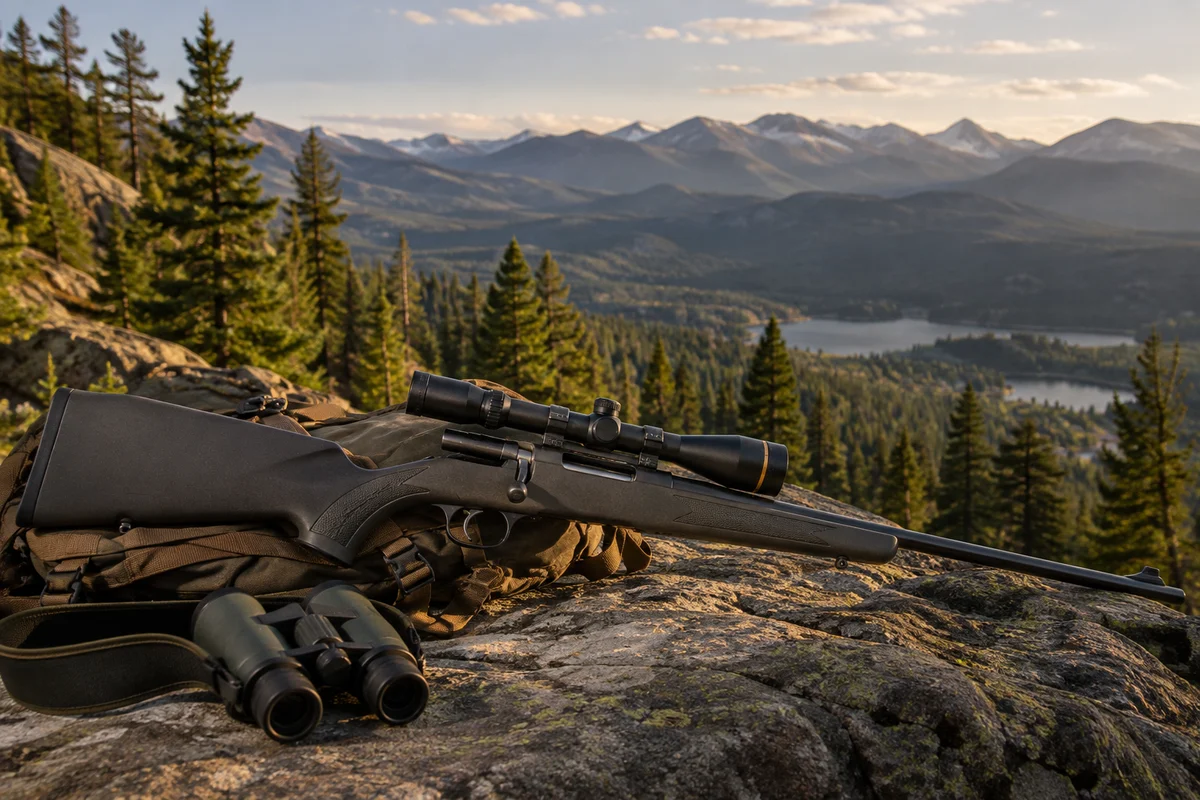
The Blaser R8 Professional is a straight-pull hunting rifle platform known for a distinctive receiver and modular configuration. For a responsible overview, the useful questions are not whether it is “best,” but how its action differs from familiar bolt designs, which details vary by configuration, and what a hunter should verify before handling or using any rifle. This article is informational, not a product endorsement: specifications can change by market and model, so consult Blaser’s current documentation for exact details.
What does “straight-pull” mean?
A straight-pull action cycles by moving its bolt assembly directly rearward and forward, rather than rotating a conventional bolt handle through a turn to unlock and lock the action. That describes the broad operating principle, not a complete account of a particular rifle’s internal construction. The R8 has its own proprietary design, and exact components and controls should be learned from the manufacturer’s manual rather than inferred from the category name.
This layout may appeal to hunters who value a compact action cycle and a familiar shoulder position. It does not make a rifle self-operating, eliminate recoil, or guarantee faster or more accurate field performance. Safe handling still depends on treating every firearm as loaded, keeping the muzzle pointed in a safe direction, and keeping the trigger finger outside the guard until a person has made a deliberate decision to fire at a lawful target.
What is distinctive about the R8 platform?
The R8 is generally described by its maker as a modular hunting-rifle system. Depending on the version and market, configurations may differ in stock, barrel, caliber, sights, and other features. The word “Professional” identifies a model or configuration name; it should not be taken as proof that every rifle bearing it has identical equipment or dimensions.
A modular design makes exact identification especially important. Two rifles with similar names may not share every component, and regional catalogs may differ. Before relying on a feature description, compare the rifle’s model marking and documentation with the relevant manufacturer materials. Avoid assuming that a component is interchangeable merely because it appears similar or is listed for another R8 configuration.
For background on other outdoor equipment topics, see more outdoor coverage, the Benjamin 392S overview, and this look at the Burris MTAC PRYM1 camo scope. These are separate subjects; their inclusion is not a recommendation to combine particular equipment.
Which specifications should a reader verify?
Start with the exact model designation and the manufacturer’s specification sheet or owner’s manual. Confirm the chambering and any configuration-specific limits from official documentation. Do not infer chambering from appearance, a seller’s shorthand, or a cartridge that seems similar. If markings are unclear, have the rifle identified by a qualified professional before it is handled or used.
Other details worth checking include overall configuration, included sights or optic provisions, stock material, barrel description, safety controls, and whether the particular version is intended for the conditions in which it will be used. These can vary, and published descriptions may refer to a different generation or regional variant. The manufacturer’s site is the appropriate place to verify current product information; a generic overview cannot establish a specific rifle’s configuration.
There is also a practical distinction between a rifle’s published specifications and its fit for an individual hunter. Weight, balance, stock dimensions, and sight picture affect comfort and safe control. These are best assessed with qualified supervision and a properly controlled, lawful setting—not by relying on promotional language or assumptions based on a model name.
What safety checks matter before field use?
Read the owner’s manual for the exact rifle and learn its controls before handling it in the field. Have a knowledgeable, qualified instructor explain safe loading, unloading, carry, and storage procedures. Keep ammunition separate during familiarization, and follow the manual’s instructions for confirming the rifle’s condition. Never rely on a safety mechanism as a substitute for muzzle discipline and trigger-finger discipline.
Use only the ammunition specified by the manufacturer for the exact chambering, and inspect it for damage or other concerns. Do not alter, repair, or adapt components based on informal advice. If a control behaves unexpectedly, the rifle is damaged, or its condition cannot be confirmed, stop and seek help from the manufacturer or a qualified firearms professional. Safe storage should prevent unauthorized access and comply with applicable law.
At a range, follow the range’s rules and the instructor’s directions. In hunting settings, identify the target and what lies beyond it, maintain a safe direction during movement, and keep the rifle under control when crossing obstacles or changing positions. A straight-pull action does not change these fundamentals.
How should hunters think about fit and field use?
The right configuration is the one a hunter can handle safely and consistently within the law and the conditions of a particular hunt. Consider terrain, weather, expected carry duration, and the kind of lawful game being pursued. A rifle that feels manageable in a controlled setting may feel different when carried with other equipment or when clothing changes the fit. Practice under qualified supervision and follow local rules on firearms, seasons, permitted equipment, and transport.
Do not treat a rifle’s action type as a substitute for marksmanship training or sound judgment. Field decisions must allow a clear, lawful shot and a safe backdrop; if conditions are uncertain, do not shoot. Hunters should also understand local requirements for transport, storage, and use before traveling across jurisdictions. Regulations are location-specific and may change, so check the appropriate state or national authority rather than relying on a general article.
What should readers avoid assuming?
A model label alone does not establish current availability, price, included accessories, or precise specifications. Nor does a product description establish that a rifle is suitable for every hunter, jurisdiction, or type of hunt. Avoid treating anecdotes, old catalogs, or third-party summaries as definitive. For any uncertainty involving compatibility, operation, maintenance, or legal status, use the maker’s documentation and consult a qualified professional or the relevant authority.
A considered evaluation is straightforward: identify the exact variant, verify its official specifications, understand the controls using its manual, assess safe fit with qualified guidance, and confirm the applicable rules. That approach is more useful than broad claims about speed or performance and keeps the focus where it belongs: safe, lawful, responsible hunting.
Frequently asked questions
Is the Blaser R8 Professional a straight-pull rifle?
The R8 is described as a straight-pull hunting-rifle platform. For the exact action details and controls on a particular version, consult its manufacturer’s manual.
Are all Blaser R8 Professional configurations identical?
No. Features and specifications can differ by model, market, and configuration. Verify the exact rifle’s markings and current manufacturer documentation rather than assuming parts or specifications are shared.
What should I check before using an R8 Professional for hunting?
Read the manual for the exact rifle, confirm its chambering and condition, learn safe handling with qualified instruction, and check the laws and seasons in the jurisdiction where you plan to hunt.
Sources & further information
Consult these primary sources for current regulations, technical information and local guidance.